PVC Coated Tear Resistant Fabric
CN → US| HS Code | Tariff Rate | Origin | Destination | Doc |
|---|---|---|---|---|
| 3926206000 | 35.0% | CN | US | Official Doc |
| 3926905900 | 37.4% | CN | US | Official Doc |
| 5911101000 | 37.9% | CN | US | Official Doc |
| 5911102000 | 38.8% | CN | US | Official Doc |
| 6306120000 | 18.8% | CN | US | Official Doc |
| 6306192120 | 22.6% | CN | US | Official Doc |
Product Images
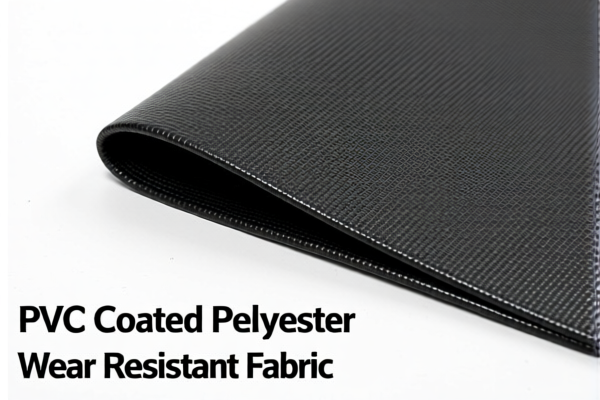
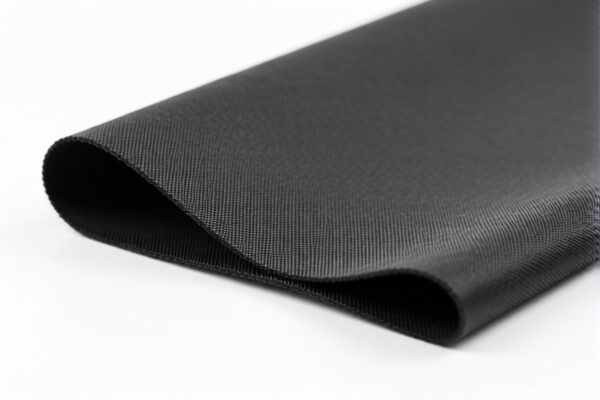
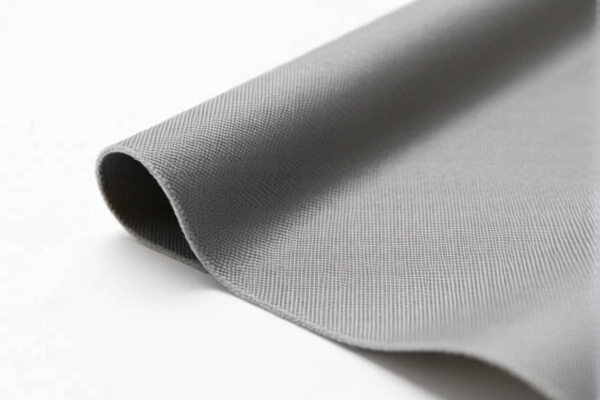
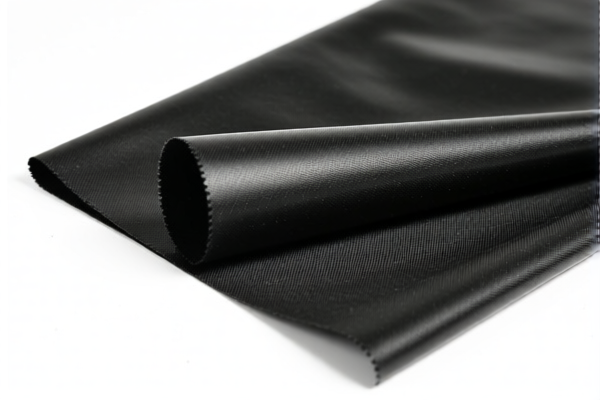
AI Analysis
🧵 PVC Coated Tear Resistant Fabric (Polyvinyl Chloride Coated)
🌐 HS Code Reference & Customs Clearance Guide | 2026 Latest Tariff Breakdown | Professional Clearance Strategy
📌 I. Product Definition & Classification: Is It a "Cover" or "Technical Fabric"?
"PVC Coated Tear Resistant Fabric" is a versatile material used in a wide range of applications. However, in international trade, its classification depends entirely on the final intended use and construction details. It generally falls into two distinct categories:
- Industrial/Technical Textiles: Used for machinery parts, card clothing, printing blankets, or protective gear where the fabric’s technical property is paramount.
- End-Use Goods (Tarpaulins, Rainwear, Tents): Used as finished articles like tarps, awnings, raincoats, or tents.
⚠️ Critical Distinction:
- If the fabric is sold as a raw material for technical machinery parts (e.g., printing blankets) → It may fall under Chapter 59.
- If the fabric is converted into or directly used as tarpaulins, tents, or rainwear → It falls under Chapter 63 or Chapter 39.
📦 II. HS Code Classification Details (2026 Latest Tariff Reference)
Based on the provided data, here are the four relevant HS Codes for "PVC Coated Tear Resistant Fabric" depending on its specific form and use.
| HS Code | Product Description | Typical Application | Tax Rate (CN→US) |
|---|---|---|---|
5911.10.10.00 |
Printers' rubberized blankets | Textile fabrics coated with rubber/material, specifically used for printing machinery blankets. | 0.0% |
5911.10.20.00 |
Other technical textile fabrics | Other textile fabrics coated/laminated for technical purposes (e.g., card clothing, machine parts) not elsewhere specified. | 0.0% |
6306.12.00.00 |
Tarpaulins, awnings, sunblinds: Of synthetic fibers | Finished or semi-finished tarps, awnings, and sunblinds made from synthetic fibers (like PVC-coated polyester). | 0.0% |
6306.19.21.20 |
Tarpaulins, awnings, sunblinds: Of other textile materials | Tarpaulins/awnings made of other textile materials (e.g., cotton blend PVC, though rare for tear-resistant) classified as "Other." | 0.0% |
3926.20.60.00 |
Plastic rainwear | Articles of apparel featuring an outer shell of PVC plastic (e.g., PVC raincoats, ponchos, slickers). | 25.0% |
3926.90.59.00 |
Other plastic articles: Belting/belts for machinery | Plastic belting/belts containing textile fibers, for machinery. | 27.4% |
🔍 Key Classification Logic:
- Is it a "Blanket" for printing? →5911.10.10.00(0%)
- Is it a "Technical Fabric" for machinery? →5911.10.20.00(0%)
- Is it a "Tarp/Awning/Sunblind"? →6306.12.00.00(0%) (Most common for PVC coated fabrics)
- Is it "Rainwear" (Clothing)? →3926.20.60.00(25%)
- Is it "Belting"? →3926.90.59.00(27.4%)
💰 III. 2026 Tariff Rate Breakdown (Detailed Tax Analysis)
✅ Applicable Country: United States (US)
✅ Origin: China (CN)
✅ Effective Time: Current rates apply as per provided data.
🎯 1. HS Code 6306.12.00.00 – Tarpaulins, Awnings, Sunblinds (Synthetic Fibers)
| Item | Details |
|---|---|
| Base Tariff | 0.0% |
| Section 301 Additional Tariff | 0.0% |
| Total Tax Rate | 0.0% |
| Calculation | CIF Value × 0% = $0 |
| De Minimis Eligibility | ❌ Not Applicable (Generally commercial shipment) |
| Legal Basis | HTSUS Chapter 63, Note 1 |
📌 Explanation:
- PVC-coated tear-resistant fabric used for tents, tarps, awnings, or sunblinds is classified here if made of synthetic fibers (e.g., polyester with PVC coating).
- This is the most common and favorable classification for bulk PVC fabric sales intended for covering purposes.
- No additional duties apply under current data.
🎯 2. HS Code 5911.10.10.00 / 5911.10.20.00 – Technical Textiles
| Item | Details |
|---|---|
| Base Tariff | 0.0% |
| Additional Tariff | 0.0% |
| Total Tax Rate | 0.0% |
| Calculation | CIF Value × 0% = $0 |
| De Minimis Eligibility | ❌ Not Applicable |
| Legal Basis | HTSUS Chapter 59, Note 8 |
📌 Explanation:
- If the PVC-coated fabric is specifically printed onto rubberized blankets for printing presses, it falls under5911.10.10.00.
- If it is used for card clothing or other technical machinery purposes, it falls under5911.10.20.00.
- Zero duty makes this highly competitive for industrial buyers.
🎯 3. HS Code 3926.20.60.00 – Plastic Rainwear
| Item | Details |
|---|---|
| Base Tariff | 0.0% |
| Additional Tariff | 25.0% |
| Total Tax Rate | 25.0% |
| Calculation | CIF Value × 25% |
| De Minimis Eligibility | ❌ Not Eligible |
| Legal Basis | HTSUS Chapter 39, Section 301 |
📌 Explanation:
- If the PVC-coated fabric is sewn into raincoats, ponchos, or slickers, it is classified as "Plastic Rainwear."
- High Risk: Subject to a 25% additional tariff.
- Key Point: Even if the base rate is 0%, the 25% penalty significantly impacts cost.
- Note: The description mentions "valued not over..." – ensure value thresholds are met if applicable.
🎯 4. HS Code 3926.90.59.00 – Plastic Belting for Machinery
| Item | Details |
|---|---|
| Base Tariff | 2.4% |
| Additional Tariff | 25.0% |
| Total Tax Rate | 27.4% |
| Calculation | CIF Value × 27.4% |
| De Minimis Eligibility | ❌ Not Eligible |
| Legal Basis | HTSUS Chapter 39, Section 301 |
📌 Explanation:
- If the PVC-coated fabric is used as conveyor belts, drive belts, or machinery belting, it falls under this code.
- Highest Cost: Base 2.4% + 25% additional = 27.4% total.
- Only classify here if the product is explicitly belting for machinery.
🛠️ IV. Customs Clearance Practical Advice (Risk Mitigation)
✅ 1. Documentation Checklist (Mandatory)
| Document | Required? | Purpose |
|---|---|---|
| Commercial Invoice | ✔️ | Must specify "PVC Coated Tear-Resistant Fabric" and intended use (e.g., "For Tarpaulin Manufacturing"). |
| Packing List | ✔️ | Detail dimensions, weight, and roll size. |
| Product Specification Sheet | ✔️ | Confirm material composition (e.g., "100% Polyester with PVC Coating"). |
| End-Use Declaration | ✔️ | Critical: Declare if used for "Tarpaulins" (0%) vs. "Rainwear" (25%). Misdeclaration leads to penalties. |
| Bill of Lading/Air Waybill | ✔️ | Standard shipping document. |
| FDA/Prop 65 Compliance (if applicable) | ✔️ | If used for food contact or consumer goods, additional certs may be needed. |
✅ 2. Declaration Tips (Key Rules)
🔥 "Classify by Final Use, Not Just Material!"
| Scenario | Correct HS Code | Incorrect HS Code | Consequence |
|---|---|---|---|
| Selling PVC fabric for making tarps | 6306.12.00.00 |
3926.90.59.00 |
Penalty + 27.4% duty instead of 0% |
| Selling finished raincoats made from PVC fabric | 3926.20.60.00 |
6306.12.00.00 |
Under-declaration + 25% duty |
| Selling printing blankets | 5911.10.10.00 |
6306.12.00.00 |
Possible misclassification, but both 0% |
| Selling conveyor belts | 3926.90.59.00 |
5911.10.20.00 |
27.4% duty vs. 0% |
📌 Crucial Advice:
- Do not describe as "Generic Fabric" – specify "PVC Coated Polyester for Tarpaulins."
- Do not mix "Rainwear" with "Tarpaulins" in the same shipment without clear segregation.
- Provide Photos: Clear images of the fabric texture, coating, and any labels.
✅ 3. Special Cases
| Case | Handling Advice |
|---|---|
| Sample vs. Commercial | For samples under $800, de minimis may apply, but verify eligibility. For bulk, use correct HS. |
| Composite Goods | If sold as "Tarp + Frame," classify as Tarp (6306.12.00.00) if frame is minor accessory. |
| Re-export | If imported into US for re-export, consider Foreign Trade Zone (FTZ) to defer duties. |
| Value Declaration | Ensure CIF value includes all costs (freight, insurance) to avoid valuation disputes. |
🌍 V. Global Market Comparison (2026)
| Market | Recommended HS Code | Duty Rate | Notes |
|---|---|---|---|
| 🇺🇸 USA | 6306.12.00.00 |
0.0% | Best for tarps/awnings. Avoid rainwear code (25%). |
| 🇨🇳 China | 6306.12.00.00 |
~5-7% | Import duty for Chinese buyers. |
| 🇪🇺 EU | 6306.12.00.00 |
0% | Favorable for textiles. |
| 🇯🇵 Japan | 6306.12.00.00 |
0-6% | Varies by specific type. |
📌 Conclusion:
- USA offers 0% duty for PVC-coated fabrics used in tarpaulins, awnings, and sunblinds.
- Rainwear and Belting face 25-27.4% duties.
- Strategy: Maximize "Technical Use" or "Covering Use" classification to avoid penalties.
📌 VI. Common Mistakes & Pitfalls (Lessons Learned)
❌ Mistake 1: Classifying raincoats as "Fabric" (6306.12.00.00)
👉 Consequence: 25% duty underpayment + penalties.
❌ Mistake 2: Classifying tarps as "Belting" (3926.90.59.00)
👉 Consequence: Paying 27.4% instead of 0%.
❌ Mistake 3: Using vague descriptions like "PVC Material"
👉 Consequence: Customs delay, request for additional info, potential audit.
✅ Correct Approach:
"PVC Coated Tear-Resistant Polyester Fabric, Roll, 1000m, For Manufacturing Tarpaulins"
🎯 VII. Conclusion: Smart Classification, Lower Costs
🎯 Key Takeaways:
1. Tarpaulins/Awnings → 6306.12.00.00 → 0% Duty ✅
2. Technical Textiles → 5911.10.xx → 0% Duty ✅
3. Rainwear → 3926.20.60.00 → 25% Duty ❌
4. Belting → 3926.90.59.00 → 27.4% Duty ❌
🔹 "Classify by End-Use, Not Just Material!"
🔹 "Tarps are Free, Raincoats are Costly!"
📌 Pro Tip:
- For large volumes, apply for an Advance Ruling from CBP to confirm HS Code.
- Maintain clear documentation of product use to justify 0% duty classification.
📣 Action Step:
📞 Consult a licensed customs broker.
📄 Prepare End-Use Declaration.
🚀 Ensure 0% Duty Compliance for Tarpaulins!
✨ Precision in Classification = Savings in Duty
💼 Optimize Your Supply Chain with Accurate HS Codes
Customer Reviews
About HS Code Classification
The Harmonized System (HS) is an internationally standardized nomenclature developed by the World Customs Organization (WCO) to classify traded products. Over 200 countries use the HS system as the basis for customs tariffs, trade statistics, and import/export regulations.
Each HS code follows a hierarchical structure:
- Chapter (2 digits) — Broad category of goods (e.g., Chapter 84: Machinery and Mechanical Appliances)
- Heading (4 digits) — More specific grouping within the chapter
- Subheading (6 digits) — Internationally standardized breakdown, used by all WCO member countries
- National subdivisions (8-10 digits) — Country-specific extensions for further classification, such as US HTSUS 10-digit codes
Correct HS code classification is essential for smooth customs clearance, accurate duty payment, and compliance with trade regulations. Misclassification can lead to customs delays, overpayment of duties, or penalties.
When importing from CN to US, the applicable tariff rates may include:
- Most-Favored-Nation (MFN) rate — The standard duty rate applied to WTO members
- General rate — Applied to countries without trade agreements
- Trade remedy duties — Additional tariffs such as Section 301 (anti-dumping), Section 232 (national security), or countervailing duties
The information provided on this page is for reference purposes only. For official classification, please consult with your local customs authority or a licensed customs broker.