PVC Coated Textile Pet Mat
CN → US| HS Code | Tariff Rate | Origin | Destination | Doc |
|---|---|---|---|---|
| 6307909891 | 24.5% | CN | US | Official Doc |
| 9403995080 | 35.0% | CN | US | Official Doc |
| 6307907500 | 14.3% | CN | US | Official Doc |
| 9403708015 | 35.0% | CN | US | Official Doc |
| 3926905900 | 37.4% | CN | US | Official Doc |
Product Images
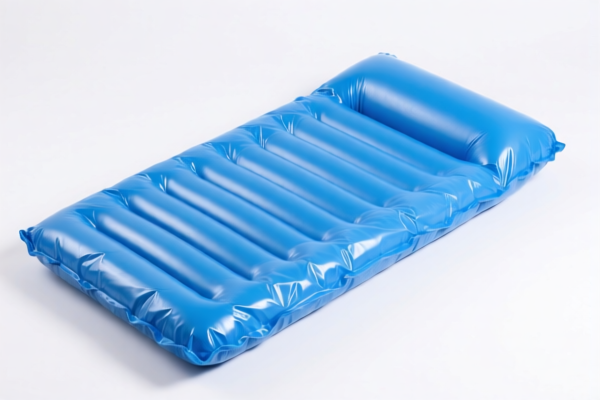
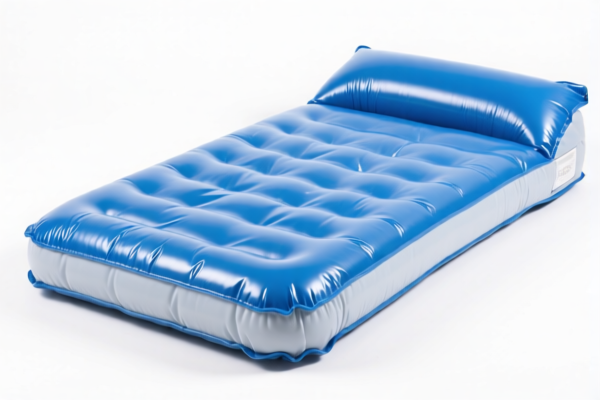
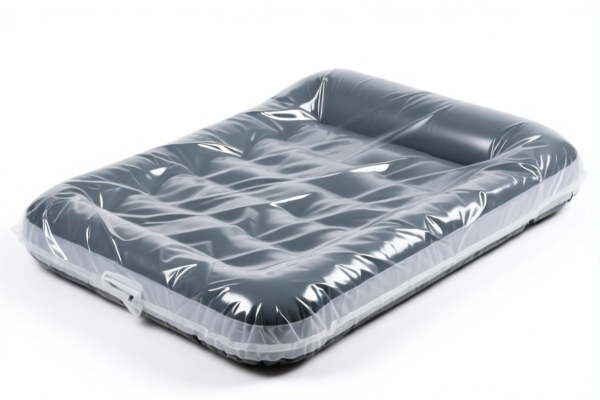
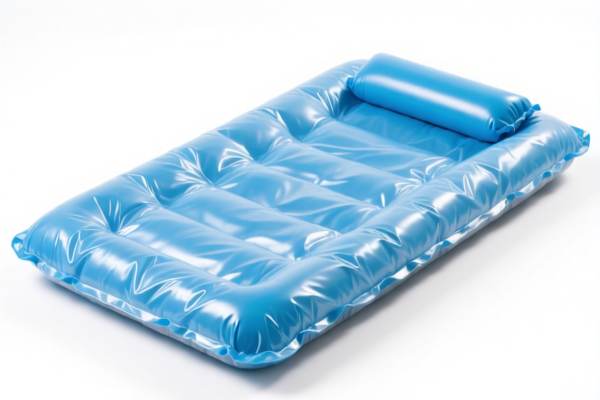
AI Analysis
🐾 PVC Coated Textile Pet Mat (Pet Bed/窝)
🌐 HS Code Reference & Customs Clearance Guide | 2026 Latest Tariff Analysis | Professional Clearance Strategy
📌 I. Product Definition & Classification: Do You Really Understand "PVC Pet Mats"?
PVC Coated Textile Pet Mats are soft goods primarily used for pets (dogs, cats, etc.). In international trade, their classification depends heavily on material composition, structure, and specific usage. Because they combine textiles with plastic (PVC), they often fall into a "gray area" between textile articles, plastic articles, and furniture parts.
⚠️ Key Distinction Points:
- Is it a finished product (like a bed/mat) or a component/part of furniture?
- Is the primary material considered textile or plastic?
- Does it have a rigid frame (furniture) or is it purely soft (textile/plastic good)?
📦 II. HS Code Classification Details (2026 Latest Tariff Authoritative Comparison)
| HS Code | Product Description | Application Scenario | Reasoning Summary (Based on Data) |
|---|---|---|---|
6307.90.98.91 |
Other made-up textile articles (兜底/Residual Category) | Soft pet beds, mats without rigid structure | Textile Logic: Classified as other finished goods; Material is PVC-coated textile, fitting the residual logic for textile articles. |
9403.99.50.80 |
Parts of Furniture, of materials other than metal (Textile-based) | Pet beds considered as "furniture parts" | Furniture Logic: Classified as a part of furniture; Material is textile other than cotton. |
6307.90.75.00 |
Made-up textile articles, specifically for pets | Pet beds, pet mats, pet carriers | Specific Textile Logic: Classified as textile pet supplies; Material is PVC, Form is pet bed. |
9403.70.80.15 |
Furniture of plastic, for household use | Pet beds with plastic structure/components | Furniture/Plastic Logic: Classified as plastic furniture; Material is PVC, Use is household. |
3926.90.59.00 |
Other articles of plastic, containing textile fibers | PVC-heavy pet mats | Plastic Logic: Classified as plastic articles containing textile fibers; Material is PVC. |
🔍 Key Reminder:
- Soft Goods vs. Furniture: If the item is purely soft (no frame),6307.xxor3926.xxis more likely. If it has a rigid plastic frame,9403.xxapplies.
- PVC Coating: The presence of PVC does not automatically make it a plastic article (3926); if the textile fabric is the essential character, it may remain under Textiles (6307).
- Misclassification Risk: Declaring a soft mat as "Plastic Furniture" (9403) can lead to higher duties (35%) vs. "Other Made-up Textile Articles" (6307) which might be lower (14.3% or 24.5%).
💰 III. 2026 Latest Tariff Rate Breakdown (Including Surcharges, Policy Add-ons)
✅ Applicable Country: United States (US)
✅ Origin: China (CN)
✅ Effective Date: 2025/2026 (Current Rates)
🎯 1. 6307.90.98.91 —— Other Made-up Textile Articles (Residual)
| Item | Content |
|---|---|
| Base Tariff | 7.0% |
| Section 301 Surcharge | +7.5% |
| Section 122 Tariff | +10.0% |
| Total Tariff | 24.5% |
| Tax Calculation | CIF Value × 24.5% |
| De Minimis Exemption | ❌ No (Subject to scrutiny due to high rate) |
| Legal Basis Path | HTS:6307.90.98.91 + 301:7.5% + 122:10% |
📌 Explanation:
- This is a "catch-all" textile category.
- Total 24.5% is moderate but significant.
- Suitable for general soft pet mats where the textile nature is dominant.
🎯 2. 9403.99.50.80 —— Parts of Furniture, Other Materials (Textile)
| Item | Content |
|---|---|
| Base Tariff | 0.0% |
| Section 301 Surcharge | +25.0% |
| Section 122 Tariff | +10.0% |
| Total Tariff | 35.0% |
| Tax Calculation | CIF Value × 35.0% |
| De Minimis Exemption | ❌ No |
| Legal Basis Path | HTS:9403.99.50.80 + 301:25% + 122:10% |
📌 Note:
- Even though the base tariff is 0%, the 25% Section 301 duty makes this very expensive.
- Only use this if the goods are legally deemed "parts of furniture" (e.g., a replaceable cushion for a pet chair).
🎯 3. 6307.90.75.00 —— Textile Pet Supplies (Specific)
| Item | Content |
|---|---|
| Base Tariff | 4.3% |
| Section 301 Surcharge | 0.0% |
| Section 122 Tariff | +10.0% |
| Total Tariff | 14.3% |
| Tax Calculation | CIF Value × 14.3% |
| De Minimis Exemption | ❌ No (Check latest rules, but generally low risk) |
| Legal Basis Path | HTS:6307.90.75.00 + 122:10% |
📌 Important:
- Lowest Total Rate (14.3%) among the options!
- No Section 301 duty (0%). This is the most cost-effective classification if the product can be clearly defined as "Textile Pet Supplies."
- Requires strong evidence that the product is specifically for pets and made of textile materials.
🎯 4. 9403.70.80.15 —— Furniture of Plastic, Household Use
| Item | Content |
|---|---|
| Base Tariff | 0.0% |
| Section 301 Surcharge | +25.0% |
| Section 122 Tariff | +10.0% |
| Total Tariff | 35.0% |
| Tax Calculation | CIF Value × 35.0% |
| De Minimis Exemption | ❌ No |
| Legal Basis Path | HTS:9403.70.80.15 + 301:25% + 122:10% |
📌 Note:
- Same high rate as9403.99.50.80.
- Applicable if the pet bed has a significant plastic structure and is considered "Plastic Furniture."
🎯 5. 3926.90.59.00 —— Other Plastic Articles, with Textile Fibers
| Item | Content |
|---|---|
| Base Tariff | 2.4% |
| Section 301 Surcharge | +25.0% |
| Section 122 Tariff | +10.0% |
| Total Tariff | 37.4% |
| Tax Calculation | CIF Value × 37.4% |
| De Minimis Exemption | ❌ No |
| Legal Basis Path | HTS:3926.90.59.00 + 301:25% + 122:10% |
📌 Note:
- Highest Total Rate (37.4%).
- Only apply if the PVC coating is substantial enough to make the article a "Plastic Article" rather than a "Textile Article."
🛠️ IV. Customs Clearance Practical Advice (Battle-Tested Pitfall Guide)
✅ 1. Preparation Checklist (Cannot Be Omitted)
| Document | Required | Explanation |
|---|---|---|
| ✅ Product Specification | ✔️ | Dimensions, weight, material breakdown (PVC % vs. Textile %), filling material. |
| ✅ Photos | ✔️ | Clear images showing the texture, stitching, and any rigid parts. |
| ✅ Commercial Invoice | ✔️ | Must clearly state "Pet Bed/Mat" and material composition. Avoid vague terms like "Pet Accessory." |
| ✅ Packing List | ✔️ | Confirm no rigid frames are included if declaring as 6307. |
| ✅ Labeling | ✔️ | "Made in China," fiber content labels (Textile Act requirements). |
✅ 2. Declaration Strategy (Key Mantras)
🔥 "Soft Goods, Go Textile; Hard Frame, Go Furniture; Pet Specific, Save 20%!"
| Scenario | Correct Declaration | Incorrect Declaration | Consequence |
|---|---|---|---|
| Soft PVC Textile Mat (No frame) | 6307.90.75.00 |
9403.70.80.15 |
Save 20.7% (14.3% vs 35%) |
| Soft PVC Textile Mat (No frame) | 6307.90.98.91 |
3926.90.59.00 |
Save 22.9% (24.5% vs 37.4%) |
| Pet Bed with Plastic Frame | 9403.70.80.15 |
6307.90.75.00 |
Correct Classification (Avoid fraud penalties) |
| Generic "Pet Accessory" | 6307.90.75.00 |
"Pet Toy" | Risk of Audit if not clearly a bed/mat |
✅ 3. Special Handling Tips
| Scenario | Recommendation |
|---|---|
| Mixed Materials | If the textile is >50% by weight or essential character, argue for Textile (6307). If PVC is dominant, Plastic (3926) may apply, but it's expensive. |
| OEM/Private Label | Ensure the invoice matches the brand name on the product. Mislabeling can cause delays. |
| Section 122 Tariff | This 10% tariff applies to many goods from China. It is currently mandatory. No exemption unless specific trade policy changes. |
| De Minimis (Section 321) | Do NOT rely on $800 de minimis for this product. High-value pet goods are increasingly scrutinized, and the high tariff rates mean even small shipments pay significantly. |
🌍 V. Global Market Comparison (2026 Latest)
| Country/Region | Recommended HS Code | Total Tariff (China Origin) | Notes |
|---|---|---|---|
| 🇺🇸 USA | 6307.90.75.00 |
14.3% | Lowest rate if classified as Pet Textile. |
| 🇺🇸 USA | 6307.90.98.91 |
24.5% | Safe fallback if pet-specific classification is challenged. |
| 🇪🇺 EU | 6307.90 |
Varies (Usually 0-6.5%) | No Section 301/122 equivalent. Lower duties. |
| 🇨🇳 China | 6307.90 |
Varies (Usually 5-10%) | Import tariff may apply, but lower than US surcharges. |
📌 Conclusion:
- USA Market: The difference between 14.3% and 37.4% is massive. Classify as6307.90.75.00if possible.
- Evidence is Key: Provide photos and specs that prove the item is a pet bed and textile-based.
📌 VI. Common Mistakes & Pitfalls (Lessons Learned)
❌ Mistake 1: Declaring a soft mat as "Plastic Furniture" (9403)
👉 Consequence: Paying 35% instead of 14.3%. Overpayment of 20.7%!
❌ Mistake 2: Declaring a PVC-coated mat as "Other Plastic Articles" (3926)
👉 Consequence: Paying 37.4%. The highest rate. Textile articles often take precedence if fabric is visible and essential.
❌ Mistake 3: Vague Description "Pet Product"
👉 Consequence: Customs may classify under the highest available tariff or request additional info, causing delays.
❌ Mistake 4: Ignoring Section 122 Tariff
👉 Consequence: Under-declaring value or tax. The 10% is mandatory on many goods.
✅ Correct Practice:
"PVC Coated Textile Pet Bed, Soft, No Rigid Frame, For Domestic Dogs/Cats, Model XYZ"
HS Code:6307.90.75.00
Total Tax: 14.3%
🎯 VII. Conclusion: Precise Classification Saves Money!
🎯 Remember the Mantra:
🔹 "Pet Specific, Textile Base, 14.3% Rate!"
🔹 "Furniture or Plastic, 35%+ Rate, Avoid If Possible!"
🔹 "Section 122 is 10%, Always Add It!"
📌 Pro Tip:
If your supplier can provide a Material Analysis Report showing the textile component is the essential character, use 6307.90.75.00.
If the product has a plastic shell, it must be 9403.70.80.15 or 3926.90.59.00, and you must accept the higher tax.
📣 Immediate Action:
📞 Consult Customs Broker + Provide Product Photos + Apply for Advance Ruling (if high volume)
🚀 Optimize Your HS Code, Maximize Your Profit!
✨ Professional Clearance Starts with Accurate Classification!
💼 Every Percent of Tax Matters!
Customer Reviews
About HS Code Classification
The Harmonized System (HS) is an internationally standardized nomenclature developed by the World Customs Organization (WCO) to classify traded products. Over 200 countries use the HS system as the basis for customs tariffs, trade statistics, and import/export regulations.
Each HS code follows a hierarchical structure:
- Chapter (2 digits) — Broad category of goods (e.g., Chapter 84: Machinery and Mechanical Appliances)
- Heading (4 digits) — More specific grouping within the chapter
- Subheading (6 digits) — Internationally standardized breakdown, used by all WCO member countries
- National subdivisions (8-10 digits) — Country-specific extensions for further classification, such as US HTSUS 10-digit codes
Correct HS code classification is essential for smooth customs clearance, accurate duty payment, and compliance with trade regulations. Misclassification can lead to customs delays, overpayment of duties, or penalties.
When importing from CN to US, the applicable tariff rates may include:
- Most-Favored-Nation (MFN) rate — The standard duty rate applied to WTO members
- General rate — Applied to countries without trade agreements
- Trade remedy duties — Additional tariffs such as Section 301 (anti-dumping), Section 232 (national security), or countervailing duties
The information provided on this page is for reference purposes only. For official classification, please consult with your local customs authority or a licensed customs broker.