PVC Coated Textile Protective Cloth
CN → US| HS Code | Tariff Rate | Origin | Destination | Doc |
|---|---|---|---|---|
| 6307906800 | 17.5% | CN | US | Official Doc |
| 5903102090 | 35.0% | CN | US | Official Doc |
| 5903101000 | 37.7% | CN | US | Official Doc |
| 6307906090 | 17.5% | CN | US | Official Doc |
| 3921121500 | 41.5% | CN | US | Official Doc |
Product Images
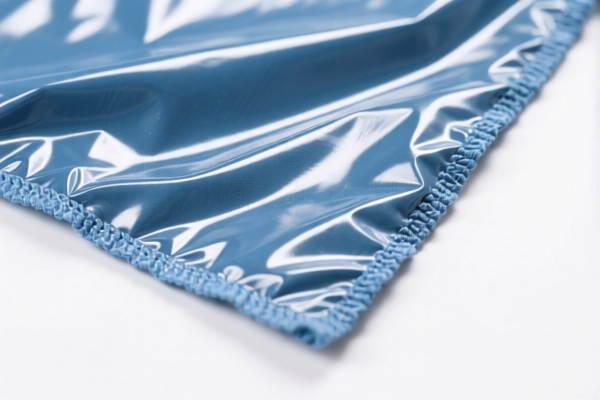
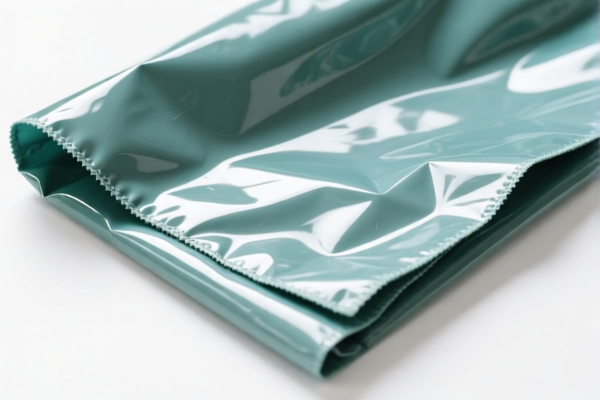
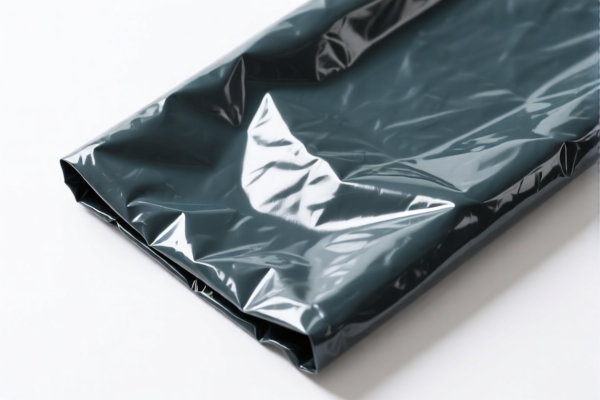
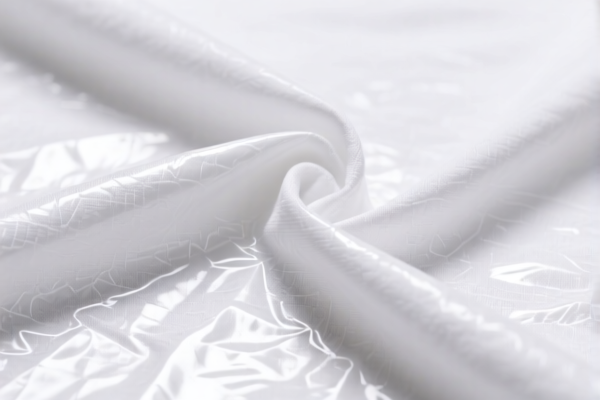
AI Analysis
🛡️ PVC Coated Textile Protective Cloth
🌐 HS Code Reference & Customs Clearance Guide | 2024/2025 Latest Tariff Analysis | Professional Clearance Strategy
📌 I. Product Definition & Classification: What Exactly Is This?
PVC Coated Textile Protective Cloth is a composite material widely used in medical, industrial, and safety applications. It consists of a textile base (such as polyester or nylon) impregnated, coated, covered, or laminated with Polyvinyl Chloride (PVC).
In international trade, the classification depends heavily on: 1. The Primary Function: Is it primarily a textile fabric (Chapter 59/60/63) or a plastic sheet/plate (Chapter 39)? 2. The Specific Application: Medical use often triggers specific subheadings in Chapter 63. 3. The Degree of Coating: Is it impregnated or merely surface-coated?
⚠️ Critical Distinction Point:
- If classified as a Textile Product (Chapters 59/63): It generally falls under "Other made-up textile articles" or "Textiles impregnated/coated with plastics." - If classified as a Plastic Product (Chapter 39): It must be primarily a plastic sheet combined with textile, which often attracts higher duties due to specific trade restrictions on composite plastic-textile goods.
📦 II. HS Code Classification Details (Based on Provided Data)
The following 5 HS Codes are relevant for PVC Coated Textile Protective Cloth, with varying tax implications based on their specific descriptions and legal interpretations.
| HS Code | Product Description & Rationale | Application/Context |
|---|---|---|
| 6307.90.68.00 | PVC Coated Medical Protective Cloth Rationale: Classified as "Other made-up articles of textiles." Matches the attributes of artificial/fused fiber fabrics with medical protective purposes. |
General medical protective gear, non-surgical use. |
| 5903.10.20.90 | PVC Coated Textile (Other) Rationale: Textile fabric impregnated/coated/laminated with PVC. "Other" classification implies it doesn't fit more specific medical subheadings under 5903. |
General industrial protective covers, tarps, medical sheets not strictly surgical. |
| 5903.10.10.00 | PVC Impregnated/Coated/Laminated Textile Rationale: Matches the precise definition of "Polyvinyl chloride impregnated, coated, covered or laminated with textile fabric." |
Standard PVC-coated fabrics where the plastic component is dominant in the coating process. |
| 6307.90.60.90 | PVC Coated Surgical/Protective Sheets Rationale: Fits the description of surgical drapes/sheets coated with materials. Matches the "medical protection" use case for specific textile articles. |
Surgical drapes, hospital bed sheets, specialized medical barriers. |
| 3921.12.15.00 | PVC Textile Composite (Radiation/Shield) Rationale: Plastic sheets/plates, films, and film/fabric combination products. Specifically notes the combination of PVC and textile materials. |
High Risk: Often interpreted as a plastic composite product. The example mentions "Anti-radiation," implying specialized functional use that pushes it into Chapter 39. |
🔍 Key Insight:
- Codes 6307.xx (Textile Articles) generally have lower base tariffs but are subject to Section 301/122 tariffs. - Codes 5903.xx (Textiles Impregnated) are in a middle ground, often treated as textiles but with plastic modifications. - Code 3921.xx (Plastic Products) has the highest total tax burden (41.5%+) due to a 6.5% base tariff plus high additional duties. Misclassification into Chapter 39 can be costly.
💰 III. 2024/2025 Latest Tariff Rate Breakdown (China Origin)
✅ Applicable Country: USA (US)
✅ Origin: China (CN)
✅ Effective Time: Current rates include Section 301 & Section 122 tariffs.
🎯 1. 6307.90.68.00 & 6307.90.60.90 (Textile Articles)
| Item | Content |
|---|---|
| Base Tariff | 0.0% (Ad Valorem) |
| Section 301 Tariff | +7.5% (Standard USITC Footnote for these subheadings) |
| Section 122 Tariff | +10.0% (Additional duty on certain textile/apparel products) |
| Total Rate | 17.5% |
| Calculation | CIF Value × 17.5% |
| De Minimis Exemption | ❌ Not Eligible (Section 122 and 301 duties generally apply to low-value shipments if not de minimis-exempt, but specific rules vary; typically, these duties break the $800 threshold exemption for certain categories or require proper entry). |
📌 Explanation:
- These codes benefit from a 0% base duty. - The 7.5% is the standard Section 301 penalty for many textile categories from China. - The 10% is a specific additional tariff (Section 122) targeting certain textile and apparel imports. - Strategy: This is the most cost-effective classification if the product is strictly defined as a "made-up textile article" for medical/protection use.
🎯 2. 5903.10.20.90 (Impregnated Textiles - Other)
| Item | Content |
|---|---|
| Base Tariff | 0.0% |
| Section 301 Tariff | +25.0% |
| Section 122 Tariff | +10.0% |
| Total Rate | 35.0% |
| Calculation | CIF Value × 35.0% |
| De Minimis Exemption | ❌ Not Eligible |
📌 Explanation:
- While the base duty is 0%, the Section 301 duty jumps to 25% for many "Impregnated/Coated/Laminated with Plastics" textile headings. - Combined with the 10% Section 122, this results in a 35% total tax. - Risk: If customs officers view the PVC coating as the defining characteristic rather than the textile structure, they may reject this lower-rate interpretation.
🎯 3. 5903.10.10.00 (Impregnated Textiles - Specific PVC)
| Item | Content |
|---|---|
| Base Tariff | 2.7% |
| Section 301 Tariff | +25.0% |
| Section 122 Tariff | +10.0% |
| Total Rate | 37.7% |
| Calculation | CIF Value × 37.7% |
| De Minimis Exemption | ❌ Not Eligible |
📌 Explanation:
- This is the most precise match for "PVC Impregnated/Coated/Laminated." - However, it carries a 2.7% base duty, pushing the total to 37.7%. - Note: This is often the "default" classification for PVC tarps and generic coated fabrics, making it expensive for protective clothing.
🎯 4. 3921.12.15.00 (Plastic Textile Composite)
| Item | Content |
|---|---|
| Base Tariff | 6.5% |
| Section 301 Tariff | +25.0% |
| Section 122 Tariff | +10.0% |
| Total Rate | 41.5% |
| Calculation | CIF Value × 41.5% |
| De Minimis Exemption | ❌ Not Eligible |
📌 Explanation:
- Highest Tax Bracket: This code treats the item primarily as a plastic product. - The 6.5% base duty is significantly higher than the textile codes. - Warning: Only use this if the product is specifically marketed as a "PVC Composite Sheet" with limited textile functionality (e.g., heavy-duty industrial flooring, radiation shielding). For medical protective cloth, this classification is likely over-classified and should be avoided if possible.
🛠️ IV. Customs Clearance Practical Advice (Battle-Tested Guide)
✅ 1. Documentation Checklist (Must-Have)
| Document | Required | Notes |
|---|---|---|
| ✅ Product Specification Sheet | ✔️ | Must detail: Base fabric type (e.g., Polyester), PVC coating percentage, weight (gsm), and specific medical/protective function. |
| ✅ Commercial Invoice | ✔️ | Description must be precise. Avoid vague terms like "Cloth." Use "PVC-Coated Polyester Medical Protective Sheet." |
| ✅ Bill of Lading/Air Waybill | ✔️ | Ensure package count and weight match invoice. |
| ✅ Origin Certificate | ✔️ | Confirms China origin (triggers Section 301/122). |
| ✅ FDA/CE Certifications | ✔️ | If claimed as "Medical," provide FDA 510(k) or CE MDR certificates. This supports classification under 6307 (Medical Articles). |
| ✅ Photos of Product | ✔️ | Show texture, coating finish, and any branding. |
✅ 2. Classification Strategy (Key Mantras)
🔥 "Medical Use? Go 6307. Industrial Use? Check 5903. Plastic Sheet? Avoid 3921."
| Scenario | Recommended HS Code | Why? |
|---|---|---|
| Surgical Drapes / Hospital Bed Sheets | 6307.90.60.90 |
Explicitly covers surgical/protective sheets. Lowest tax (17.5%). |
| General Medical Isolation Gowns/Covers | 6307.90.68.00 |
"Other medical textile articles." Lowest tax (17.5%). |
| Industrial Tarps / Heavy-Duty PVC Covers | 5903.10.20.90 |
Falls under "Other impregnated textiles." Higher tax (35%), but correct for non-medical. |
| Standard PVC-Coated Fabric Rolls | 5903.10.10.00 |
Most generic classification for PVC-coated textiles. High tax (37.7%). |
| Radiation Shielding / Composite Panels | 3921.12.15.00 |
Only if primarily a plastic sheet with embedded textile. Highest tax (41.5%). |
✅ 3. Special Circumstances & Pitfalls
| Situation | Handling Advice |
|---|---|
| "Medical" Claim | Crucial: If you claim "Medical Protective," ensure you have the documentation to support it. Customs may accept 6307 (17.5%) instead of 5903 (35%). Without proof, they may default to 5903 or even 3921. |
| Mixed Packaging | If shipping with non-PVC items (e.g., gloves, masks), declare separately. Do not bundle PVC cloth with unrelated items in one line item to avoid confusion. |
| Section 122 Applicability | Ensure the goods are not excluded from Section 122. Most PVC-coated textiles from China are in scope. |
| De Minimis ($800) | Caution: While many goods are exempt under Section 321, Section 301 and Section 122 duties often apply to low-value shipments if they are not specifically exempted. Consult a broker for de minimis strategies, as errors can lead to penalties. |
🌍 V. Global Market Comparison (2024/2025)
| Market | Recommended HS Code | Estimated Duty (China Origin) | Key Notes |
|---|---|---|---|
| 🇺🇸 USA | 6307.90.68.00 |
17.5% (Base 0 + Sec 301 7.5 + Sec 122 10) | Best Option. Avoid 3921 (41.5%). |
| 🇺🇸 USA | 5903.10.10.00 |
37.7% (Base 2.7 + Sec 301 25 + Sec 122 10) | High cost. Use only if 6307 is not applicable. |
| 🇪🇺 EU | 5903.20.80 |
~4.7% + VAT | No Section 301/122. Lower overall cost. |
| 🇨🇳 China | 5903.10.10 |
4.0% + VAT | Lowest base duty globally. |
| 🇬🇧 UK | 5903.20.80 |
~4.7% + VAT | Post-Brexit rates similar to EU. |
📌 Conclusion:
- USA is the most expensive market for this product due to the combination of Base, Section 301, and Section 122 tariffs. - Optimization Strategy: Always strive to classify under 6307 (Made-up Textile Articles) if the product has a specific end-use (medical/protection) rather than as a raw material (5903) or plastic composite (3921).
📌 VI. Common Mistakes & How to Avoid Them
❌ Mistake 1: Declaring as "Plastic Sheet" (3921) when it is a Textile Product.
👉 Consequence: 41.5% tax vs. 17.5% tax. You overpay by 24% of CIF value.
👉 Fix: Provide fabric specs (weave, yarn type) to prove it's primarily textile.
❌ Mistake 2: Using Generic Descriptions like "PVC Cloth."
👉 Consequence: Customs may arbitrarily assign 5903 (35-37%) instead of 6307 (17.5%).
👉 Fix: Be specific: "PVC-Coated Polyester Medical Surgical Drape."
❌ Mistake 3: Ignoring Section 122.
👉 Consequence: Underpayment of 10%.
👉 Fix: Always check if the HS Code is subject to Section 122. (Most 6307 and 5903 codes from China are).
✅ Correct Declaration Example:
"PVC-Coated Polyester Medical Protective Cloth, Surgical Grade, Used as Hospital Bed Linens, Not for Industrial Use, HS 6307.90.68.00"
🎯 VII. Final Verdict: Professional Clearance, Cost Savings!
🎯 Remember the Golden Rule:
🔹 "Medical/Protection Use = 6307 (17.5%).
🔹 "General Coated Fabric = 5903 (35%+)".
🔹 "Plastic Composite = 3921 (41.5%)".
🔹 "Don't let 'PVC' fool you into Chapter 39!"
📌 Pro Tip:
If your product is used in non-medical settings (e.g., construction site covers), you may not be able to use 6307. In that case, try to argue for 5903.10.20.90 (35%) over 5903.10.10.00 (37.7%) if possible, though both are high. Always consult a licensed customs broker for a Pre-Ruling if you are importing large volumes.
📣 Immediate Action:
📞 Contact a Customs Broker to review your Product Spec Sheet.
🚀 Clarify the End-Use in your commercial invoice.
💼 Save 24% on Duties by choosing the correct HS Code!
✨ Precision in Classification is the Key to Profitability!
💼 Every Percentage Point Counts!
Customer Reviews
About HS Code Classification
The Harmonized System (HS) is an internationally standardized nomenclature developed by the World Customs Organization (WCO) to classify traded products. Over 200 countries use the HS system as the basis for customs tariffs, trade statistics, and import/export regulations.
Each HS code follows a hierarchical structure:
- Chapter (2 digits) — Broad category of goods (e.g., Chapter 84: Machinery and Mechanical Appliances)
- Heading (4 digits) — More specific grouping within the chapter
- Subheading (6 digits) — Internationally standardized breakdown, used by all WCO member countries
- National subdivisions (8-10 digits) — Country-specific extensions for further classification, such as US HTSUS 10-digit codes
Correct HS code classification is essential for smooth customs clearance, accurate duty payment, and compliance with trade regulations. Misclassification can lead to customs delays, overpayment of duties, or penalties.
When importing from CN to US, the applicable tariff rates may include:
- Most-Favored-Nation (MFN) rate — The standard duty rate applied to WTO members
- General rate — Applied to countries without trade agreements
- Trade remedy duties — Additional tariffs such as Section 301 (anti-dumping), Section 232 (national security), or countervailing duties
The information provided on this page is for reference purposes only. For official classification, please consult with your local customs authority or a licensed customs broker.