PVC Coated Textile Tablecloth
CN → US| HS Code | Tariff Rate | Origin | Destination | Doc |
|---|---|---|---|---|
| 5903102010 | 35.0% | CN | US | Official Doc |
| 5903102090 | 35.0% | CN | US | Official Doc |
| 3921125000 | 41.5% | CN | US | Official Doc |
| 3919102055 | 40.8% | CN | US | Official Doc |
| 3924901010 | 13.3% | CN | US | Official Doc |
Product Images
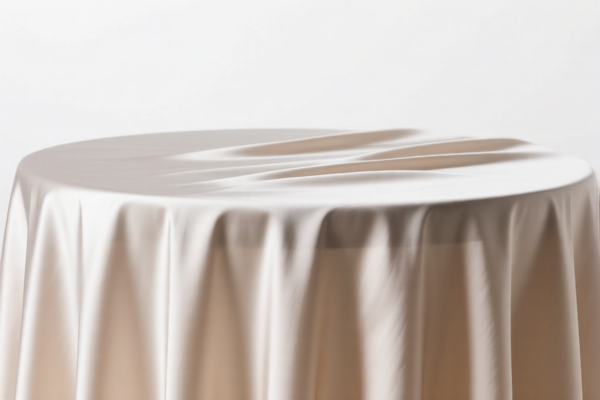
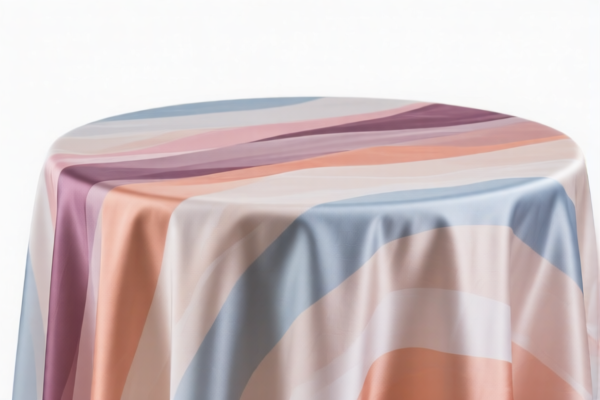
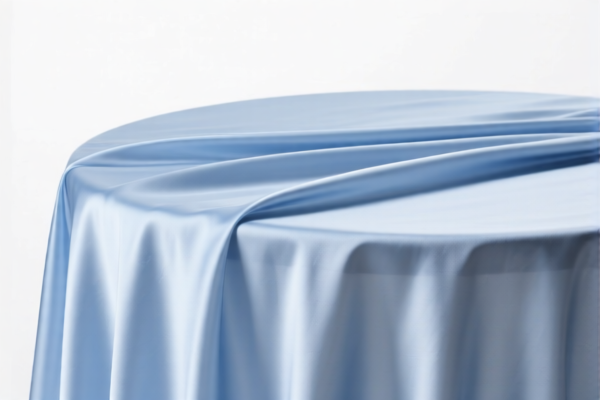
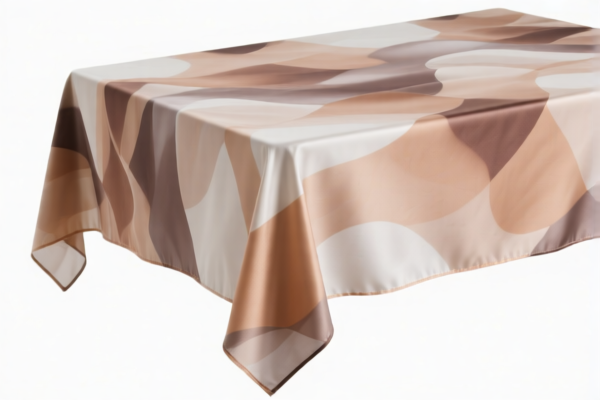
AI Analysis
🍽️ PVC Coated Textile Tablecloth: HS Code Classification & Customs Clearance Guide
🌐 HS Code Reference & Customs Strategy | 2026 Latest Tariff Analysis | Professional Clearance Tactics
📌 Part I: Product Definition & Classification – Do You Really Know "PVC Tablecloth"?
A PVC coated textile tablecloth is a versatile home textile product used in households, hotels, and restaurants. In international trade, it is primarily classified based on its material composition and manufacturing process. The key distinction lies in whether the fabric serves as a textile carrier (plastics impregnated/coated on textile) or if it is considered a finished plastic sheet/film.
⚠️ Key Classification Point:
- If the product is a textile fabric impregnated, coated, covered, or laminated with plastics (PVC) → It belongs to Chapter 59 (Impregnated, Coated, Covered or Laminated Textile Fabrics).
- If the product is considered a plastic sheet/film with a surface area suitable for table use, or a plastic article → It may fall under Chapter 39 (Plastics and Articles Thereof).
- Crucial Note: Under U.S. customs practice (and many other jurisdictions), if the textile base is merely incidental to the plastic coating, it might be classified as a plastic article. However, if the textile structure is substantial and the primary characteristic, Chapter 59 is often preferred for coated textiles. For PVC Tablecloths specifically, the provided data indicates a split based on the exact nature of the "PVC" component (fabric vs. film vs. finished article).
📦 Part II: HS Code Classification Details (2026 Latest Tariff Alignment)
| HS Code | Product Description | Applicable Scenario | Material/Process Focus |
|---|---|---|---|
5903.10.20.10 |
PVC Textile Tablecloth, Textile fabric impregnated, coated, covered or laminated with plastics | Traditional PVC-coated tablecloths where the textile base is the primary structure | ✅ Textile-based (PVC impregnated/coated) |
5903.10.20.90 |
PVC Textile Tablecloth, Other PVC textile fabrics, impregnated/coated | General PVC-coated textile tablecloths not specified in .10 | ✅ Textile-based (PVC impregnated/coated) |
3921.12.50.00 |
PVC Tablecloth, Chloropolymer films/plates | PVC film/tablecloths where the plastic sheet is the main component | ✅ Plastic-based (Film/Sheet) |
3919.10.20.55 |
PVC Tablecloth, Plastic flat articles | Plastic rolls/films or flat plastic products used as tablecloths | ✅ Plastic-based (Flat Plastic Article) |
3924.90.10.10 |
PVC Tablecloth, Plastic tablecloths | Finished plastic tablecloths, often household articles | ✅ Plastic-based (Finished Household Article) |
🔍 Critical Distinction:
- Chapter 59 (5903.10.20.x0): Applies when the product is fundamentally a textile fabric treated with PVC. The textile grain is visible and structural.
- Chapter 39 (3921,3919,3924): Applies when the product is considered a plastic product.
-3921.12: Plastic plates, sheets, film, foil, and strip.
-3919.10**: Self-adhesive plates, sheets, film, foil, tape, strip and other flat shapes. -3924.90`: Other tableware and kitchenware, of plastics.
💰 Part III: 2026 Latest Tariff Rate Breakdown (Including Additional Taxes & Policy Add-ons)
✅ Applicable Country: United States (US)
✅ Country of Origin: China (CN)
✅ Effective Date: From November 10, 2025 (including subsequent imports)
🎯 1. 5903.10.20.10 & 5903.10.20.90 – PVC Textile Tablecloths (Chapter 59)
| Item | Content |
|---|---|
| Base Tariff | 0.0% (ad valorem) |
| USITC Additional Tariff (Section 301) | +25.0% |
| Section 122 Tariff | +10.0% |
| Total Tariff Rate | 35.0% |
| Tax Calculation | CIF Value × 35% |
| De Minimis Exemption | ❌ Not Eligible (High tariff items often excluded) |
| Legal Basis Path | USITC:5903.10.20.10/90 → Section 301: Footnote 9903.88.01 → Section 122: 10% surcharge |
📌 Explanation:
- The base rate is 0%, but due to U.S. trade policies against Chinese goods, significant surcharges apply.
- Section 301 Tariff: 25% additional duty on most Chinese-manufactured goods.
- Section 122 Tariff: A separate 10% tariff applied to certain items under different legal authorities (often related to national security or specific trade remedies).
- Total: 35%. This is a moderate-to-high tariff burden.
🎯 2. 3921.12.50.00 – PVC Tablecloth (Plastic Film/Sheet)
| Item | Content |
|---|---|
| Base Tariff | 6.5% |
| USITC Additional Tariff (Section 301) | +25.0% |
| Section 122 Tariff | +10.0% |
| Total Tariff Rate | 41.5% |
| Tax Calculation | CIF Value × 41.5% |
| De Minimis Exemption | ❌ Not Eligible |
| Legal Basis Path | USITC:3921.12.50.00 → Section 301 → Section 122 |
📌 Explanation:
- Classified as a plastic film/plate, it incurs a base duty of 6.5%.
- Total: 41.5%. This is a very high tariff rate. Misclassification from Chapter 59 to Chapter 39 could increase costs significantly.
🎯 3. 3919.10.20.55 – PVC Tablecloth (Plastic Flat Article)
| Item | Content |
|---|---|
| Base Tariff | 5.8% |
| USITC Additional Tariff (Section 301) | +25.0% |
| Section 122 Tariff | +10.0% |
| Total Tariff Rate | 40.8% |
| Tax Calculation | CIF Value × 40.8% |
| De Minimis Exemption | ❌ Not Eligible |
| Legal Basis Path | USITC:3919.10.20.55 → Section 301 → Section 122 |
📌 Explanation:
- Classified as a self-adhesive or other plastic flat article.
- Total: 40.8%. Slightly lower than the film category but still very high.
🎯 4. 3924.90.10.10 – PVC Tablecloth (Plastic Tableware/Article)
| Item | Content |
|---|---|
| Base Tariff | 3.3% |
| USITC Additional Tariff (Section 301) | 0.0% (Note: Some plastic articles may have different Section 301 lists, but data shows 0% additional here) |
| Section 122 Tariff | +10.0% |
| Total Tariff Rate | 13.3% |
| Tax Calculation | CIF Value × 13.3% |
| De Minimis Exemption | ❌ Not Eligible (Check specific exclusions) |
| Legal Basis Path | USITC:3924.90.10.10 → Section 122: 10% |
📌 Explanation:
- This is the MOST COST-EFFECTIVE option in the provided data.
- Classified as "Other tableware and kitchenware, of plastics."
- Base Rate: 3.3% + Section 122: 10% = 13.3%.
- Key Advantage: No Section 301 tariff (25%) applied here in this specific dataset, resulting in a much lower total duty.
- Strategy: If the product can be legitimately classified as a "plastic tableware article" rather than a "coated textile" or "plastic film," this classification offers significant savings.
🛠️ Part IV: Customs Clearance Practical Advice (Real-World Pitfall Guide)
✅ 1. Documentation Checklist (Non-negotiable)
| Document | Must Provide | Explanation |
|---|---|---|
| ✅ Product Specification Sheet | ✔️ | Detailed composition: % of PVC, % of textile, coating thickness. |
| ✅ Product Photos | ✔️ | Clear images showing texture (is it fabric or smooth plastic?). |
| ✅ Commercial Invoice | ✔️ | Accurate description: Avoid vague terms like "Tablecloth." Use "PVC-Coated Textile Tablecloth" or "Plastic Tablecloth." |
| ✅ Packing List | ✔️ | Include HS Code if known. |
| ✅ Certificate of Origin | ✔️ | Mandatory for US imports to confirm Chinese origin for tariff calculation. |
| ✅ Material Test Report | ✔️ | To prove if the product is primarily textile or plastic. |
✅ 2. Declaration Tips (Key Mnemonics)
🔥 “Textile Base = Ch.59 (35%); Plastic Film = Ch.39 (40%+); Plastic Tableware = Ch.39 (13%)”
| Scenario | Correct Declaration | Wrong Practice |
|---|---|---|
| Fabric feel, PVC coating | 5903.10.20.x0 (Textile-based) |
Declare as plastic film → 40%+ |
| Smooth plastic, no fabric | 3921.12.50.00 or 3924.90.10.10 |
Declare as textile → 35% |
| Household plastic tablecloth | 3924.90.10.10 (If applicable) |
Missed opportunity for 13.3% rate |
✅ 3. Special Case Handling
| Situation | Recommendation |
|---|---|
| OEM Custom Tablecloths | Provide client specs to prove intended use (household vs. industrial). Household use supports 3924. |
| Mixed Material (Fabric + Plastic) | If the fabric provides the main structure, 5903 is safer. If plastic dominates, 3924 might be argued. |
| Section 122 Applicability | Verify if 3924.90.10.10 is exempt from Section 301 in the current ruling. The data shows 0% Section 301, which is critical. |
| De Minimis (800 USD) | High-value commercial shipments cannot use de minimis. Ensure proper commercial entry. |
🌍 Part V: Global Market Customs Comparison (2026)
| Country/Region | Recommended HS Code | Tariff (China Origin) | Certification | Notes |
|---|---|---|---|---|
| 🇺🇸 USA | 3924.90.10.10 (if applicable) |
13.3% | None specific | Lowest tariff option in data |
| 🇺🇸 USA | 5903.10.20.x0 |
35.0% | None specific | Standard for coated textiles |
| 🇨🇳 China | 3924.90.10.10 |
10% (Import Duty) | CCC (if applicable) | No 301/122 tariffs |
| 🇪🇺 EU | 5903.10.20 |
6.5% + VAT | CE (if applicable) | Lower base duty, but VAT applies |
| 🇬🇧 UK | 3924.90 |
6.5% + VAT | UKCA | Post-Brexit rules apply |
📌 Conclusion:
- USA: The 13.3% rate for3924.90.10.10is significantly cheaper than the 35% or 40%+ rates for other classifications.
- Strategy: If the product can be reasonably defined as "plastic tableware" rather than "coated textile," pursue3924.90.10.10.
- Risk: Misclassification penalties are severe. Ensure the product genuinely fits the "plastic article" description.
📌 Part VI: Common Errors & Pitfalls (Lessons Learned)
❌ Error 1: Declaring a textile-based PVC tablecloth as 3924.90.10.10 without evidence.
👉 Consequence: Customs may reject the classification, backcharge 27% difference (35% - 13.3%), plus penalties.
❌ Error 2: Declaring a plastic film tablecloth as 5903.10.20.x0.
👉 Consequence: Unnecessary 4.5% - 5.5% cost increase compared to optimal plastic classification, but lower risk than over-claiming.
❌ Error 3: Ignoring Section 122 Tariff.
👉 Consequence: All items in the dataset incur an additional 10%. Failing to account for this leads to budget shortfalls.
✅ Correct Approach:
“PVC Tablecloth, Plastic Material, for Household Use, Model XYZ” for
3924.90.10.10
OR
“PVC-Coated Textile Tablecloth, 100% Cotton Backing, PVC Coated” for5903.10.20.10
🎯 Part VII: Conclusion – Professional Declaration, Cost Optimization
🎯 Remember the Mnemonic:
🔹 “Textile Base = 35% (5903); Plastic Film = 40%+ (3921/3919); Plastic Tableware = 13.3% (3924)”
🔹 “Classify as Plastic Tableware if possible to save 22%! But prove it!”
📌 Tips:
- If your tablecloth is primarily plastic (smooth, non-fabric feel), argue for 3924.90.10.10.
- If it is primarily fabric (textile grain visible), accept 5903.10.20.x0.
- Pre-ruling: Consider applying for an Advance Ruling from CBP if the classification is ambiguous.
📣 Immediate Action:
📞 Contact a professional customs broker + Provide product photos + Verify if
3924.90.10.10applies
🚀 Optimize your tariff, avoid penalties, and boost your profit margin!
✨ Professional Clearance, Starting from Accurate Classification!
💼 Every cent of cost deserves precise calculation!
Customer Reviews
About HS Code Classification
The Harmonized System (HS) is an internationally standardized nomenclature developed by the World Customs Organization (WCO) to classify traded products. Over 200 countries use the HS system as the basis for customs tariffs, trade statistics, and import/export regulations.
Each HS code follows a hierarchical structure:
- Chapter (2 digits) — Broad category of goods (e.g., Chapter 84: Machinery and Mechanical Appliances)
- Heading (4 digits) — More specific grouping within the chapter
- Subheading (6 digits) — Internationally standardized breakdown, used by all WCO member countries
- National subdivisions (8-10 digits) — Country-specific extensions for further classification, such as US HTSUS 10-digit codes
Correct HS code classification is essential for smooth customs clearance, accurate duty payment, and compliance with trade regulations. Misclassification can lead to customs delays, overpayment of duties, or penalties.
When importing from CN to US, the applicable tariff rates may include:
- Most-Favored-Nation (MFN) rate — The standard duty rate applied to WTO members
- General rate — Applied to countries without trade agreements
- Trade remedy duties — Additional tariffs such as Section 301 (anti-dumping), Section 232 (national security), or countervailing duties
The information provided on this page is for reference purposes only. For official classification, please consult with your local customs authority or a licensed customs broker.