PVC Coated Woven Wall Cloth
CN → US| HS Code | Tariff Rate | Origin | Destination | Doc |
|---|---|---|---|---|
| 5903102090 | 35.0% | CN | US | Official Doc |
| 3921121500 | 41.5% | CN | US | Official Doc |
| 3921121950 | 40.3% | CN | US | Official Doc |
| 5903102500 | 42.5% | CN | US | Official Doc |
| 5903102090 | 35.0% | CN | US | Official Doc |
Product Images
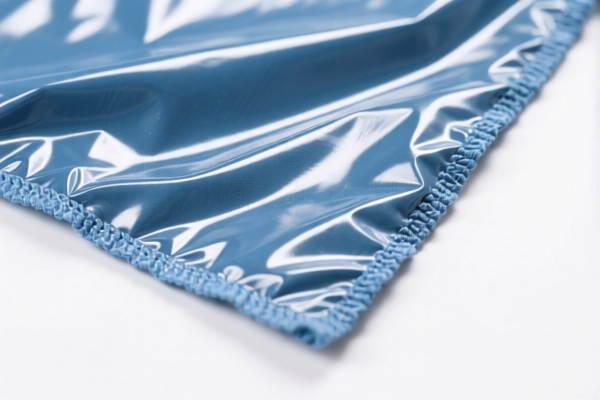
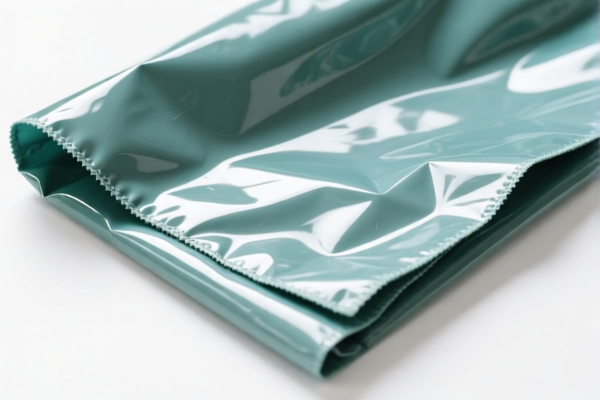
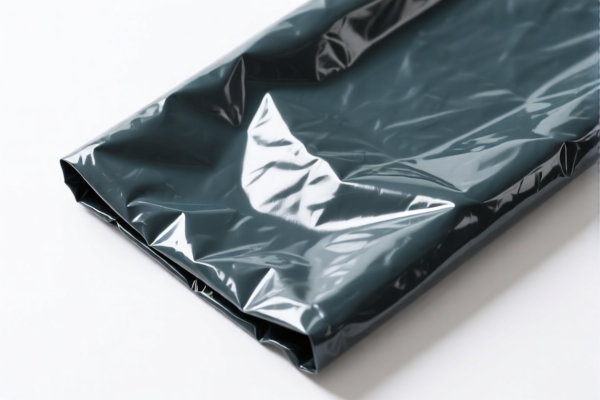
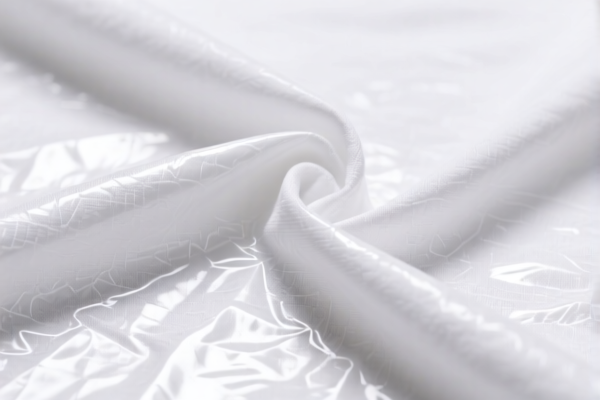
AI Analysis
🧱 PVC Coated Woven Wall Cloth (Wall Coverings & Decorative Materials)
🌐 HS Code Reference & Customs Clearance Guide | 2026 Latest Tariff Full Analysis | Professional Clearance Strategy
📌 I. Product Definition & Classification: Do You Really Understand "PVC Coated Woven Wall Cloth"?
PVC Coated Woven Wall Cloth refers to textile materials (usually knitted or woven fabrics) impregnated, coated, covered, or laminated with polyvinyl chloride (PVC). These materials are primarily used as wall coverings, decorative wall panels, or interior finishing materials.
In international trade, its classification hinges on the primary material characteristic and processing method: - If classified as Textile Material: When the fabric substrate is significant, and the PVC layer is considered a coating/impregnation for textile use → Chapter 59. - If classified as Plastic Product: When the product is considered a plastic sheet/film/foil, even if reinforced with fabric → Chapter 39.
⚠️ Key Distinction Point:
- If the product is described as "Woven Wall Cloth Material" or emphasizes textile application with PVC coating/impregnation → Likely 5903.10.
- If the product is described as "PVC Coated Knitted Fabric" or emphasizes plastic sheet/film form → Likely 3921.12.
📦 II. HS Code Classification Details (2026 Latest Tariff Authoritative Comparison)
Based on the provided data, here are the specific HS Codes and their corresponding explanations:
| HS Code | Product Description & Summary | Application Context | Primary Material Form |
|---|---|---|---|
5903.10.20.90 |
PVC Coated Knitted Wall Cloth or PVC Woven Wall Decor Material: Matches PVC material, coating/weaving form, and textile fabric application. | Wall coverings, decorative walls, textile-based applications | Textile + PVC Coating |
3921.12.15.00 |
PVC Coated Knitted Wall Cloth: Matches PVC material, plastic sheet/film/board form combined with textile, and knitted fabric characteristics. | Decorative boards, plastic-textile composite panels | Plastic Sheet + Knitted Fabric |
3921.12.19.50 |
PVC Coated Knitted Wall Cloth: Matches vinyl polymer material, knitted fabric & plastic combined form, and board/film classification. | Wall panels, film-like decorative materials | Plastic Board/Film |
5903.10.25.00 |
PVC Coated Knitted Wall Cloth: Matches PVC material, impregnated/coated/laminated form, and textile fabric definition. | Textile wall coverings, impregnated fabrics | Textile + Impregnated PVC |
5903.10.20.90 |
PVC Woven Wall Decor Material: Matches PVC material, woven form, and impregnated/coated/laminated textile fabric category. | Woven wall decorations, textile applications | Woven Textile + PVC Coating |
🔍 Key Reminder:
- 5903.10 codes emphasize textile fabric characteristics with PVC treatment (impregnated/coated/laminated).
- 3921.12 codes emphasize plastic sheet/film/plate characteristics, even if they contain knitted fabric reinforcement.
- Do not misclassify based solely on the presence of fabric; look at the primary character of the finished good.
💰 III. 2026 Latest Tariff Rate Details (Including Additional Taxes & Policy Add-ons)
✅ Applicable Country: United States (US)
✅ Country of Origin: China (CN)
✅ Effective Date: From November 10, 2025 (including subsequent imports)
🎯 1. 5903.10.20.90 — PVC Coated Knitted Wall Cloth / PVC Woven Wall Decor Material
| Item | Content |
|---|---|
| Base Tariff Rate | 0% (ad valorem) |
| Section 301 Additional Tariff | +25% (from USITC Footnote) |
| Section 122 Additional Tariff | +10% (Specific to this category) |
| Total Tariff Rate | 35.0% |
| Tax Calculation | CIF Value × 35% |
| De Minimis Exemption | ❌ Not Available (deny_de_minimis) |
| Legal Basis Path | Base: 0% → Section 301: 25% → Section 122: 10% |
📌 Explanation:
- "Base Tariff 0%": The base MFN rate for these textile-plastic composites is low.
- "Section 301 25%": Standard additional tariff for Chinese goods under US trade law.
- "Section 122 10%": Specific additional tariff applicable to this subheading.
- Total 35%: A significant cost factor that must be pre-calculated.
🎯 2. 3921.12.15.00 — PVC Coated Knitted Wall Cloth (Plastic Sheet Form)
| Item | Content |
|---|---|
| Base Tariff Rate | 6.5% (ad valorem) |
| Section 301 Additional Tariff | +25% (from USITC Footnote) |
| Section 122 Additional Tariff | +10% (Specific to this category) |
| Total Tariff Rate | 41.5% |
| Tax Calculation | CIF Value × 41.5% |
| De Minimis Exemption | ❌ Not Available (deny_de_minimis) |
| Legal Basis Path | Base: 6.5% → Section 301: 25% → Section 122: 10% |
📌 Note:
- Higher base tariff (6.5%) compared to textile-based classification (0%).
- Total burden is higher due to the base rate.
🎯 3. 3921.12.19.50 — PVC Coated Knitted Wall Cloth (Plastic Board/Film)
| Item | Content |
|---|---|
| Base Tariff Rate | 5.3% (ad valorem) |
| Section 301 Additional Tariff | +25% (from USITC Footnote) |
| Section 122 Additional Tariff | +10% (Specific to this category) |
| Total Tariff Rate | 40.3% |
| Tax Calculation | CIF Value × 40.3% |
| De Minimis Exemption | ❌ Not Available (deny_de_minimis) |
| Legal Basis Path | Base: 5.3% → Section 301: 25% → Section 122: 10% |
📌 Note:
- Slightly lower base rate than3921.12.15.00.
- Still subject to the same additional taxes.
🎯 4. 5903.10.25.00 — PVC Coated Knitted Wall Cloth (Impregnated/Coated)
| Item | Content |
|---|---|
| Base Tariff Rate | 7.5% (ad valorem) |
| Section 301 Additional Tariff | +25% (from USITC Footnote) |
| Section 122 Additional Tariff | +10% (Specific to this category) |
| Total Tariff Rate | 42.5% |
| Tax Calculation | CIF Value × 42.5% |
| De Minimis Exemption | ❌ Not Available (deny_de_minimis) |
| Legal Basis Path | Base: 7.5% → Section 301: 25% → Section 122: 10% |
📌 Note:
- Highest total tariff rate among the listed options.
- Classification as "impregnated/coated" may trigger higher base rates.
🛠️ IV. Customs Clearance Practical Advice (Practical Pitfall Avoidance Guide)
✅ 1. Required Documentation Checklist (None can be missed)
| Document | Must Provide | Description |
|---|---|---|
| ✅ Product Specification Sheet | ✔️ | Includes material composition (PVC %, Fabric Type), coating weight, thickness, width. |
| ✅ Product Photos (with Label) | ✔️ | Clear images of the fabric texture, coating side, and any brand/label info. |
| ✅ Commercial Invoice | ✔️ | Clearly state "PVC Coated Woven Wall Cloth" or "PVC Coated Knitted Wall Covering". |
| ✅ Packing List | ✔️ | Detail roll length, width, weight, and packaging type. |
| ✅ Origin Certificate (CO) | ✔️ | If non-China origin, to potentially avoid Section 301 tariffs. |
| ✅ Third-party Test Report | ✔️ | Flammability, toxicity, and material composition reports (if required by buyer). |
✅ 2. Declaration Tips (Key Mantras)
🔥 "Know Your Form: Woven/Knitted vs. Plate/Film, Name Precisely, Tax Rate Half!"
| Scenario | Correct Declaration Method | Wrong Practice |
|---|---|---|
| Emphasis on Woven/Knitted Fabric + PVC Coating | 5903.10.20.90 (35%) or 5903.10.25.00 (42.5%) |
Misdeclare as plastic sheet → Higher base tax |
| Emphasis on Plastic Sheet/Film + Fabric Reinforcement | 3921.12.15.00 (41.5%) or 3921.12.19.50 (40.3%) |
Misdeclare as textile → Risk of reclassification & penalties |
| General "Wall Covering" | Specify material clearly: "PVC Coated Woven Wall Cloth" | Vague description → Customs delay |
| OEM Custom Wall Cloth | Provide client order + design specs | Generic name only → Risk of dispute |
📌 Critical Point:
- If the product is woven, lean towards5903.10.20.90if it's primarily a textile.
- If the product is knitted and considered a plastic sheet, lean towards3921.12.
- Consistency between the product name, description, and HS code is crucial.
✅ 3. Special Case Handling
| Scenario | Handling Advice |
|---|---|
| Mixed Materials | If fabric content is >50% by weight, consider 5903 codes. |
| Non-China Origin | If manufactured in Vietnam, Thailand, etc., apply for Section 301 Exemption (0-5% total). |
| Pre-Ruling | Strongly recommend applying for an Advance Ruling from CBP to confirm HS Code before shipment. |
| Labeling | Ensure labels comply with US textile/plastic labeling laws (Fiber content, Country of Origin). |
🌍 V. Global Main Market Customs Clearance Comparison (2026 Latest)
| Country/Region | Recommended HS Code | Tariff | Certification Requirements | Remarks |
|---|---|---|---|---|
| 🇺🇸 USA | 5903.10.20.90 or 3921.12.15.00 |
35%-42.5% (China) | None specific, but material proof needed | High tariff burden |
| 🇨🇳 China | 5903.10.20.90 or 3921.12.15.00 |
5%-7.5% | CCC (if applicable) | Low base tariff |
| 🇪🇺 EU | 5903.10 or 3921.12 |
0%-6.5% | REACH, RoHS | No additional tariffs |
| 🇦🇺 Australia | 5903.10 or 3921.12 |
5% | None specific | Moderate tariff |
| 🇯🇵 Japan | 5903.10 or 3921.12 |
0%-6% | PSE (if electrical components) | Low tariff |
📌 Conclusion:
- USA imposes the highest tariffs due to Section 301 and Section 122.
- EU and Asia have much lower tariff burdens, making them more cost-effective markets.
- Consider supply chain diversification to non-China origins to avoid US tariffs.
📌 VI. Common Errors & Pitfall Avoidance Guide (Lessons Learned)
❌ Error 1: Using "Wall Cloth" without specifying "PVC Coated" or "Woven/Knitted"
👉 Consequence: Customs may misclassify, leading to additional duties or delays.
❌ Error 2: Misclassifying as "General Textile" without mentioning PVC
👉 Consequence: If deemed plastic, base tariff is higher; if deemed textile, may be rejected for non-compliance.
❌ Error 3: Ignoring Section 122 Tariff
👉 Consequence: Underestimating total cost by 10%.
❌ Error 4: Using "De Minimis" for shipments under $800
👉 Consequence: Denied for these HS codes! Must pay full tariffs.
✅ Correct Practice:
"PVC Coated Woven Wall Cloth, 1.2m Width, 0.5mm Thickness, Roll Packaging, China Origin, for Interior Wall Decoration"
🎯 VII. Conclusion: Precise Declaration, Time-Saving, Cost-Reducing!
🎯 Remember the Mantra:
🔹 "Woven/Knitted vs. Plate, Name Precisely, Tax Rate Half!"
🔹 "HS Code Determines Life, Tariff Differs by Points, Declaration Error, Thousands Lost!"
📌 Tips:
If your PVC Coated Wall Cloth is manufactured in Vietnam, Mexico, Thailand, or Malaysia, you can apply for Section 301 Exemption, reducing the total tariff to 0%-5%.
Strongly recommend applying for an Advance Ruling (Pre-Ruling) to avoid clearance risks.
📣 Immediate Action:
📞 Contact a professional customs broker + Provide Product Photos + Apply for HS Code Pre-Ruling
🚀 Let your PVC Coated Wall Cloth clear smoothly, export efficiently, and double profits!
✨ Professional Customs Clearance Starts with Accurate Classification!
💼 Every Cent of Your Cost Deserves to Be Precisely Calculated!
Customer Reviews
About HS Code Classification
The Harmonized System (HS) is an internationally standardized nomenclature developed by the World Customs Organization (WCO) to classify traded products. Over 200 countries use the HS system as the basis for customs tariffs, trade statistics, and import/export regulations.
Each HS code follows a hierarchical structure:
- Chapter (2 digits) — Broad category of goods (e.g., Chapter 84: Machinery and Mechanical Appliances)
- Heading (4 digits) — More specific grouping within the chapter
- Subheading (6 digits) — Internationally standardized breakdown, used by all WCO member countries
- National subdivisions (8-10 digits) — Country-specific extensions for further classification, such as US HTSUS 10-digit codes
Correct HS code classification is essential for smooth customs clearance, accurate duty payment, and compliance with trade regulations. Misclassification can lead to customs delays, overpayment of duties, or penalties.
When importing from CN to US, the applicable tariff rates may include:
- Most-Favored-Nation (MFN) rate — The standard duty rate applied to WTO members
- General rate — Applied to countries without trade agreements
- Trade remedy duties — Additional tariffs such as Section 301 (anti-dumping), Section 232 (national security), or countervailing duties
The information provided on this page is for reference purposes only. For official classification, please consult with your local customs authority or a licensed customs broker.