PVC Composite Mesh Wallpaper
CN → US| HS Code | Tariff Rate | Origin | Destination | Doc |
|---|---|---|---|---|
| 3921121100 | 39.2% | CN | US | Official Doc |
| 3921121500 | 41.5% | CN | US | Official Doc |
| 3214905000 | 38.25% | CN | US | Official Doc |
| 3214100090 | 38.7% | CN | US | Official Doc |
Product Images
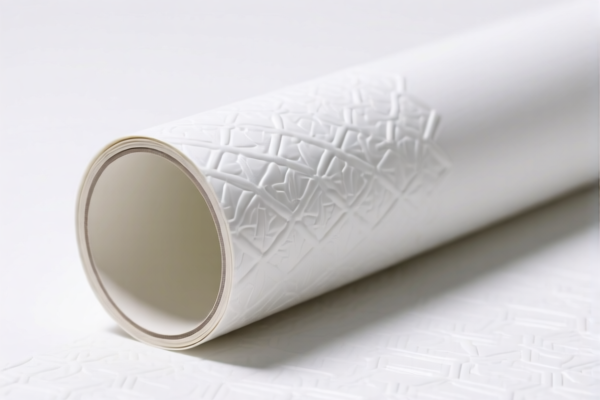
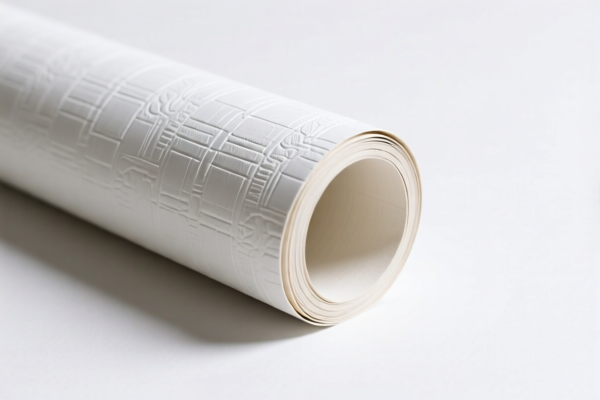
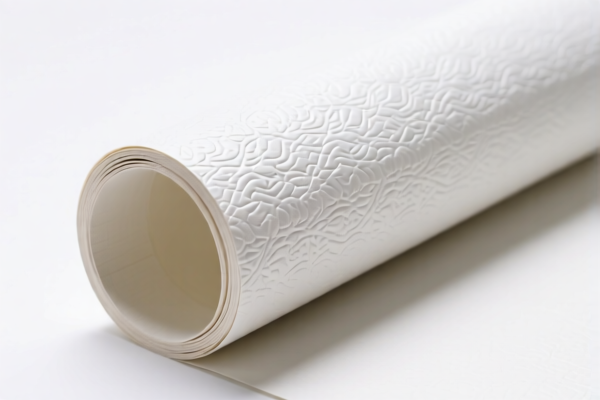
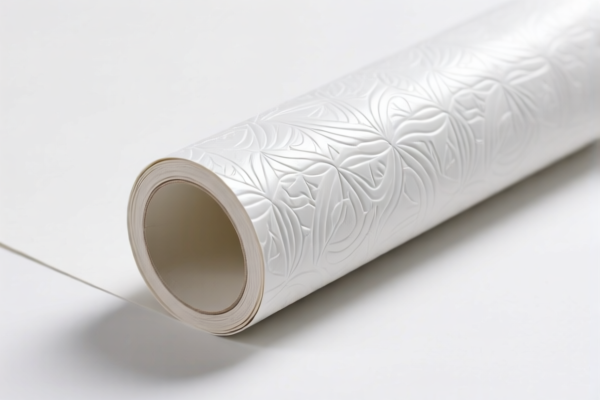
AI Analysis
🖼️ PVC Composite Mesh Wallpaper
🌐 HS Code Reference & Customs Clearance Guide | 2026 Latest Tariff Analysis | Professional-Level Entry Strategy
📌 I. Product Definition and Classification: What Exactly Is "PVC Composite Mesh Wallpaper"?.
PVC Composite Mesh Wallpaper is a decorative building material primarily composed of polyvinyl chloride (PVC) polymers combined with textile fibers (mesh). In international trade, its classification depends heavily on the manufacturing process and material composition structure.
Key Distinctions: 1. Cellular PVC with Textile Composite: If the product is a cellular (foamed) PVC sheet laminated or co-extruded with textile mesh to provide structural stability and texture. 2. Pure Textile/Paper Base with PVC Coating: If the base is primarily textile or paper with a thin PVC surface layer (different HS codes apply, but based on the provided data, we focus on the PVC composite aspect).
⚠️ Critical Classification Point:
- If the product is "Cellular PVC combined with textile materials" where man-made fibers predominate, it falls under Chapter 39 (Plastics).
- If it is simply "Caulking compounds or mastics" used for sealing/jointing around the wallpaper or walls, it falls under Chapter 32.
📦 II. HS Code Classification Details (2026 Latest Tariff Authority Comparison)
Based on the provided <DATA>, here are the specific HS Codes and tax implications for products related to PVC composite materials and wall treatments.
| HS Code | Product Description | Application Scenario | Material Structure |
|---|---|---|---|
3921.12.11.00 |
Cellular PVC plates/sheets combined with textile materials; Man-made fibers predominate; >70% plastics by weight | Decorative wall coverings, PVC mesh wallpapers, textured PVC boards | ✅ Yes: Cellular PVC + Textile Mesh |
3921.12.15.00 |
Cellular PVC plates/sheets combined with textile materials; Other (not >70% plastics or different fiber ratio) | Alternative PVC wall coverings, mixed-material composites | ✅ Yes: Cellular PVC + Textile Mesh |
3214.90.50.00 |
Other mastics, caulking compounds, resin cements (non-refractory) | Wall sealants, joint fillers, adhesive mastics used with wallpaper installation | ❌ No: Chemical paste/mastic, not a sheet |
3214.10.00.90 |
Glazier’s putty, painters’ fillings, other mastics/fillings | Painters’ putty, filler pastes for wall smoothing | ❌ No: Non-cellular filler/putty |
🔍 Key Insight:
- PVC Composite Mesh Wallpaper is most accurately classified under3921.12.11.00if it is a cellular PVC sheet with a textile backing/mesh and constitutes over 70% plastic by weight.
- If the plastic content is ≤70% or the structure differs, it may fall under3921.12.15.00.
- Do NOT confuse it with3214codes, which are for putties and caulks, not decorative wall coverings.
💰 III. 2026 Latest Tariff Rate Breakdown (Including Additional Taxes)
✅ Applicable Country: United States (US)
✅ Origin: China (CN)
✅ Effective Date: 2025-11-10 (and onwards)
🎯 1. 3921.12.11.00 —— Cellular PVC Plates/Sheets Combined with Textile (>70% Plastic)
| Item | Content |
|---|---|
| Base Tariff | 4.2% (ad valorem) |
| Section 301 Additional Tariff | +25.0% (USITC Footnote 9903.88.01 / IEEPA) |
| Total Tariff Rate | 29.2% |
| Tax Calculation | CIF Value × 29.2% |
| De Minimis Exemption | ❌ Not Eligible (Deny De Minimis) |
| Legal Basis Path | IEEPA:9903.01.25 → USITC:3921.12.11.00 → FOOTNOTE:9903.88.01 |
📌 Explanation:
- This code attracts a high tariff burden due to the "Plastic + Textile" composite nature.
- The 25% additional tariff is applied on top of the 4.2% base, making total duties 29.2%.
- This is a significant cost factor for exporters.
🎯 2. 3921.12.15.00 —— Cellular PVC Plates/Sheets Combined with Textile (Other)
| Item | Content |
|---|---|
| Base Tariff | 0.0% |
| Section 301 Additional Tariff | +0.0% |
| Total Tariff Rate | 0.0% |
| Tax Calculation | No Duty |
| De Minimis Exemption | ✅ Eligible (if value < $800) |
| Legal Basis Path | USITC:3921.12.15.00 |
📌 Note:
- This code has 0% total tax, offering a massive cost advantage.
- How to qualify? The product must not exceed 70% plastic by weight, or must have a different textile composition that excludes the "man-made fiber predominant" clause under11.
- Risk: Misclassification from3921.12.11.00to3921.12.15.00is a common audit target. Ensure technical data sheets support the plastic/content ratio.
🎯 3. 3214.90.50.00 & 3214.10.00.90 —— Putties, Mastics, Fillings
| Item | Content |
|---|---|
| Base Tariff | 3.25% (for 3214.90.50) / 0.0% (for 3214.10.00) |
| Section 301 Additional Tariff | +25.0% (for 3214.90.50) / 0.0% (for 3214.10.00) |
| Total Tariff Rate | 28.25% (for 3214.90.50) / 0.0% (for 3214.10.00) |
📌 Clarification:
- These codes are for chemical sealants and fillers, NOT for PVC wallpaper sheets.
- If you ship PVC Wallpaper, do not use these codes. It will cause customs delays and penalties.
- If you ship adhesive paste for the wallpaper, use3214.90.50.00(28.25% tax).
🛠️ IV. Customs Clearance Practical Advice (Avoiding Pitfalls)
✅ 1. Preparation Checklist (Mandatory)
| Document | Required | Notes |
|---|---|---|
| ✅ Product Specification Sheet | ✔️ | Must detail: % PVC content, % textile content, cellular vs. non-cellular structure. |
| ✅ Composition Analysis Report | ✔️ | Third-party lab report confirming plastic weight percentage (>70% or <70%). |
| ✅ Product Photos | ✔️ | Show cross-section to prove cellular structure and textile mesh layer. |
| ✅ Commercial Invoice | ✔️ | Clearly state: "PVC Composite Wallpaper, Cellular, Textile Backed." |
| ✅ HS Code Pre-Ruling | ✔️ | Highly recommended for 3921.12.11.00 vs. 3921.12.15.00 distinction. |
✅ 2. Classification Strategy (Critical Tip)
🔥 “Plastic Ratio is King: >70% means 29.2%, ≤70% means 0%!”
| Scenario | Correct HS Code | Tariff | Action |
|---|---|---|---|
| PVC Wallpaper with >70% plastic by weight, cellular structure, man-made fiber mesh | 3921.12.11.00 |
29.2% | Expect high duty; plan cost accordingly. |
| PVC Wallpaper with ≤70% plastic by weight, or non-cellular | 3921.12.15.00 |
0.0% | Optimize formulation to fall into this category if possible. |
| Wall Sealant/Putty used during installation | 3214.90.50.00 |
28.25% | Declare separately from wallpaper. |
| Painter’s Filling/Putty (non-resin) | 3214.10.00.90 |
0.0% | Only if non-refractory and non-resin. |
📌 Warning:
- Do not misdeclare PVC Wallpaper as "Putty" (3214) to avoid tariffs. Customs can easily identify PVC sheets via X-ray or visual inspection.
- Do not misdeclare3921.12.11.00as3921.12.15.00without proper documentation. If audited, you will owe back taxes + penalties.
✅ 3. Special Cases
| Situation | Handling Advice |
|---|---|
| Sample Shipments (<$800) | If classified under 3921.12.15.00, eligible for de minimis (0% duty). If 3921.12.11.00, not eligible. |
| Mixed Containers (Wallpaper + Putty) | Declare separately! Wallpaper under 3921, Putty under 3214. Mixing leads to rejection. |
| Non-Cellular PVC Film | If not cellular, it may fall under different 3921 subheadings not listed here. Verify structure. |
| Vinyl Flooring | Often confused with wallpaper. Flooring may have different HS codes (e.g., 3918). Ensure correct description. |
🌍 V. Global Market Clearance Comparison (2026 Latest)
| Country/Region | Recommended HS Code | Tariff (China Origin) | Notes |
|---|---|---|---|
| 🇺🇸 USA | 3921.12.11.00 |
29.2% | High tariff due to Section 301. |
| 🇺🇸 USA | 3921.12.15.00 |
0.0% | Potential cost-saving if composition qualifies. |
| 🇪🇺 EU | 3921.12 |
6.5% | No additional Section 301 taxes. |
| 🇨🇳 China | 3921.12 |
6.0% | Domestic import tariff. |
| 🇬🇧 UK | 3921.12 |
6.5% | Post-Brexit tariff structure. |
📌 Conclusion:
- USA is the most challenging market due to the 29.2% effective rate for standard PVC mesh wallpaper.
- EU and UK have moderate tariffs (~6.5%) but no additional punitive taxes.
- Optimization Opportunity: Consider adjusting product formulation to fall under3921.12.15.00(0% tax) if technically feasible.
📌 VI. Common Errors & Pitfalls (Lessons Learned)
❌ Error 1: Declaring PVC Wallpaper as "Putty" (3214) to avoid high duties.
👉 Consequence: Customs inspection reveals PVC sheet → Confiscation + Fine.
❌ Error 2: Assuming all PVC wallpaper is 29.2% tax.
👉 Consequence: Missed opportunity to qualify for 0% tax under 3921.12.15.00 by misjudging plastic content.
❌ Error 3: Mixing wallpaper and sealant in one HS Code declaration.
👉 Consequence: Customs rejects mixed classification → Delay in clearance.
✅ Correct Practice:
“PVC Composite Wallpaper, Cellular Structure, Textile Mesh Backing, Plastic Content: 75% by Weight, Model XYZ, USITC Code: 3921.12.11.00”
🎯 VII. Conclusion: Precise Classification, Cost Optimization!
🎯 Remember the Key Rules:
🔹 “Cellular PVC + Textile = Chapter 39”
🔹 “>70% Plastic = 29.2% Tax (USA)”
🔹 “≤70% Plastic = 0% Tax (USA)”
🔹 “Putty is NOT Wallpaper – Separate Declarations!”
📌 Pro Tip:
If your PVC wallpaper cannot reduce plastic content to ≤70%, consider:
1. Supply Chain Adjustment: Source from non-China countries (e.g., Vietnam, Thailand) to avoid Section 301 taxes.
2. Pre-Ruling: Apply for an Advance Ruling with US Customs to confirm3921.12.11.00classification and avoid disputes.
📣 Immediate Action:
📞 Contact a Customs Broker + Provide Lab Test Results for Plastic Content
🚀 Optimize Product Composition to qualify for 0% tax if possible!
✨ Professional Customs Clearance Starts with Precise Classification!
💼 Every Dollar Saved in Tariffs is Pure Profit!
Customer Reviews
About HS Code Classification
The Harmonized System (HS) is an internationally standardized nomenclature developed by the World Customs Organization (WCO) to classify traded products. Over 200 countries use the HS system as the basis for customs tariffs, trade statistics, and import/export regulations.
Each HS code follows a hierarchical structure:
- Chapter (2 digits) — Broad category of goods (e.g., Chapter 84: Machinery and Mechanical Appliances)
- Heading (4 digits) — More specific grouping within the chapter
- Subheading (6 digits) — Internationally standardized breakdown, used by all WCO member countries
- National subdivisions (8-10 digits) — Country-specific extensions for further classification, such as US HTSUS 10-digit codes
Correct HS code classification is essential for smooth customs clearance, accurate duty payment, and compliance with trade regulations. Misclassification can lead to customs delays, overpayment of duties, or penalties.
When importing from CN to US, the applicable tariff rates may include:
- Most-Favored-Nation (MFN) rate — The standard duty rate applied to WTO members
- General rate — Applied to countries without trade agreements
- Trade remedy duties — Additional tariffs such as Section 301 (anti-dumping), Section 232 (national security), or countervailing duties
The information provided on this page is for reference purposes only. For official classification, please consult with your local customs authority or a licensed customs broker.