PVC Composite Textile Display Boards
CN → US| HS Code | Tariff Rate | Origin | Destination | Doc |
|---|---|---|---|---|
| 3925900000 | 40.3% | CN | US | Official Doc |
| 3925200091 | 22.8% | CN | US | Official Doc |
| 3921121100 | 39.2% | CN | US | Official Doc |
| 3921121950 | 40.3% | CN | US | Official Doc |
| 5907006000 | 35.0% | CN | US | Official Doc |
Product Images
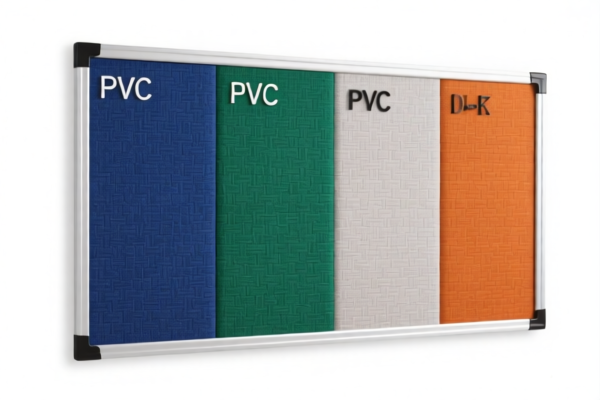
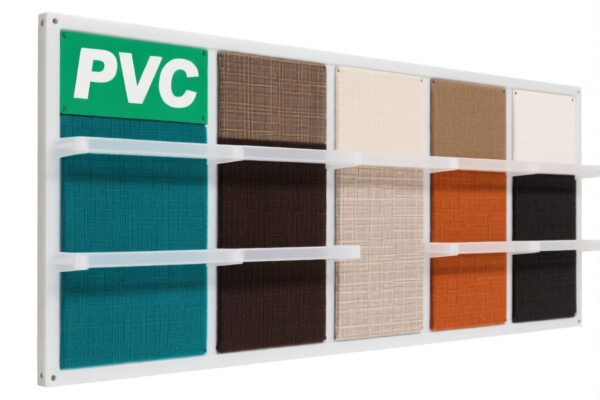
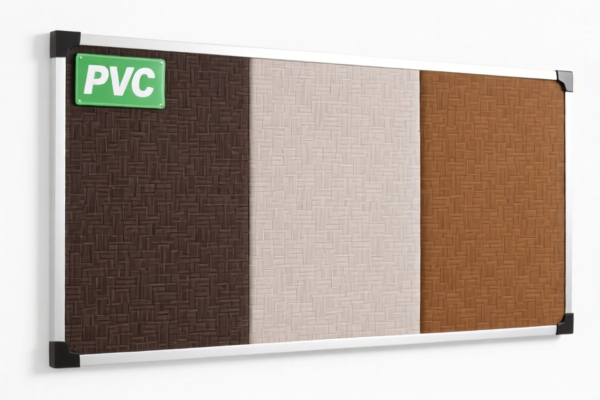
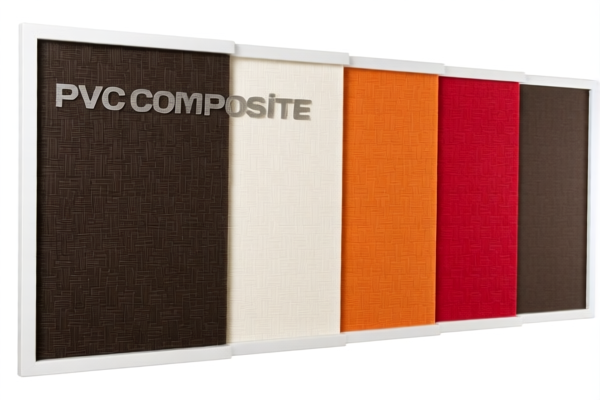
AI Analysis
🧱 PVC Composite Textile Display Boards
🌐 HS Code Reference & Customs Clearance Guide | 2026 Latest Tariff Analysis | Strategic Clearance Strategy
📌 I. Product Definition & Classification: What Exactly Are "PVC Composite Textile Display Boards"?
PVC Composite Textile Display Boards are versatile construction and display materials characterized by a multi-layer structure. They typically consist of: * Core Material: PVC (Polyvinyl Chloride) plastic for rigidity, waterproofing, and durability. * Surface/Integration: Composite with textile fibers or fabrics to enhance tensile strength, flexibility, or aesthetic finish. * Form Factor: Rigid boards, panels, or strips used for architectural components, signage, or interior decoration.
⚠️ Critical Distinction:
- If the product is primarily a rigid architectural structural panel (e.g., wall cladding, ceiling tile), it may fall under Chapter 39 (Plastics).
- If the product is primarily a textile fabric coated/impregnated with PVC for display purposes, it may fall under Chapter 59 (Impregnated Textile Fabrics).
- Key Factor: The primary characteristic imparted by the material (Plastic vs. Textile) determines the classification.
📦 II. HS Code Classification Details (2026 Latest Tariff Authoritative Comparison)
Based on the provided data, here are the specific HS Codes applicable to PVC Composite Textile Display Boards:
| HS Code | Product Description | Application Scenario | Classification Basis |
|---|---|---|---|
3925.90.00.00 |
PVC Composite Fiber Structure Board, Material: PVC Plastic, Form: Building Component Structural Board | Architectural wall panels, ceiling structures, rigid display walls | ✅ Classified as Plastic Structural Component |
3925.20.00.91 |
PVC Composite Fiber Structure Board, Material: PVC Plastic, Form: Board, Complies with Plastic Building Components | Standard PVC plastic building boards, generic structural panels | ✅ Classified as Plastic Building Component |
3921.12.11.00 |
PVC Composite Fiber Structure Board, Material: PVC, Form: Composite Structure Board, Complies with PVC & Textile Material Composite | Boards where PVC is combined with textile materials in a composite sheet | ✅ Classified as Plastics Sheet/Board Composite |
3921.12.19.50 |
PVC Composite Fiber Structure Board, Material: PVC, Form: Board, Structure Complies with Combination with Textile Materials | General composite boards combining PVC and textile, not specifically structural building components | ✅ Classified as Plastics Sheet/Board Composite |
5907.00.60.00 |
PVC Composite Textile Strip, Material: PVC, Form: Composite Textile Strip, Complies with Characteristics of Textile Fabric Impregnated/Covered | Flexible strips, banners, or fabric-based displays coated with PVC | ✅ Classified as Impregnated/Covered Textile Fabric |
🔍 Key Reminder:
- Rigid Boards (3925,3921) are treated as Plastics. If the board is used for building structure,3925is more likely. If it’s a general composite sheet,3921applies.
- Flexible Strips/Fabrics (5907) are treated as Textiles. If the product is more like a banner or flexible signage strip rather than a rigid board,5907is the correct classification.
- Misclassification Risk: Declaring a rigid PVC board as5907(Textile) will likely result in a higher tax rate or rejection by customs. Declaring a flexible PVC-coated fabric as3925may also lead to disputes.
💰 III. 2026 Latest Tariff Rate Details (Including Surcharges & Policy Add-ons)
✅ Applicable Country: United States (US)
✅ Origin: China (CN)
✅ Effective Date: November 10, 2025 (and subsequent imports)
🎯 1. 3925.90.00.00 — PVC Plastic Structural Board (Building Component)
| Item | Content |
|---|---|
| Base Tariff | 5.3% (ad valorem) |
| Section 301 Surcharge | +25.0% |
| Section 122 Tariff | +10.0% |
| Total Tax Rate | 40.3% |
| Tax Calculation | CIF Value × 40.3% |
| De Minimis Eligibility | ❌ Not Eligible (deny_de_minimis) |
| Legal Basis Path | Section 301: 9903.01.25 → Section 122: 9903.01.24 → USITC: 3925.90.00.00 |
📌 Explanation:
- Base 5.3%: Standard most-favored-nation (MFN) rate for plastic building components.
- Section 301 +25%: Standard retaliatory tariff on Chinese plastics.
- Section 122 +10%: Additional tariff on national security grounds for specific plastic imports.
- Total 40.3%: High cost of entry. Must be factored into pricing strategy.
🎯 2. 3925.20.00.91 — PVC Plastic Building Component (General Board)
| Item | Content |
|---|---|
| Base Tariff | 5.3% |
| Section 301 Surcharge | +7.5% |
| Section 122 Tariff | +10.0% |
| Total Tax Rate | 22.8% |
| Tax Calculation | CIF Value × 22.8% |
| De Minimis Eligibility | ❌ Not Eligible |
| Legal Basis Path | Section 301: 9903.01.24 → Section 122: 9903.01.23 → USITC: 3925.20.00.91 |
📌 Note:
- Significant Savings: This classification offers a 17.5% lower total rate compared to3925.90.00.00.
- Why? The Section 301 surcharge is reduced to 7.5% instead of 25%. This is a crucial distinction.
- Recommendation: If the product fits the description of "Plastic Building Component" under3925.20, strongly consider this classification to save costs. Ensure the product description aligns with "general building component" rather than "structural board."
🎯 3. 3921.12.11.00 — PVC & Textile Composite Board (PVC Primary)
| Item | Content |
|---|---|
| Base Tariff | 4.2% |
| Section 301 Surcharge | +25.0% |
| Section 122 Tariff | +10.0% |
| Total Tax Rate | 39.2% |
| Tax Calculation | CIF Value × 39.2% |
| De Minimis Eligibility | ❌ Not Eligible |
| Legal Basis Path | Section 301: 9903.01.25 → Section 122: 9903.01.24 → USITC: 3921.12.11.00 |
📌 Explanation:
- Classified under Chapter 39 (Plastics) because PVC is the dominant material.
- High Section 301 rate (25%) applies.
- Slightly lower base rate (4.2%) than3925.90, but total rate is still high.
🎯 4. 3921.12.19.50 — PVC & Textile Composite Board (General)
| Item | Content |
|---|---|
| Base Tariff | 5.3% |
| Section 301 Surcharge | +25.0% |
| Section 122 Tariff | +10.0% |
| Total Tax Rate | 40.3% |
| Tax Calculation | CIF Value × 40.3% |
| De Minimis Eligibility | ❌ Not Eligible |
| Legal Basis Path | Section 301: 9903.01.25 → Section 122: 9903.01.24 → USITC: 3921.12.19.50 |
📌 Note:
- Same total rate as3925.90.00.00.
- Use this if the product is not specifically a "building structural component" but a general composite board.
🎯 5. 5907.00.60.00 — PVC Composite Textile Strip (Textile Primary)
| Item | Content |
|---|---|
| Base Tariff | 0.0% |
| Section 301 Surcharge | +25.0% |
| Section 122 Tariff | +10.0% |
| Total Tax Rate | 35.0% |
| Tax Calculation | CIF Value × 35.0% |
| De Minimis Eligibility | ❌ Not Eligible |
| Legal Basis Path | Section 301: 9903.01.25 → Section 122: 9903.01.24 → USITC: 5907.00.60.00 |
📌 Key Point:
- Zero Base Tariff: This is a significant advantage.
- Total Rate 35.0%: Lower than most plastic classifications (3921,3925).
- Applicability: Only if the product is flexible and qualifies as "impregnated/coated textile fabric" (e.g., banners, flexible display strips). Do NOT use for rigid boards.
🛠️ IV. Customs Clearance Practical Advice (Real-World Pitfall Guide)
✅ 1. Preparation Checklist (All Docs Required)
| Document | Mandatory | Description |
|---|---|---|
| ✅ Product Specification Sheet | ✔️ | Must detail material composition (PVC %, Textile %), form (rigid/flexible), and dimensions. |
| ✅ Product Photos (Clear) | ✔️ | Show cross-section if composite, and surface texture. |
| ✅ Commercial Invoice | ✔️ | Must clearly state "PVC Composite Textile Display Board" and correct HS Code. |
| ✅ Bill of Lading | ✔️ | Consistent with invoice description. |
| ✅ Certificate of Origin | ✔️ | Required for tariff determination. |
| ✅ Test Reports | ✔️ | Flammability, tensile strength (if claimed as structural). |
✅ 2. Declaration Strategy (Key Mantra)
🔥 "Rigid is Plastic, Flexible is Textile. Get the HS Code right, save big on tax!"
| Scenario | Correct Declaration | Wrong Practice |
|---|---|---|
| Rigid Wall Panel | 3925.20.00.91 (Best for cost) or 3925.90.00.00 |
Declaring as 5907 → Rejected, delays, fines |
| Rigid Composite Board | 3921.12.11.00 or 3921.12.19.50 |
Declaring as 3925 without justification → Audit risk |
| Flexible Banner/Strip | 5907.00.60.00 |
Declaring as 3925 → Overpaying tax (35% vs 40.3%) |
| Mixed Shipment | Split Declaration | Batching all under one HS Code → High risk of misclassification penalty |
✅ 3. Special Handling
| Situation | Recommendation |
|---|---|
| OEM Custom Boards | Provide design files to prove "structural" vs "general" use. |
| Flexible Displays | Clearly label as "Textile-Based" or "PVC-Coated Fabric" to support 5907. |
| Structural Integrity Claims | If claiming 3925 (Building Component), provide structural test reports. |
| High-Value Shipments | Apply for Pre-Ruling (Advance Ruling) from CBP to confirm HS Code and avoid post-import audits. |
🌍 V. Global Market Comparison (2026 Latest)
| Country/Region | Recommended HS Code | Tariff (CN Origin) | Certification | Notes |
|---|---|---|---|---|
| 🇺🇸 USA | 3925.20.00.91 |
22.8% (Best Option) | N/A | Lowest tax among rigid PVC options. |
| 🇪🇺 EU | 3921.12.11.00 |
~4-5% + VAT | REACH, RoHS | No Section 301/122 tariffs. |
| 🇨🇳 China | 3921.12.11.00 |
~5-6% | CCC (if applicable) | No surcharges. |
| 🇬🇧 UK | 3921.12.11.00 |
~4-5% + VAT | UKCA, REACH | Post-Brexit rules apply. |
📌 Conclusion:
- USA is the most challenging market due to Section 301 and 122 tariffs.
- Strategic Classification: If the product is a rigid building component, aim for3925.20.00.91(22.8%) instead of3925.90.00.00(40.3%) to save nearly $17,500 per $100,000 shipment.
- If Flexible: Use5907.00.60.00(35.0%) to save on base tariff.
📌 VI. Common Errors & Pitfalls (Lessons Learned)
❌ Error 1: Declaring a rigid PVC board as 5907 (Textile)
👉 Consequence: Customs rejection, delay, forced re-classification to 3925 (40.3%), plus penalties.
❌ Error 2: Declaring a flexible PVC strip as 3925 (Plastic)
👉 Consequence: Overpaying tax (40.3% vs 35.0%). Missed savings opportunity.
❌ Error 3: Not specifying "Composite" in description
👉 Consequence: Customs may misclassify as pure PVC or pure Textile, leading to incorrect duty assessment.
❌ Error 4: Ignoring Section 122 Tariff
👉 Consequence: Unexpected 10% charge at port, causing cash flow issues.
✅ Correct Practice:
"PVC Composite Textile Display Board, Rigid, 1200x2400mm, Used for Wall Cladding, Material: 70% PVC, 30% Polyester, Model ABC"
🎯 VII. Conclusion: Precise Classification, Maximum Savings!
🎯 Remember the Mantra:
🔹 "Rigid Board? Check
3925.20for 22.8%. Flexible Strip? Use5907for 35%. Avoid3925.90unless necessary!"
🔹 "HS Code is King. 17.5% savings with one digit change!"
📌 Pro Tip:
If your product can be argued as a "General Plastic Building Component" under
3925.20.00.91, do it. The 17.5% tax difference is massive.
For flexible displays, ensure it meets the "impregnated textile" criteria for5907.00.60.00.
📣 Immediate Action:
📞 Consult with a licensed customs broker.
📄 Submit product samples and specs for Pre-Ruling.
🚀 Optimize your supply chain with the correct HS Code and minimize tariff burden!
✨ Professional Clearance Starts with Accurate Classification!
💼 Every Percent Saved is Pure Profit!
Customer Reviews
About HS Code Classification
The Harmonized System (HS) is an internationally standardized nomenclature developed by the World Customs Organization (WCO) to classify traded products. Over 200 countries use the HS system as the basis for customs tariffs, trade statistics, and import/export regulations.
Each HS code follows a hierarchical structure:
- Chapter (2 digits) — Broad category of goods (e.g., Chapter 84: Machinery and Mechanical Appliances)
- Heading (4 digits) — More specific grouping within the chapter
- Subheading (6 digits) — Internationally standardized breakdown, used by all WCO member countries
- National subdivisions (8-10 digits) — Country-specific extensions for further classification, such as US HTSUS 10-digit codes
Correct HS code classification is essential for smooth customs clearance, accurate duty payment, and compliance with trade regulations. Misclassification can lead to customs delays, overpayment of duties, or penalties.
When importing from CN to US, the applicable tariff rates may include:
- Most-Favored-Nation (MFN) rate — The standard duty rate applied to WTO members
- General rate — Applied to countries without trade agreements
- Trade remedy duties — Additional tariffs such as Section 301 (anti-dumping), Section 232 (national security), or countervailing duties
The information provided on this page is for reference purposes only. For official classification, please consult with your local customs authority or a licensed customs broker.