PVC Decorative Edge Banding
CN → US| HS Code | Tariff Rate | Origin | Destination | Doc |
|---|---|---|---|---|
| 3925900000 | 40.3% | CN | US | Official Doc |
| 3916200091 | 40.8% | CN | US | Official Doc |
| 3916200020 | 40.8% | CN | US | Official Doc |
| 3925200091 | 22.8% | CN | US | Official Doc |
| 3925900000 | 40.3% | CN | US | Official Doc |
Product Images
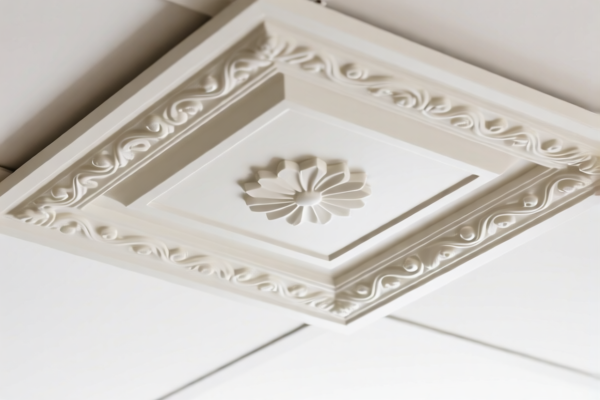

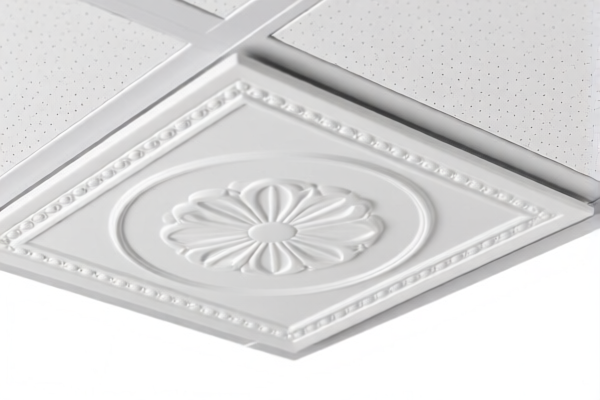

AI Analysis
🎨 PVC Decorative Edge Banding (PVC墙面封边条/板材封边条)
🌐 HS Code Reference & Customs Clearance Guide | 2026 Latest Tariff Full Analysis | Professional通关 Strategy
📌 1. Product Definition & Classification: Do You Really Understand "Edge Banding"?
PVC Decorative Edge Banding is a critical auxiliary component for furniture and interior decoration. In international trade, it is primarily classified based on its material composition (PVC), form (strips/profiles), and application (building fixtures/decoration).
Key Distinction:
- If classified as "Plastic Profiles/Extrusions" → Generally falls under Heading 3916.
- If classified as "Plastic Building Works/Fixtures" → Generally falls under Heading 3925.
⚠️ Critical Note:
The classification heavily depends on whether customs authorities view the product as a raw material profile (3916) or a finished construction fixture (3925). This distinction drastically affects the tariff burden due to US Trade War measures.
📦 2. HS Code Classification Details (2026 Latest Tariff Authority Comparison)
Based on the provided data, here are the specific HS Codes and their corresponding summaries:
| HS Code | Product Description | Summary | Application/Context |
|---|---|---|---|
3925.90.00.00 |
Plastic Building Works; Other | PVC wall edge banding classified as plastic building components; Material: PVC; Form: Edge strip. | Used in construction/interior decoration as a fixture. |
3916.20.00.91 |
Other profiles of polymers of vinyl chloride | PVC wall edge banding classified as vinyl chloride polymer profiles; Form: Edge strip; Belongs to "Other" sub-category. | Raw material profile category. |
3916.20.00.20 |
Plastic profiles of polymers of vinyl chloride | PVC wall edge banding classified as plastic profiles; Material: PVC; Meets requirements for 3916.20.00.20. | Specific PVC profile sub-category. |
3925.20.00.91 |
Plastic Building Works; For Doors, Windows, etc.; Other | PVC wall edge banding classified as plastic building fixtures for decoration/edge banding; Belongs to "Other" sub-category. | Decorative fixtures for doors/windows/buildings. |
3925.90.00.00 |
Plastic Building Works; Other | Board edge banding classified as plastic building components; Material: Typically PVC or ABS; Use: Auxiliary component for buildings/furniture. | General furniture/board auxiliary component. |
🔍 Important Reminder:
- 3916 Series: Focuses on the material form (profiles/extrusions).
- 3925 Series: Focuses on the function (building works/fixtures).
- Dual Classification Risk: The same product may be argued under different headings, leading to different tax outcomes.
💰 3. 2026 Latest Tariff Rate Breakdown (Including Additional Taxes & Policy Surcharges)
✅ Applicable Country: United States (US)
✅ Origin: China (CN)
✅ Effective Time: Current trade war measures (Section 301 + 122)
🎯 1. 3925.90.00.00 —— Plastic Building Works (Other)
| Item | Content |
|---|---|
| Base Duty Rate | 5.3% |
| Section 301 Additional Duty | +25.0% |
| Section 122 Duty | +10.0% |
| Total Tax Rate | 40.3% |
| Tax Calculation | CIF Value × 40.3% |
| De Minimis Exemption | ❌ Not Eligible (High tax rate excludes small packages) |
| Legal Basis Path | Section 301: 9903.01.25 → Section 122: 9903.22 → USITC: 3925.90.00.00 |
📌 Explanation:
- The 25% Section 301 tariff is the primary burden for PVC products from China.
- The 10% Section 122 tariff is a recent addition targeting specific plastic goods.
- Base rate of 5.3% is standard for "Other plastic building works."
- Total 40.3% is a significant cost driver.
🎯 2. 3916.20.00.91 & 3916.20.00.20 —— Other/Specific PVC Profiles
| Item | Content |
|---|---|
| Base Duty Rate | 5.8% |
| Section 301 Additional Duty | +25.0% |
| Section 122 Duty | +10.0% |
| Total Tax Rate | 40.8% |
| Tax Calculation | CIF Value × 40.8% |
| De Minimis Exemption | ❌ Not Eligible |
| Legal Basis Path | Section 301: 9903.01.25 → Section 122: 9903.22 → USITC: 3916.20.00.xx |
📌 Note:
- Slightly higher base rate (5.8% vs 5.3%) compared to 3925.90.00.00.
- Same high surcharges lead to the highest total rate of 40.8%.
- Classification as "profiles" often attracts stricter scrutiny under material-based headings.
🎯 3. 3925.20.00.91 —— Plastic Building Works (For Doors, Windows, etc.)
| Item | Content |
|---|---|
| Base Duty Rate | 5.3% |
| Section 301 Additional Duty | +7.5% |
| Section 122 Duty | +10.0% |
| Total Tax Rate | 22.8% |
| Tax Calculation | CIF Value × 22.8% |
| De Minimis Exemption | ❌ Not Eligible (Likely, due to total rate > 20%) |
| Legal Basis Path | Section 301: 9903.01.08 (or similar lower footnote) → Section 122: 9903.22 → USITC: 3925.20.00.91 |
📌 Critical Insight:
- Significant Tax Saving Opportunity: This code has a lower Section 301 rate (7.5% vs 25%).
- Why?: Some specific plastic building fixtures under 3925.20 may be exempted from the full 25% or fall under a different footnote.
- Total Rate: 22.8% is ~18% lower than other classifications!
- Actionable Advice: If your edge banding can be argued as a "fixture for doors/windows" rather than a generic "building component" or "profile," this is the optimal classification.
🛠️ 4. Customs Clearance Practical Advice (Battle-Tested Pitfall Avoidance)
✅ 1. Documentation Checklist (Non-Negotiable)
| Document | Required | Purpose |
|---|---|---|
| ✅ Product Specification Sheet | ✔️ | Detailed material (PVC/ABS), dimensions, color, thickness, flexibility. |
| ✅ Technical Data Sheet | ✔️ | Proof of use (e.g., "for furniture edge banding," "for door frames"). |
| ✅ Product Photos | ✔️ | Clear images of the roll, cross-section, and application. |
| ✅ Commercial Invoice | ✔️ | Must clearly state "PVC Edge Banding" and HS Code. |
| ✅ Packing List | ✔️ | Weight, quantity, dimensions. |
| ✅ Certificate of Origin | ✔️ | To verify China origin and apply relevant surcharges. |
✅ 2. Declaration Strategy (Key Mantra)
🔥 "Don't Just Say 'Plastic Strip'; Define 'Building Fixture' for Lower Rates!"
| Scenario | Recommended HS Code | Risk of Misclassification |
|---|---|---|
| Generic PVC Strip (Furniture Use) | 3916.20.00.91 / 3916.20.00.20 |
High Tax: 40.8% |
| PVC Strip as Building Component | 3925.90.00.00 |
High Tax: 40.3% |
| PVC Strip as Door/Window Fixture | 3925.20.00.91 |
Optimal Tax: 22.8% |
📌 Strategic Tip:
- Try to frame the product as a decorative fixture for doors/windows (3925.20) rather than a raw profile (3916) or general building part (3925.90).
- Provide evidence that it is used in door/window manufacturing or interior door trim to support the 3925.20 classification.
✅ 3. Special Circumstances Handling
| Situation | Handling Advice |
|---|---|
| PVC vs. ABS | Material affects base rate. Ensure invoice specifies material correctly. |
| Composite Materials | If metal-reinforced, classification may change entirely (e.g., to Chapter 76 or 83). |
| Packaging | Bulk rolls vs. individual packs? Ensure invoice reflects units accurately. |
| Pre-Ruling Request | Highly Recommended: Apply for an Advance Ruling from CBP to lock in the 22.8% rate if possible. |
🌍 5. Global Market Customs Comparison (2026 Latest)
| Country/Region | Recommended HS Code | Duty Rate | Certification | Notes |
|---|---|---|---|---|
| 🇺🇸 USA | 3925.20.00.91 |
22.8% | None | Lowest US rate for PVC edge banding |
| 🇺🇸 USA | 3916.20.00.91 |
40.8% | None | High tariff for profiles |
| 🇨🇳 China | 3925.20.00.91 |
~5-10% | CCC (if applicable) | No Section 301/122 |
| 🇪🇺 EU | 3925.20.00.00 |
0-6.5% | CE | No trade war tariffs |
| 🇬🇧 UK | 3925.20.00.00 |
0-6.5% | UKCA | Post-Brexit alignment with EU |
📌 Conclusion:
- USA is the only market with punitive additional tariffs (Section 301 & 122).
- Strategic Classification is Key: Choosing3925.20.00.91over3916can save ~18% in duties.
- EU/UK/China: Tariffs are significantly lower and more predictable.
📌 6. Common Mistakes & Pitfall Guide (Lessons Learned)
❌ Mistake 1: Declaring as "Plastic Profile" (3916) | Result: 40.8% tax rate.
👉 Fix: Argue for "Building Fixture" (3925) if application allows.
❌ Mistake 2: Declaring as "General Building Component" (3925.90) | Result: 40.3% tax rate.
👉 Fix: If used for doors/windows, use 3925.20 for 22.8% rate.
❌ Mistake 3: Vague Description "Plastic Strip" | Result: Customs detention, additional review, potential reclassification to higher tax bracket.
👉 Fix: Use precise terms: "PVC Decorative Edge Banding for Doors/Windows."
✅ Correct Practice:
"PVC Decorative Edge Banding, For Use in Door/Window Frames, 12mm x 1m Rolls, Model XYZ"
🎯 7. Conclusion: Professional Declaration Saves Money!
🎯 Remember the Mantra:
🔹 "3916 is 40.8%, 3925.90 is 40.3%, but 3925.20 is 22.8%!"
🔹 "Classify as Door/Window Fixture, Not Raw Profile, to Save 18%!"
📌 Pro Tip:
If you can demonstrate that your PVC edge banding is specifically designed for door and window applications, pursue the
3925.20.00.91classification. This single decision can save nearly half of the trade war surcharges.
Consider applying for a CBP Advance Ruling to secure this lower rate legally.
📣 Immediate Action:
📞 Consult a Customs Broker: Provide product specs and usage scenarios.
📝 Refine Invoice Description: Highlight "Decorative Fixture for Doors/Windows."
🚀 Optimize Your Supply Chain: Use the 22.8% rate to improve margins in the US market.
✨ Professional Customs Clearance Starts with Accurate Classification!
💼 Every Dollar Saved is Pure Profit!
Customer Reviews
About HS Code Classification
The Harmonized System (HS) is an internationally standardized nomenclature developed by the World Customs Organization (WCO) to classify traded products. Over 200 countries use the HS system as the basis for customs tariffs, trade statistics, and import/export regulations.
Each HS code follows a hierarchical structure:
- Chapter (2 digits) — Broad category of goods (e.g., Chapter 84: Machinery and Mechanical Appliances)
- Heading (4 digits) — More specific grouping within the chapter
- Subheading (6 digits) — Internationally standardized breakdown, used by all WCO member countries
- National subdivisions (8-10 digits) — Country-specific extensions for further classification, such as US HTSUS 10-digit codes
Correct HS code classification is essential for smooth customs clearance, accurate duty payment, and compliance with trade regulations. Misclassification can lead to customs delays, overpayment of duties, or penalties.
When importing from CN to US, the applicable tariff rates may include:
- Most-Favored-Nation (MFN) rate — The standard duty rate applied to WTO members
- General rate — Applied to countries without trade agreements
- Trade remedy duties — Additional tariffs such as Section 301 (anti-dumping), Section 232 (national security), or countervailing duties
The information provided on this page is for reference purposes only. For official classification, please consult with your local customs authority or a licensed customs broker.