PVC Decorative Film
CN → US| HS Code | Tariff Rate | Origin | Destination | Doc |
|---|---|---|---|---|
| 3921121950 | 40.3% | CN | US | Official Doc |
| 3920490000 | 40.8% | CN | US | Official Doc |
| 3920435000 | 39.2% | CN | US | Official Doc |
| 3919905060 | 40.8% | CN | US | Official Doc |
| 3919905040 | 40.8% | CN | US | Official Doc |
| 3921125000 | 41.5% | CN | US | Official Doc |
Product Images
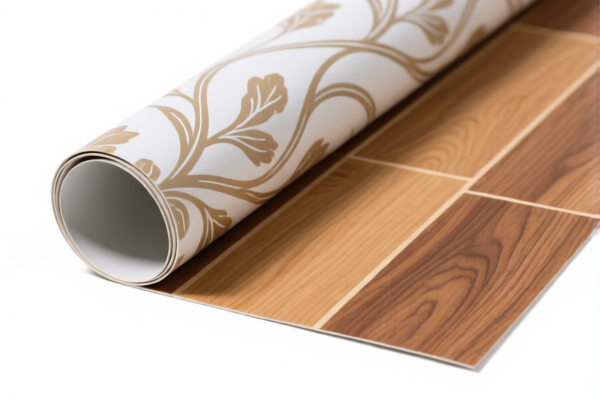
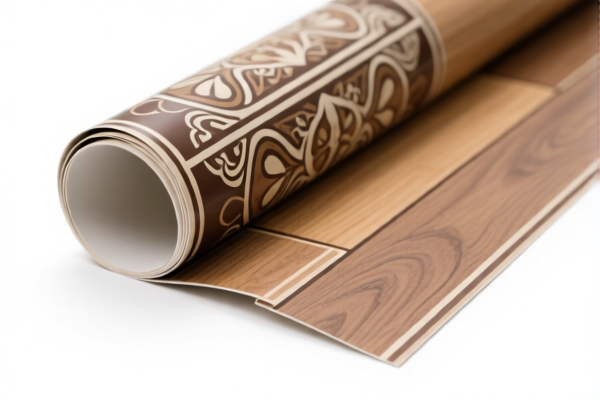
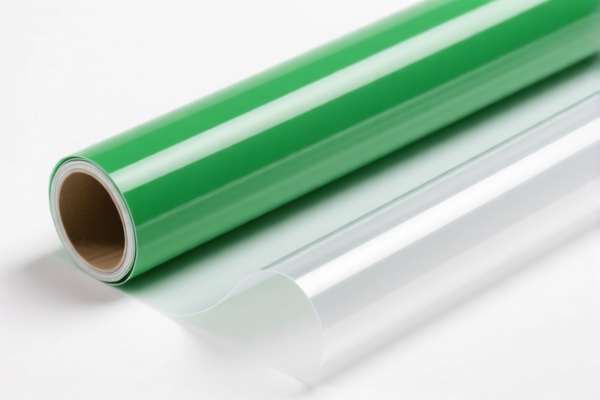
AI Analysis
🎨 PVC Decorative Film (PVC Decorative Membrane)
🌐 HS Code Reference & Customs Clearance Guide | 2026 Latest Tariff Breakdown | Strategic Compliance Strategy
📌 I. Product Definition & Classification: What Exactly is "PVC Decorative Film"?
PVC Decorative Film, also known as Vinyl Film or PVC Membrane, is a thin sheet made of Polyvinyl Chloride (PVC) used primarily for surface decoration, wrapping, or laminating in furniture, interior design, and packaging industries.
In international trade, it is classified based on two key factors: 1. Material Composition: Specifically PVC (Polyvinyl Chloride) or other Vinyl Polymers. 2. Form & Function: Whether it is a self-adhesive film (like wallpaper or sticker-like film) or a non-adhesive roll/film used for lamination or covering.
⚠️ Key Distinction Point:
- If the film is self-adhesive (has a glue layer ready for application) → It generally falls under Heading 3919 (Self-adhesive plates, sheets, film, foil, tape, strip, and other flat shapes, of plastics).
- If the film is non-adhesive (just a plastic sheet, often used for lamination or further processing) → It generally falls under Heading 3920 (Other plates, sheets, film, foil, and strip, of plastics) or 3921 (Other plates, sheets, film, foil, and strip, of plastics).
📦 II. HS Code Classification Details (Based on Provided Data)
| HS Code | Product Description & Logic | Key Characteristics | Total Tax Rate |
|---|---|---|---|
3921.12.19.50 |
PVC Decorative Film, Form: Film, Material: Polyvinyl Chloride (PVC), Classified as "Other items." | - Material: PVC - Form: General Film - Category: "Other" (Not specifically adhesive or honeycomb) |
40.3% |
3920.49.00.00 |
PVC Decorative Film, Material: Vinyl Polymer, Form: Thin Film. | - Material: Vinyl Polymer (PVC) - Form: Thin Film - Non-adhesive sheet/film |
40.8% |
3920.43.50.00 |
PVC Decorative Film, Material: PVC, Form: Film, Consistent with PVC Polymer & Film characteristics. | - Material: PVC - Form: Film - Specific PVC polymer classification |
39.2% |
3919.90.50.60 |
PVC Decorative Film, Material: Plastic, Form: Film, Use: Decorative, Consistent with Plastic Film characteristics. | - Use: Decorative - Material: Plastic (PVC) - May imply self-adhesive or flexible film |
40.8% |
3919.90.50.40 |
PVC Decorative Film, Material: Plastic, Form: Film, Consistent with Self-Adhesive Plastic Film/Foil characteristics. | - Key Feature: Self-Adhesive - Material: Plastic (PVC) - Used for direct application |
40.8% |
3921.12.50.00 |
PVC Decorative Film, Material: Vinyl Chloride Polymer, Form: Film, Classified as Honeycomb/Other Plate-like Film. | - Material: Vinyl Chloride Polymer - Form: Plate-like/Honeycomb structure (if applicable) - "Other" category |
41.5% |
🔍 Classification Logic Summary:
- Headings 3919 vs. 3920/3921: The core difference is Self-Adhesiveness.
- 3919: Films that are self-adhesive (stickers, self-stick wallpaper, ready-to-use wrapping films).
- 3920/3921: Films that are NOT self-adhesive (requires glue/heat for lamination, or used as a base material).
- Tax Rate Variation: Rates range from 39.2% to 41.5%, driven by the specific sub-heading and base duty rate (4.2%–6.5%).
💰 III. 2026 Latest Tariff Rate Breakdown (Including Surtaxes & Policy Surcharges)
✅ Applicable Country: United States (US)
✅ Country of Origin: China (CN)
✅ Effective Date: 2025/2026 (Current Trade War Policies)
The total tax rate is composed of three layers: 1. Base Duty (General MFN Rate) 2. Section 301 Surtax (25%) 3. Section 122 Tariff (10%) [Note: Based on provided data]
🎯 1. 3921.12.19.50 —— PVC Decorative Film (Other Items)
| Item | Details |
|---|---|
| Base Duty | 5.3% |
| Section 301 Surtax | +25.0% |
| Section 122 Tariff | +10.0% |
| Total Effective Rate | 40.3% |
| Calculation Basis | CIF Value × 40.3% |
| De Minimis Exemption | ❌ Not Eligible |
| Legal Path | Base Duty + Sec 301 + Sec 122 |
🎯 2. 3920.49.00.00 —— PVC Decorative Film (Vinyl Polymer, Thin Film)
| Item | Details |
|---|---|
| Base Duty | 5.8% |
| Section 301 Surtax | +25.0% |
| Section 122 Tariff | +10.0% |
| Total Effective Rate | 40.8% |
| Calculation Basis | CIF Value × 40.8% |
🎯 3. 3920.43.50.00 —— PVC Decorative Film (PVC Polymer Specific)
| Item | Details |
|---|---|
| Base Duty | 4.2% |
| Section 301 Surtax | +25.0% |
| Section 122 Tariff | +10.0% |
| Total Effective Rate | 39.2% |
| Calculation Basis | CIF Value × 39.2% |
| Strategy Note | Lowest Rate Option if product features match "PVC Polymer & Film" criteria. |
🎯 4. 3919.90.50.60 & 3919.90.50.40 —— Self-Adhesive & Decorative Films
| Item | Details |
|---|---|
| Base Duty | 5.8% |
| Section 301 Surtax | +25.0% |
| Section 122 Tariff | +10.0% |
| Total Effective Rate | 40.8% |
| Distinction | 50.40 is for Self-Adhesive characteristics. 50.60 is for General Decorative plastic film. |
🎯 5. 3921.12.50.00 —— Honeycomb/Plate-like PVC Film
| Item | Details |
|---|---|
| Base Duty | 6.5% |
| Section 301 Surtax | +25.0% |
| Section 122 Tariff | +10.0% |
| Total Effective Rate | 41.5% |
| Strategy Note | Highest Rate Option. Avoid this code unless the product has a distinct honeycomb/plate structure. |
📌 Critical Insight:
- The Section 301 Tariff (25%) and Section 122 (10%) are fixed for Chinese-origin PVC films.
- The Base Duty is the only variable. Choosing3920.43.50.00saves 1.6% compared to the average3921codes.
- Total Tax Impact: You are paying ~40% tax on top of CIF. This significantly impacts margin.
🛠️ IV. Customs Clearance Operational Advice (Practical Pitfall Avoidance)
✅ 1. Preparation Checklist (Non-Negotiable)
| Document | Required? | Description |
|---|---|---|
| ✅ Product Spec Sheet | ✔️ | Must specify: Material (100% PVC?), Thickness, Width, Self-Adhesive? Yes/No. |
| ✅ Photos (Raw & Packed) | ✔️ | Show the film roll, label, and any adhesive backing. |
| ✅ Commercial Invoice | ✔️ | Clearly state: "PVC Decorative Film" + "HS Code" + "Country of Origin: China". |
| ✅ Packing List | ✔️ | Net/Gross weight, dimensions of rolls/sheets. |
| ✅ Certificate of Origin (CO) | ✔️ | Required to prove origin for tariff calculation. |
| ✅ FDA/CPSC Compliance | ⚠️ Check | If used for food packaging or children's products, additional safety certs are needed. |
✅ 2. Declaration Strategy (Key Mantras)
🔥 "Self-Stick = 3919, Non-Stick = 3920/3921. Be Specific, Avoid Ambiguity!"
| Scenario | Correct Declaration | Wrong Declaration | Consequence |
|---|---|---|---|
| Self-Adhesive Wallpaper/Film | 3919.90.50.40 (Self-Adhesive) |
"Plastic Film" | Misclassification → Penalty/Retaxation |
| Lamination Film (No Glue) | 3920.43.50.00 or 3920.49.00.00 |
"Decorative Sticker" | Higher duty or rejection |
| Honeycomb/Structured PVC | 3921.12.50.00 |
"Standard Sheet" | Incorrect duty rate (Higher) |
| Mixed Rolls (Some Adhesive, Some Not) | Split Declaration | "PVC Film" Mixed | Customs will seize or assess highest rate |
✅ 3. Special Handling Tips
| Situation | Advice |
|---|---|
| OEM Custom Films | Provide design blueprints to prove "Decorative" nature and not a generic industrial film. |
| Sample Shipments | Even samples are subject to 40%+ tax if declared as commercial goods. Use "Samples - Not for Resale" carefully (still taxed in US). |
| Value Determination | Ensure CIF value includes freight and insurance. Under-declaring value leads to severe penalties. |
| Anti-Dumping/Countervailing | Check if your specific PVC compound triggers AD/CVD duties (unlikely for decorative film, but verify). |
🌍 V. Global Market Comparison (2026 Outlook)
| Market | Recommended HS Code | Est. Duty (China Origin) | Key Certifications | Notes |
|---|---|---|---|---|
| 🇺🇸 USA | 3920.43.50.00 (Best Rate) |
39.2% - 41.5% | CPSIA (if kids' use), SDS | High due to Section 301 + 122. |
| 🇨🇳 China | 3920.43.50.00 |
5% - 7% | GB Standards | Low duty, high volume. |
| 🇪🇺 EU | 3920.43.00.00 |
6.5% | REACH (SVHC), CE | No Section 301, but REACH compliance is critical. |
| 🇬🇧 UK | 3920.43.00.00 |
6.5% | UKCA, REACH | Post-Brexit rules align closely with EU. |
| 🇨🇦 Canada | 3920.43.00.00 |
5% - 6.5% | CFIA (if food contact) | CUSMA benefits if from US/Mexico. |
📌 Conclusion:
- The US market is the most expensive for Chinese PVC films due to overlapping tariffs (301 + 122).
- EU/Canada offer significantly lower base duties (~6.5%), but REACH (EU) compliance is a high barrier to entry.
- Profit Margin Alert: A 40% tariff means you must either absorb the cost (reducing margin) or raise prices (reducing competitiveness).
📌 VI. Common Errors & Pitfalls (Lessons Learned)
❌ Error 1: Declaring "Plastic Roll" instead of "PVC Decorative Film".
👉 Consequence: Customs may assign a random code with higher duty or hold the shipment for inspection.
❌ Error 2: Ignoring the "Self-Adhesive" distinction.
👉 Consequence: Using 3920 (Non-adhesive) code for Self-Adhesive film → Underpayment of Duty → Audit & Back Taxes.
❌ Error 3: Not declaring Section 122 Tariff correctly.
👉 Consequence: If the HS code is flagged for "Section 122" eligibility, failure to declare leads to double penalties.
❌ Error 4: Assuming all PVC films are the same.
👉 Consequence: 3921.12.50.00 (Honeycomb) has a higher base duty (6.5%) than 3920.43.50.00 (4.2%). Misclassification loses you 1.6% profit per shipment.
✅ Best Practice:
"Test Sample, Verify Code, Document Everything.
Choose3920.43.50.00if possible for the lowest rate.
Declare 'Self-Adhesive' only if it has glue!"
🎯 VII. Conclusion: Smart Classification, Lower Costs!
🎯 Key Takeaway:
🔹 Lowest Duty Path: Aim for
3920.43.50.00(39.2% Total) if your film is non-adhesive PVC.
🔹 Self-Adhesive Path: Must use3919.90.50.40(40.8% Total).
🔹 Avoid:3921.12.50.00(41.5%) unless structurally required.
🔹 Total Tax Burden: Expect ~40% of CIF value in duties. Factor this into your FOB pricing!
📌 Pro Tip:
If you are shipping large volumes, consider applying for a HTS Exclusion (if available) or working with a customs broker to seek a Binding Ruling to confirm the correct HS code and avoid post-audit penalties.
📣 Immediate Action Plan:
- Identify: Is your film Self-Adhesive or Non-Adhesive?
- Select:
- Self-Adhesive →
3919.90.50.40- Non-Adhesive PVC →
3920.43.50.00(Best Rate)- Document: Update spec sheets and invoices with precise material descriptions.
- Calculate: Budget for ~40% duty cost for US shipments.
✨ Precision in Classification Saves Profit!
💼 Don't let ambiguous HS codes eat your margins!
Customer Reviews
About HS Code Classification
The Harmonized System (HS) is an internationally standardized nomenclature developed by the World Customs Organization (WCO) to classify traded products. Over 200 countries use the HS system as the basis for customs tariffs, trade statistics, and import/export regulations.
Each HS code follows a hierarchical structure:
- Chapter (2 digits) — Broad category of goods (e.g., Chapter 84: Machinery and Mechanical Appliances)
- Heading (4 digits) — More specific grouping within the chapter
- Subheading (6 digits) — Internationally standardized breakdown, used by all WCO member countries
- National subdivisions (8-10 digits) — Country-specific extensions for further classification, such as US HTSUS 10-digit codes
Correct HS code classification is essential for smooth customs clearance, accurate duty payment, and compliance with trade regulations. Misclassification can lead to customs delays, overpayment of duties, or penalties.
When importing from CN to US, the applicable tariff rates may include:
- Most-Favored-Nation (MFN) rate — The standard duty rate applied to WTO members
- General rate — Applied to countries without trade agreements
- Trade remedy duties — Additional tariffs such as Section 301 (anti-dumping), Section 232 (national security), or countervailing duties
The information provided on this page is for reference purposes only. For official classification, please consult with your local customs authority or a licensed customs broker.