PVC Dog Toy
CN → US| HS Code | Tariff Rate | Origin | Destination | Doc |
|---|---|---|---|---|
| 3926400090 | 15.3% | CN | US | Official Doc |
| 3926909989 | 22.8% | CN | US | Official Doc |
| 9503000071 | 10.0% | CN | US | Official Doc |
| 9503000073 | 10.0% | CN | US | Official Doc |
| 3926909989 | 22.8% | CN | US | Official Doc |
Product Images
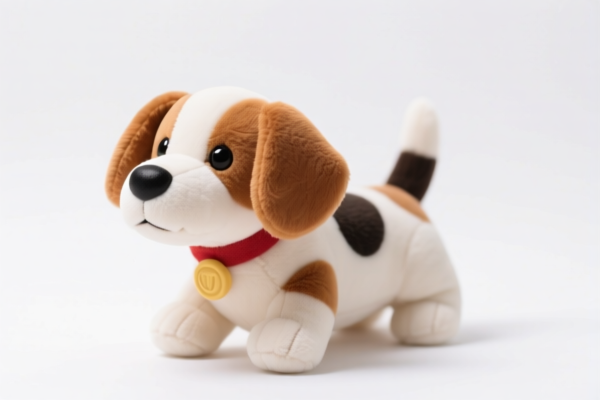
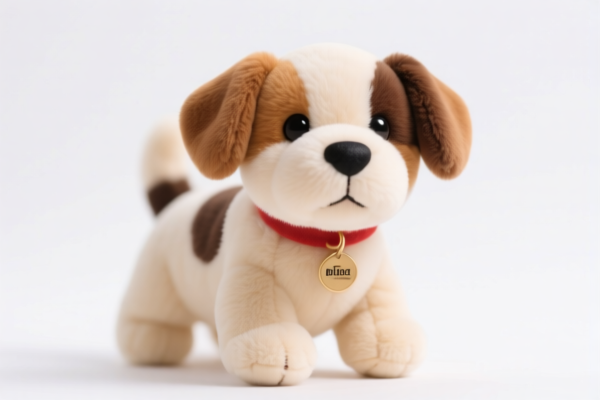
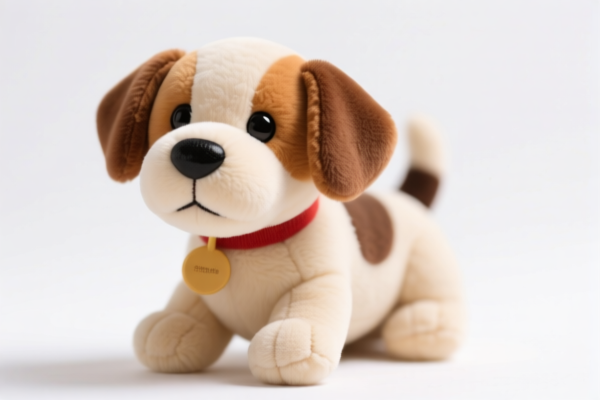
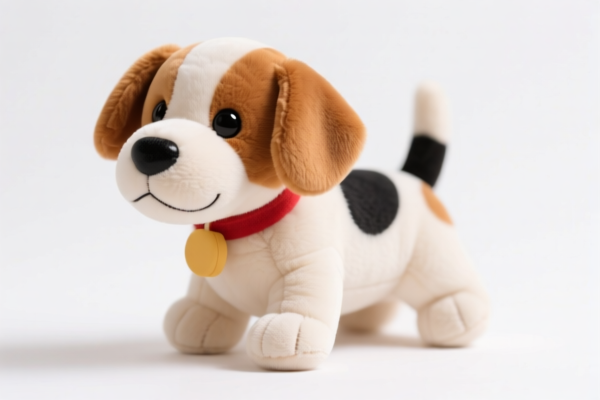
AI Analysis
Here is a comprehensive, Wiki-style guide for PVC Dog Toys, structured according to your provided data and formatted for clarity, visual appeal, and strategic clarity.
🐶 PVC Dog Toys: Comprehensive HS Code Classification & Customs Strategy (2024-2026)
🌐 Global Customs Intelligence | 🇺🇸 US Import Tariff Analysis | 🚀 Strategic Declaration Guide
Unlocking the optimal HS Codes for PVC Dog Toys to minimize tax liability and ensure seamless clearance.
📦 I. Product Overview & Classification Logic
PVC Dog Toys are durable, chew-resistant play items primarily made from Polyvinyl Chloride (PVC). In international trade, their classification depends heavily on the intended use and specific form factor:
- Primary Category (Toys): If the item is explicitly designed for children's or pets' amusement and falls under standard toy definitions, it typically lands under Chapter 95 (Toys, Games, Sports Requisites).
- Secondary Category (Plastic Articles): If the toy is viewed more as a "plastic accessory" or lacks a specific "toy" subheading, it may fall under Chapter 39 (Plastics and Articles Thereof).
⚠️ Critical Distinction: * HS Code 9503 Series: The "Golden Path." Lower base tariffs (0%) apply, but subject to specific section 122 tariffs. Ideal for standard toys. * HS Code 3926 Series: The "Catch-All" Path. Higher base tariffs (5.3%) apply if not classified strictly as a toy.
📊 II. HS Code Classification Matrix (Based on Provided Data)
| HS Code | Product Description & Logic | Tax Rate (Total) | Tax Breakdown | Classification Category |
|---|---|---|---|---|
| 9503.00.00.71 | Primary Classification: PVC Dog Toy. Explicitly falls under "Toys & Games," specifically the "Other" subcategory for toys/puzzles/models. | 10.0% | Base: 0% Additional: 0% Sec. 122: 10% |
Toys & Games |
| 9503.00.00.73 | Toy Generalist: PVC Toy conforming to general "Toys & Models" usage. No material/shape conflicts. | 10.0% | Base: 0% Additional: 0% Sec. 122: 10% |
Toys & Games |
| 3926.90.99.89 | Plastic Articles: PVC Dog Toy classified as a "Plastic Other Article." Used if the toy doesn't fit specific toy sub-headings. | 22.8% | Base: 5.3% Add'l: 7.5% Sec. 122: 10% |
Plastic Products |
| 3926.40.00.90 | Decorative/Other: PVC Dog Toy treated as a "Decorative or Other Article." | 15.3% | Base: 5.3% Add'l: 0% Sec. 122: 10% |
Decorative Items |
💡 Key Insight: The tax differential between 9503 (Toys) and 3926 (Plastics) is massive (10% vs. 22.8%). The primary strategy is to prove the item is a "Toy" first.
💰 III. Deep Dive: Tariff & Legal Analysis
🎯 Scenario A: The "Toy" Classification (9503.00.00.71 / 9503.00.00.73)
- Total Duty: 10.0%
- Structure:
- Base Duty (MFN): 0.0% (Duty-free for Toys under Chapter 95).
- Additional Duty: 0.0% (No Section 301/Section 321 extra taxes in this data).
- Section 122 Tariff: 10.0% (Specific tariff applicable to Chinese imports of this category).
- Why it works: The item is explicitly described as a "Dog Toy," fitting the definition of Article 9503. The "Other" (other) subheading captures dog-specific toys not listed elsewhere.
🎯 Scenario B: The "Plastic" Classification (3926.90.99.89)
- Total Duty: 22.8%
- Structure:
- Base Duty: 5.3%.
- Section 301 Additional: 7.5% (Heavy penalty for generic plastic goods).
- Section 122 Tariff: 10.0%.
- Risk: If Customs determines the PVC item is a "plastic dog collar" or "accessory" rather than a "toy," this higher rate triggers.
🎯 Scenario C: The "Decorative" Classification (3926.40.00.90)
- Total Duty: 15.3%
- Structure:
- Base Duty: 5.3%.
- Section 301 Additional: 0.0%.
- Section 122 Tariff: 10.0%.
- Context: Used if the toy is deemed "decorative" rather than functional for play.
🛠️ IV. Customs Clearance Strategy & Actionable Advice
✅ 1. Declaration Best Practices (The "Toy" Defense)
To secure the lowest rate (10.0% via 9503), your commercial invoice and packing list must explicitly state: * Product Name: "PVC Dog Chew Toy" or "PVC Pet Play Toy." * Usage: Explicitly state "For animal amusement/play." * Keywords: Avoid words like "Accessory," "Collar," "Harness," or "Decoration" in the primary description. * Example Description: "PVC Dog Toy, Made of Polyvinyl Chloride, Used for Pet Chewing and Play, Model X."
✅ 2. Material & Form Documentation
- Material Proof: Provide a Material Safety Data Sheet (MSDS) confirming 100% PVC.
- Photos: Submit clear images showing the item is soft/flexible and shaped like a bone, ball, or animal (proving it is a toy, not a rigid plastic part).
- Packaging: If the box shows "For Dogs" or "Pet Toys," keep this packaging. Customs officers often check the box for classification cues.
✅ 3. Avoiding Common Pitfalls
| ❌ Mistake | ⚠️ Consequence | 💡 Correction |
|---|---|---|
| Calling it "Plastic Dog Accessory" | Triggers 3926.90.99.89 (22.8% Tax) | Change to "Dog Toy" (9503.00.00.71) |
| Calling it "Decorative Pet Item" | Triggers 3926.40.00.90 (15.3% Tax) | Emphasize "Play/Chew" function |
| Listing vague "Plastic Goods" | Risk of Misclassification & Audit | Be specific: "PVC Dog Toy" |
✅ 4. Tax Savings Calculation
- Consignment Value: $10,000 USD
- Under 9503 (Toy): $10,000 × 10% = $1,000 Duty
- Under 3926 (Plastic): $10,000 × 22.8% = $2,280 Duty
- 💰 Savings: $1,280 USD (56% reduction in tax cost) by choosing the correct HS Code!
🌍 V. Global Market Note
- 🇺🇸 United States: The data indicates Section 122 (10%) and Base Tariffs as the primary drivers.
- Strategy: Ensure the "Toy" classification is robust to avoid the 7.5% Section 301 penalty found in 3926 codes.
- 🇨🇳 China Export: Ensure the manufacturer provides a "Declaration of Origin" to avoid double taxation if re-exporting.
📌 VI. Final Checklist for Shippers
- [ ] Invoice: Clearly label item as "PVC Dog Toy."
- [ ] HS Code: Select 9503.00.00.71 or 9503.00.00.73 as the primary code.
- [ ] Supporting Docs: Include product photos showing "play" function.
- [ ] Tax Check: Verify total duty is 10.0% (0% Base + 10% Sec 122).
- [ ] Review: Ensure no "Plastic Accessory" language is used.
🚀 Pro Tip: If your product is a "Rope + PVC" hybrid, ensure the PVC part is the dominant feature for "Toy" classification. If it's 90% rope, you might still qualify for 9503, but documentation must be ironclad.
✨ Smart Customs, Smart Savings!
Get your PVC Dog Toys cleared at 10% instead of 22.8% with the right classification strategy.
Disclaimer: Tariff rates and HS Codes are subject to change by customs authorities. Always verify with a licensed customs broker before shipment.
Customer Reviews
About HS Code Classification
The Harmonized System (HS) is an internationally standardized nomenclature developed by the World Customs Organization (WCO) to classify traded products. Over 200 countries use the HS system as the basis for customs tariffs, trade statistics, and import/export regulations.
Each HS code follows a hierarchical structure:
- Chapter (2 digits) — Broad category of goods (e.g., Chapter 84: Machinery and Mechanical Appliances)
- Heading (4 digits) — More specific grouping within the chapter
- Subheading (6 digits) — Internationally standardized breakdown, used by all WCO member countries
- National subdivisions (8-10 digits) — Country-specific extensions for further classification, such as US HTSUS 10-digit codes
Correct HS code classification is essential for smooth customs clearance, accurate duty payment, and compliance with trade regulations. Misclassification can lead to customs delays, overpayment of duties, or penalties.
When importing from CN to US, the applicable tariff rates may include:
- Most-Favored-Nation (MFN) rate — The standard duty rate applied to WTO members
- General rate — Applied to countries without trade agreements
- Trade remedy duties — Additional tariffs such as Section 301 (anti-dumping), Section 232 (national security), or countervailing duties
The information provided on this page is for reference purposes only. For official classification, please consult with your local customs authority or a licensed customs broker.