PVC Elastomer Water Blocking Material
CN → USProduct Images
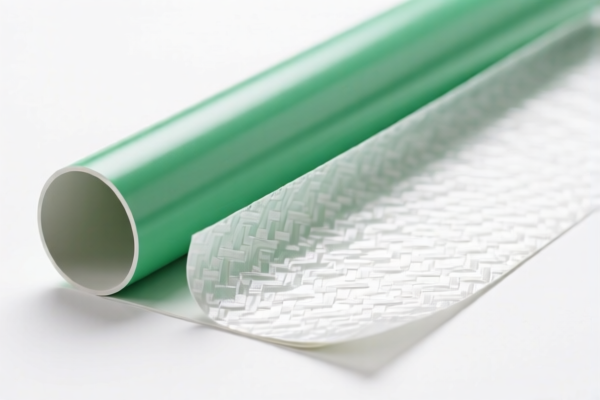

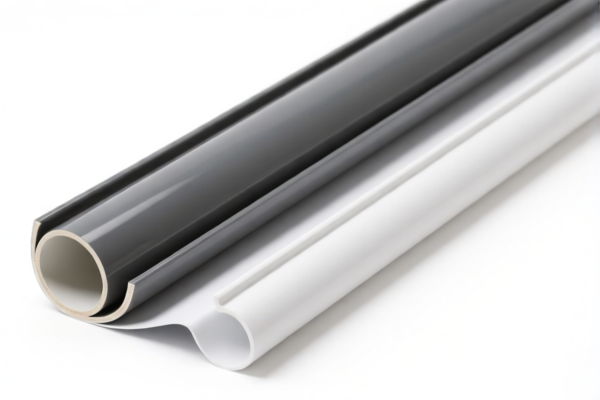
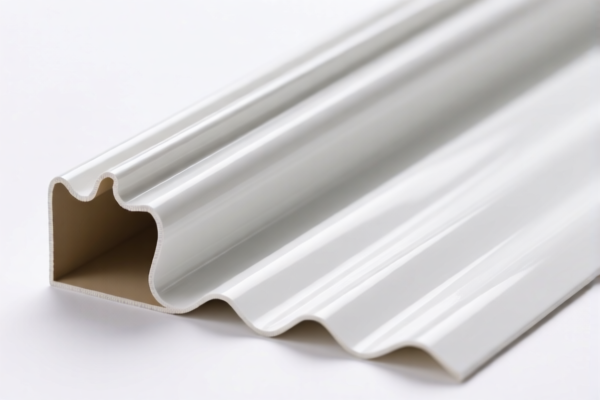
AI Analysis
🧪 PVC Elastomer Water Blocking Material (WBGM)
🌐 HS Code Reference & Customs Clearance Guide | 2026 Latest Tariff Analysis | Professional-Level Strategy
📌 I. Product Definition & Classification: What Exactly Is "PVC Elastomer Water Blocking Material"?
PVC Elastomer Water Blocking Material is a specialized polymer compound used primarily in the manufacturing of communication cables (telephone, data, coaxial) and power cables. Its primary function is to prevent water ingress into the cable core, which can cause signal degradation, corrosion, and short circuits.
In international trade, this product is strictly categorized based on its composition and form, distinguishing it from pure rubber or pure plastic materials.
Key Distinction:
- PVC Elastomer: A blend of Polyvinyl Chloride (PVC) plasticizers and elastomeric modifiers. It is harder than natural rubber but softer and more flexible than rigid PVC.
- Water Blocking: The functional property achieved through hydrophobic granules, powders, or tapes embedded within the polymer matrix or applied as a separate layer.
⚠️ Critical Classification Point:
- If the material is compounded PVC with elastomeric properties (flexible, rubber-like) → Generally falls under Chapter 39 (Plastics) or Chapter 40 (Rubber) depending on the dominant characteristic.
- Most customs authorities classify PVC-based elastomers under Chapter 39 (Plastics), specifically heading 3901–3914, unless it meets the specific legal definition of "Artificial Vulcanized Rubber" (Chapter 40). However, for cable accessories, it is predominantly treated as a Plastic Article.
📦 II. HS Code Classification Details (2026 Latest Tariff Alignment)
The classification depends on whether the material is in raw form (granules, compound) or finished form (cable sheathing, tapes, sheets).
| HS Code | Product Description | Application Scenario | Primary Material Base |
|---|---|---|---|
3901.10.00.00 |
Primary Form of Ethylene Polymers, Density < 0.94 | Rarely used for PVC; included for contrast. | PE |
3902.10.00.00 |
Primary Form of Propylene Polymers | Not applicable. | PP |
3904.10.10.00 |
Vinyl Chloride Monomer (VCM) Polymers, Unpolymerized | Raw chemical intermediate. | PVC Monomer |
3904.21.00.00 |
Vinyl Chloride Monomer Polymers, Mixtures with Plasticizers (Non-Plasticized) | Note: This subheading is for "non-plasticized" but elastomers are plasticized. See below. | PVC Base |
3904.30.00.00 |
Vinyl Chloride Monomer Polymers, Mixtures with Other Monomers | Copolymers/Blends. | PVC Blend |
3904.40.00.00 |
Vinyl Chloride Monomer Polymers, Mixtures with Plasticizers (Plasticized PVC) | Most Likely Match: Flexible PVC compounds, elastomeric PVC compounds. | Plasticized PVC |
3904.50.00.00 |
Vinyl Chloride Monomer Polymers, Other | Non-flexible PVC sheets/pipes. | Rigid PVC |
3917.32.00.00 |
Tubes, Pipes & Hoses, Rigid, of PVC | Finished rigid parts. | Rigid PVC |
3917.29.00.00 |
Tubes, Hoses, Flexible, of Other Plastics | If classified as flexible plastic tubing. | Flexible Plastic |
4008.12.00.00 |
Plates, Sheets, Strip of Rubber, Non-Cellular | If deemed "Artificial Rubber." | Elastomer/Rubber |
🔍 Key Insight for Customs:
- Primary Choice: Most "PVC Elastomer" compounds (granules/mixtures) are classified under3904.40.00.00(Plasticized PVC) because they contain plasticizers to achieve flexibility.
- Alternative: If the product is sold as a finished water-blocking tape or yarn embedded in PVC, it may fall under3917.29.00.00or5607.90(if textile-based).
- Avoid: Classifying as pure rubber (4008) is risky unless the product meets the legal definition of "vulcanized rubber" with >10% rubber content, which is rare for PVC-based elastomers.
💰 III. 2026 Latest Tariff Rate Details (Including Surcharges & Policy Add-ons)
✅ Applicable Country: United States (US)
✅ Origin: China (CN)
✅ Effective Date: From November 10, 2025 (including subsequent imports)
🎯 1. 3904.40.00.00 —— Plasticized PVC Polymers (Most Likely Classification)
| Item | Details |
|---|---|
| Base Tariff | 0% (ad valorem) |
| USITC Additional Tariff | +25% (under USITC Footnote 9903.88.01 for certain chemical products) |
| IEEPA Additional Tariff | +10% (Section 301/IEEPA tariffs for China-origin goods) |
| Total Tariff Rate | 45% |
| Tax Calculation | CIF Value × 45% |
| De Minimis Eligibility | ❌ Not Eligible (deny_de_minimis) |
| Legal Pathway | IEEPA:9903.01.25 → IEEPA:9903.01.24 → USITC:3904.40.00.00 → FOOTNOTE:9903.88.01 |
📌 Explanation:
- The 25% USITC surcharge applies to many plastic articles and chemical products under Section 301.
- The 10% IEEPA surcharge is the baseline对华 tariff.
- Total 45% is a significant cost driver. If misclassified as a non-surcharge item (e.g.,3917.29might have different rules), it could lead to penalties.
🎯 2. 3917.29.00.00 —— Other Plastic Hoses, Tubes, and Pipes, Flexible
| Item | Details |
|---|---|
| Base Tariff | 0% |
| USITC Additional Tariff | +25% (if applicable under footnote) |
| IEEPA Additional Tariff | +10% |
| Total Tariff Rate | 45% |
| Note | Similar high tariff burden. Ensure the product is not classified as a "cable accessory" (8544) if it’s a raw material. |
⚠️ Crucial Warning:
- If the material is finished cable sheathing (extruded onto cables), it may fall under8544.42(Insulated Wires/Cables).
-8544.42.19.00(Other insulated wires) often has 0% base but still incurs IEEPA 10% and potentially USITC 25% depending on the specific footnote.
- Raw compound vs. Finished cable: This distinction is vital. Raw compound = Ch 39; Finished Cable = Ch 85.
🛠️ IV. Customs Clearance Practical Advice (Battle-Tested Pitfall Avoidance)
✅ 1. Document Checklist (Non-Negotiable)
| Document | Required | Explanation |
|---|---|---|
| ✅ Product Specification Sheet | ✔️ | Must detail: PVC content %, plasticizer type, tensile strength, water absorption rate, density. |
| ✅ Material Safety Data Sheet (MSDS/SDS) | ✔️ | Required for chemical handling; confirms hazardous/non-hazardous status. |
| ✅ Third-Party Test Report | ✔️ | UL, RoHS, REACH, or specific water-blocking performance test (e.g., pressure test results). |
| ✅ Commercial Invoice | ✔️ | Must clearly state: "PVC Elastomer Compound for Water-Blocking Cable Application," NOT just "Plastic Pellets." |
| ✅ Certificate of Origin (CO) | ✔️ | Critical for proving origin to apply/avoid surcharges. |
| ✅ Packing List | ✔️ | Detail net/gross weight, pallet count, and any protective packaging. |
✅ 2. Declaration Strategy (Key Mnemonic)
🔥 "Compound vs. Cable, Plastic vs. Rubber, Name Specific, Tax Down!"
| Scenario | Correct Declaration | Wrong Practice |
|---|---|---|
| Raw PVC Granules/Compound | 3904.40.00.00 - "PVC Elastomer Compound" |
Calling it "Rubber" → Misclassification risk |
| Finished Water-Blocking Tape | 3917.29.00.00 or 5607.90 |
Calling it "Cable" → Wrong chapter |
| Extruded Cable Sheathing | 8544.42.19.00 |
Declaring as raw material → Tax evasion risk |
| Mixed Raw Material (PVC+Additives) | 3904.40.00.00 |
Splitting into chemical components |
✅ 3. Special Case Handling
| Scenario | Handling Advice |
|---|---|
| OEM Custom Compound | Provide customer’s technical spec sheet to justify classification as "Plasticized PVC." |
| Water-Blocking Yarn/Tape | If made of PVC-coated yarn, consider 5607.90 (Other Twine/Cordage), which may have different tariff rates. |
| High-Performance Elastomer | If >10% rubber content by weight, consult a broker on potential Chapter 40 classification (4008.12). |
| EU/China Free Trade Agreement | If exporting from China to ASEAN/EU, check if PVC compounds qualify for Rules of Origin to reduce tariffs. |
🌍 V. Global Market Clearance Comparison (2026 Latest)
| Country/Region | Recommended HS Code | Tariff Rate | Certification Requirements | Notes |
|---|---|---|---|---|
| 🇺🇸 USA | 3904.40.00.00 |
45% | FDA (if food contact), RoHS | High surcharge; strict origin verification |
| 🇨🇳 China | 3904.40.00.00 |
5–7% | CCC (if final product) | No anti-dumping on raw PVC |
| 🇪🇺 EU | 3904.40.00.00 |
6.5% | REACH, RoHS | No IEEPA-style surcharge |
| 🇯🇵 Japan | 3904.40.00.00 |
5.0% | PSE (if final product) | Moderate tariff |
| 🇮🇳 India | 3904.40.00.00 |
10–15% | BIS Certification | High anti-dumping duties on Chinese PVC possible |
📌 Conclusion:
- USA is the most expensive market due to Section 301 + IEEPA combined tariffs (45%).
- EU/Japan are more favorable for raw PVC compounds.
- India may impose anti-dumping duties; verify current ADD rates.
📌 VI. Common Errors & Pitfall Guide (Lessons Learned)
❌ Error 1: Declaring "PVC Elastomer" as "Natural Rubber" (4008.12)
👉 Consequence: Incorrect classification → Penalty + back taxes. PVC is plastic, not rubber.
❌ Error 2: Splitting raw compound into "PVC Resin" + "Plasticizer" for separate declaration
👉 Consequence: Customs will consolidate and assess duty on the finished compound + potential penalties for misdeclaration.
❌ Error 3: Omitting "Water-Blocking" function in description
👉 Consequence: May trigger additional safety reviews (EPA/FDA) if not clear it’s for industrial cable use.
❌ Error 4: Using generic "Plastic Pellets" on Invoice
👉 Consequence: Delays for customs inspection → Demurrage charges.
✅ Correct Declaration Example:
"PVC ELASTOMER COMPOUND, PLASTICIZED, FOR WATER-BLOCKING CABLE SHEATHING, NON-HAZARDOUS, HS CODE 3904.40.00.00"
🎯 VII. Conclusion: Precise Classification Saves Cost!
🎯 Remember the Mantra:
🔹 "PVC is Plastic, Not Rubber;
🔹 Raw Compound = 3904, Finished Cable = 8544;
🔹 USA Tax = 45%, Plan Ahead!"
📌 Pro Tip:
If your PVC Elastomer is exported to Vietnam, Mexico, or Thailand first, consider transshipment rules for IEEPA exemption.
Recommendation: Apply for a US Customs Ruling (Advance Ruling) before first shipment to confirm 3904.40.00.00 vs. 4008.12.00.00.
📣 Immediate Action:
📞 Consult a licensed customs broker + Provide SDS + Verify IEEPA applicability
🚀 Ensure smooth clearance, avoid delays, and protect margins!
✨ Professional Clearance Starts with Accurate Classification!
💼 Every dollar saved in tariffs is pure profit!
Customer Reviews
About HS Code Classification
The Harmonized System (HS) is an internationally standardized nomenclature developed by the World Customs Organization (WCO) to classify traded products. Over 200 countries use the HS system as the basis for customs tariffs, trade statistics, and import/export regulations.
Each HS code follows a hierarchical structure:
- Chapter (2 digits) — Broad category of goods (e.g., Chapter 84: Machinery and Mechanical Appliances)
- Heading (4 digits) — More specific grouping within the chapter
- Subheading (6 digits) — Internationally standardized breakdown, used by all WCO member countries
- National subdivisions (8-10 digits) — Country-specific extensions for further classification, such as US HTSUS 10-digit codes
Correct HS code classification is essential for smooth customs clearance, accurate duty payment, and compliance with trade regulations. Misclassification can lead to customs delays, overpayment of duties, or penalties.
When importing from CN to US, the applicable tariff rates may include:
- Most-Favored-Nation (MFN) rate — The standard duty rate applied to WTO members
- General rate — Applied to countries without trade agreements
- Trade remedy duties — Additional tariffs such as Section 301 (anti-dumping), Section 232 (national security), or countervailing duties
The information provided on this page is for reference purposes only. For official classification, please consult with your local customs authority or a licensed customs broker.