PVC Fabric for Textile Chairs
CN → US| HS Code | Tariff Rate | Origin | Destination | Doc |
|---|---|---|---|---|
| 5903102090 | 35.0% | CN | US | Official Doc |
| 3926206000 | 35.0% | CN | US | Official Doc |
| 5903102010 | 35.0% | CN | US | Official Doc |
| 5903102500 | 42.5% | CN | US | Official Doc |
| 3926305000 | 22.8% | CN | US | Official Doc |
Product Images
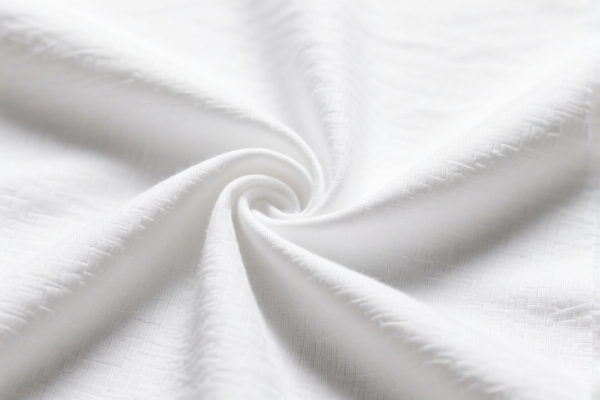
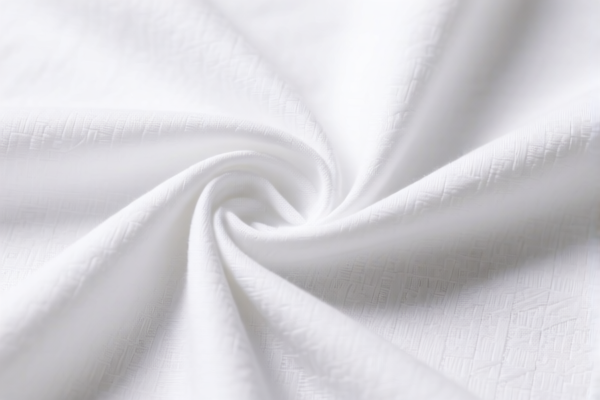
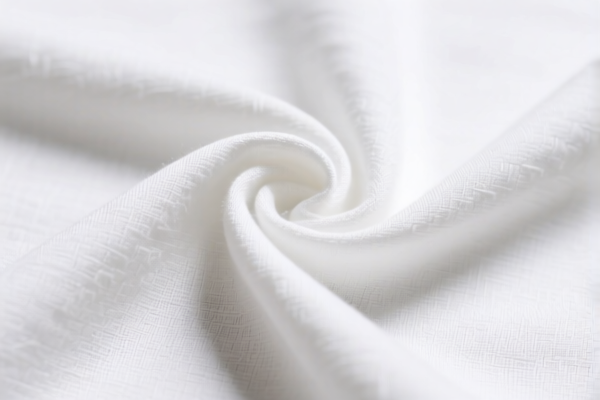

AI Analysis
🪑 PVC Fabric for Textile Chairs: HS Code Classification & US Customs Clearance Guide (2026)
🌐 HS Code Reference & Customs Strategy | 2026 Latest Tariff Analysis | Professional Clearance Protocol
📌 I. Product Definition & Classification: What Exactly is "PVC Fabric for Chairs"?
"PVC Fabric for Textile Chairs" refers to materials where PVC (Polyvinyl Chloride) is impregnated, coated, or covered onto textile substrates. In international trade, the classification hinges on whether the product is treated primarily as a textile material or as a plastic article. This distinction drastically affects duty rates.
⚠️ Key Distinction Points:
- If the PVC is merely coated/impregnated on fabric → Classified under Chapter 59 (Impregnated/Covered Textiles).
- If the PVC forms a solid sheet, composite cushion, or plastic-dominated article → Classified under Chapter 39 (Plastics and Articles Thereof).
- The "Form" (Fabric vs. Composite Cushion) and "Primary Character" determine the HS Code.
📦 II. HS Code Classification Details (2026 Latest Tariff Authority Reference)
Based on the provided data, here are the exact HS Codes, descriptions, and tax details for PVC chair materials:
| HS Code | Product Description | Applicable Scenario | Primary Character |
|---|---|---|---|
5903.10.20.90 |
PVC Fabric for Chairs; Material: PVC; Form: Fabric; Meets requirements for PVC impregnated/coated textile fabrics. | Standard coated/impregnated textile rolls for upholstery. | ✅ Textile (Coated/Impregnated) |
3926.20.60.00 |
PVC Fabric for Chairs; Material: PVC (Plastic Category); Form: Fabric; Meets characteristics of plastic products. | Treated as a plastic article rather than textile. | ✅ Plastic |
5903.10.20.10 |
PVC Fabric for Chairs; Material: PVC; Form: Fabric; Key features of PVC and fabric. | Specific sub-category for PVC fabrics with specific fabric key features. | ✅ Textile (Coated/Impregnated) |
5903.10.25.00 |
PVC Textile Composite Chair Cushion; Material: PVC; Form: Textile Composite; Meets impregnated/coated/laminated characteristics. | Finished or semi-finished composite cushions/pads. | ✅ Textile Composite |
3926.30.50.00 |
PVC Textile Composite Chair Cushion; Material: PVC; Use: Furniture Accessories; Form fits connectors/parts category. | Plastic-dominant furniture accessories or connectors. | ✅ Plastic (Furniture Parts) |
🔍 Critical Reminder:
- Items classified under5903.xx.xxare considered textiles with plastic coating.
- Items classified under3926.xx.xxare considered plastic articles.
- The duty rate difference can be significant due to different "Additional Tariffs" applied by the USITC.
💰 III. 2026 Latest Tariff Rate Breakdown (Including Surtaxes & Policy Surcharges)
✅ Applicable Country: United States (US)
✅ Origin: China (CN)
✅ Effective Time: Current Trade War Tariffs Apply (Section 301 & IEEPA)
🎯 1. Textile-Based Classifications (Chapter 59)
Includes: 5903.10.20.90, 5903.10.20.10, 5903.10.25.00
A. Standard PVC Fabric (5903.10.20.90 & 5903.10.20.10)
| Item | Content |
|---|---|
| Base Duty Rate | 0.0% (Ad Valorem) |
| Section 301 Surtax | +25.0% (USITC Footnote) |
| IEEPA Surtax (Section 122) | +10.0% (Targeting China) |
| Total Duty Rate | 35.0% |
| Tax Calculation | CIF Value × 35% |
| De Minimis Exemption | ❌ Not Eligible (High tariff rate blocks de minimis) |
| Legal Basis Path | IEEPA:9903.01.25 → USITC:5903.10.20.x0 → FOOTNOTE:301 |
📌 Explanation:
- 0% Base: Standard Most Favored Nation (MFN) duty for certain impregnated textiles is low or zero.
- 25% Section 301: Standard retaliatory tariff on Chinese goods.
- 10% IEEPA: Additional penalty under International Emergency Economic Powers Act.
- Total 35%: A very high effective rate for "fabric" imports.
B. PVC Textile Composite Chair Cushion (5903.10.25.00)
| Item | Content |
|---|---|
| Base Duty Rate | 7.5% (Ad Valorem) |
| Section 301 Surtax | +25.0% (USITC Footnote) |
| IEEPA Surtax (Section 122) | +10.0% (Targeting China) |
| Total Duty Rate | 42.5% |
| Tax Calculation | CIF Value × 42.5% |
| De Minimis Exemption | ❌ Not Eligible |
| Legal Basis Path | IEEPA:9903.01.25 → USITC:5903.10.25.00 → FOOTNOTE:301 |
📌 Explanation:
- This item has a higher base duty (7.5%) compared to simple fabric (0%).
- Total 42.5% is even higher than standard fabric.
- Classification as a "Composite Cushion" triggers a higher base rate.
🎯 2. Plastic-Based Classifications (Chapter 39)
Includes: 3926.20.60.00, 3926.30.50.00
A. PVC Fabric Classified as Plastic Article (3926.20.60.00)
| Item | Content |
|---|---|
| Base Duty Rate | 0.0% (Ad Valorem) |
| Section 301 Surtax | +25.0% (USITC Footnote) |
| IEEPA Surtax (Section 122) | +10.0% (Targeting China) |
| Total Duty Rate | 35.0% |
| Tax Calculation | CIF Value × 35% |
| De Minimis Exemption | ❌ Not Eligible |
| Legal Basis Path | IEEPA:9903.01.25 → USITC:3926.20.60.00 → FOOTNOTE:301 |
📌 Explanation:
- Even when classified as plastic, the base rate is 0%.
- Total 35% is identical to the textile fabric classification.
- Caution: Misclassification from Textile (59) to Plastic (39) does not reduce the total tariff in this case.
B. PVC Textile Composite Chair Cushion (Plastic Accessory) (3926.30.50.00)
| Item | Content |
|---|---|
| Base Duty Rate | 5.3% (Ad Valorem) |
| Section 301 Surtax | +7.5% (Reduced USITC Surtax for this subheading) |
| IEEPA Surtax (Section 122) | +10.0% (Targeting China) |
| Total Duty Rate | 22.8% |
| Tax Calculation | CIF Value × 22.8% |
| De Minimis Exemption | ❌ Not Eligible |
| Legal Basis Path | IEEPA:9903.01.25 → USITC:3926.30.50.00 → FOOTNOTE:301 |
📌 Explanation:
- This is the LOWEST tariff option!
- Base rate: 5.3%
- Section 301 Surtax: Only 7.5% (vs 25% for other categories)
- IEEPA: 10%
- Total 22.8%: Significantly cheaper than 35% or 42.5%.
- Key Requirement: Must be classified as a "Furniture Accessory/Part" under Chapter 39, not just "Fabric" or "Composite Material."
🛠️ IV. Customs Clearance Practical Advice (Avoid Pitfalls)
✅ 1. Preparation Checklist (Mandatory)
| Document | Required? | Description |
|---|---|---|
| ✅ Product Specifications | ✔️ | Material composition (PVC % vs Fabric %), thickness, weight per sqm. |
| ✅ Product Photos | ✔️ | Clear images of the fabric surface, cross-section, and any labeling. |
| ✅ Commercial Invoice | ✔️ | Must describe item as "PVC Coated Textile" or "PVC Furniture Accessory." |
| ✅ Packing List | ✔️ | Detail quantity, gross/net weight, package dimensions. |
| ✅ Bill of Lading/Air Waybill | ✔️ | Standard shipping documents. |
| ✅ Origin Certificate | ✔️ | Proof of China origin triggers IEEPA surtax. |
✅ 2. Classification Strategy (Key Tips)
🔥 “Check the Form: Fabric vs. Accessory! Lower Duty Lies in Plastic Parts!”
| Scenario | Recommended HS Code | Total Duty | Reason |
|---|---|---|---|
| Simple PVC Fabric Rolls | 5903.10.20.90 / 5903.10.20.10 |
35.0% | Base 0% + 25% + 10%. High tariff. |
| PVC Composite Cushions | 5903.10.25.00 |
42.5% | Base 7.5% + 25% + 10%. Highest Risk. Avoid if possible. |
| PVC Fabric (Plastic Category) | 3926.20.60.00 |
35.0% | Same as textile fabric. No savings. |
| PVC Furniture Accessories/Cushions | 3926.30.50.00 |
22.8% | BEST OPTION. Lower surtax (7.5%) reduces total cost significantly. |
📌 Strategic Advice:
- If the product is a finished or semi-finished chair cushion or part, argue for classification under3926.30.50.00(Plastic Furniture Accessory) to save 12.2% in duties compared to standard fabric.
- If it is strictly raw fabric, you are stuck with 35%.
- NEVER classify composite cushions as5903.10.25.00unless necessary; the 42.5% rate is punitive.
✅ 3. Special Handling Cases
| Case | Handling Suggestion |
|---|---|
| OEM Custom Fabric | Provide client design specs. Ensure description matches "Coated Fabric" to avoid "Finished Article" classification. |
| Mixed Shipments | Declare separate HS codes for fabric rolls vs. cushion parts. Do not lump them together. |
| De Minimis (Section 321) | ❌ Not Applicable. All rates >20% block de minimis entry. Full formal entry required. |
| Origin Shifting | If PVC is sourced from Vietnam/Malaysia, but fabric is from China, consult a trade lawyer for "Substantial Transformation" rules. |
🌍 V. Global Market Comparison (2026)
| Country/Region | Recommended HS Code | Total Duty (China Origin) | Notes |
|---|---|---|---|
| 🇺🇸 USA | 3926.30.50.00 |
22.8% | Lowest rate available. |
| 🇺🇸 USA | 5903.10.20.90 |
35.0% | Standard fabric rate. |
| 🇨🇳 China | 5903.10.20.90 |
~10-13% | Import duty into China (reverse flow). |
| 🇪🇺 EU | 5903.10.90 |
~12% | No Section 301/IEEPA equivalent. |
| 🇬🇧 UK | 5903.10.90 |
~12% | Post-Brexit tariff structure. |
📌 Conclusion:
- USA imposes the highest effective tariffs due to Section 301 (25%) and IEEPA (10%).
- Optimization Strategy: Classify composite cushion parts as Plastic Furniture Accessories (3926.30.50.00) to mitigate the 25% surtax to 7.5%.
📌 VI. Common Errors & Pitfalls (Lessons Learned)
❌ Error 1: Classifying "PVC Composite Cushions" as 5903.10.25.00
👉 Result: Pay 42.5% duty. Could have been 22.8% if classified as plastic accessory.
💡 Fix: Review GRI (General Rules of Interpretation). If plastic character dominates, use Chapter 39.
❌ Error 2: Declaring "PVC Fabric" as 3926.20.60.00 to save time
👉 Result: No savings (35% vs 35%). Risk of audit for incorrect classification.
💡 Fix: Accurately describe product form. Fabric = Chapter 59; Plastic Article = Chapter 39.
❌ Error 3: Ignoring IEEPA 10% Surtax
👉 Result: Underpaying 10% of value. Penalties + Interest.
💡 Fix: Always add 10% IEEPA for all China-origin goods under these HS codes.
❌ Error 4: Assuming De Minimis applies
👉 Result: Package held, back-duties assessed, shipment delayed.
💡 Fix: All these HS codes have Total Duty > 20%. De Minimis ($800) DOES NOT APPLY.
✅ Correct Approach:
"PVC Coated Textile Fabric, for Chair Upholstery, 1.2mm Thick, Roll Form, Chinese Origin"
OR
"PVC Chair Cushion Accessory, Plastic Composite, Furniture Part, Chinese Origin"
🎯 VII. Conclusion: Precision in Classification Saves Money!
🎯 Key Takeaways:
1. Avoid 5903.10.25.00: It has the highest rate (42.5%).
2. Target 3926.30.50.00: If your product is a cushion/part, this offers the lowest rate (22.8%).
3. Accept 35% for Fabric: If it's raw fabric, 5903.10.20.90 or 3926.20.60.00 are your options (both 35%).
4. No De Minimis: Plan for formal entry and cash flow for 22.8%-42.5% duties.
📌 Pro Tip:
📞 Consult a Licensed Customs Broker to review your product samples. A slight change in "product form" (e.g., from "roll" to "cut cushion") can change the HS Code and save 12-20% in duties.
🚀 Get an Advance Ruling from US CBP to lock in the 22.8% rate for composite cushions!
✨ Smart Classification, Smarter Profits!
💼 Every percentage point saved is pure margin!
Customer Reviews
About HS Code Classification
The Harmonized System (HS) is an internationally standardized nomenclature developed by the World Customs Organization (WCO) to classify traded products. Over 200 countries use the HS system as the basis for customs tariffs, trade statistics, and import/export regulations.
Each HS code follows a hierarchical structure:
- Chapter (2 digits) — Broad category of goods (e.g., Chapter 84: Machinery and Mechanical Appliances)
- Heading (4 digits) — More specific grouping within the chapter
- Subheading (6 digits) — Internationally standardized breakdown, used by all WCO member countries
- National subdivisions (8-10 digits) — Country-specific extensions for further classification, such as US HTSUS 10-digit codes
Correct HS code classification is essential for smooth customs clearance, accurate duty payment, and compliance with trade regulations. Misclassification can lead to customs delays, overpayment of duties, or penalties.
When importing from CN to US, the applicable tariff rates may include:
- Most-Favored-Nation (MFN) rate — The standard duty rate applied to WTO members
- General rate — Applied to countries without trade agreements
- Trade remedy duties — Additional tariffs such as Section 301 (anti-dumping), Section 232 (national security), or countervailing duties
The information provided on this page is for reference purposes only. For official classification, please consult with your local customs authority or a licensed customs broker.