PVC Fitting
CN → US| HS Code | Tariff Rate | Origin | Destination | Doc |
|---|---|---|---|---|
| 3926909987 | 22.8% | CN | US | Official Doc |
| 3917400020 | 40.3% | CN | US | Official Doc |
| 3917230000 | 38.1% | CN | US | Official Doc |
| 3917320010 | 38.1% | CN | US | Official Doc |
| 3926909989 | 22.8% | CN | US | Official Doc |
Product Images
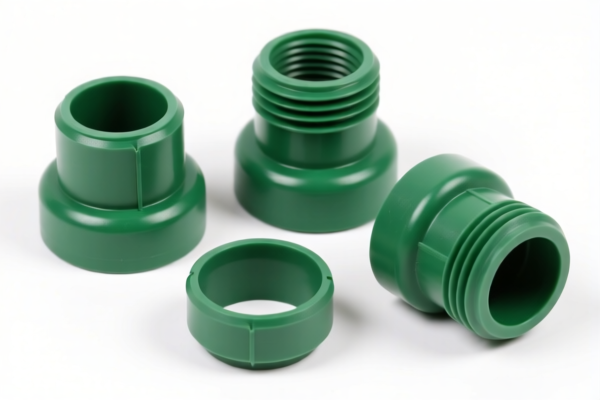
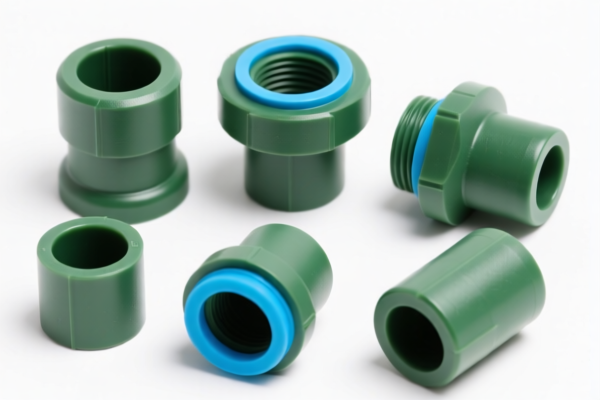
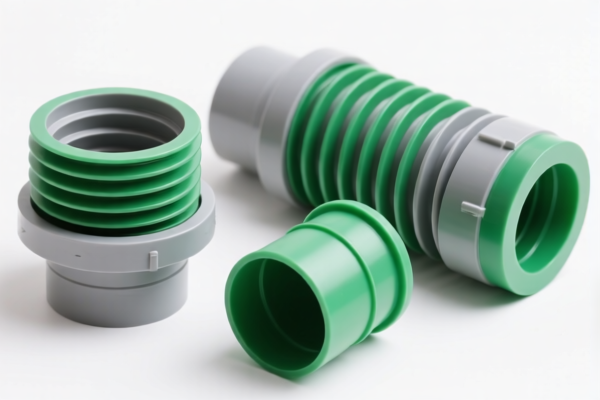
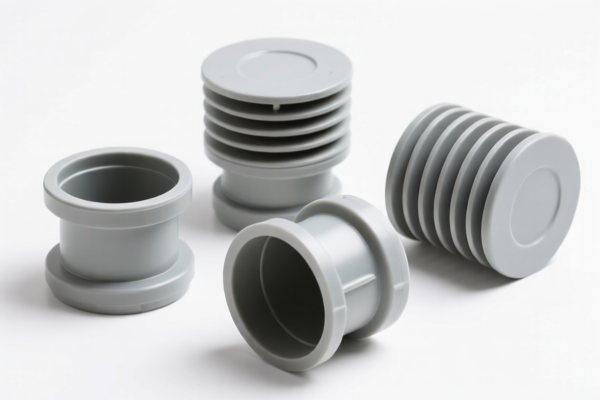
AI Analysis
🔧 PVC Fittings & Pipes (Polyvinyl Chloride)
🌐 HS Code Reference & Customs Clearance Guide | 2026 Latest Tariff Analysis | Strategic Clearance Strategy
📌 I. Product Definition: What Exactly Are "PVC Fittings"?
PVC fittings are critical components in fluid transportation systems. In international trade, they are generally classified into two main categories based on their shape and function:
- Pipes (Tubes/Piping): Long, cylindrical conduits used to transport fluids (water, electricity conduits, etc.).
HS Codes: Primarily3917.xx.xx(Plastics: Pipes, hoses, tubes, and accessories). - Fittings (Accessories): Components used to connect, terminate, change direction, or change the size of pipes (e.g., elbows, tees, couplings, reducers).
HS Codes: Can fall under3917.xx.xx(if considered accessories to pipes) or3926.xx.xx(if considered "other plastic articles" depending on specific country interpretation and shape).
⚠️ Key Distinction Point:
- If the item is strictly a pipe/tube →归入 3917 series.
- If the item is an accessory/fitting connecting pipes → It can be grouped under 3917 (as accessories) OR 3926 (as other plastic products), leading to different tax liabilities.
- Shape matters: A simple straight tube is a pipe; an angled elbow is a fitting/accessory.
📦 II. HS Code Classification Details (2026 Latest Tariff Authority Comparison)
Based on the provided data, here are the specific HS Codes and their rationales for PVC products:
| HS Code | Product Description | Classification Logic | Tax Rate (Total) |
|---|---|---|---|
3926.90.99.87 |
PVC Pipe Fittings | Material: PVC (Plastic). Form: Pipe Fittings. Fits the category of "accessories for electrical conduits/pipes." | 22.8% |
3917.40.00.20 |
PVC Pipe Fittings | Material: PVC/Polyvinyl Chloride. Form: Pipe Fittings. Meets material and usage requirements for classification explanation. | 40.3% |
3917.23.00.00 |
PVC Pipes | Material: Vinyl Chloride Polymers. Form: Pipes/Tubing. Matching success. | 38.1% |
3917.32.00.10 |
PVC Pipes | Material: PVC (Polyvinyl Chloride). Form: Pipes. Fully meets material and form requirements. | 38.1% |
3926.90.99.89 |
PVC Pipes | Material: PVC (Polyvinyl Chloride). Form: Pipes. Fits the "catch-all" definition of "other plastic articles." | 22.8% |
🔍 Critical Observation:
- Same Material, Different Codes, Different Taxes:
-3926.90.99.87(Fittings) and3926.90.99.89(Pipes) both have a 22.8% total tax rate.
-3917.40.00.20(Fittings) has a 40.3% total tax rate.
-3917.23.00.00and3917.32.00.10(Pipes) have a 38.1% total tax rate.
- Conclusion: Classifying PVC products under 3926 generally results in lower tariffs (22.8%) compared to 3917 (38.1%-40.3%) for similar PVC materials, provided the classification logic is accepted by customs.
💰 III. 2026 Latest Tariff Rate Breakdown (Including Surtaxes & Policy Surcharges)
✅ Applicable Country: United States (US)
✅ Origin: China (CN)
✅ Effective Date: 2025/2026 (Post-Section 301 & IEEPA adjustments)
🎯 1. 3926.90.99.87 – PVC Pipe Fittings (Catch-All Plastic Accessories)
| Item | Detail |
|---|---|
| Base Duty | 5.3% |
| Section 301 Surtax | 7.5% |
| Section 122 Tariff | 10% |
| Total Tax Rate | 22.8% |
| Tax Calculation | CIF Value × 22.8% |
| De Minimis Eligibility | ❌ No (High tax rate disqualifies from de minimis benefits in most strict interpretations) |
| Legal Basis Path | USITC:3926.90.99.87 → Section 301:7.5% → Section 122:10% |
📌 Explanation:
- This classification benefits from a lower Section 301 surcharge (7.5%) compared to the 3917 series.
- It is often used for "other plastic articles" that do not fit neatly into specific pipe accessory categories under 3917.
🎯 2. 3917.40.00.20 – PVC Pipe Fittings (Specific Accessory Category)
| Item | Detail |
|---|---|
| Base Duty | 5.3% |
| Section 301 Surtax | 25.0% |
| Section 122 Tariff | 10% |
| Total Tax Rate | 40.3% |
| Tax Calculation | CIF Value × 40.3% |
| De Minimis Eligibility | ❌ No |
| Legal Basis Path | USITC:3917.40.00.20 → Section 301:25% → Section 122:10% |
📌 Warning:
- This is the highest tax rate in the provided dataset.
- It applies to PVC fittings specifically classified under "Other pipes, tubes, and hoses... accessories" with a 25% Section 301 surcharge.
🎯 3. 3917.23.00.00 & 3917.32.00.10 – PVC Pipes
| Item | Detail |
|---|---|
| Base Duty | 3.1% (for 3917.23) / 3.1% (for 3917.32) |
| Section 301 Surtax | 25.0% |
| Section 122 Tariff | 10% |
| Total Tax Rate | 38.1% |
| Tax Calculation | CIF Value × 38.1% |
| De Minimis Eligibility | ❌ No |
| Legal Basis Path | USITC:3917.xx → Section 301:25% → Section 122:10% |
📌 Note:
- Pipes under 3917 attract the full 25% Section 301 surcharge.
- Base duties are slightly lower (3.1%) than for fittings (5.3%), but the surcharge makes the total higher than 3926 classifications.
🎯 4. 3926.90.99.89 – PVC Pipes (Other Plastic Articles)
| Item | Detail |
|---|---|
| Base Duty | 5.3% |
| Section 301 Surtax | 7.5% |
| Section 122 Tariff | 10% |
| Total Tax Rate | 22.8% |
| Tax Calculation | CIF Value × 22.8% |
| De Minimis Eligibility | ❌ No |
| Legal Basis Path | USITC:3926.90.99.89 → Section 301:7.5% → Section 122:10% |
📌 Strategic Advantage:
- By classifying PVC pipes as "Other Plastic Articles" (3926) instead of "Plastic Pipes" (3917), you save 15.3% in total tariffs (38.1% - 22.8% = 15.3% savings).
🛠️ IV. Customs Clearance Practical Advice (Real-World Pitfall Guide)
✅ 1. Documentation Checklist (Must-Have)
| Document | Required | Description |
|---|---|---|
| ✅ Product Specification Sheet | ✔️ | Dimensions, material composition (100% PVC vs. blended), pressure rating. |
| ✅ Photos (Clear) | ✔️ | Show shape: Is it a straight pipe? An elbow? A coupling? |
| ✅ Commercial Invoice | ✔️ | Clearly state "PVC Fittings" or "PVC Pipes." Avoid vague terms like "Plastic Parts." |
| ✅ Packing List | ✔️ | Separate pipes from fittings if possible to clarify contents. |
| ✅ Certificate of Origin (CO) | ✔️ | Essential for proving CN origin to apply surcharges correctly. |
✅ 2. Classification Strategy (Key Mnemonic)
🔥 "3926 Lower, 3917 Higher; Check Shape, Save Money!"
| Scenario | Recommended HS Code | Total Tax | Why? |
|---|---|---|---|
| Elbows, Tees, Couplings (Fittings) | 3926.90.99.87 |
22.8% | Classified as "Other Plastic Articles" → Lower Section 301 (7.5%). |
| Straight PVC Pipes | 3926.90.99.89 |
22.8% | Classified as "Other Plastic Articles" → Lower Section 301 (7.5%). |
| PVC Pipes (Standard) | 3917.23/32.xx |
38.1% | Classified as "Plastic Pipes" → Higher Section 301 (25%). |
| PVC Fittings (Strict Accessory) | 3917.40.00.20 |
40.3% | Classified as "Pipe Accessories" → Highest Section 301 (25%). |
⚠️ Critical Risk:
- If customs rejects the 3926 classification for pipes/fittings and forces them into 3917, you face a 15-17% tariff increase.
- Justification Tip: Emphasize that the products are "plastic articles for general use" or "electrical conduit accessories" rather than "hydrocarbon transport pipes" to support 3926 classification.
✅ 3. Special Cases
| Situation | Handling Advice |
|---|---|
| Mixed Shipment (Pipes + Fittings) | Declare separately if possible. If mixed, declare the higher value item first or seek advance ruling. |
| Colored/Marked PVC Pipes | Still classified under 3926 or 3917 based on shape, not color. Color does not change HS code. |
| Flexible PVC Hoses | Likely 3917.23 or 3917.24 → 38.1%. Harder to classify under 3926. |
| Rigid PVC Conduits (Electrical) | Strong case for 3926.90.99.87 (22.8%) if described as "electrical conduit accessories." |
🌍 V. Global Market Comparison (2026 Latest)
| Country/Region | Recommended HS Code | Tariff (China Origin) | Key Requirement |
|---|---|---|---|
| 🇺🇸 United States | 3926.90.99.87 / 89 |
22.8% | Strong justification for "Other Plastic Articles" to avoid 3917 surcharges. |
| 🇪🇺 European Union | 3917.23 / 24 |
~2.5-3.5% | Lower base duties. Focus on REACH compliance. |
| 🇨🇳 China (Import) | 3917.xx / 3926.xx |
5-12% | Standard VAT 13%. No Section 301. |
| 🇦🇺 Australia | 3917.xx |
5% | Focus on AS/NZS standards. |
📌 Conclusion:
- USA is the most critical market for tariff optimization due to Section 301 and Section 122 surcharges.
- 3926 classification offers significant savings (22.8% vs 38.1-40.3%) for PVC products.
📌 VI. Common Mistakes & Pitfall Guide (Lessons Learned)
❌ Mistake 1: Classifying all PVC items as 3917.40.00.20 (Fittings) without considering 3926.
👉 Result: Pay 40.3% tax instead of 22.8%. Loss of 17.5% profit margin.
❌ Mistake 2: Declaring "Plastic Pipes" as 3917 when they can be argued as 3926.
👉 Result: Pay 38.1% instead of 22.8%. Unnecessary cost.
❌ Mistake 3: Not providing clear photos of fittings.
👉 Result: Customs may misclassify elbows as "generic plastic parts" (90% tax) or force a conservative 3917 classification.
❌ Mistake 4: Ignoring Section 122 Tariff (10%).
👉 Result: Even with 3926, 10% is still due. Budget accordingly.
✅ Correct Approach:
"PVC Electrical Conduit Fittings, Elbow Type, 1/2 Inch, Material: Polyvinyl Chloride, HS Code: 3926.90.99.87"
🎯 VII. Conclusion: Professional Classification, Cost Savings, Efficiency!
🎯 Remember the Mnemonic:
🔹 "3926 Lower, 3917 Higher; Check Shape, Save Money!"
🔹 "Fittings & Pipes: 3926 wins at 22.8%, 3917 loses at 38-40%."
🔹 "Clear photos, precise descriptions, avoid 40% tax traps!"
📌 Pro Tip:
If you are exporting rigid PVC conduits for electrical wiring, strongly argue for 3926.90.99.87 (22.8%) rather than 3917 (38.1%). Provide data showing they are "accessories for electrical systems" rather than "fluid transport pipes."
📣 Immediate Action:
📞 Consult a licensed customs broker.
🖼️ Provide clear images of elbows, tees, and straight pipes.
📝 Apply for Advance Ruling if shipment value is high.
🚀 Optimize your HS Code, save 15-17% in tariffs!
✨ Professional clearance starts with precise classification!
💼 Every percentage point matters in global trade!
Customer Reviews
About HS Code Classification
The Harmonized System (HS) is an internationally standardized nomenclature developed by the World Customs Organization (WCO) to classify traded products. Over 200 countries use the HS system as the basis for customs tariffs, trade statistics, and import/export regulations.
Each HS code follows a hierarchical structure:
- Chapter (2 digits) — Broad category of goods (e.g., Chapter 84: Machinery and Mechanical Appliances)
- Heading (4 digits) — More specific grouping within the chapter
- Subheading (6 digits) — Internationally standardized breakdown, used by all WCO member countries
- National subdivisions (8-10 digits) — Country-specific extensions for further classification, such as US HTSUS 10-digit codes
Correct HS code classification is essential for smooth customs clearance, accurate duty payment, and compliance with trade regulations. Misclassification can lead to customs delays, overpayment of duties, or penalties.
When importing from CN to US, the applicable tariff rates may include:
- Most-Favored-Nation (MFN) rate — The standard duty rate applied to WTO members
- General rate — Applied to countries without trade agreements
- Trade remedy duties — Additional tariffs such as Section 301 (anti-dumping), Section 232 (national security), or countervailing duties
The information provided on this page is for reference purposes only. For official classification, please consult with your local customs authority or a licensed customs broker.