PVC Fittings
CN → US| HS Code | Tariff Rate | Origin | Destination | Doc |
|---|---|---|---|---|
| 3926909987 | 22.8% | CN | US | Official Doc |
| 3917400020 | 40.3% | CN | US | Official Doc |
| 3917230000 | 38.1% | CN | US | Official Doc |
| 3917320010 | 38.1% | CN | US | Official Doc |
| 3926909989 | 22.8% | CN | US | Official Doc |
Product Images
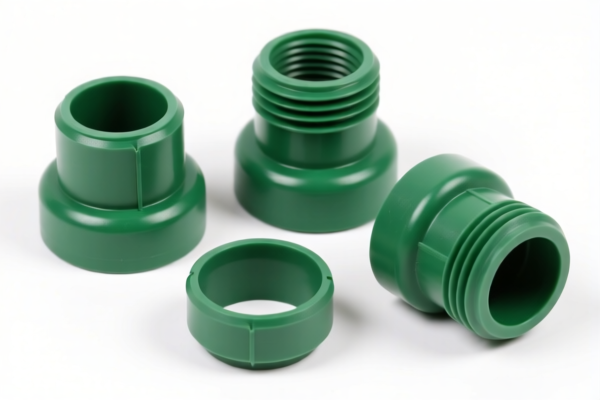
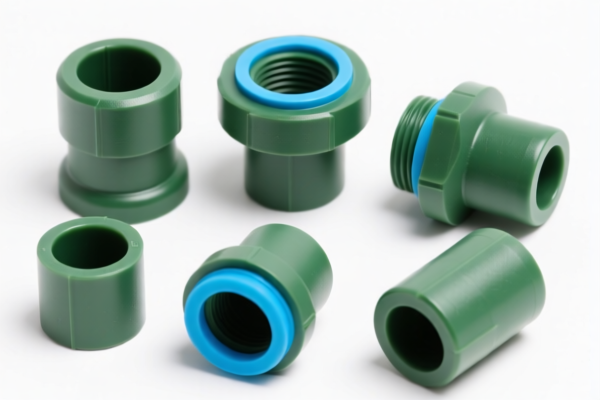
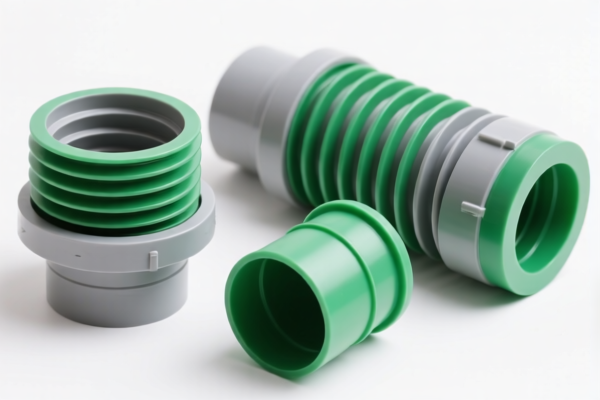
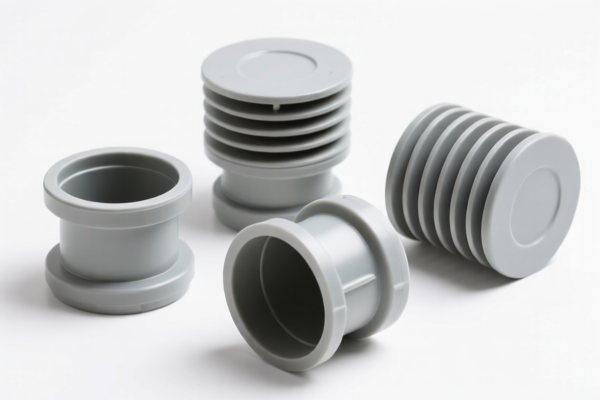
AI Analysis
🚰 PVC Fittings (Polyvinyl Chloride Pipe Accessories)
🌐 HS Code Reference & Customs Clearance Guide | 2026 Latest Tariff Analysis | Professional Clearance Strategy
📌 I. Product Definition & Classification: What Exactly Are "PVC Fittings"?
PVC fittings are essential components in plumbing, electrical conduit, and industrial piping systems. In international trade, they are primarily classified based on two key factors: 1. Material: Polyvinyl Chloride (PVC), a polymer of vinyl chloride. 2. Form/Function: Are they standalone pipes/tubes or accessories/joints (elbows, tees, couplings, etc.)?
⚠️ Critical Distinction Point:
- If the item is a pipe/tube used for conveying fluids or as conduit → Falls under Chapter 39, Heading 3917.
- If the item is an accessory/joint (not a continuous tube) or a general plastic part → May fall under Chapter 39, Heading 3926 (Other articles of plastics) or 3917 depending on specific construction and usage.
📦 II. HS Code Classification Details (2026 Latest Tariff Authority Comparison)
Based on the provided data, here are the specific HS codes applicable to PVC fittings and pipes, along with their exact tax burdens.
| HS Code | Product Description | Key Characteristics | Total Tax Rate |
|---|---|---|---|
3926.90.99.87 |
PVC Pipe Fittings (Accessories) | Material: PVC (Plastic); Form: Pipe Accessories. Fits the category of accessories for electrical conduits/tubes. | 22.8% |
3917.40.00.20 |
PVC Pipe Fittings (Specialized) | Material: PVC; Form: Pipe Accessories. Matches material and usage requirements in classification notes. | 40.3% |
3917.23.00.00 |
PVC Pipes | Material: Vinyl Chloride Polymer; Form: Tubes/Pipes. Match successful. | 38.1% |
3917.32.00.10 |
PVC Pipes (Rigid/Thermoplastic) | Material: PVC; Form: Tubes/Pipes. Fully matches material and form requirements. | 38.1% |
3926.90.99.89 |
PVC Pipes/Plastic Articles (General) | Material: PVC; Form: Pipes. Classified as "Other plastic articles" (fallback definition). | 22.8% |
🔍 Key Insight:
- Items classified under3917.xxxx(Pipes/Tubes) generally attract 38.1% total tax due to higher USITC surcharges (25%).
- Items classified under3926.90.99(Other Plastic Articles/General Fittings) attract 22.8% total tax due to lower USITC surcharges (7.5%).
- Exception: One specific fitting code (3917.40.00.20) carries a punitive 40.3% tax due to specific 122条款 (Section 122) and higher surcharge applications.
💰 III. 2026 Latest Tariff Rate Breakdown (Including Surcharges & Policy Add-ons)
✅ Applicable Country: United States (US)
✅ Origin: China (CN)
✅ Effective Time: 2025-2026 Tariff Period (Current Active Rates)
🎯 1. 3926.90.99.87 & 3926.90.99.89 —— General PVC Fittings/Plastic Articles
| Item | Detail |
|---|---|
| Base Tariff | 5.3% (Most Favored Nation Rate) |
| Section 301 Surcharge | +7.5% (Additional duty on Chinese goods under Heading 3926) |
| Section 122/Other Surcharge | +10% (Specific policy surcharge as noted in data) |
| Total Effective Tax | 22.8% |
| Calculation Basis | CIF Value × 22.8% |
| De Minimis Exemption | ❌ NOT Eligible (Section 301 duties apply even to low-value shipments) |
| Legal Basis Path | HTSUS:3926.90.99 → Section 301: List 4 → Section 122 Add-on |
📌 Explanation:
- These codes fall under "Other articles of plastics."
- The 7.5% is the standard additional duty for many plastic goods from China.
- The 10% is an additional policy layer.
- Total 22.8% is significantly lower than the pipe category.
🎯 2. 3917.40.00.20 —— Specialized PVC Pipe Fittings
| Item | Detail |
|---|---|
| Base Tariff | 5.3% |
| Section 301 Surcharge | +25.0% (High tariff rate for specific pipe accessories) |
| Section 122/Other Surcharge | +10% |
| Total Effective Tax | 40.3% |
| Calculation Basis | CIF Value × 40.3% |
| De Minimis Exemption | ❌ NOT Eligible |
| Legal Basis Path | HTSUS:3917.40.00 → Section 301: List 4A → Section 122 Add-on |
📌 Warning:
- This is the highest tax bracket in the provided data.
- Likely classified as "Other pipes, tubes, and hoses... fittings" under a specific subheading that attracts the full 25% tariff wall.
🎯 3. 3917.23.00.00 & 3917.32.00.10 —— PVC Pipes/Tubes
| Item | Detail |
|---|---|
| Base Tariff | 3.1% |
| Section 301 Surcharge | +25.0% |
| Section 122/Other Surcharge | +10% |
| Total Effective Tax | 38.1% |
| Calculation Basis | CIF Value × 38.1% |
| De Minimis Exemption | ❌ NOT Eligible |
| Legal Basis Path | HTSUS:3917.23/3917.32 → Section 301: List 4 → Section 122 Add-on |
📌 Note:
- Base duty is lower (3.1%), but the 25% surcharge dominates the cost.
- These codes are for pipes/tubes themselves, not just fittings.
🛠️ IV. Customs Clearance Practical Advice (Real-World Pitfall Avoidance)
✅ 1. Preparation Checklist (Non-Negotiable)
| Document | Required? | Explanation |
|---|---|---|
| ✅ Product Spec Sheet | ✔️ | Must clearly state: Material (PVC), Shape (Pipe vs. Fitting), Pressure Rating. |
| ✅ Photos of Product | ✔️ | Show connection types (solvent weld, threaded, push-fit). Distinguish between "continuous tube" and "pre-cut fitting." |
| ✅ Commercial Invoice | ✔️ | Must use precise description: e.g., "PVC Elbow Fitting" vs. "PVC Conduit Pipe." |
| ✅ Material Safety Data Sheet (MSDS) | ✔️ | Required for plastic chemicals/polymers. |
| ✅ Origin Certificate | ✔️ | Proof of Chinese origin triggers 301 duties. |
| ✅ HS Code Pre-Ruling | ✔️ | Highly Recommended due to complex tariff differences (22.8% vs 40.3%). |
✅ 2. Classification Strategy & Tips
🔥 "Shape Determines Duty, Fit vs. Tube is the Key!"
| Scenario | Correct HS Code | Why? | Tax Impact |
|---|---|---|---|
| Elbows, Tees, Couplings (Pre-cut shapes) | 3926.90.99.87 (Best Option) |
Classified as "Other plastic articles" or "Accessories" rather than "Pipes." | 22.8% (Save ~15-17%) |
| Long Continuous PVC Tubes | 3917.32.00.10 |
Classified as "Tubes/Pipes" under Chapter 3917. | 38.1% |
| Specific Fittings under 3917.40 | 3917.40.00.20 |
If customs interprets as "other pipes/tubes/hoses fittings" with high surcharge. | 40.3% (Avoid if possible) |
| Generic Plastic Parts | 3926.90.99.89 |
Fallback for plastic articles not elsewhere specified. | 22.8% |
📌 Pro Tip:
- If you sell fittings (joints, elbows, reducers), explicitly describe them as "Accessories" or "Fittings" in the invoice, not "Pipes."
- Ensure the form is clearly distinguishable from a continuous tube. Pre-cut shapes favor3926.
🌍 V. Global Market Comparison (2026 Update)
| Country/Region | Recommended HS Code | Est. Tariff (China Origin) | Notes |
|---|---|---|---|
| 🇺🇸 USA | 3926.90.99.87 |
22.8% | Most favorable for fittings. Avoid 3917 if possible. |
| 🇺🇸 USA | 3917.32.00.10 |
38.1% | For pipes/tubes. High surcharge applies. |
| 🇨🇳 China | 3917/3926 |
5-6% | Standard import duty. No Section 301. |
| 🇪🇺 EU | 3917 / 3926 |
6.5% | Standard MFN rate. No additional political surcharges. |
| 🇬🇧 UK | 3917 / 3926 |
6.5% | Post-Brexit standard rate. |
📌 Conclusion:
- The USA is the most challenging market due to Section 301 & 122 surcharges.
- Classification as3926(Fittings/Accessories) saves 15-17% compared to3917(Pipes).
📌 VI. Common Mistakes & Pitfalls (Lessons Learned)
❌ Mistake 1: Calling "PVC Elbows" as "PVC Pipes"
👉 Result: Custom may reclassify to 3917 → Tax jumps from 22.8% to 38.1%.
❌ Mistake 2: Ignoring "Section 122" Add-on
👉 Result: Underestimating total tax liability by 10%. Total tax is not just Base + 301.
❌ Mistake 3: Assuming All Fittings Are 3926
👉 Result: If the fitting is part of a specialized pipe system classified under 3917.40, tax could be 40.3%. Always verify specific subheading notes.
❌ Mistake 4: Using Generic Terms Like "Plastic Parts"
👉 Result: Customs may choose the highest duty rate. Be specific: "PVC Electrical Conduit Fitting."
✅ Correct Approach:
"PVC Schedule 40 Elbow Fitting, 1/2 Inch, Solvent Weld, for Electrical Conduit, Model XYZ, China Origin"
🎯 VII. Conclusion: Precision in Classification Saves Money!
🎯 Remember This Mantra:
🔹 "Fittings = 22.8%, Pipes = 38.1%, Bad Fittings = 40.3%!"
🔹 "Describe shape, not just material. Avoid 3917 if you can claim 3926!"
📌 Pro Tip:
- If your product is truly a fitting (elbow, tee, coupling), insist on
3926.90.99.87.- If you are shipping long coils of tubing, it will be
3917.32.00.10.- Always apply for an Advance Ruling if your product is borderline between pipe and fitting.
📣 Action Item:
📞 Consult a customs broker with product photos.
📄 Ensure invoices clearly distinguish between "Pipes" and "Fittings."
🚀 Optimize for 22.8% tax rate whenever possible.
✨ Professional Clearance Starts with Accurate Classification!
💼 Your Cost Efficiency Depends on the First Three Digits of HS Code!
Customer Reviews
About HS Code Classification
The Harmonized System (HS) is an internationally standardized nomenclature developed by the World Customs Organization (WCO) to classify traded products. Over 200 countries use the HS system as the basis for customs tariffs, trade statistics, and import/export regulations.
Each HS code follows a hierarchical structure:
- Chapter (2 digits) — Broad category of goods (e.g., Chapter 84: Machinery and Mechanical Appliances)
- Heading (4 digits) — More specific grouping within the chapter
- Subheading (6 digits) — Internationally standardized breakdown, used by all WCO member countries
- National subdivisions (8-10 digits) — Country-specific extensions for further classification, such as US HTSUS 10-digit codes
Correct HS code classification is essential for smooth customs clearance, accurate duty payment, and compliance with trade regulations. Misclassification can lead to customs delays, overpayment of duties, or penalties.
When importing from CN to US, the applicable tariff rates may include:
- Most-Favored-Nation (MFN) rate — The standard duty rate applied to WTO members
- General rate — Applied to countries without trade agreements
- Trade remedy duties — Additional tariffs such as Section 301 (anti-dumping), Section 232 (national security), or countervailing duties
The information provided on this page is for reference purposes only. For official classification, please consult with your local customs authority or a licensed customs broker.