PVC Floor Decorative Film
CN → US| HS Code | Tariff Rate | Origin | Destination | Doc |
|---|---|---|---|---|
| 3920490000 | 40.8% | CN | US | Official Doc |
| 3919905040 | 40.8% | CN | US | Official Doc |
| 3919905060 | 40.8% | CN | US | Official Doc |
| 3920435000 | 39.2% | CN | US | Official Doc |
| 3921125000 | 41.5% | CN | US | Official Doc |
Product Images
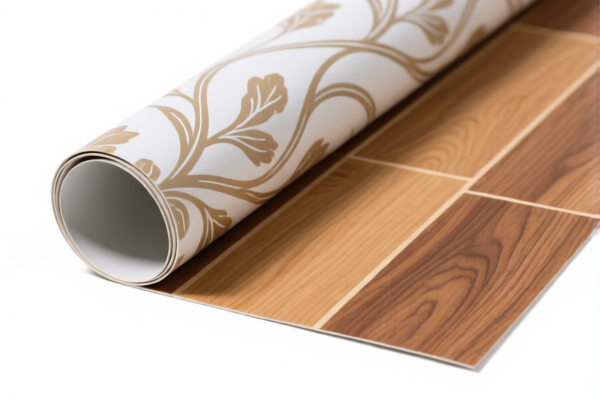
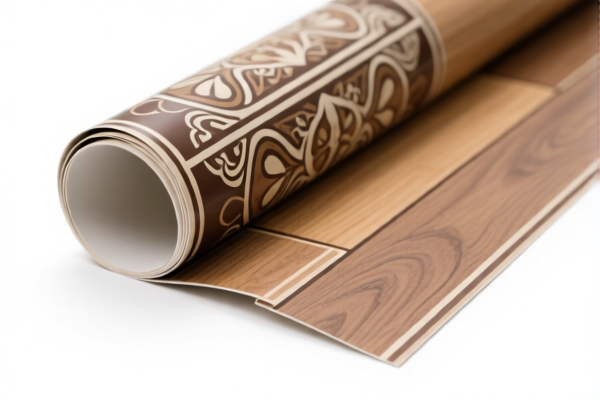
AI Analysis
🖼️ PVC Floor Decorative Film (Vinyl Flooring & Decorative Membranes)
🌐 HS Code Reference & Customs Clearance Guide | 2026 Latest Tariff Analysis | Professional Clearance Strategy 📌 I. Product Definition & Classification: Do You Know Your "PVC Film"?
PVC Floor Decorative Film is a versatile material used primarily in flooring applications, wall coverings, and furniture laminates. In international trade, it is categorized based on its form (roll/sheet vs. self-adhesive) and structure (plain, cellular, or layered).
Key Distinction Points: * Self-Adhesive vs. Non-Adhesive: Is it sticky on one side (like wallpaper/tape) or does it require glue/seaming (like traditional vinyl rolls)? * Structure: Is it a solid homogeneous film, or does it have a cellular/foamed core? * Application: Is it strictly for flooring, or general decorative covering?
⚠️ Critical Classification Logic: * If it is a solid, non-self-adhesive film → Look at Chapter 3920. * If it is self-adhesive (ready to stick) → Look at Chapter 3919. * If it has a cellular/foamed core → Look at Chapter 3921.
📦 II. HS Code Classification Details (2026 Latest Tariff Authority Comparison)
Based on the specific characteristics of PVC Floor Decorative Films, here are the most accurate HS Code mappings and their corresponding tax implications.
| HS Code | Product Description & Summary | Application Scenario | Structural Feature |
|---|---|---|---|
3920.49.00.00 |
PVC Films (Other) | General decorative PVC films, non-adhesive flooring base layers | Solid PVC (Vinyl Polymer) Film |
3919.90.50.40 |
Self-Adhesive PVC Membranes | Self-adhesive vinyl tiles, peel-and-stick flooring, decorative tapes | Self-adhesive Plastic Film |
3919.90.50.60 |
Decorative Self-Adhesive Membranes | Wall/floor decorative coverings, self-adhesive laminates | Flat-shaped Self-Adhesive/Coating |
3920.43.50.00 |
Solid PVC Films | High-density PVC flooring, industrial vinyl sheets | Polyvinyl Chloride (PVC) Polymer |
3921.12.50.00 |
Cellular PVC Films | Foam-backed vinyl flooring, cushioned vinyl rolls | Cellular/Honeycomb PVC Structure |
3921.12.19.50 |
Other PVC Films (Cellular) | Specialized decorative PVC films, "Other" category inference | PVC Polyvinyl Chloride, Cellular/Other |
🔍 Key Insight: * 3919 Series applies ONLY if the product has a self-adhesive backing. If you are gluing it down, it is likely 3920 or 3921. * 3921 Series applies if the PVC film has a foamed/cellular structure (often used for comfort in luxury vinyl tile/roll). * 3920 Series is the standard for solid, non-adhesive PVC films.
💰 III. 2026 Latest Tariff Rate Breakdown (Including Surcharges & Policy Add-ons)
✅ Applicable Country: United States (US) ✅ Origin: China (CN) ✅ Effective Date: 2025/2026 (Includes Section 301 & 122 Measures)
🎯 1. 3920.49.00.00 & 3919.90.50.40 & 3919.90.50.60 —— General PVC Films & Self-Adhesive Membranes
| Item | Content |
|---|---|
| Base Tariff Rate | 5.8% (Ad Valorem) |
| Section 301 Surcharge | +25.0% (Retaliatory Tariff on Chinese Goods) |
| Section 122 Surcharge | +10.0% (Targeted Tariff on Specific Vinyl/Film Products) |
| Total Tariff Rate | 40.8% |
| Tax Calculation | CIF Value × 40.8% |
| De Minimis Eligibility | ❌ Not Eligible (Section 301 and 122 surcharges break the $800 threshold exemption) |
| Legal Basis Path | Section 301 → Section 122 → USITC:3920.49.00.00 / 3919.90.50.40 / 3919.90.50.60 |
📌 Explanation: * The 25% Section 301 tariff applies to most Chinese-origin plastic articles. * The 10% Section 122 tariff specifically targets certain PVC film and sheet products to protect domestic manufacturers. * Combined Total: 40.8%. This is a high-cost category.
🎯 2. 3920.43.50.00 —— Solid PVC Films
| Item | Content |
|---|---|
| Base Tariff Rate | 4.2% (Ad Valorem) |
| Section 301 Surcharge | +25.0% |
| Section 122 Surcharge | +10.0% |
| Total Tariff Rate | 39.2% |
| Tax Calculation | CIF Value × 39.2% |
| De Minimis Eligibility | ❌ Not Eligible |
| Legal Basis Path | Section 301 → Section 122 → USITC:3920.43.50.00 |
📌 Note: * Slightly lower base rate (4.2% vs 5.8%) results in a total of 39.2%. * Still subject to heavy punitive tariffs.
🎯 3. 3921.12.50.00 & 3921.12.19.50 —— Cellular/Other PVC Films
| Item | Content |
|---|---|
| Base Tariff Rate | 6.5% (3921.12.50.00) / 5.3% (3921.12.19.50) |
| Section 301 Surcharge | +25.0% |
| Section 122 Surcharge | +10.0% |
| Total Tariff Rate | 41.5% (3921.12.50.00) / 40.3% (3921.12.19.50) |
| Tax Calculation | CIF Value × Total Rate |
| De Minimis Eligibility | ❌ Not Eligible |
| Legal Basis Path | Section 301 → Section 122 → USITC:3921.12.50.00 / 3921.12.19.50 |
📌 Note: * Cellular films often have higher base rates due to specific manufacturing classifications. * Total rates range from 40.3% to 41.5%.
🛠️ IV. Customs Clearance Practical Advice (Real-World Pitfall Avoidance)
✅ 1. Preparation Checklist (Non-negotiable)
| Document | Must Provide | Explanation |
|---|---|---|
| ✅ Product Specification Sheet | ✔️ | Must detail: Thickness, Width, Roll Length, Composition (100% PVC?), Surface Texture (Embossed/Smooth). |
| ✅ Structure Diagram | ✔️ | Crucial to prove if it is Solid (3920), Cellular (3921), or Self-Adhesive (3919). |
| ✅ Product Photos | ✔️ | Close-up of cross-section (to see if foamed) and back side (to see if adhesive). |
| ✅ Commercial Invoice | ✔️ | Must clearly state "PVC Decorative Film for Flooring" and Country of Origin: China. |
| ✅ Bill of Lading | ✔️ | Ensure packaging details match the invoice. |
| ✅ Test Report | ✔️ | Fire retardancy, VOC emissions (important for indoor flooring). |
✅ 2. Declaration Tips (Golden Rules)
🔥 “Adhesive or Solid? Cellular or Plain? Name it right, tax won’t fight!”
| Scenario | Correct Declaration | Common Mistake |
|---|---|---|
| Peel-and-stick Vinyl Tiles | 3919.90.50.40 / 3919.90.50.60 (Self-Adhesive) |
Calling it "PVC Film" → Might be misclassified as solid (3920) → Risk of audit. |
| Glue-down Vinyl Rolls | 3920.49.00.00 / 3920.43.50.00 (Solid Film) |
Calling it "Flooring" → Incorrect chapter; use PVC film codes. |
| Foam-backed Vinyl | 3921.12.50.00 (Cellular) |
Calling it "Solid PVC" → Higher base rate risk, though total tariff similar. |
| Composite Materials | Check if >50% PVC | If mixed with fabric/paper, classification changes entirely! |
✅ 3. Special Circumstances Handling
| Situation | Handling Advice |
|---|---|
| Transshipment via Vietnam/Malaysia | ⚠️ High Risk: US CBP aggressively audits "Rule of Origin". If PVC resin is from China, transshipment does not bypass Section 301/122 tariffs. |
| "Low Value" Shipment (<$800) | ❌ No Exemption: Section 301 and 122 tariffs apply even to de minimis shipments. Do not risk it. |
| Customs Value Dispute | Use Transaction Value method. Ensure invoice reflects fair market value, not inflated for insurance. |
🌍 V. Global Market Comparison (2026 Latest)
| Country/Region | Recommended HS Code | Tariff (China Origin) | Certification Requirements | Notes |
|---|---|---|---|---|
| 🇺🇸 USA | 3920.49.00.00 / 3919.90.50.40 |
39.2% – 41.5% | FTC Flammability, CARB/CA Proposition 65 (VOC) | Highest cost. Section 301 + 122 applies. |
| 🇨🇳 China | 3920.49.00.00 |
5.8% | CCC (if applicable), Environmental Labels | Low tariff for domestic use. |
| 🇪🇺 EU | 3920.49.00.00 |
6.5% | REACH, RoHS, Ecolabel | No Section 301/122 equivalent. Easier entry. |
| 🇬🇧 UK | 3920.49.00.00 |
6.5% | UKCA, REUK | Post-Brexit, similar to EU but separate certification. |
| 🇦🇺 Australia | 3920.49.00.00 |
5.0% | AEC (Australian Emissions) | Moderate tariff, no punitive surcharges. |
📌 Conclusion: * The US is the most expensive market for PVC films due to the叠加 (superposition) of Section 301 (25%) and Section 122 (10%) tariffs. * Total landed cost can increase by ~40%. Profit margins must account for this. * Alternative Markets: EU, UK, and Australia offer significantly lower barriers for PVC products.
📌 VI. Common Errors & Pitfall Guide (Lessons from Blood & Tears)
❌ Mistake 1: Declaring "Self-Adhesive Film" as "Solid Film" (3920) to avoid "Adhesive" scrutiny.
👉 Consequence: CBP may reclassify it, leading to penalties and back-taxes. Even if rates are similar, misdeclaration is fraud.
❌ Mistake 2: Ignoring the Section 122 Tariff. 👉 Consequence: Many importers forget the extra 10%. They prepare for 25% (Section 301) but face a 35-40% bill. Cash flow crisis!
❌ Mistake 3: Using "Vinyl Flooring" as the description without specifying PVC Content. 👉 Consequence: CBP may ask for proof of composition. If it's not 100% PVC, the HS Code changes. Delays & Demurrage charges.
❌ Mistake 4: Assuming De Minimis ($800) exemption applies. 👉 Consequence: Full Tax + Penalty. Section 301/122 goods are explicitly excluded from the de minimis rule.
✅ Correct Approach:
"PVC Decorative Film, Solid, Non-Adhesive, 2mm Thickness, Width 1.2m, Roll 30m, Model XYZ, 100% Polyvinyl Chloride, Made in China"
🎯 VII. Conclusion: Precision in Classification Saves Thousands!
🎯 Remember the Golden Rules:
🔹 "Adhesive? Check 3919. Solid? Check 3920. Foamed? Check 3921." 🔹 "US Market = 40% Tax. Plan Margin Accordingly!" 🔹 "De Minimis is Dead for PVC. Declare Everything!"
📌 Pro Tip: If your PVC film is produced in Vietnam, India, or Mexico, you may be eligible for lower Section 301 rates or FTA benefits (e.g., USMCA for Mexico). Recommendation: Apply for an Advance Ruling from US CBP if you are importing large volumes to lock in the correct HS Code and tariff rate.
📣 Immediate Action:
📞 Contact a Professional Customs Broker + Provide Product Cross-Section Photos + Verify Origin 🚀 Ensure Smooth Clearance, Avoid Surprises, Maximize Profit!
✨ Professional Clearance Starts with Accurate Classification! 💼 Every Percentage Point of Tax Matters in the PVC Film Business!
Customer Reviews
About HS Code Classification
The Harmonized System (HS) is an internationally standardized nomenclature developed by the World Customs Organization (WCO) to classify traded products. Over 200 countries use the HS system as the basis for customs tariffs, trade statistics, and import/export regulations.
Each HS code follows a hierarchical structure:
- Chapter (2 digits) — Broad category of goods (e.g., Chapter 84: Machinery and Mechanical Appliances)
- Heading (4 digits) — More specific grouping within the chapter
- Subheading (6 digits) — Internationally standardized breakdown, used by all WCO member countries
- National subdivisions (8-10 digits) — Country-specific extensions for further classification, such as US HTSUS 10-digit codes
Correct HS code classification is essential for smooth customs clearance, accurate duty payment, and compliance with trade regulations. Misclassification can lead to customs delays, overpayment of duties, or penalties.
When importing from CN to US, the applicable tariff rates may include:
- Most-Favored-Nation (MFN) rate — The standard duty rate applied to WTO members
- General rate — Applied to countries without trade agreements
- Trade remedy duties — Additional tariffs such as Section 301 (anti-dumping), Section 232 (national security), or countervailing duties
The information provided on this page is for reference purposes only. For official classification, please consult with your local customs authority or a licensed customs broker.