PVC Floor Leather
CN → US| HS Code | Tariff Rate | Origin | Destination | Doc |
|---|---|---|---|---|
| 3918102000 | 40.3% | CN | US | Official Doc |
| 3918101040 | 40.3% | CN | US | Official Doc |
| 3920435000 | 39.2% | CN | US | Official Doc |
| 3920490000 | 40.8% | CN | US | Official Doc |
| 3926909989 | 22.8% | CN | US | Official Doc |
Product Images
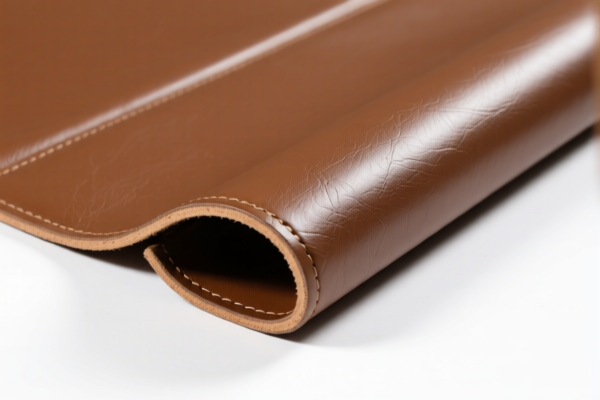
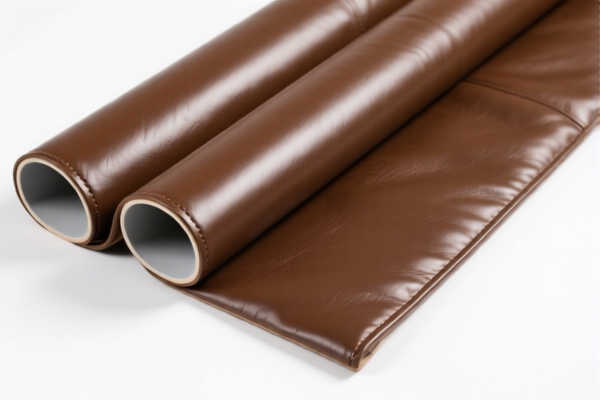
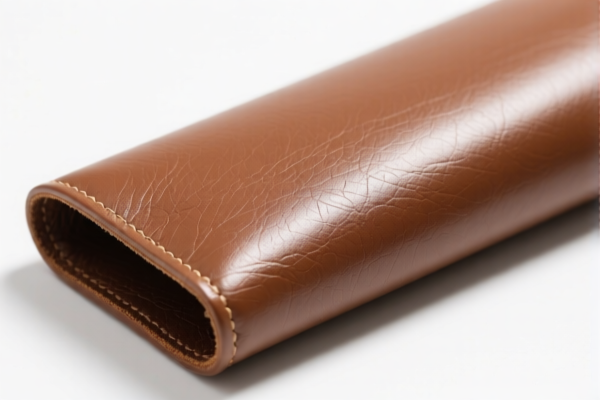

AI Analysis
🏠 PVC Floor Leather (Vinyl Flooring)
🌐 HS Code Reference & Customs Clearance Guide | 2026 Latest Tariff Analysis | Professional通关 Strategy for US Imports
📌 I. Product Definition & Classification: What Exactly Is "PVC Floor Leather"?
In international trade, "PVC Floor Leather" (commonly known as Vinyl Flooring or LVT/LVP) is not a single standardized term but a broad category of plastic sheet flooring. Its classification depends strictly on manufacturing process, material composition, and physical form.
1. Rigid Core Vinyl (SPC/WPC): Often classified as plastic sheets because the core is mixed with limestone/plastic.
2. Flexible Vinyl Tiles/Sheets: Classified based on whether they are "floor coverings" specifically designed for floors or general "plastic plates/sheets."
⚠️ Key Classification Distinction:
- If it is a finished flooring product intended for installation → Usually falls under 3918 (Floor Coverings of Plastics).
- If it is a raw plastic sheet/plate not yet processed into a specific floor covering shape → May fall under 3920 (Plates, Sheets, Foils, Strips, Not Cellular).
- If it is a miscellaneous plastic article (e.g., loose rolls with complex backing not clearly defined as floor covering) → May fall under 3926 (Other articles of plastics).
📦 II. HS Code Classification Details (2026 Latest Tariff Authority)
Based on the provided dataset, here are the specific HS Codes for PVC Floor Leather:
| HS Code | Product Description | Application/Scenario | Key Differentiator |
|---|---|---|---|
3918.10.20.00 |
PVC Floor Covering: Material is PVC, intended as floor covering. | Standard vinyl flooring planks/tiles for residential/commercial use. | Explicitly defined as "Floor Covering." |
3918.10.10.40 |
PVC Floor Covering: Material is PVC polymer, intended as floor covering. | Similar to above, often used for specific polymer compositions in floor coverings. | Explicitly defined as "Floor Covering." |
3920.43.50.00 |
PVC Floor Sheet: Material is PVC, form is plate/sheet product. | Vinyl rolls or sheets where the primary characteristic is the plastic sheet nature. | Classified as "Plastic Plate/Sheet" rather than finished floor covering. |
3920.49.00.00 |
Vinyl Polymer Floor Sheet: Material is vinyl polymer, form is plastic plate. | Vinyl-based sheets not specifically molded as flooring but sold as sheet material. | Broad category for vinyl polymer sheets. |
3926.90.99.89 |
Other PVC Floor Article: Unclassified plastic article. | PVC flooring with complex multi-layer structures or accessories not fitting 3918/3920. | "Catch-all" for unlisted plastic items. |
🔍 Critical Note:
- HS Code 3918 is generally for finished floor coverings.
- HS Code 3920 is for plastic sheets/plates (which may be cut to size later).
- Misclassification can lead to significant duty differences due to the Section 301 and Section 122 tariffs applied differently.
💰 III. 2026 Latest Tariff Rate Breakdown (Including Additional Duties & Policy Surcharges)
✅ Applicable Country: United States (US)
✅ Country of Origin: China (CN)
✅ Effective Time: Current US Trade Policy (Section 301 & Section 122)
🎯 1. 3918.10.20.00 & 3918.10.10.40 —— PVC Floor Coverings
| Item | Detail |
|---|---|
| Base Duty Rate | 5.3% (MFN Rate) |
| Section 301 Additional Duty | +25.0% (Trump/USITC Tariff on Chinese Goods) |
| Section 122 Duty | +10.0% (Additional duty on certain imports, often applied to consumer goods/plastics) |
| Total Tax Rate | 40.3% |
| Calculation Basis | CIF Value × 40.3% |
| De Minimis Exemption? | ❌ NO (Section 301 and Section 122 duties cannot be avoided via $800 de minimis entry) |
| Legal Authority Path | HTSUS:3918.10 → USITC Footnote 4 (Sec 301) → 19 CFR 301.101 → Section 122 Authority |
📌 Explanation:
- These codes are for finished floor coverings.
- The 40.3% rate is extremely high due to the combination of Base Duty (5.3%) + Section 301 (25%) + Section 122 (10%).
- Must pay full duty at border. No loopholes.
🎯 2. 3920.43.50.00 —— PVC Plastic Sheets (Flooring Sheets)
| Item | Detail |
|---|---|
| Base Duty Rate | 4.2% (MFN Rate) |
| Section 301 Additional Duty | +25.0% |
| Section 122 Duty | +10.0% |
| Total Tax Rate | 39.2% |
| Calculation Basis | CIF Value × 39.2% |
| De Minimis Exemption? | ❌ NO |
| Legal Authority Path | HTSUS:3920.43 → USITC Footnote 4 → Section 122 |
📌 Explanation:
- Slightly lower base duty (4.2% vs 5.3%) results in a 1.1% lower total rate compared to 3918.
- Still subject to heavy sanctions. Common for vinyl rolls sold to be cut by retailers.
🎯 3. 3920.49.00.00 —— Other Vinyl Polymer Sheets
| Item | Detail |
|---|---|
| Base Duty Rate | 5.8% |
| Section 301 Additional Duty | +25.0% |
| Section 122 Duty | +10.0% |
| Total Tax Rate | 40.8% |
| Calculation Basis | CIF Value × 40.8% |
| De Minimis Exemption? | ❌ NO |
📌 Explanation:
- Highest base duty (5.8%) among the sheet categories.
- Total rate is 40.8%, the highest in the dataset. Avoid if possible unless product strictly fits this description.
🎯 4. 3926.90.99.89 —— Other Plastic Articles (Miscellaneous)
| Item | Detail |
|---|---|
| Base Duty Rate | 5.3% |
| Section 301 Additional Duty | +7.5% (Reduced Section 301 Rate for Certain Items) |
| Section 122 Duty | +10.0% |
| Total Tax Rate | 22.8% |
| Calculation Basis | CIF Value × 22.8% |
| De Minimis Exemption? | ❌ NO (Section 122 and 301 still apply) |
| Legal Authority Path | HTSUS:3926.90 → USITC Footnote 10 (Reduced Sec 301) → Section 122 |
📌 Explanation:
- Lowest total rate: 22.8%.
- This applies if the PVC floor product does not fit neatly into "floor coverings" (3918) or "sheets" (3920), but is considered a "miscellaneous plastic article."
- Risk: Customs may challenge this classification if the item is clearly a floor covering. Misclassification can lead to penalties.
- The Section 301 rate is lower (7.5% vs 25%) because certain subcategories under 3926 enjoy reduced tariffs.
🛠️ IV. Customs Clearance Practical Advice (Battle-Tested Guide)
✅ 1. Required Documentation Checklist (No Exceptions)
| Document | Mandatory? | Notes |
|---|---|---|
| ✅ Product Specification Sheet | ✔️ | Must detail: Material (PVC/Vinyl), Thickness, Core Type (SPC/WPC), Wear Layer, Intended Use. |
| ✅ Commercial Invoice | ✔️ | Clearly state "PVC Floor Covering" or "Vinyl Sheets." Avoid vague terms like "Floor Leather" without HS code reference. |
| ✅ Packing List | ✔️ | Must match invoice. Include gross/net weight, dimensions. |
| ✅ Certificate of Origin (CO) | ✔️ | Required for Section 301 determination. Must state "Origin: China." |
| ✅ Declaration of Compliance | ✔️ | If applicable, show no restricted substances (lead, phthalates) beyond US limits. |
| ✅ Section 301 Exclusion Request | ❌ | NOT AVAILABLE for these HS codes. Do not waste time applying. |
✅ 2. Classification Strategy & Pitfalls
🔥 Golden Rule: "Define by End-Use, Not by Material Alone!"
| Scenario | Recommended HS Code | Why? | Risk |
|---|---|---|---|
| Finished Vinyl Planks/Tiles (Ready to install) | 3918.10.20.00 |
Explicitly "Floor Covering." | Low risk. High duty (40.3%). |
| Rolls of Vinyl Flooring (To be cut on-site) | 3920.43.50.00 |
Classified as "Plastic Sheet." | Low risk. Slightly lower duty (39.2%). |
| Multi-layer Flooring with Complex Backing (Not clearly a sheet) | 3926.90.99.89 |
"Other Plastic Article." | High Audit Risk. If Customs argues it’s a floor covering, they may reassess to 3918 (40.3%). Only use if structure is truly unique. |
| Sample Rolls for Testing | 3920.43.50.00 |
Same as finished rolls. | Ensure samples are not "commercial goods" disguised. |
⚠️ Warning:
- Do NOT use "Section 321" (De Minimis) to avoid Section 301/122.
- US Customs and Border Protection (CBP) actively monitors Section 321 entries for PVC flooring from China to prevent tariff evasion.
- Penalty: If caught, you will pay back duties + penalties + interest.
✅ 3. Special Cases & Mitigation
| Case | Advice |
|---|---|
| Origin: China + Transshipment via Vietnam/Malaysia | ❌ High Risk. US CBP strictly enforces "Substantial Transformation" rules. Simple repacking or minor processing in third countries does not change origin. Expect audits and potential penalties. |
| Labeling "Vinyl Flooring" but Classifying as "Plastic Sheet" | ✅ Acceptable if product is indeed a sheet. Be consistent in documentation. |
| Importing for Personal Use (Under $800) | ❌ Still Taxable. Section 301 and Section 122 duties apply to de minimis imports of Chinese origin goods. |
| Using a Different HS Code to Lower Duty | ❌ Fraud Risk. Only use 3926 if your product truly does not fit 3918/3920. Consult a customs broker for pre-classification. |
🌍 V. Global Market Comparison (2026)
| Market | Typical HS Code | Base Duty | Additional Duties (China) | Total Est. Duty | Notes |
|---|---|---|---|---|---|
| 🇺🇸 USA | 3918.10.20.00 |
5.3% | +25% (Sec 301) +10% (Sec 122) | 40.3% | Highest cost. No exemptions. |
| 🇨🇳 China | 3918.10.20.00 |
5.3% | 0% | 5.3% | Low duty. No anti-dumping. |
| 🇪🇺 EU | 3918.10 |
6.5% | 0% (Generally) | 6.5% | No Section 301/122. |
| 🇬🇧 UK | 3918.10 |
6.5% | 0% (Generally) | 6.5% | Similar to EU. |
| 🇦🇺 Australia | 3918.10 |
5% | 0% | 5% | Low duty. |
📌 Conclusion:
- USA is the most expensive market for PVC flooring from China due to Section 301 + Section 122.
- Total duty of 39.2% – 40.8% significantly impacts profit margins.
- Consider manufacturing outside China (e.g., Vietnam, Malaysia) to avoid these duties, but ensure substantial transformation occurs.
📌 VI. Common Mistakes & How to Avoid Them (Lessons Learned)
❌ Mistake 1: Declaring PVC flooring as "Decorative Wallpaper" or "Textile" to avoid plastic duties.
👉 Consequence: Rejected at border. Penalties + back duties + potential fraud charges.
❌ Mistake 2: Using Section 321 (De Minimis) for bulk shipments under $800 to avoid tariffs.
👉 Consequence: CBP now specifically targets PVC products from China. Expect delays, inspections, and retroactive duty collection.
❌ Mistake 3: Not specifying "Floor Covering" in the product description.
👉 Consequence: CBP may classify as "General Plastic Sheet" or "Other," leading to audits or wrong duty rates.
✅ Correct Approach:
"PVC Floor Planks, SPC Core, 5mm Thick, Residential Use, Made in China, HS Code 3918.10.20.00"
🎯 VII. Conclusion: Strategic Import Advice for PVC Flooring
🎯 Key Takeaways:
🔹 Total Duty is ~40% for most PVC flooring from China to the US.
🔹 No De Minimis Exemption.
🔹 Classification Matters:3918vs3920vs3926can save 1-2%, but3926carries higher audit risk.
🔹 Supply Chain Shift: Consider sourcing from non-China origins (Vietnam, Mexico) to avoid Section 301/122.
📌 Action Plan:
1. Verify Product Structure: Is it a finished floor (3918) or raw sheet (3920)?
2. Consult a Customs Broker: For pre-classification ruling if using 3926.
3. Calculate Landed Cost: Include 40% duty + freight + insurance.
4. Consider Alternative Origins: Evaluate manufacturing in Vietnam/Malaysia to reduce duty to ~5-10%.
📣 Final Word:
🚫 Do not try to cheat the system. Section 301 and Section 122 are strictly enforced for PVC flooring.
✅ Plan ahead. Factor in the high duty costs or shift supply chain.
💼 Professional classification is key to avoid penalties and delays.
✨ Smart Importing, Lower Costs, Faster Clearance!
💼 Your PVC Flooring Success Starts with Correct Classification!
Customer Reviews
About HS Code Classification
The Harmonized System (HS) is an internationally standardized nomenclature developed by the World Customs Organization (WCO) to classify traded products. Over 200 countries use the HS system as the basis for customs tariffs, trade statistics, and import/export regulations.
Each HS code follows a hierarchical structure:
- Chapter (2 digits) — Broad category of goods (e.g., Chapter 84: Machinery and Mechanical Appliances)
- Heading (4 digits) — More specific grouping within the chapter
- Subheading (6 digits) — Internationally standardized breakdown, used by all WCO member countries
- National subdivisions (8-10 digits) — Country-specific extensions for further classification, such as US HTSUS 10-digit codes
Correct HS code classification is essential for smooth customs clearance, accurate duty payment, and compliance with trade regulations. Misclassification can lead to customs delays, overpayment of duties, or penalties.
When importing from CN to US, the applicable tariff rates may include:
- Most-Favored-Nation (MFN) rate — The standard duty rate applied to WTO members
- General rate — Applied to countries without trade agreements
- Trade remedy duties — Additional tariffs such as Section 301 (anti-dumping), Section 232 (national security), or countervailing duties
The information provided on this page is for reference purposes only. For official classification, please consult with your local customs authority or a licensed customs broker.