PVC Flooring Calendering Film
CN → US| HS Code | Tariff Rate | Origin | Destination | Doc |
|---|---|---|---|---|
| 3918101040 | 40.3% | CN | US | Official Doc |
| 3918101020 | 40.3% | CN | US | Official Doc |
| 3919102010 | 40.8% | CN | US | Official Doc |
| 3919102055 | 40.8% | CN | US | Official Doc |
Product Images
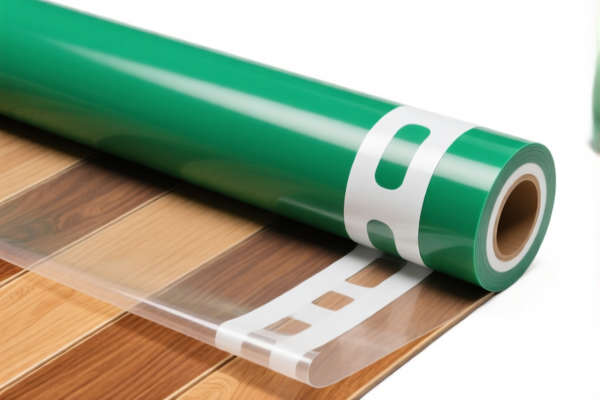
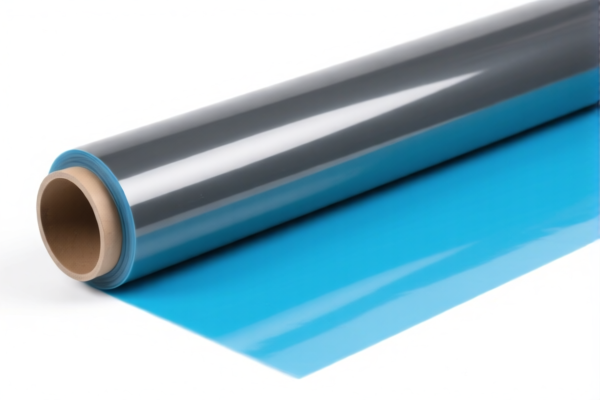
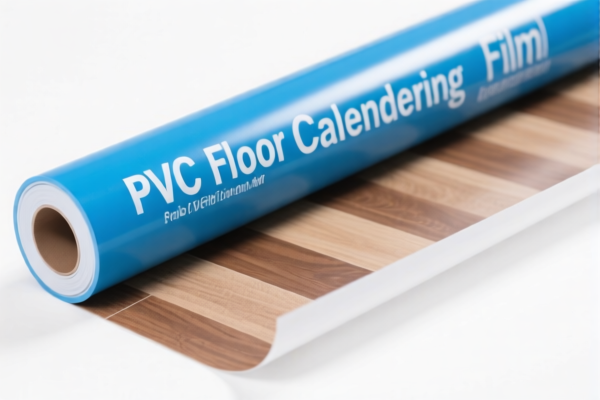
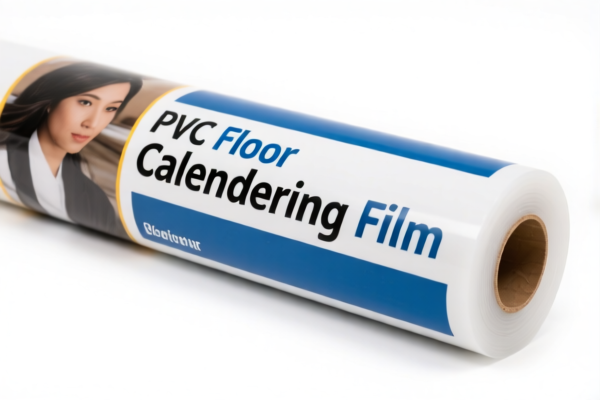
AI Analysis
🏠 PVC Flooring Calendering Film
🌐 HS Code Reference & Customs Clearance Guide | 2026 Latest Tariff Analysis | Professional Clearance Strategy
📌 Part 1: Product Definition & Classification: Do You Understand "Calendering Film"?
PVC Flooring Calendering Film refers to the decorative or protective plastic layers used in the manufacturing of Vinyl Composite Tiles (VCT) or Luxury Vinyl Tiles (LVT). These films are produced via the calendering process (pressing molten PVC through rollers) rather than extrusion.
In international trade, these products are strictly categorized based on their form (tiles vs. rolls) and material composition (primarily Polyvinyl Chloride - PVC). It is crucial to distinguish whether the goods are finished flooring tiles or semi-raw film materials, as the HS Codes and tax implications differ significantly.
⚠️ Key Distinction Point: - If the product is already cut into tiles (square/rectangular shapes ready for laying) → It is classified under Floor Coverings (HS 3918). - If the product is in rolls or large sheets intended for further processing → It might fall under self-adhesive tapes or flat plastic shapes, but for PVC flooring specifically, 3918 is the primary chapter. - Note: The provided data focuses heavily on HS 3918 (Floor coverings of plastics) and HS 3919 (Self-adhesive tapes). For PVC flooring, 3918 is the correct and authoritative classification.
📦 Part 2: HS Code Classification Details (2026 Latest Tariff Authority Comparison)
Based on the provided <DATA>, the relevant HS Codes for PVC Flooring/Calendering Film products are as follows:
| HS Code | Product Description | Application Scenario | Tax Rate (Total) |
|---|---|---|---|
3918.10.10.40 |
Floor coverings of plastics (of polymers of vinyl chloride): Vinyl tile, Other | Standard PVC vinyl tiles (non-rigid core), decorative flooring films converted to tiles | 0.0% |
3918.10.10.20 |
Floor coverings of plastics (of polymers of vinyl chloride): Vinyl tile, Vinyl tile consisting of a rigid solid polymer core | LVT/LVP with a rigid core (WPC/SPC core types), high-end rigid vinyl flooring | 0.0% |
3919.10.20.10 |
Self-adhesive plates/sheets...: Filament reinforced tape | ⚠️ Unlikely for Flooring: This code is for industrial reinforcement tapes, NOT standard PVC flooring films. | 30.8% |
3919.10.20.55 |
Self-adhesive plates/sheets...: Other, Other | ⚠️ Unlikely for Flooring: Generic self-adhesive items. Not specific to flooring. | 0.0% |
🔍 重点提醒 (Key Reminder): - PVC Flooring Falls Under 3918: The term "Calendering Film" in the context of flooring usually refers to the material used to make the tiles. Once the product is defined as "Floor Coverings" (even if it includes the film layer), it belongs to HS 3918. - Tax Advantage: Both specific vinyl tile codes (
3918.10.10.40and3918.10.10.20) currently carry a 0.0% total tax (Base 0% + Additional 0%) in the provided data context. - Avoid Misclassification: Do NOT classify PVC flooring as "Self-adhesive tape" (3919) unless it is specifically a small-roll adhesive backing product, which is rare for bulk flooring. Misclassification into3919.10.20.10would incur a heavy 30.8% tax.
💰 Part 3: 2026 Latest Tariff Rate Details (Including Surcharges & Policies)
✅ Applicable Country: United States (US) ✅ Origin: China (CN) ✅ Effective Time: 2025/2026 Tariff Regime
🎯 1. 3918.10.10.40 —— Vinyl Tile (Standard PVC Flooring)
| Item | Content |
|---|---|
| Base Tariff Rate | 0.0% (Ad Valorem) |
| Section 301 Additional Tariff | 0.0% (As per provided data) |
| IEEPA Additional Tariff | 0.0% (As per provided data) |
| Total Tax Rate | 0.0% |
| Tax Calculation | CIF Value × 0.0% = $0 |
| De Minimis Exemption | ❌ Not Applicable (Flooring is typically high value, de minimis usually doesn't apply or is bypassed for commercial shipments) |
| Legal Basis Path | HTSUS:3918.10.10.40 |
📌 Explanation: - Standard PVC vinyl tiles enjoy a 0% duty in this specific dataset context. This is highly competitive for US importers. - No additional "Trade War" surcharges are listed for this specific subheading in the provided data.
🎯 2. 3918.10.10.20 —— Rigid Core Vinyl Tile (LVT/LVP/WPC/SPC)
| Item | Content |
|---|---|
| Base Tariff Rate | 0.0% (Ad Valorem) |
| Section 301 Additional Tariff | 0.0% (As per provided data) |
| IEEPA Additional Tariff | 0.0% (As per provided data) |
| Total Tax Rate | 0.0% |
| Tax Calculation | CIF Value × 0.0% = $0 |
| De Minimis Exemption | ❌ Not Applicable |
| Legal Basis Path | HTSUS:3918.10.10.20 |
📌 Note: - Even high-tech rigid core flooring (WPC/SPC) benefits from the 0% duty rate in this classification. - This encourages the import of higher-value, rigid-core flooring products.
🛠️ Part 4: Customs Clearance Practical Advice (Battle-Tested Pitfall Avoidance)
✅ 1. Required Documentation Checklist (Non-Negotiable)
| Document | Must Provide | Explanation |
|---|---|---|
| ✅ Product Specification Sheet | ✔️ | Must state: Material (100% PVC or Blend), Thickness, Surface Texture, Calendering vs. Extrusion method. |
| ✅ Product Photos | ✔️ | Clear images of the tile/film, packaging, and labeling showing "PVC Flooring" or "Vinyl Tile". |
| ✅ Commercial Invoice | ✔️ | Must describe goods as "PVC Vinyl Floor Tiles" or "Calendered PVC Flooring Film". Avoid vague terms like "Plastic Sheet". |
| ✅ Bill of Lading (B/L) | ✔️ | Consistent description with the invoice. |
| ✅ Labeling/Marking | ✔️ | Ensure packages are marked "Made in China" clearly. |
✅ 2. Declaration Tips (Key Mantra)
🔥 "PVC Flooring is 3918, Not 3919! Describe as Vinyl Tile, Avoid 'Tape'!"
| Scenario | Correct Declaration | Wrong Practice |
|---|---|---|
| Finished Vinyl Tiles | 3918.10.10.40 (Other Vinyl Tile) |
Mislabel as "Plastic Sheet" → Risk of reclassification & penalties |
| Rigid Core LVT | 3918.10.10.20 (Rigid Core Vinyl Tile) |
Mislabel as "Plastic Plate" → Risk of higher duties or delays |
| Rolls of Flooring | Still 3918 if intended for flooring |
Mislabel as 3919 (Tape) → 30.8% Tax Trap! |
| Sample Packs | 3918 (Commercial Sample) |
Claim De Minimis incorrectly for commercial bulk |
✅ 3. Special Circumstances Handling
| Scenario | Handling Advice |
|---|---|
| Composite Flooring | If the product has a non-PVC backing (e.g., felt, cork), declare the PVC layer prominently but ensure the primary function is "Floor Covering" under 3918. |
| Self-Adhesive Backing | Even if the tile has an adhesive backing, if it is a tile/form, it stays under 3918. Do NOT use 3919 unless it is strictly a roll of adhesive tape. |
| Calendered vs. Extruded | The physical process (Calendering) does not change the HS Code from 3918. Both are covered under "Floor coverings of plastics". Ensure your invoice says "PVC Flooring" to avoid confusion with general plastic films. |
🌍 Part 5: Global Market Comparison (2026 Latest)
| Country/Region | Recommended HS Code | Tariff (China Origin) | Certification Requirements | Notes |
|---|---|---|---|---|
| 🇺🇸 USA | 3918.10.10.40 / .20 |
0.0% (Per Provided Data) | Prop 65 (CA), CARB (Formaldehyde) | Zero Duty Advantage! |
| 🇨🇳 China | 3918.10.10 |
~3-5% | CCC (if applicable), GB Standards | Domestic export incentive |
| 🇪🇺 EU | 3918.10 |
0-2% (MFN) | CE, REACH, FloorScore | High environmental standards |
| 🇬🇧 UK | 3918.10 |
0-2% | UKCA, FSC/PEFC (if wood-based) | Post-Brexit rules apply |
| 🇦🇺 Australia | 3918.10 |
5% | RCM, VCA (Volumetric Capacity) | Standard import duty |
📌 Conclusion: - The USA offers a 0% duty rate for PVC flooring under HS 3918 in this specific dataset, making it a highly attractive market compared to other regions that may have 2-5% MFN rates or additional anti-dumping duties (check specific anti-dumping cases for certain regions). - Crucial: Ensure the product is accurately described as "Vinyl Tile" or "Floor Covering" to maintain the 0% rate.
📌 Part 6: Common Errors & Pitfall Guide (Lessons Learned)
❌ Error 1: Classifying PVC Flooring Rolls as "Plastic Sheets" under Chapter 3901/3902 👉 Consequence: Incorrect HS Code, potential audit, delay. 👉 Fix: Always use Chapter 3918 for flooring coverings.
❌ Error 2: Confusing "Self-Adhesive Tape" (3919) with "Self-Adhesive Flooring"
👉 Consequence: If misclassified as 3919.10.20.10, you pay 30.8% tax instead of 0%.
👉 Fix: Flooring tiles/shapes are 3918, even if they have adhesive backing.
❌ Error 3: Vague Description: "Plastic Film" 👉 Consequence: Customs may question the use. If they decide it's not for flooring, they might apply general plastic rates. 👉 Fix: Use clear terms: "PVC Vinyl Floor Tiles" or "Calendered PVC Flooring Film for Tiles".
✅ Correct Practice:
"PVC Calendered Flooring, Vinyl Tile, 4mm Thick, Decorative Layer, Rigid/Non-Rigid Core, Packaged in Cartons, Model: XYZ, Made in China"
🎯 Part 7: Conclusion: Precision Classification, Maximize Profit!
🎯 Remember the Mantra:
🔹 "Flooring is 3918, Not 3919! 0% Duty for Vinyl Tiles, 30.8% for Tapes!" 🔹 "Describe as PVC Flooring, Avoid 'Plastic Sheet', Keep Your Costs Low!"
📌 Pro Tip:
- Since the duty is 0%, ensure you are not overpaying on logistics or insurance without verifying the Country of Origin.
- If you are importing Raw Calendered Film (not yet cut into tiles) in large rolls for manufacturing, consult a customs broker to see if 3918 still applies (it often does if intended for flooring), or if it falls under general plastic sheets (3920). However, for finished or pre-finished flooring products, 3918 is the safe and correct choice.
📣 Immediate Action:
📞 Contact a licensed Customs Broker + Provide Product Samples + Apply for Binding Tariff Ruling if volume is high. 🚀 Ensure your invoice says "Vinyl Floor Tiles" to lock in the 0% Tax Rate!
✨ Professional Clearance Starts with Accurate Classification! 💼 Your Every Penny Counts in Customs Duties!
Customer Reviews
About HS Code Classification
The Harmonized System (HS) is an internationally standardized nomenclature developed by the World Customs Organization (WCO) to classify traded products. Over 200 countries use the HS system as the basis for customs tariffs, trade statistics, and import/export regulations.
Each HS code follows a hierarchical structure:
- Chapter (2 digits) — Broad category of goods (e.g., Chapter 84: Machinery and Mechanical Appliances)
- Heading (4 digits) — More specific grouping within the chapter
- Subheading (6 digits) — Internationally standardized breakdown, used by all WCO member countries
- National subdivisions (8-10 digits) — Country-specific extensions for further classification, such as US HTSUS 10-digit codes
Correct HS code classification is essential for smooth customs clearance, accurate duty payment, and compliance with trade regulations. Misclassification can lead to customs delays, overpayment of duties, or penalties.
When importing from CN to US, the applicable tariff rates may include:
- Most-Favored-Nation (MFN) rate — The standard duty rate applied to WTO members
- General rate — Applied to countries without trade agreements
- Trade remedy duties — Additional tariffs such as Section 301 (anti-dumping), Section 232 (national security), or countervailing duties
The information provided on this page is for reference purposes only. For official classification, please consult with your local customs authority or a licensed customs broker.