PVC Flooring Color
CN → US| HS Code | Tariff Rate | Origin | Destination | Doc |
|---|---|---|---|---|
| 3920435000 | 39.2% | CN | US | Official Doc |
| 3918102000 | 40.3% | CN | US | Official Doc |
| 3918101040 | 40.3% | CN | US | Official Doc |
| 3920490000 | 40.8% | CN | US | Official Doc |
| 3926909989 | 22.8% | CN | US | Official Doc |
Product Images
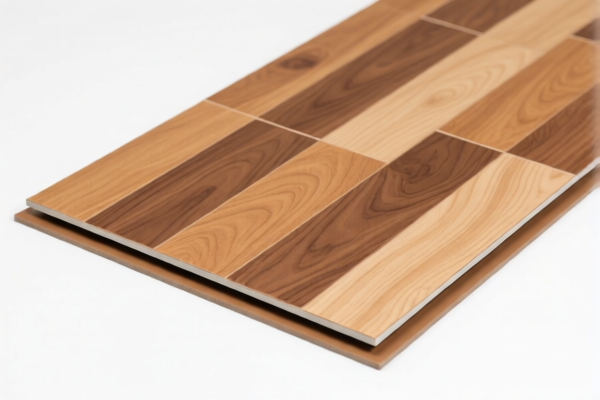
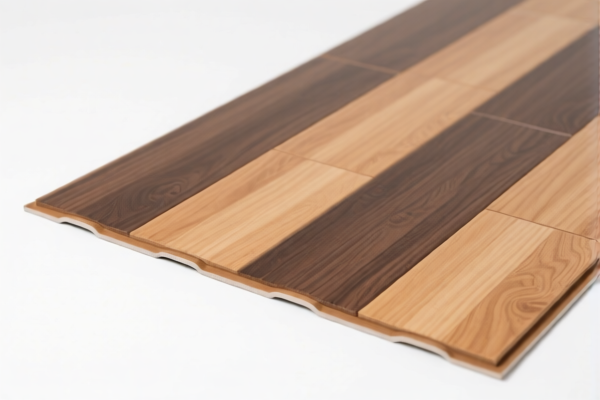
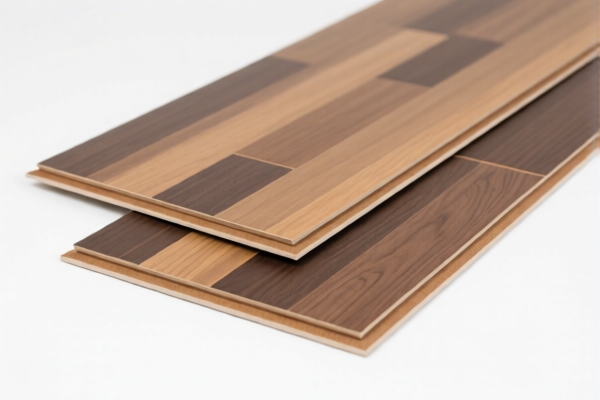
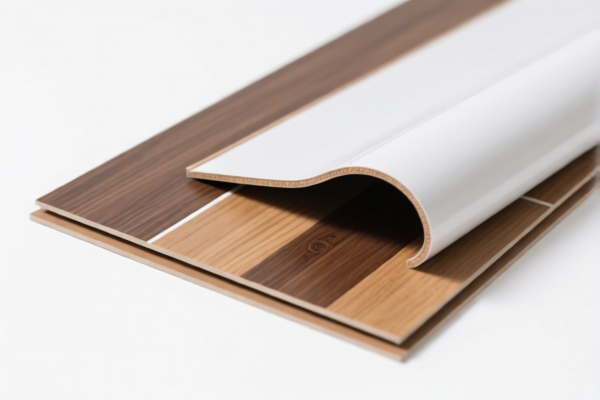
AI Analysis
🏠 PVC Flooring (Vinyl Flooring) | Color Variations & Import Tax Guide
🌐 HS Code Reference & Customs Clearance Guide | 2026 Latest Tariff Analysis | Professional Strategy
📌 Product Overview: PVC Flooring (Vinyl)
PVC flooring, widely known as vinyl flooring, is a synthetic flooring product made primarily from polyvinyl chloride (PVC). It is characterized by its durability, water resistance, and aesthetic versatility. In international trade, it is classified based on its form (rolls, sheets, tiles) and composition.
The color of PVC flooring (e.g., wood grain, stone look, solid colors, patterned designs) does not change the HS Code classification. The classification is driven by the material (PVC/Polyvinyl Chloride) and the form (finished flooring product).
📦 1. HS Code Classification & Tax Breakdown (2026 Latest)
Below are the 5 specific HS Codes provided in your data for PVC Flooring. Note that all these classifications attract significant Additional Duties (Section 301 + IEEPA) due to US-China trade policies.
⚠️ Critical Warning: All items below include Base Tariff + 25% Section 301 Tariff + 10% IEEPA Tariff. Total tax rates range from 39.2% to 40.8%, except for one specific subheading.
| HS Code | Product Summary (Material & Form) | Total Tax Rate | Tax Breakdown |
|---|---|---|---|
| 3920.43.50.00 | PVC flooring, made of PVC, in sheet/roll form, non-cellular, non-reinforced plastic features. | 39.2% | Base: 4.2% + Sec 301: 25.0% + IEEPA: 10% |
| 3918.10.20.00 | PVC flooring, made of PVC, used as floor covering, specific variety under this heading. | 40.3% | Base: 5.3% + Sec 301: 25.0% + IEEPA: 10% |
| 3918.10.10.40 | PVC flooring, made of PVC polymer, used as floor covering, matches vinyl tile/floor covering features. | 40.3% | Base: 5.3% + Sec 301: 25.0% + IEEPA: 10% |
| 3920.49.00.00 | PVC flooring, made of vinyl polymer, in plastic sheets/plates category, no material conflict. | 40.8% | Base: 5.8% + Sec 301: 25.0% + IEEPA: 10% |
| 3926.90.99.89 | PVC flooring, made of PVC, classified as other plastic articles not specifically listed. | 22.8% | Base: 5.3% + Sec 301: 7.5% + IEEPA: 10% |
💰 2. Detailed Tax Clause Explanation
🎯 A. High-Tax Category (Most Common PVC Flooring)
HS Codes: 3920.43.50.00, 3918.10.20.00, 3918.10.10.40, 3920.49.00.00
Total Tax: 39.2% – 40.8%
- Base Tariff (4.2% - 5.8%): The standard Most Favored Nation (MFN) tariff for plastic flooring or plastic plates/sheets.
- Section 301 Additional Tariff (25.0%): Applied to Chinese-origin plastic flooring products under HTSUS 3918.10 and 3920.4x. This is the major cost driver.
- IEEPA Additional Tariff (10.0%): Applied under the International Emergency Economic Powers Act, specifically targeting China-origin goods.
- Calculation Example:
If the CIF value is $10,000:- Base Tax: ~$500
- Sec 301 Tax: $2,500
- IEEPA Tax: $1,000
- Total Tax Paid: ~$4,000 (40%)
🎯 B. Low-Tax Category (Specific "Other Plastic Articles")
HS Code: 3926.90.99.89
Total Tax: 22.8%
- Why Lower? This code classifies PVC flooring as an "other plastic article" not specifically provided for elsewhere.
- Section 301 Additional Tariff (7.5%): Instead of the 25% rate, only 7.5% is applied under Section 301 for this specific subheading.
- IEEPA Additional Tariff (10.0%): Still applies.
- Risk: This classification may be scrutinized more heavily by customs officers if the product is clearly defined as "flooring" under 3918 or 3920. Misclassification can lead to penalties.
🛠️ 3. Customs Clearance Practical Advice
✅ 1. Product Description & Documentation
To ensure smooth clearance and avoid misclassification disputes, your commercial invoice and packing list must include:
- Product Name: "PVC Vinyl Flooring" or "Polyvinyl Chloride Floor Covering"
- Material Composition: "100% PVC" or "PVC with fiberglass backing" (if applicable)
- Form: "Rolls," "Sheets," or "Click-lock Tiles"
- Usage: "For residential/commercial interior flooring"
- Color/Pattern: e.g., "Oak Wood Grain," "Grey Stone Look" (Note: Color does not affect HS Code)
📌 Key Tip: Do not use generic terms like "Plastic Floor." Use "PVC Flooring" to align with 3918 or 3920 headings.
✅ 2. Classification Strategy: 3918 vs. 3920 vs. 3926
| Feature | HS 3918 (Floor Covering) | HS 3920 (Plastic Plates/Sheets) | HS 3926 (Other Plastic Articles) |
|---|---|---|---|
| Best For | Finished flooring products (rolled or tiled) with a clear flooring function. | Unconverted or semi-finished PVC sheets/plates that are not yet finalized as flooring. | Products that don't fit neatly into 3918 or 3920, or are considered "accessories." |
| Tax Rate | 40.3% | 39.2% - 40.8% | 22.8% |
| Customs Risk | Low (if clearly flooring) | Low to Medium | High (may be reclassified as 3918/3920 by CBP) |
⚠️ Advice:
- If you are importing finished PVC flooring (rolled or tiled), 3918.10 is the most accurate classification.
- If you are importing PVC sheets that will be further processed into flooring, 3920.43 or 3920.49 may apply.
- 3926.90.99.89 offers the lowest tax (22.8%) but carries a high risk of audit. Only use if your product has unique characteristics that don't fit standard flooring definitions.
✅ 3. Color & Design Considerations
- Color Does Not Change HS Code: Whether your PVC flooring is black, white, wood-look, or stone-look, the HS Code remains the same.
- Patterned vs. Solid: Patterns (e.g., wood grain printing) do not change the classification.
- Sample Requirements: Provide high-resolution images of the flooring surface (both top and cross-section) to customs if requested. This helps verify the material (PVC) and structure (multi-layer vs. homogeneous).
🌍 4. Global Market Comparison (2026)
| Country/Region | Recommended HS Code | Total Tax (China Origin) | Key Certification |
|---|---|---|---|
| 🇺🇸 USA | 3918.10.10.40 / 3920.43.50.00 |
39.2% - 40.8% | None specific, but ensure compliance with EPA/VOC regulations |
| 🇨🇳 China | 3918.10 |
~5-10% | CCC (if applicable) |
| 🇪🇺 EU | 3918.10 |
0% (if GSP applies) or 6.5% | REACH Compliance, VOC Emissions |
| 🇬🇧 UK | 3918.10 |
6.5% | UKCA Marking (if applicable) |
📌 Conclusion:
The USA market is the most challenging for PVC flooring due to high additional tariffs (35%+).
Strategy: Consider sourcing from non-China countries (Vietnam, Thailand, India) if possible, or negotiate cost-sharing with US buyers.
📌 5. Common Errors & Pitfalls
❌ Error 1: Misclassifying PVC flooring as "Textile Flooring" (HS 5702/5703)
👉 Result: If the backing is fabric, the primary material (PVC) still dictates classification under Chapter 39. Misclassification leads to underpayment of duties.
❌ Error 2: Using "3926" for standard PVC flooring to save taxes
👉 Result: Customs may reclassify as 3918/3920, leading to back taxes + penalties (up to 25% of duty value).
❌ Error 3: Ignoring IEEPA 10% Tariff
👉 Result: Many importers only account for Base + Section 301, forgetting the IEEPA 10%, leading to unexpected costs.
🎯 6. Final Checklist for Importers
- Confirm HS Code: Use
3918.10.10.40or3920.43.50.00for standard PVC flooring. - Calculate Total Duty: Include Base (4.2-5.8%) + Sec 301 (25%) + IEEPA (10%) = ~39-40%.
- Prepare Documentation: Invoice, Packing List, Bill of Lading, Product Photos (cross-section).
- Verify Material: Ensure product is indeed PVC. If it contains significant rubber or textile backing, classification may change.
- Consider Pre-Ruling: For large shipments, request a US Customs Binding Ruling to confirm HS Code and avoid disputes.
✨ Professional Clearance, Cost Control, and Efficiency Start with Accurate Classification!
💼 Every percent of duty saved is profit gained!
📣 Immediate Action:
📞 Contact your customs broker with the product specification sheet.
🚀 Avoid surprises by pre-clearing HS Code and tax calculations before shipment!
Customer Reviews
About HS Code Classification
The Harmonized System (HS) is an internationally standardized nomenclature developed by the World Customs Organization (WCO) to classify traded products. Over 200 countries use the HS system as the basis for customs tariffs, trade statistics, and import/export regulations.
Each HS code follows a hierarchical structure:
- Chapter (2 digits) — Broad category of goods (e.g., Chapter 84: Machinery and Mechanical Appliances)
- Heading (4 digits) — More specific grouping within the chapter
- Subheading (6 digits) — Internationally standardized breakdown, used by all WCO member countries
- National subdivisions (8-10 digits) — Country-specific extensions for further classification, such as US HTSUS 10-digit codes
Correct HS code classification is essential for smooth customs clearance, accurate duty payment, and compliance with trade regulations. Misclassification can lead to customs delays, overpayment of duties, or penalties.
When importing from CN to US, the applicable tariff rates may include:
- Most-Favored-Nation (MFN) rate — The standard duty rate applied to WTO members
- General rate — Applied to countries without trade agreements
- Trade remedy duties — Additional tariffs such as Section 301 (anti-dumping), Section 232 (national security), or countervailing duties
The information provided on this page is for reference purposes only. For official classification, please consult with your local customs authority or a licensed customs broker.