PVC Foam Sheet
CN → US| HS Code | Tariff Rate | Origin | Destination | Doc |
|---|---|---|---|---|
| 3921121100 | 39.2% | CN | US | Official Doc |
| 3921125000 | 41.5% | CN | US | Official Doc |
| 3921121950 | 40.3% | CN | US | Official Doc |
| 3916200091 | 40.8% | CN | US | Official Doc |
| 3926908700 | 40.3% | CN | US | Official Doc |
Product Images
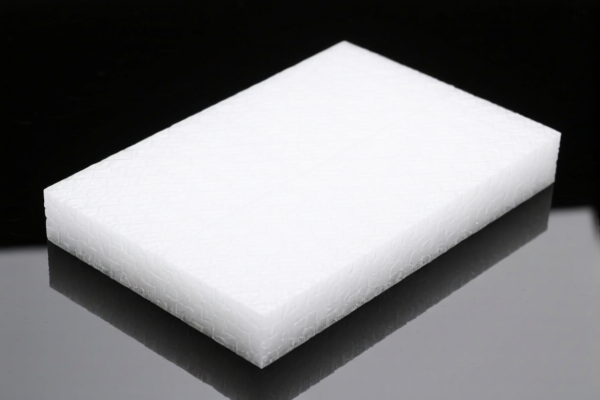
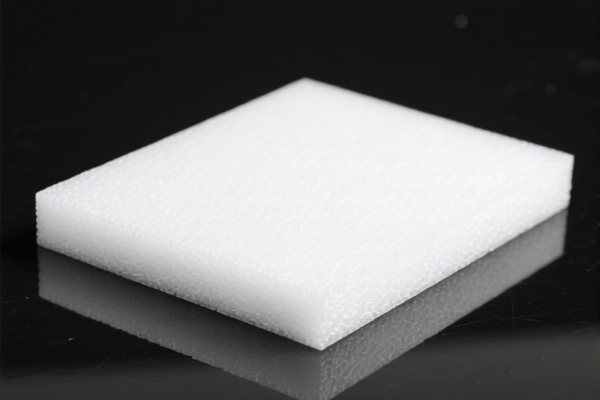
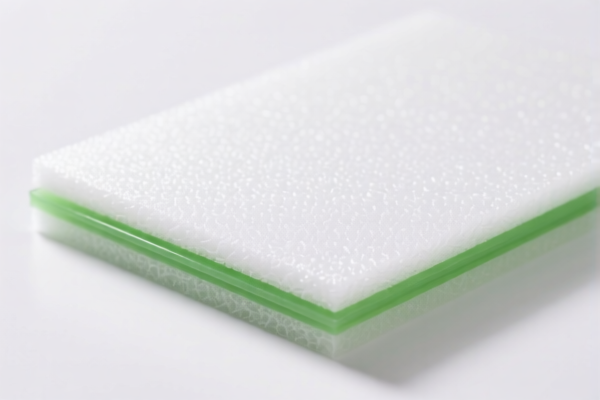
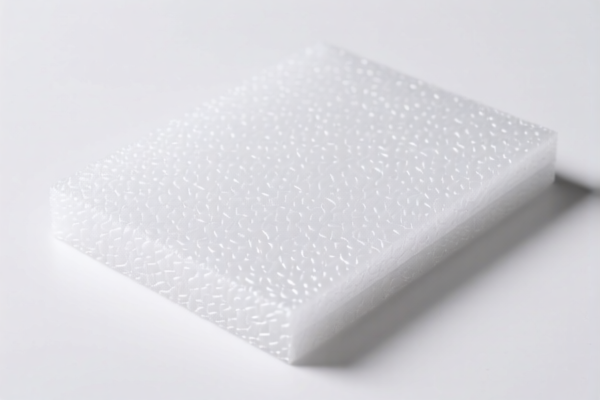
AI Analysis
🧱 Industrial PVC Foam Sheet & Profiles: The Ultimate Trade War Survival Guide
🌐 HS Code Reference & Customs Clearance Guide | 2024-2026 Latest Tariff Analysis | Strategic Compliance Strategy
📌 I. Product Definition & Classification: Are You Sure You Know "PVC Foam"?
PVC Foam Boards (often referred to as Cheater Board, Ceibal Board, or Forex Board in the industry) are rigid, lightweight plastic sheets made from Polyvinyl Chloride (PVC) resin. They are widely used in signage, construction, furniture, and industrial applications.
In international trade, the classification hinges on two critical factors: 1. Form Factor: Is it a board/sheet/film (flat) or a profile/extrusion (complex shape)? 2. Material Composition: Is it explicitly "PVC" or broadly "Plastic"?
⚠️ Key Distinction Point:
- If the product is a flat sheet/board/film intended for cutting, printing, or mounting → It falls under Chapter 39.01/39.21 (Sheets).
- If the product is an extruded profile (with complex cross-sections like T-bars, frames) → It may fall under Chapter 39.16 or 39.26 depending on the specific shape and use.
- Misclassification Risk: Declaring a complex profile as a "simple sheet" to lower duties will lead to customs audits, penalties, and seizure.
📦 II. HS Code Classification Matrix (Authoritative 2024/2025 Data)
| HS Code | Product Description | Application Scenario | Form Factor |
|---|---|---|---|
3921.12.11.00 |
PVC Foam Board for Industrial Use | Signage, interior decoration, chemical-resistant lining | ✅ Flat Board/Sheet |
3921.12.50.00 |
PVC Foam Sheet/Film/Membrane (Industrial) | Flexible foam sheets, laminates, packaging materials | ✅ Sheet/Film/Membrane |
3921.12.19.50 |
PVC Plastic Foam Profile | Extruded PVC profiles for construction or industrial frames | ✅ Extruded Profile |
3916.20.00.91 |
PVC Plastic Profiles (Other) | General PVC extrusions not specified elsewhere | ✅ Extruded Profile |
3926.90.87.00 |
PVC Plastic Articles (Other) | Finished PVC plastic items, generic classifications | ✅ General Plastic Article |
🔍 Critical Note:
- "Board" vs. "Profile": Customs officers will examine the cross-section. If it is rectangular/square and intended for cutting, it is likely a Board (3921.12). If it has complex shapes for structural assembly, it may be a Profile (3921.12.19.50 or 3916.20).
- "Industrial" Specification: Ensure your invoice and technical specs clearly state "Industrial Use" or "Chemical Resistance" to justify the3921heading over general consumer goods.
💰 III. 2024/2025 Tariff Rate Breakdown (Detailed Tax Analysis)
✅ Applicable Country: United States (US)
✅ Country of Origin: China (CN)
✅ Effective Date: Tariffs are currently in effect based on Section 301 and Section 122 actions.
🎯 1. 3921.12.11.00 – PVC Foam Board (Industrial)
| Item | Detail |
|---|---|
| Base Duty Rate | 4.2% (MFN Rate) |
| Section 301 Additional Duty | +25.0% (Retaliatory Tariff on Chinese Goods) |
| Section 122 Duty | +10.0% (Trade Deficit Tariff) |
| Total Tax Rate | 41.2% |
| Calculation Basis | CIF Value × 41.2% |
| De Minimis Exemption | ❌ Not Applicable (Value > $800 triggers full duty) |
| Legal Reference Chain | HTSUS:3921.12.11.00 → USITC:301 → USITC:122 |
📌 Explanation:
- The 4.2% is the standard Most Favored Nation (MFN) tariff for PVC sheets.
- The 25% is the infamous Section 301 tariff targeting Chinese-manufactured plastics.
- The 10% is an additional tariff under Section 122 (broad trade deficit measures).
- Total Effective Rate: 41.2%. This is a high-cost item for importers.
🎯 2. 3921.12.50.00 – PVC Foam Sheet/Film (Industrial)
| Item | Detail |
|---|---|
| Base Duty Rate | 6.5% |
| Section 301 Additional Duty | +25.0% |
| Section 122 Duty | +10.0% |
| Total Tax Rate | 41.5% |
| Calculation Basis | CIF Value × 41.5% |
| De Minimis Exemption | ❌ Not Applicable |
| Legal Reference Chain | HTSUS:3921.12.50.00 → USITC:301 → USITC:122 |
📌 Explanation:
- Slightly higher base rate (6.5%) compared to boards.
- Same punitive tariffs apply.
- Total Effective Rate: 41.5%.
🎯 3. 3921.12.19.50 – PVC Foam Profile
| Item | Detail |
|---|---|
| Base Duty Rate | 5.3% |
| Section 301 Additional Duty | +25.0% |
| Section 122 Duty | +10.0% |
| Total Tax Rate | 40.3% |
| Calculation Basis | CIF Value × 40.3% |
| De Minimis Exemption | ❌ Not Applicable |
| Legal Reference Chain | HTSUS:3921.12.19.50 → USITC:301 → USITC:122 |
🎯 4. 3916.20.00.91 – PVC Profiles (Other)
| Item | Detail |
|---|---|
| Base Duty Rate | 5.8% |
| Section 301 Additional Duty | +25.0% |
| Section 122 Duty | +10.0% |
| Total Tax Rate | 40.8% |
| Calculation Basis | CIF Value × 40.8% |
| De Minimis Exemption | ❌ Not Applicable |
🎯 5. 3926.90.87.00 – Other PVC Plastic Articles
| Item | Detail |
|---|---|
| Base Duty Rate | 5.3% |
| Section 301 Additional Duty | +25.0% |
| Section 122 Duty | +10.0% |
| Total Tax Rate | 40.3% |
| Calculation Basis | CIF Value × 40.3% |
| De Minimis Exemption | ❌ Not Applicable |
📌 Summary of Tax Burden:
All PVC foam products from China face a combined tariff burden of ~40-41.5%. This significantly impacts profit margins. There is no de minimis exemption for these goods due to their value and classification.
🛠️ IV. Customs Clearance Practical Advice (Avoiding Pitfalls)
✅ 1. Documentation Checklist (Non-Negotiable)
| Document | Required? | Purpose |
|---|---|---|
| ✅ Commercial Invoice | ✔️ Must explicitly state: "PVC Foam Board/Profile," "Material: PVC," "Usage: Industrial." | Prevents "Unknown Product" holds. |
| ✅ Product Specification Sheet | ✔️ Includes density, thickness, color, fire retardancy rating (e.g., UL94 V-0). | Helps Customs determine correct subheading. |
| ✅ Packaging List | ✔️ Detailed breakdown of units, gross weight, net weight. | Matches shipment data. |
| ✅ Certificate of Origin (CO) | ✔️ Proof of manufacture in China. | Required for tariff calculation. |
| ✅ Fumigation Certificate | If wooden pallets are used | ❗ Critical for US EPA/USDA compliance. |
| ✅ Test Reports | ✔️ SGS/Intertek reports for flame retardancy & chemical content. | Supports "Industrial" classification vs. consumer toy. |
✅ 2. Classification Strategy (Key Mantra)
🔥 "Flat is Sheet, Shape is Profile. Don't Split, Don't Hide!"
| Scenario | Correct Approach | Wrong Approach |
|---|---|---|
| Flat Boards | Declare as 3921.12.11.00 or 3921.12.50.00. Use terms "Board" or "Sheet." |
Calling it "Plastic Plate" to confuse customs. |
| Extruded Shapes | Declare as 3921.12.19.50 or 3916.20.00.91. Use terms "Profile" or "Extrusion." |
Calling it "Sheet" because it’s made from PVC. |
| Finished Parts | If already cut into signs/frames, consider 3926.90.87.00. |
Declaring as raw material when it’s a finished good. |
| Mixed Shipment | Separate invoices for Boards, Sheets, and Profiles. | Mixing them to average out taxes (High Risk!). |
✅ 3. Special Considerations
| Issue | Handling Advice |
|---|---|
| Fire Retardancy | If PVC foam is not flame retardant, it may be classified differently or restricted. Ensure specs match. |
| Wooden Pallets | Must be ISPM 15 compliant (fumigated). Failure = Rejection/Destruction. |
| Value Adjustment | Ensure CIF value includes freight and insurance. Under-declaring value leads to severe penalties. |
| Section 122 Eligibility | Check if your specific product code is exempt from Section 122. Most PVCs are included. |
🌍 V. Global Market Comparison (2024/2025)
| Country/Region | Recommended HS Code | Base Duty | US Retaliatory | Total Estimated Duty | Notes |
|---|---|---|---|---|---|
| 🇺🇸 USA | 3921.12.11.00 |
4.2% | +35% (301+122) | ~41.2% | Highest barrier. Plan margin accordingly. |
| 🇨🇳 China | 3921.12.11.00 |
5.0% | N/A | 5.0% | Low export tax burden. |
| 🇪🇺 EU | 3921.10.90 |
6.5% | N/A | 6.5% | No US-style retaliatory tariffs. Much more favorable. |
| 🇬🇧 UK | 3921.10.90 |
6.5% | N/A | 6.5% | Post-Brexit rules apply. |
| 🇦🇺 Australia | 3921.10.90 |
5.0% | N/A | 5.0% | Low duty environment. |
📌 Strategic Insight:
- US Market: Extremely expensive due to Section 301 & 122. Margins are crushed.
- EU/UK/AU Market: Significantly cheaper (6.5% or less). Consider diversifying supply chains to these regions.
- China Export: No significant barrier for exporters, but buyers face high import costs.
📌 VI. Common Mistakes & Pitfalls (Blood Lessons)
❌ Mistake 1: Declaring PVC Foam as "Plastic Toy Parts"
👉 Result: Wrong HS Code. If it’s for industrial use, it’s 3921. If it’s a toy, it’s 9503. Misclassification leads to fines.
❌ Mistake 2: Ignoring the "Profile" vs. "Sheet" Distinction
👉 Result: Customs may downgrade your profile to a generic plastic article with higher scrutiny or different duties.
❌ Mistake 3: Using Generic Terms like "Plastic Board"
👉 Result: Customs asks for clarification, causing 3-4 week delays. Always specify "PVC Foam Board for Industrial Use."
❌ Mistake 4: Forgetting Section 122 Tariff
👉 Result: Underpaying duties. CBP will assess back-taxes + interest + penalties.
✅ Correct Practice:
"PVC Foam Board, Industrial Grade, Fire Retardant, 5mm Thickness, Used for Signage. Material: Polyvinyl Chloride."
🎯 VII. Conclusion: Professional Classification Saves Money
🎯 Remember the Mantra:
🔹 "Flat is Sheet, Shape is Profile. Check the Tax. Don't Guess!"
🔹 "US Tariffs are 40%+; Plan Your Pricing. EU is 6.5%; Grow Your Market."
🔹 "Documents Must Match Specs. One Mismatch, Clearance Delay."
📌 Pro Tip:
If you are importing large volumes to the US, consider applying for a HTSUS Exclusion under Section 301 (if available for your specific product code) or work with a customs broker to apply for a Binding Ruling to ensure your classification is locked in.
📣 Immediate Action:
📞 Contact a Certified Customs Broker + Provide Product Photos & Specs + Calculate Landed Cost with 41.2% Duty.
🚀 Ensure Smooth Clearance, Avoid Seizure, Protect Your Margins!
✨ Expert Customs Clearance Starts with Accurate Classification!
💼 Every Dollar of Duty Counted is Every Dollar of Profit Saved!
Customer Reviews
About HS Code Classification
The Harmonized System (HS) is an internationally standardized nomenclature developed by the World Customs Organization (WCO) to classify traded products. Over 200 countries use the HS system as the basis for customs tariffs, trade statistics, and import/export regulations.
Each HS code follows a hierarchical structure:
- Chapter (2 digits) — Broad category of goods (e.g., Chapter 84: Machinery and Mechanical Appliances)
- Heading (4 digits) — More specific grouping within the chapter
- Subheading (6 digits) — Internationally standardized breakdown, used by all WCO member countries
- National subdivisions (8-10 digits) — Country-specific extensions for further classification, such as US HTSUS 10-digit codes
Correct HS code classification is essential for smooth customs clearance, accurate duty payment, and compliance with trade regulations. Misclassification can lead to customs delays, overpayment of duties, or penalties.
When importing from CN to US, the applicable tariff rates may include:
- Most-Favored-Nation (MFN) rate — The standard duty rate applied to WTO members
- General rate — Applied to countries without trade agreements
- Trade remedy duties — Additional tariffs such as Section 301 (anti-dumping), Section 232 (national security), or countervailing duties
The information provided on this page is for reference purposes only. For official classification, please consult with your local customs authority or a licensed customs broker.