PVC Frosted Board
CN → US| HS Code | Tariff Rate | Origin | Destination | Doc |
|---|---|---|---|---|
| 3921125000 | 41.5% | CN | US | Official Doc |
| 3925900000 | 40.3% | CN | US | Official Doc |
| 3925200091 | 22.8% | CN | US | Official Doc |
| 3921905050 | 39.8% | CN | US | Official Doc |
| 3920490000 | 40.8% | CN | US | Official Doc |
Product Images

AI Analysis
🧱 PVC Frosted Board: The Ultimate Guide to US Customs Classification & Tariff Strategy (2026)
🌐 HS Code Reference & Customs Clearance Guide | Latest 2026 Tariff Analysis | Strategic Clearance for PVC Building Materials
📌 I. Product Definition & Classification: What is a "PVC Frosted Board"?
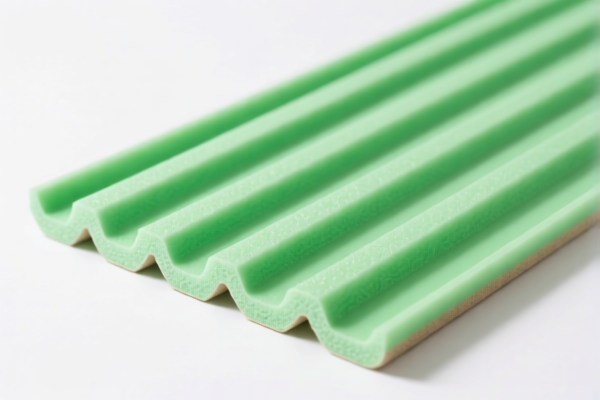
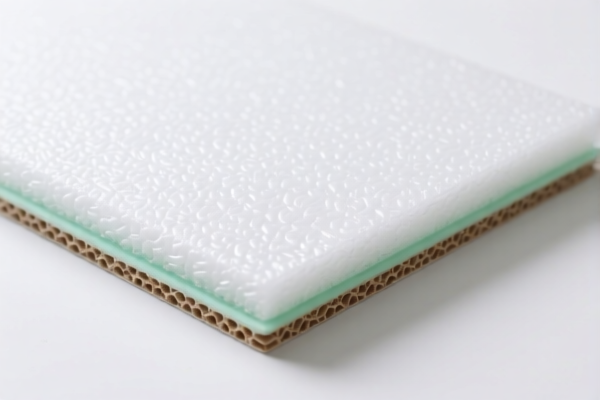
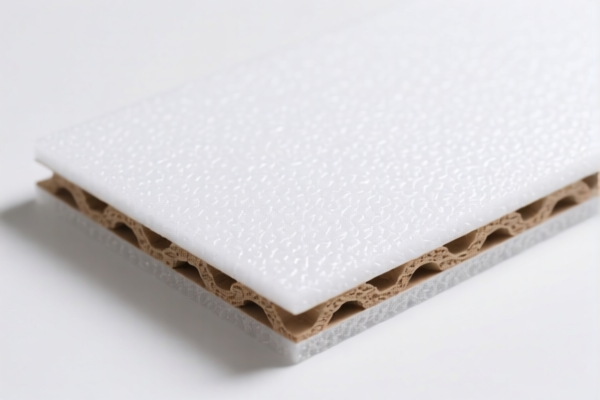
PVC Frosted Board (Polyvinyl Chloride Frosted Sheet/Panel) is a versatile building and interior decoration material. It is characterized by: * Material: Polyvinyl Chloride (PVC), a synthetic plastic polymer. * Form: Rigid or semi-rigid sheets, panels, or plates. * Surface: Matte, frosted, or non-transparent finish, often used for privacy, aesthetic lighting diffusers, or interior wall cladding.
⚠️ Critical Classification Distinction: The classification of PVC Frosted Boards depends heavily on specific use and exact physical properties. Are they Building Construction Components (e.g., wall panels, fencing, window frames) or General Purpose Plastic Sheets (e.g., printing substrates, general packaging liners)? This distinction dictates whether they fall under Chapter 39.25 (Building Materials) or Chapter 39.20/39.21 (Plastic Plates/Sheets).
📦 II. HS Code Classification Breakdown (2026 Latest Tariff Schedule)
Based on the provided data, there are six potential HS Code classifications for PVC Frosted Boards. Each carries a different tax liability due to varying "Base Tariffs" and "Section 301/122 Additional Duties."
| HS Code | Summary & Logic | Total Tax Rate | Tax Detail Breakdown |
|---|---|---|---|
| 3925.90.00.00 | Building Components (Other) Classified as plastic building components. Material: PVC. Form: Board. |
40.3% | Base: 5.3% + Add. (Sec 301): 25.0% + Sec 122: 10.0% |
| 3925.20.00.91 | Windows & Doors Frames Classified as building components specifically for windows/doors. Material: PVC. Form: Frame-like. |
22.8% | Base: 5.3% + Add. (Sec 301): 7.5% + Sec 122: 10.0% |
| 3921.90.50.50 | Plastic Plates/Sheets (Other) Material: PVC. Form: Plate/Sheet. General plastic sheet classification. |
39.8% | Base: 4.8% + Add. (Sec 301): 25.0% + Sec 122: 10.0% |
| 3920.49.00.00 | Other Plastic Plates/Sheets (PVC) Material: PVC. Form: Plate. Fits general "Other" category for PVC sheets. |
40.8% | Base: 5.8% + Add. (Sec 301): 25.0% + Sec 122: 10.0% |
| 3920.43.50.00 | PVC Polymer Plates/Sheets Material: PVC Polymer. Form: Plate/Sheet. Specific to PVC polymers. |
39.2% | Base: 4.2% + Add. (Sec 301): 25.0% + Sec 122: 10.0% |
| 3921.12.50.00 | Vinyl Polymer Plates/Sheets Material: Vinyl Polymer (PVC). Form: Plate. "Other plates/sheets" category. |
41.5% | Base: 6.5% + Add. (Sec 301): 25.0% + Sec 122: 10.0% |
🔍 Key Observation: * Lowest Tax (22.8%):
3925.20.00.91applies if the board is explicitly used for window or door frames. * Highest Tax (41.5%):3921.12.50.00applies if classified as a general vinyl polymer plate with a higher base rate (6.5%). * Section 122 Duty: All listed codes include a 10% Section 122 tariff, indicating these goods are subject to specific US import restrictions on Chinese-origin plastic materials.
💰 III. 2026 Detailed Tariff Rate Explanation
✅ Applicable Country: United States (US) ✅ Origin: China (CN) ✅ Effective Time: Current 2026 Schedule
🎯 1. The "Building Component" Path (Chapter 39.25)
Option A: 3925.90.00.00 (Other Building Materials)
- Base Rate: 5.3%
- Section 301 Additional Duty: +25.0%
- Section 122 Duty: +10.0%
- Total Effective Rate: 40.3%
- Interpretation: This is the standard classification for PVC boards used in general construction (e.g., wall cladding, fencing, decking) that do not fit into specific categories like windows/doors.
Option B: 3925.20.00.91 (Windows & Doors)
- Base Rate: 5.3%
- Section 301 Additional Duty: +7.5% (Note: Lower than the standard 25%)
- Section 122 Duty: +10.0%
- Total Effective Rate: 22.8%
- Interpretation: This is the most cost-effective classification IF the product is clearly identifiable as a component for windows or doors. The Section 301 duty for this subheading is significantly lower (7.5% vs 25%).
🎯 2. The "General Plastic Sheet" Path (Chapter 39.20/39.21)
These codes treat the frosted board as a raw material or general sheet, not a finished building component.
3921.90.50.50(Other Plastic Plates/Sheets): 39.8% Total (Base 4.8% + 25% + 10%)3920.49.00.00(Other PVC Sheets): 40.8% Total (Base 5.8% + 25% + 10%)3920.43.50.00(PVC Polymer Sheets): 39.2% Total (Base 4.2% + 25% + 10%)3921.12.50.00(Vinyl Polymer Sheets): 41.5% Total (Base 6.5% + 25% + 10%)
📌 Critical Insight: Classifying as a general plastic sheet often results in higher base tariffs (4.2%-6.5%) compared to building components (5.3%). However, the Section 301 duty remains 25%. Therefore, unless you can qualify for
3925.20.00.91, the total tax burden is heavy (~39-41%).
🛠️ IV. Customs Clearance Practical Advice (Pitfall Avoidance Guide)
✅ 1. Documentation Checklist (Mandatory)
| Document | Requirement | Explanation |
|---|---|---|
| Commercial Invoice | Must specify "PVC Frosted Board" + Intended Use | Clearly state if it is for "Windows/Doors," "Wall Cladding," or "General Use." |
| Product Specification Sheet | Include dimensions, thickness, density, and finish | Frosted texture must be described (e.g., "Matte Finish," "Opaque PVC"). |
| Statement of Use | Crucial for HS Code Determination | If claiming 3925.20.00.91 (22.8% tax), provide evidence the board is specifically designed for window/door frames. |
| HS Code Pre-Ruling | Highly Recommended | Given the complexity of Chapter 39, apply for a CBP Pre-Ruling to lock in the 22.8% rate if applicable. |
| Certificate of Origin | Required for Origin Verification | Must certify Chinese origin to calculate correct Section 122 and 301 duties. |
✅ 2. Strategic Declaration Tips
🔥 "Use Defines Code!"
| Scenario | Recommended HS Code | Why? | Risk |
|---|---|---|---|
| Selling to Window/Door Manufacturers | 3925.20.00.91 |
Lowest total tax (22.8%). | Must prove specific fit for windows/doors. |
| Selling as General Wall Panels/Decor | 3925.90.00.00 |
Standard building material rate (40.3%). | High tax, but safe classification. |
| Selling as Raw Material for Fabrication | 3920.43.50.00 or 3921.90.50.50 |
May be justified if board is uncut/unshaped. | Higher base rate (39.2-39.8%). Avoid if possible. |
| Thick Structural PVC Boards | 3921.12.50.00 |
If classified as heavy vinyl polymer plates. | Highest tax (41.5%). Least favorable. |
✅ 3. Special Considerations
- Section 122 Duty: All classifications include a 10% duty under Section 122. This is a non-negotiable surcharge for certain Chinese plastic imports. Do not attempt to bypass this; it will lead to penalties.
- Avoid "General Purpose" Misclassification: Do not declare a finished PVC wall panel as a "Plastic Sheet" (
3920/3921) to avoid Section 301. Customs will likely reclassify it as a building component (3925), resulting in a penalty and back-tariff. - Frosted vs. Clear: The "frosted" nature does not change the HS Code but must be declared in the description. It does not qualify for any specific exemption.
🌍 V. Global Market Comparison (Context)
| Country | Typical HS Code | Base Tariff | Notes |
|---|---|---|---|
| 🇺🇸 USA | 3925.90.00.00 or 3925.20.00.91 |
5.3% + 25%/7.5% + 10% | High barriers due to Sec 301 & Sec 122. |
| 🇨🇳 China | 3925.90.00.00 |
5-10% | Import duty only. |
| 🇪🇺 EU | 3925.90.00 |
0-6.5% | Generally lower tariffs, but CE/REACH compliance required. |
| 🇬🇧 UK | 3925.90.00 |
0-6.5% | Post-Brexit tariffs apply. |
📌 Conclusion for US Importers: The US market presents the highest cost barrier for PVC Frosted Boards due to combined Section 301 and Section 122 duties. Optimizing the HS Code to
3925.20.00.91(if applicable) can save ~17.5% in total duties.
📌 VI. Common Mistakes & Pitfalls (Lessons Learned)
❌ Mistake 1: Declaring PVC Frosted Boards as "Plastic Lumber" without proof of wood-plastic composite (WPC) content. 👉 Consequence: If it's 100% PVC, it cannot be classified as WPC. Rejection and penalties.
❌ Mistake 2: Using "Plastic Sheet" (3920) for pre-cut wall panels.
👉 Consequence: CBP will classify as Building Material (3925). You pay the correct tax plus interest and potential penalties for incorrect declaration.
❌ Mistake 3: Ignoring Section 122 Duty. 👉 Consequence: Underpayment of duties. Customs will assess the missing 10% plus interest.
❌ Mistake 4: Claiming 3925.20.00.91 (Windows/Doors) for generic wall panels.
👉 Consequence: Audit risk. If the board doesn't fit window/door profiles, you will owe the difference between 22.8% and 40.3%.
✅ Best Practice:
Provide technical drawings showing the board's intended application. If it is for windows/doors, emphasize "Profile for Window Frame." If for walls, emphasize "Interior Wall Cladding Panel."
🎯 VII. Conclusion: Professional Declaration for Cost Efficiency
🎯 Remember the Strategy:
🔹 "Building Component > General Sheet" (Often lower base rates, but check Section 301 nuances). 🔹 "Windows/Doors = 22.8% Tax" (The Golden Ticket for savings). 🔹 "Sec 122 is Mandatory 10%" (Budget for it).
📌 Pro Tip:
If your PVC Frosted Board is exported to the US, ensure your Invoice Description is precise: "PVC Frosted Wall Panel, for Interior Construction Use, HS Code 3925.90.00.00" OR "PVC Profile for Window Frame, HS Code 3925.20.00.91"
📣 Immediate Action Required:
📞 Consult a Customs Broker: Verify if your specific product qualifies for
3925.20.00.91. 📄 Apply for CBP Ruling: If volume is high, get a binding ruling to lock in the 22.8% rate. 📦 Label Clearly: Ensure all packaging and invoices match the declared HS Code logic.
✨ Smart Classification, Smarter Savings! 💼 Don't let tax complexity sink your margins!
Customer Reviews
About HS Code Classification
The Harmonized System (HS) is an internationally standardized nomenclature developed by the World Customs Organization (WCO) to classify traded products. Over 200 countries use the HS system as the basis for customs tariffs, trade statistics, and import/export regulations.
Each HS code follows a hierarchical structure:
- Chapter (2 digits) — Broad category of goods (e.g., Chapter 84: Machinery and Mechanical Appliances)
- Heading (4 digits) — More specific grouping within the chapter
- Subheading (6 digits) — Internationally standardized breakdown, used by all WCO member countries
- National subdivisions (8-10 digits) — Country-specific extensions for further classification, such as US HTSUS 10-digit codes
Correct HS code classification is essential for smooth customs clearance, accurate duty payment, and compliance with trade regulations. Misclassification can lead to customs delays, overpayment of duties, or penalties.
When importing from CN to US, the applicable tariff rates may include:
- Most-Favored-Nation (MFN) rate — The standard duty rate applied to WTO members
- General rate — Applied to countries without trade agreements
- Trade remedy duties — Additional tariffs such as Section 301 (anti-dumping), Section 232 (national security), or countervailing duties
The information provided on this page is for reference purposes only. For official classification, please consult with your local customs authority or a licensed customs broker.