PVC High Plasticizer Label Material
CN → US| HS Code | Tariff Rate | Origin | Destination | Doc |
|---|---|---|---|---|
| 3919102055 | 40.8% | CN | US | Official Doc |
| 3919905060 | 40.8% | CN | US | Official Doc |
Product Images

AI Analysis
🏷️ PVC High Plasticizer Label Material (Self-Adhesive Plastic Labels)
🌐 HS Code Reference & Customs Clearance Guide | 2026 Latest Tariff Analysis | Professional Compliance Strategy
📌 I. Product Definition & Classification: What is "PVC High Plasticizer Label Material"?
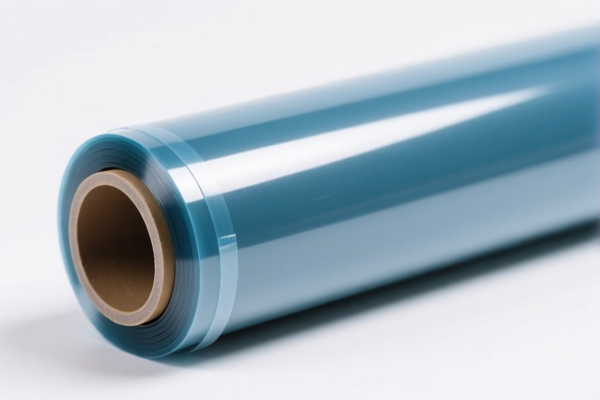
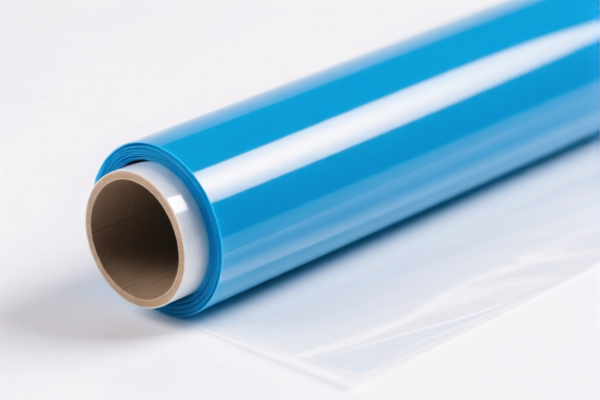
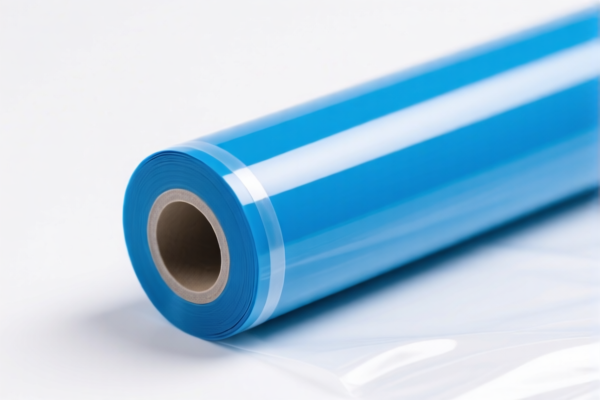
PVC High Plasticizer Label Material refers to self-adhesive products made of polyvinyl chloride (PVC) where a significant amount of plasticizer is added to increase flexibility and conformability. These are typically supplied in rolls and used for printing labels on curved surfaces, bottles, or flexible packaging.
In international trade, this product falls under Chapter 39 (Plastics and Articles Thereof), specifically Heading 3919 (Self-adhesive plates, sheets, film, foil, tape, strip and other flat shapes, of plastics).
The critical classification depends on the width of the roll and whether it is considered a "specialty" adhesive product:
- Narrow Rolls (≤ 20 cm width): Typically used for industrial marking or specific labeling machines.
- Wide Rolls (> 20 cm width): Standard sheet or roll form for converting into final label products.
⚠️ Key Distinction:
- If the product is in rolls with a width not exceeding 20 cm, it is classified under subheading 3919.10.
- If the product is in rolls or sheets with a width exceeding 20 cm, it is classified under subheading 3919.90.
📦 II. HS Code Classification Details (2026 Latest Tariff Mapping)
Based on the provided data, here are the two potential HS Codes for PVC High Plasticizer Label Material:
| HS Code | Product Description | Width Condition | Tax Rate (Total) |
|---|---|---|---|
3919.10.20.55 |
Self-adhesive plates, sheets, film, foil, tape, strip and other flat shapes, of plastics, whether or not in rolls: In rolls of a width not exceeding 20 cm: Other: Other | ≤ 20 cm | 30.8% |
3919.90.50.60 |
Self-adhesive plates, sheets, film, foil, tape, strip and other flat shapes, of plastics, whether or not in rolls: Other: Other: Other | > 20 cm | 0.0% |
🔍 Critical Insight:
- The width of the roll is the decisive factor.
- Narrow rolls (≤ 20 cm) attract high tariffs (30.8%).
- Standard/Wide rolls (> 20 cm) may be duty-free (0.0%) depending on specific country provisions (see below).
💰 III. 2026 Latest Tariff Rate Breakdown (Including Surcharges)
✅ Applicable Jurisdiction: United States (US)
✅ Origin: China (CN)
✅ Note: The tax details provided in the source data reflect specific US import duties for Chinese-origin goods.
🎯 1. 3919.10.20.55 —— Narrow Roll PVC Labels (Width ≤ 20 cm)
| Item | Detail |
|---|---|
| Base Tariff | 5.8% (Ad Valorem) |
| Section 301 Surcharge | 25.0% (Additional Tariff on Chinese Goods) |
| Total Effective Tax Rate | 30.8% |
| Tax Calculation | CIF Value × 30.8% |
| De Minimis Exemption | ❌ Not Eligible (Section 301 tariffs generally apply to all value, including de minimis shipments under current enforcement) |
| Legal Basis | USITC Tariff Schedule → 301 Action List → 3919.10.20.55 |
📌 Explanation:
- The base duty for PVC adhesive products is 5.8%.
- The 25% Section 301 tariff is applied because the product is of Chinese origin and falls under the list of goods subject to additional duties.
- Total Cost Impact: High. Importers must budget for nearly one-third of the value in taxes.
🎯 2. 3919.90.50.60 —— Wide Roll PVC Labels (Width > 20 cm)
| Item | Detail |
|---|---|
| Base Tariff | 0.0% |
| Section 301 Surcharge | 0.0% |
| Total Effective Tax Rate | 0.0% |
| Tax Calculation | None |
| De Minimis Exemption | ✅ Eligible (If value < $800, entry is exempt; if higher, still 0% duty) |
| Legal Basis | USITC Tariff Schedule → 3919.90.50.60 |
📌 Explanation:
- This HS code currently benefits from zero duty status.
- This is a significant cost advantage compared to narrow rolls.
- Strategic Note: If your product can be manufactured or supplied in rolls wider than 20 cm, this classification is highly favorable.
🛠️ IV. Customs Clearance Practical Advice (Risk Mitigation)
✅ 1. Documentation Checklist
| Document | Required? | Notes |
|---|---|---|
| ✅ Commercial Invoice | ✔️ | Must clearly state: "PVC Self-Adhesive Label Material", Material: 100% PVC, Plasticizer Content, Roll Width. |
| ✅ Packing List | ✔️ | Specify roll dimensions (length, width, diameter) and weight. |
| ✅ Product Specification Sheet | ✔️ | Confirm it is not a finished label (with printed design), but raw material stock. |
| ✅ Certificate of Origin | ✔️ | To prove Chinese origin (if claiming specific trade agreements or verifying 301 applicability). |
| ✅ Bill of Lading/Air Waybill | ✔️ | Standard shipping documents. |
✅ 2. Classification Strategy & Tips
🔥 "Width is King: Measure Twice, Declare Once!"
| Scenario | Correct HS Code | Risk if Misclassified |
|---|---|---|
| Roll Width = 15 cm | 3919.10.20.55 |
If declared as >20cm → Underpayment of 30.8% → Penalties + Back Duties |
| Roll Width = 60 cm | 3919.90.50.60 |
If declared as ≤20cm → Overpayment (unnecessary cost) |
| Finished Printed Labels | Possibly 4911.10 (if printed) or 3919.90 (if unprinted) |
Misdeclaring printed labels as raw material → Fraud Risk |
📌 Important:
- Ensure the width stated in the invoice matches the physical product.
- If the product is printed, it may still fall under 3919 if the printing is incidental to the adhesive nature, but consult a customs broker if the print is complex.
- "High Plasticizer" is a key descriptor for customs to identify the material properties, but it does not change the HS code; width does.
✅ 3. Special Considerations
| Issue | Solution |
|---|---|
| Roll Width Variation | If rolls come in various widths, use the most common or declare all variants. Consider standardizing to >20 cm to qualify for 0% duty. |
| Mixed Shipments | If a shipment contains both ≤20cm and >20cm rolls, declare them separately to avoid confusion. |
| Customs Examination | Customs may measure the roll width upon arrival. Ensure physical product matches documentation. |
🌍 V. Global Market Comparison (2026 Overview)
| Market | HS Code (Typical) | Base Duty | Section 301/Retaliatory | Total Est. Rate |
|---|---|---|---|---|
| 🇺🇸 USA | 3919.10.20.55 |
5.8% | +25% | 30.8% |
| 🇺🇸 USA | 3919.90.50.60 |
0.0% | 0% | 0.0% |
| 🇪🇺 EU | 3919.10 / 3919.90 | 6.5% | None | 6.5% |
| 🇨🇳 China | 3919.10 / 3919.90 | 5.8% | None | 5.8% |
| 🇬🇧 UK | 3919.10 / 3919.90 | 6.5% | None | 6.5% |
📌 Conclusion:
- USA has a binary tariff structure based on roll width: 0% for wide rolls vs. 30.8% for narrow rolls.
- EU/UK/China do not apply the 25% Section 301 surcharge, making them more cost-effective for narrow rolls.
- Strategy: If exporting to the US, maximize roll width (>20 cm) to avoid the 25% surcharge.
📌 VI. Common Mistakes & Pitfalls
❌ Mistake 1: Ignoring Roll Width
👉 Consequence: Declaring a 15cm roll as 50cm to get 0% duty → Customs seizure + fines.
❌ Mistake 2: Confusing "Label Material" with "Printed Labels"
👉 Consequence: Printed labels may fall under Chapter 49 (Printing). Misclassification leads to wrong duty rates.
❌ Mistake 3: Not Specifying "PVC"
👉 Consequence: Customs may classify under a different plastic type with higher duties. Always specify Material: PVC.
✅ Best Practice:
"PVC Self-Adhesive Film, Width 50cm, Roll, Unprinted" → HS
3919.90.50.60→ 0% Duty
🎯 VII. Conclusion: Optimize Your Supply Chain
🎯 Key Takeaway:
🔹 Width Matters: For US imports, rolls > 20 cm are duty-free. Rolls ≤ 20 cm carry a 30.8% tax.
🔹 Design for Duty: If possible, produce PVC label material in wide rolls to save 30.8% in costs when selling to the US.
🔹 Accurate Declaration: Always declare width, material (PVC), and adhesive nature clearly.
📌 Pro Tip:
If you are importing narrow rolls (≤20 cm) and want to reduce costs, consider:
1. Sourcing from non-China origins (e.g., Vietnam, Thailand) to avoid Section 301 tariffs.
2. Consulting a customs broker for a Pre-Decision Ruling to confirm the 0% status if you can adjust roll dimensions.
📣 Next Steps:
📞 Contact your customs broker with the exact roll width and material spec.
📝 Update your Incoterms to reflect the 30.8% cost for narrow rolls.
🚀 Optimize product design to qualify for 0% duty where possible.
✨ Smart Classification, Smarter Profits!
💼 Don’t let a 20cm measurement cost you 30% in duties!
Customer Reviews
About HS Code Classification
The Harmonized System (HS) is an internationally standardized nomenclature developed by the World Customs Organization (WCO) to classify traded products. Over 200 countries use the HS system as the basis for customs tariffs, trade statistics, and import/export regulations.
Each HS code follows a hierarchical structure:
- Chapter (2 digits) — Broad category of goods (e.g., Chapter 84: Machinery and Mechanical Appliances)
- Heading (4 digits) — More specific grouping within the chapter
- Subheading (6 digits) — Internationally standardized breakdown, used by all WCO member countries
- National subdivisions (8-10 digits) — Country-specific extensions for further classification, such as US HTSUS 10-digit codes
Correct HS code classification is essential for smooth customs clearance, accurate duty payment, and compliance with trade regulations. Misclassification can lead to customs delays, overpayment of duties, or penalties.
When importing from CN to US, the applicable tariff rates may include:
- Most-Favored-Nation (MFN) rate — The standard duty rate applied to WTO members
- General rate — Applied to countries without trade agreements
- Trade remedy duties — Additional tariffs such as Section 301 (anti-dumping), Section 232 (national security), or countervailing duties
The information provided on this page is for reference purposes only. For official classification, please consult with your local customs authority or a licensed customs broker.