PVC Hose
CN → US| HS Code | Tariff Rate | Origin | Destination | Doc |
|---|---|---|---|---|
| 3917320010 | 38.1% | CN | US | Official Doc |
| 3917390020 | 38.1% | CN | US | Official Doc |
| 5909002000 | 38.3% | CN | US | Official Doc |
| 3917320010 | 38.1% | CN | US | Official Doc |
| 3917390020 | 38.1% | CN | US | Official Doc |
Product Images

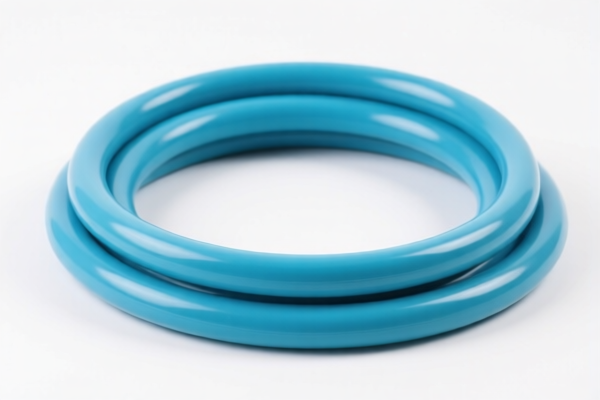
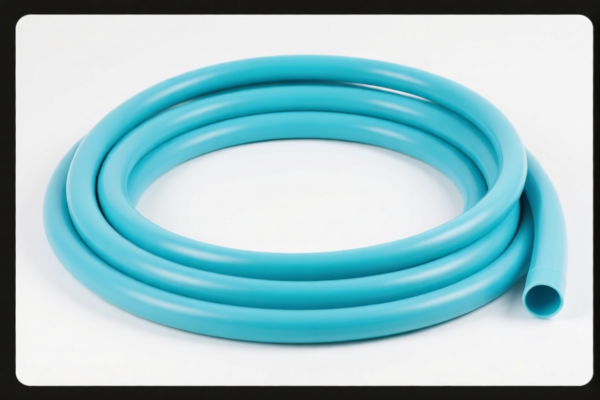
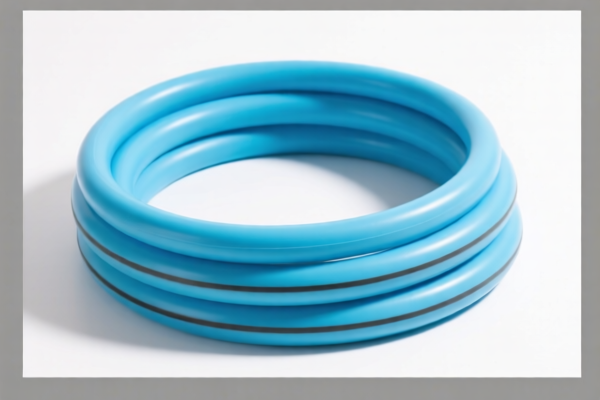
AI Analysis
🏭 PVC Hose (Polyvinyl Chloride Flexible Tubing)
🌐 HS Code Reference & Customs Clearance Guide | 2026 Latest Tariff Analysis | Professional Entry Strategies
📌 Part 1: Product Definition & Classification: Do You Really Understand "PVC Hose"?
PVC hoses are ubiquitous in industrial, agricultural, and domestic applications, used for transporting water, chemicals, air, and gases. However, in international trade, material composition, structure, and intended use dictate the HS Code. Misclassification is the #1 cause of customs delays and excessive duties for this product category.
⚠️ Key Distinction Point:
- Is it a simple flexible tube made purely of plastics? → Chapter 39
- Is it a textile-reinforced hose or a specialized industrial hose (e.g., for textile machinery)? → Chapter 59 or 3919
- Crucial Note: For US imports from China, the HS Code choice directly impacts the Section 301 and 122 Section penalties.
📦 Part 2: HS Code Classification Details (2026 Latest Tariff Authority)
Based on the provided data, here are the four possible classifications for PVC Hoses/Sheets, depending on their specific physical form and construction.
| HS Code | Product Description | Applicable Scenario | Material/Form Constraint |
|---|---|---|---|
3917.32.00.10 |
Plastic Tubes, Pipes & Hoses | PVC hoses made of unreinforced or standard plastic PVC | Fits the general classification for "Other tubes, pipes and hoses" under Chapter 39 |
3917.39.00.20 |
Other Plastic Tubing | PVC hoses where material/form specifications do not fit the narrower 3917.32 category |
"Fully conforms to the limitations of material and form" for other plastic hoses |
5909.00.20.00 |
Textile Hose & Similar Articles | PVC hoses that contain textile reinforcement (fabric mesh, cord) or are classified under textile hose categories | Fits "Other" textile hoses and similar articles (Chapter 59) |
3919.90.50.40 |
PVC Plastic Sheets/Films | Not a hose, but PVC flat sheets/films (e.g., transparent tape, roll film) | Classified as "Flat products," NOT tubular |
🔍 Critical Warning:
- If the product is truly a hose/tube,3919.90.50.40is incorrect. Misclassifying a hose as a "sheet" to avoid higher scrutiny is a major compliance risk. - If the hose has textile reinforcement,5909may apply, but3917is often preferred if the PVC layer is predominant and the textile is merely structural (check specific country rulings). -3917.32.00.10and3917.39.00.20are the primary candidates for standard PVC hoses.
💰 Part 3: 2026 Latest Tariff Rate Details (Including Surcharges & Policy Add-ons)
✅ Applicable Country: United States (US)
✅ Country of Origin: China (CN)
✅ Effective Time: 2025-2026 Tariff Regime
🎯 1. 3917.32.00.10 & 3917.39.00.20 —— Standard PVC Hoses (Chapter 39)
| Item | Content |
|---|---|
| Base Tariff Rate | 3.1% (Ad valorem) |
| Section 301 Surcharge | +25.0% (Additional tariff on Chinese goods) |
| Section 122 Surcharge | +10.0% (New/additional penalty tariff on specific Chinese imports) |
| Total Tariff Rate | 38.1% |
| Tax Calculation | CIF Value × 38.1% |
| De Minimis Eligibility | ❌ NO (Denied. Section 301 and 122 goods are explicitly excluded from de minimis exemptions under $800) |
| Legal Basis Path | HTSUS:3917.32.00 / 3917.39.00 → Section 301: Footnote 9903.88.01 → Section 122: 19 CFR 122 |
📌 Explanation:
- Base Duty (3.1%): Standard US MFN (Most Favored Nation) rate for plastic tubing. - Section 301 (25%): Imposed under U.S. Trade Act of 1974, Section 301, targeting specific Chinese imports including plastic products. - Section 122 (10%): A newer/additional surcharge targeting specific Chinese goods, significantly increasing the landed cost. - Total Impact: Nearly 40% duty makes this a high-cost category. Price competitiveness is severely impacted.
🎯 2. 5909.00.20.00 —— Textile/Industrial Hoses (Chapter 59)
| Item | Content |
|---|---|
| Base Tariff Rate | 3.3% (Ad valorem) |
| Section 301 Surcharge | +25.0% (Additional tariff on Chinese goods) |
| Section 122 Surcharge | +10.0% (New/additional penalty tariff on specific Chinese imports) |
| Total Tariff Rate | 38.3% |
| Tax Calculation | CIF Value × 38.3% |
| De Minimis Eligibility | ❌ NO |
| Legal Basis Path | HTSUS:5909.00.20 → Section 301 → Section 122 |
📌 Note:
- Slightly higher base duty (3.3% vs 3.1%) due to textile/mixed material classification nuances. - Total effective rate is 38.3%. - Risk: If the hose is not truly a "textile hose" per Chapter 59 definitions, misclassification here can lead to fraud allegations.
🚫 3. 3919.90.50.40 —— PVC Sheets/Films (INCORRECT for Hoses)
| Item | Content |
|---|---|
| Base Tariff Rate | 5.8% |
| Section 301 Surcharge | +25.0% |
| Section 122 Surcharge | +10.0% |
| Total Tariff Rate | 40.8% |
| Why List? | DO NOT USE FOR HOSES. This is for flat films/rolls. Using this for a hose is misdeclaration. |
⚠️ Compliance Alert:
- Classifying a hose as a sheet (3919) is a serious error. - Even if the rate were lower (which it isn't here, it's higher at 40.8%), the product description mismatch will trigger customs audits, seizures, and penalties. - Always describe as "Tube/Hose" if the product is tubular.
🛠️ Part 4: Customs Clearance Practical Advice (Battle-Tested Pitfall Guide)
✅ 1. Documentation Checklist (Non-Negotiable)
| Document | Must Provide? | Description |
|---|---|---|
| ✅ Commercial Invoice | ✔️ | Must clearly state "PVC Hose," "Flexible Tubing," dimensions (ID/OD), and length. |
| ✅ Packing List | ✔️ | Detail weight, volume, and number of rolls/units. |
| ✅ Product Specification Sheet | ✔️ | Must include: Material (PVC), Reinforcement (None/Textile), Color, Temperature Range, Pressure Rating. |
| ✅ Photos | ✔️ | Clear photos of the hose cross-section (to show no textile) and end-use. |
| ✅ HTS Code Justification | ✔️ | Brief note explaining why 3917 vs 5909 is chosen (e.g., "Unreinforced PVC, purely plastic"). |
| ❌ Origin Certificate (General) | ✖️ | Won't help reduce US tariffs. Only helpful for other markets. |
✅ 2. Declaration Tips (Key Mantras)
🔥 "Be Tubular, Be Precise, Avoid 'Sheet'!"
| Scenario | Correct Declaration | Wrong Action |
|---|---|---|
| Standard PVC Hose (Unreinforced) | 3917.32.00.10 or 3917.39.00.20 |
Calling it "PVC Tape" or "Film" → 40.8% + Fraud Risk |
| Reinforced PVC Hose (Fabric Mesh) | Evaluate 5909.00.20.00 vs 3917 |
Blindly using 3917 if textile is dominant → Misclassification |
| Sample/Sampler < $800 | Still Pay Duties | Assuming de minimis ($800) applies → Seizure! |
| Mixed Shipment (Hose + Fittings) | Declare Hose & Fittings Separately | Bundling into one HS Code → Complex Valuation Issues |
✅ 3. Special Situations
| Situation | Handling Advice |
|---|---|
| PVC Hose with Textile Reinforcement | If the textile provides the primary strength, consider 5909. If PVC provides the primary function (fluid containment), 3917 is safer. Consult a customs broker for pre-ruling. |
| Food-Grade vs Industrial | Food-grade status does not change HS Code. It only affects FDA compliance. |
| Small Diameter (< 5mm) | Still falls under 3917. No exemption for small sizes. |
| Re-Export | If the hose is imported and re-exported, ensure the original entry is properly marked for "In Bond" or "TIB" (Temporary Importation) if eligible, though duties still accrue. |
🌍 Part 5: Global Market Comparison (2026 Latest)
| Country/Region | Recommended HS Code | Base Duty | Additional Taxes | Notes |
|---|---|---|---|---|
| 🇺🇸 USA | 3917.32.00.10 |
3.1% | 38.1% Total (301 + 122) | Highest Cost. De minimis excluded. |
| 🇨🇳 China | 3917.32.00 |
~5-6% | 0% (Imported) | Lower duty, but export restrictions may apply. |
| 🇪🇺 EU | 3917.32 |
6.5% | 0% (Unless Anti-Dumping) | Check for EU anti-dumping on plastic products. |
| 🇬🇧 UK | 3917.32 |
4.5% | 0% | Post-Brexit tariff schedules. |
| 🇨🇦 Canada | 3917.32 |
5.0% | 0% (CUSMA Preferential) | Eligible for zero duty under USMCA if originating in NA. |
📌 Conclusion:
- The US market is the most challenging for PVC hoses from China due to the 38.1% effective duty rate. - De minimis loophole is CLOSED for these items. Even small shipments (<$800) are subject to duty. - Supply Chain Strategy: Consider sourcing from Vietnam, Mexico, or Thailand for US-bound goods to mitigate Section 301/122 tariffs (verify origin rules strictly).
📌 Part 6: Common Errors & Pitfalls (Lessons Learned)
❌ Error 1: Calling a Hose a "PVC Sheet" or "Film" to save on duties.
👉 Consequence: Customs will reject the declaration, impose the higher 40.8% rate plus penalties. DO NOT DO THIS.
❌ Error 2: Assuming De Minimis ($800) applies to small shipments.
👉 Consequence: Packages seized, destroyed, or fined. Section 301 & 122 goods are excluded.
❌ Error 3: Misclassifying Reinforced Hoses as plain PVC.
👉 Consequence: If textile content is high, 5909 may be more accurate. Incorrect classification leads to audit flags.
❌ Error 4: Ignoring Section 122.
👉 Consequence: Underestimating total landed cost. 10% surcharge is significant.
✅ Correct Approach:
"PVC Flexible Hose, Unreinforced, 1/2 inch ID, Transparent, Industrial Use. HS Code: 3917.32.00.10."
🎯 Part 7: Conclusion: Precision in Classification Saves Money
🎯 Remember the Mantra:
🔹 "Hose is 3917, Sheet is 3919, Mix Up Costs You!"
🔹 "US Duty is 38.1%, No De Minimis, Pay Up!"
🔹 "Reinforced? Check 5909, Don't Guess!"
📌 Pro Tip:
If your PVC hoses are originating in Vietnam, Malaysia, or Thailand, they may be exempt from Section 301 and 122 duties. Verify Certificate of Origin carefully to ensure no Chinese origin content violates rules of origin.
Recommend applying for a Pre-Ruling (CBP Ruling Letter) before shipment to lock in the correct HS Code and duty rate.
📣 Immediate Action:
📞 Contact a licensed customs broker
📤 Provide product cross-section photos & material specs
🚀 Ensure your PVC Hose clears US Customs without seizure or penalty!
✨ Professional Clearance Starts with Accurate Classification!
💼 Your landed cost is a direct result of your HS Code choice!
Customer Reviews
About HS Code Classification
The Harmonized System (HS) is an internationally standardized nomenclature developed by the World Customs Organization (WCO) to classify traded products. Over 200 countries use the HS system as the basis for customs tariffs, trade statistics, and import/export regulations.
Each HS code follows a hierarchical structure:
- Chapter (2 digits) — Broad category of goods (e.g., Chapter 84: Machinery and Mechanical Appliances)
- Heading (4 digits) — More specific grouping within the chapter
- Subheading (6 digits) — Internationally standardized breakdown, used by all WCO member countries
- National subdivisions (8-10 digits) — Country-specific extensions for further classification, such as US HTSUS 10-digit codes
Correct HS code classification is essential for smooth customs clearance, accurate duty payment, and compliance with trade regulations. Misclassification can lead to customs delays, overpayment of duties, or penalties.
When importing from CN to US, the applicable tariff rates may include:
- Most-Favored-Nation (MFN) rate — The standard duty rate applied to WTO members
- General rate — Applied to countries without trade agreements
- Trade remedy duties — Additional tariffs such as Section 301 (anti-dumping), Section 232 (national security), or countervailing duties
The information provided on this page is for reference purposes only. For official classification, please consult with your local customs authority or a licensed customs broker.