PVC Label Film
CN → US| HS Code | Tariff Rate | Origin | Destination | Doc |
|---|---|---|---|---|
| 3919102055 | 40.8% | CN | US | Official Doc |
| 3926909989 | 22.8% | CN | US | Official Doc |
| 3926903500 | 24.0% | CN | US | Official Doc |
| 3919905060 | 40.8% | CN | US | Official Doc |
| 3919102055 | 40.8% | CN | US | Official Doc |
Product Images

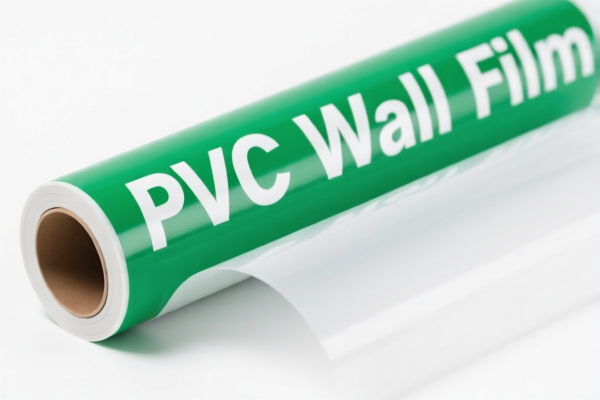
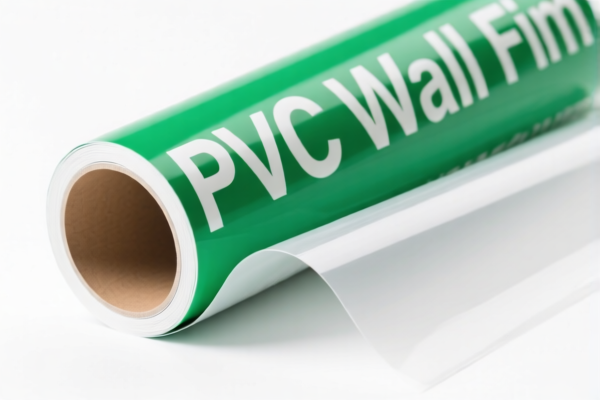
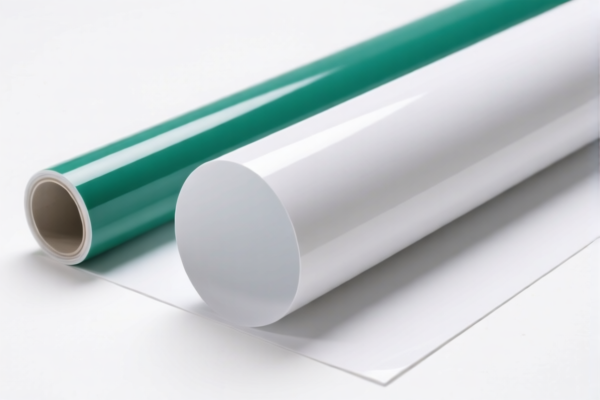
AI Analysis
🏷️ PVC Label Film (Plastic Self-Adhesive Labels)
🌐 HS Code Reference & Customs Clearance Guide | 2026 Latest Tariff Analysis | Professional Entry Strategies for US Market
📌 Part I: Product Definition & Classification: Understanding "PVC Label Film"
PVC Label Film is a versatile packaging and branding material, widely used in retail, industrial, and logistics sectors. In international trade, the classification depends heavily on the form (sheet vs. roll/tape) and function (adhesive vs. non-adhesive).
Key Distinction Points: * Self-Adhesive/Flat Shape (Rolls/Tapes): Classified under Chapter 39, Heading 3919 ("Self-adhesive plates, sheets, film, foil, tape, strip and other flat shapes..."). * Other Plastic Articles/Label Accessories: Classified under Chapter 39, Heading 3926 ("Other articles of plastics...").
⚠️ Critical Classification Rule:
- If the PVC is in flat shapes (rolls, tapes) and is self-adhesive → It falls under 3919.
- If it is a finished label product not specifically listed elsewhere, or rigid/flexible sheets not fitting the "self-adhesive tape" definition strictly → It may fall under 3926.
📦 Part II: HS Code Classification Details (2026 Latest Tariff Authority Cross-Reference)
Based on the provided data, here are the specific HS Codes and their corresponding tax details.
| HS Code | Product Description & Summary | Total Tax Rate | Tax Breakdown (Base + Additional) |
|---|---|---|---|
3919.10.20.55 |
PVC Material, Label Material, Flat Shape/Strip Shape Matches plastic self-adhesive category requirements. Also applies to: PVC Composite Label Material, Flat Shape Film/Strip matching self-adhesive category characteristics. |
40.8% | Base Tariff: 5.8% Section 301 Additional Tariff: 25.0% Section 122 Tariff: 10% |
3919.90.50.60 |
PVC Material, Flat Shape/Self-Adhesive Products Matches self-adhesive plastic products in other categories. |
40.8% | Base Tariff: 5.8% Section 301 Additional Tariff: 25.0% Section 122 Tariff: 10% |
3926.90.99.89 |
PVC Material, Label Products Plastic articles not specified elsewhere. Note: Non-adhesive or finished label goods not covered by 3919. |
22.8% | Base Tariff: 5.3% Section 301 Additional Tariff: 7.5% Section 122 Tariff: 10% |
3926.90.35.00 |
PVC Material, Plastic Made Label Products Meets requirements for "Other articles of plastics" and other categories. Note: Finished label items. |
24.0% | Base Tariff: 6.5% Section 301 Additional Tariff: 7.5% Section 122 Tariff: 10% |
🔍 Key Insight:
- Self-adhesive rolls/tapes (3919) carry a higher total tax (40.8%) due to the higher Section 301 additional tariff (25%).
- Finished label products (3926) carry a lower total tax (22.8% - 24.0%) due to lower Section 301 additional tariffs (7.5%).
- Section 122 Tariff (10%) applies to all listed items, adding a fixed layer of cost.
💰 Part III: 2026 Latest Tariff Rate Explanation (Detailed Breakdown)
✅ Applicable Country: United States (US)
✅ Origin: China (CN)
✅ Effective Date: Post-2025 (Current Policy)
🎯 1. 3919.10.20.55 & 3919.90.50.60 —— Self-Adhesive PVC Films/Rolls
| Item | Content |
|---|---|
| Base Tariff | 5.8% |
| Section 301 Additional Tariff | +25.0% (High-rate category for self-adhesive plastics) |
| Section 122 Tariff | +10.0% (Specific provision for this class of goods) |
| Total Tax Rate | 40.8% |
| Tax Calculation | CIF Value × 40.8% |
| De Minimis Exemption | ❌ Not Applicable (High tariff items are excluded from $800 de minimis relief) |
| Legal Path | HTSUS:3919.10.20.55 / 3919.90.50.60 → USITC Footnotes → Section 301 List → Section 122 |
📌 Explanation:
- The 25% Section 301 tariff is the dominant cost driver for self-adhesive PVC films.
- The 10% Section 122 tariff is an additional layer applied specifically to these plastic flat shapes.
- Total 40.8% is a significant cost burden, requiring careful cost optimization.
🎯 2. 3926.90.99.89 & 3926.90.35.00 —— Finished PVC Label Products
| Item | Content |
|---|---|
| Base Tariff | 5.3% (3926.90.99.89) / 6.5% (3926.90.35.00) |
| Section 301 Additional Tariff | +7.5% (Lower-rate category for other plastic articles) |
| Section 122 Tariff | +10.0% |
| Total Tax Rate | 22.8% (3926.90.99.89) / 24.0% (3926.90.35.00) |
| Tax Calculation | CIF Value × Rate |
| De Minimis Exemption | ❌ Not Applicable |
| Legal Path | HTSUS:3926.90.99.89 / 3926.90.35.00 → USITC Footnotes → Section 301 List → Section 122 |
📌 Explanation:
- These codes are for finished labels or plastic articles not defined as "self-adhesive tapes."
- The 7.5% Section 301 tariff is significantly lower than the 25% for self-adhesive films.
- Total 22.8%-24.0% is much more competitive than 40.8%.
🛠️ Part IV: Customs Clearance Practical Advice (Avoid Pitfalls)
✅ 1. Documentation Checklist (Mandatory)
| Document | Required | Notes |
|---|---|---|
| ✅ Product Specification Sheet | ✔️ | Must clearly state: Material (PVC), Form (Roll/Sheet/Film), Adhesive Type (Self-adhesive vs. Non-adhesive), Width, Length. |
| ✅ Product Photos | ✔️ | Clear images showing the product in rolls (for 3919) vs. cut labels (for 3926). |
| ✅ Commercial Invoice | ✔️ | Describe precisely: "PVC Self-Adhesive Label Film" (for 3919) or "PVC Plastic Label Stickers" (for 3926). Avoid vague terms like "Plastic Sheet." |
| ✅ Packing List | ✔️ | Detail net/gross weight, dimensions, and number of rolls/sheets. |
| ✅ Certificate of Origin | ✔️ | Required to confirm Chinese origin for Section 301/122 application. |
✅ 2. Declaration Tips (Key Strategy)
🔥 "Adhesive Roll = 3919 (40.8%); Cut Label = 3926 (~23%)"
| Scenario | Correct HS Code | Incorrect Action | Consequence |
|---|---|---|---|
| PVC in Rolls, Self-Adhesive | 3919.10.20.55 / 3919.90.50.60 |
Declare as "Labels" (3926) |
Customs Rejection: High risk of penalty for misclassification. |
| Cut PVC Labels (Sheets/Rolls of Labels) | 3926.90.99.89 / 3926.90.35.00 |
Declare as "Self-Adhesive Film" (3919) |
Overpayment: Pay 40.8% instead of ~23%. |
| PVC Film (No Adhesive) | 3926.90.99.89 |
Declare as "Self-Adhesive" | Misclassification: No adhesive = not 3919. |
| Packaging with Roll + Cut Labels | Split Declaration | Single declaration for mixed goods | Confusion: Split into rolls (3919) and cut labels (3926) on invoice. |
✅ 3. Special Considerations
| Situation | Handling Advice |
|---|---|
| Composite Labels (PVC + Paper) | If PVC is the principal material, classify under 3919 or 3926 based on form. Provide material composition breakdown. |
| Sample Shipments | Even small quantities are subject to Section 122 (10%) and Section 301. Do not assume samples are tax-free. |
| Third-Party Warehouse (US) | If goods are stored in the US, ensure HS Code is accurate upon entry to avoid storage fees due to classification disputes. |
| Pre-Ruling Request | For large volumes, consider requesting a CBP Ruling to confirm whether your specific product is 3919 or 3926. |
🌍 Part V: Global Market Comparison (2026 Latest)
| Country/Region | Recommended HS Code | Tariff (China Origin) | Certification Requirements | Notes |
|---|---|---|---|---|
| 🇺🇸 USA | 3919.10.20.55 / 3926.90.99.89 |
40.8% / 22.8% | No specific FDA/CE needed for general labels, but must comply with local labeling laws. | Highest tariff burden. Section 122 adds 10%. |
| 🇨🇳 China | 3919.10.20.55 / 3926.90.99.89 |
Low/Zero (Imported into CN) | CCC (if applicable) | Tariff is low for imports into China. |
| 🇪🇺 EU | 3920.10 / 3926.90 |
~6.5% - 9.0% | REACH, UKCA/CE if for consumer goods | No Section 301/122 equivalent. |
| 🇬🇧 UK | 3919.90 / 3926.90 |
~5.5% - 8.0% | UKCA Marking | Post-Brexit rules apply. |
| 🇨🇦 Canada | 3919.90 / 3926.90 |
~5.0% - 6.0% | CFIA (if food contact) | CUSMA may offer zero duty for qualified origin. |
📌 Conclusion:
- The US market is significantly more expensive due to Section 301 and Section 122 tariffs.
- Careful classification is critical to save ~17-18% in taxes (40.8% vs. 22.8%).
- Ensure the product description accurately reflects the physical form (roll vs. cut label) and adhesive nature.
📌 Part VI: Common Errors & Pitfalls (Lessons Learned)
❌ Error 1: Classifying PVC rolls with adhesive as 3926 (Finished Labels).
👉 Consequence: Customs may reject or penalize, as 3919 is the correct code for self-adhesive flat shapes. Risk of back-taxes and fines.
❌ Error 2: Classifying cut PVC labels as 3919 (Self-Adhesive Film).
👉 Consequence: Overpayment of 17-18% tax. You pay 40.8% instead of 22.8%. No refund easily obtained.
❌ Error 3: Omitting "Self-Adhesive" in the description.
👉 Consequence: Customs may doubt the classification, leading to delays in clearance while they request more info.
❌ Error 4: Ignoring Section 122 Tariff.
👉 Consequence: All listed items have a 10% additional tariff. Failing to account for this leads to budget shortfalls.
✅ Correct Practice:
"PVC Self-Adhesive Label Roll, 50mm x 100m, Pressure Sensitive Adhesive, Clear/White" (For
3919)
OR
"PVC Plastic Label Stickers, Cut to Size, Pressure Sensitive" (For3926)
🎯 Part VII: Conclusion: Professional Declaration, Cost Savings, Efficiency!
🎯 Remember the Key Takeaway:
🔹 "Rolls with Glue = 3919 (40.8%); Cut Labels = 3926 (~23%); Don't Forget 10% Section 122!"
🔹 "HS Code determines your tax bill. A small shift from 3919 to 3926 can save you 17-18% in duties."
📌 Tips:
- Always provide photos of the product in its shipping form (rolls vs. sheets).
- If you have mixed shipments, declare them separately on the invoice.
- For high-volume imports, consider CBP Ruling to lock in the classification.
📣 Immediate Action:
📞 Contact your customs broker with product photos and specifications.
🚀 Optimize your HS Code classification to minimize duty costs!
✨ Professional customs clearance starts with accurate classification!
💼 Every cent of duty saved is pure profit!
Customer Reviews
About HS Code Classification
The Harmonized System (HS) is an internationally standardized nomenclature developed by the World Customs Organization (WCO) to classify traded products. Over 200 countries use the HS system as the basis for customs tariffs, trade statistics, and import/export regulations.
Each HS code follows a hierarchical structure:
- Chapter (2 digits) — Broad category of goods (e.g., Chapter 84: Machinery and Mechanical Appliances)
- Heading (4 digits) — More specific grouping within the chapter
- Subheading (6 digits) — Internationally standardized breakdown, used by all WCO member countries
- National subdivisions (8-10 digits) — Country-specific extensions for further classification, such as US HTSUS 10-digit codes
Correct HS code classification is essential for smooth customs clearance, accurate duty payment, and compliance with trade regulations. Misclassification can lead to customs delays, overpayment of duties, or penalties.
When importing from CN to US, the applicable tariff rates may include:
- Most-Favored-Nation (MFN) rate — The standard duty rate applied to WTO members
- General rate — Applied to countries without trade agreements
- Trade remedy duties — Additional tariffs such as Section 301 (anti-dumping), Section 232 (national security), or countervailing duties
The information provided on this page is for reference purposes only. For official classification, please consult with your local customs authority or a licensed customs broker.