PVC Laboratory Pipe
CN → US| HS Code | Tariff Rate | Origin | Destination | Doc |
|---|---|---|---|---|
| 3917230000 | 38.1% | CN | US | Official Doc |
| 3917320010 | 38.1% | CN | US | Official Doc |
| 3926909987 | 22.8% | CN | US | Official Doc |
| 3926909989 | 22.8% | CN | US | Official Doc |
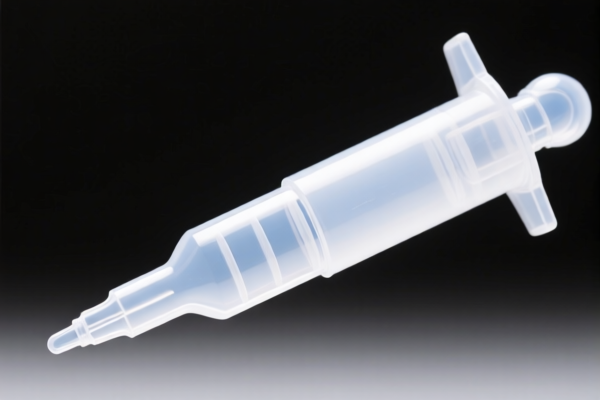
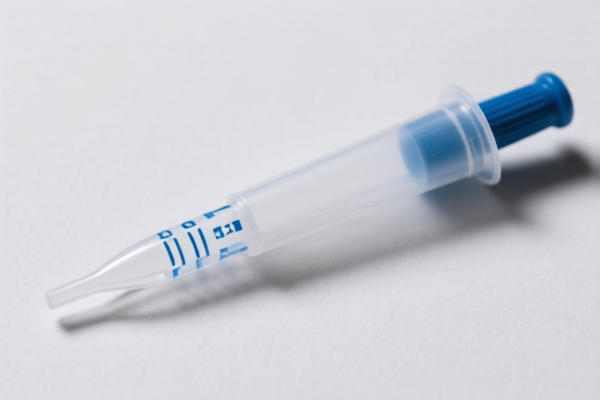
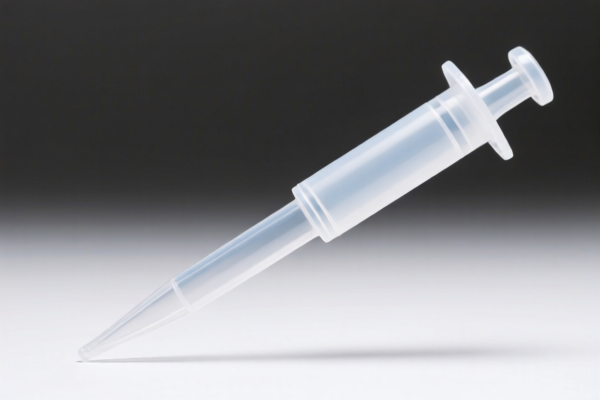
Product Images

AI Analysis
🧪 PVC Laboratory Pipe (PVC Lab Tubing)
🌐 HS Code Reference & Customs Clearance Guide | 2026 Latest Tariff Analysis | Professional-Level Strategy
📌 I. Product Definition & Classification: What Exactly is "PVC Laboratory Pipe"?
PVC Laboratory Pipe refers to rigid or semi-rigid tubes made from Vinyl Chloride Polymers (PVC), specifically designed or commonly used for transporting chemicals, reagents, or water in laboratory settings. In international trade, the key to correct classification lies in distinguishing between generic plastic pipes and those specifically defined by their material composition and use.
⚠️ Key Distinction:
- If the pipe is strictly defined as made from Vinyl Chloride Polymers and is in the form of a tube, it typically falls under Heading 3917.
- If the description is vague (e.g., "Plastic Pipe" without specifying "Vinyl Chloride"), customs may default to the general Plastic Articles category under Heading 3926, which carries a higher tariff risk.
📦 II. HS Code Classification Details (2026 Latest Tariff Authority Comparison)
| HS Code | Product Description | Material Specificity | Form/Shape | Total Tax Rate |
|---|---|---|---|---|
3917.23.00.00 |
PVC Pipe, Material: Vinyl Chloride Polymer, Form: Tube/Piping | ✅ Specific: Vinyl Chloride Polymer | Tube/Piping | 38.1% |
3917.32.00.10 |
PVC Pipe, Material: Polyvinyl Chloride, Form: Tube | ✅ Specific: Polyvinyl Chloride | Tube | 38.1% |
3917.23.00.00 |
PVC Laboratory Pipe, Material: Vinyl Chloride Polymer, Form: Tube, Use: Laboratory | ✅ Specific: Vinyl Chloride Polymer + Lab Use | Tube | 38.1% |
3926.90.99.87 |
PVC Pipe, Material: Plastic, Form: Rigid Pipe, Use: Undefined | ❌ Vague: Just "Plastic" | Rigid Pipe | 22.8% |
3926.90.99.89 |
PVC Pipe, Material: Plastic, Form: Articles, Fits Catch-all Definition | ❌ Vague: Catch-all Plastic Article | Article | 22.8% |
🔍 Critical Note:
- HS 3917.23.00.00 and 3917.32.00.10 are the correct, specific classifications for PVC pipes because they explicitly mention Vinyl Chloride Polymer or Polyvinyl Chloride.
- HS 3926.90.99.87/89 are incorrect/less optimal if the product is truly PVC. While the tax rate is lower (22.8% vs 38.1%), misdeclaring PVC as "General Plastic" can lead to customs penalties, audits, or forced reclassification later.
- Lab use does not change the HS Code for PVC pipes; they still fall under 3917 if made of vinyl chloride. The "Laboratory" keyword is a usage descriptor, not a classification driver in this context.
💰 III. 2026 Latest Tariff Rate Breakdown (Including Surtaxes & Policy Add-ons)
✅ Applicable Country: United States (US)
✅ Country of Origin: China (CN)
✅ Effective Date: From November 10, 2025 (and subsequent imports)
🎯 1. HS Codes 3917.23.00.00 & 3917.32.00.10 — PVC Pipes (Vinyl Chloride Based)
| Item | Content |
|---|---|
| Base Tariff | 3.1% (Ad Valorem) |
| Section 301 Surtax | +25.0% (Added Tariffs) |
| Section 122 Tariff | +10.0% (Additional 122 Clause Tariff) |
| Total Tax Rate | 38.1% |
| Tax Calculation | CIF Value × 38.1% |
| De Minimis Eligibility | ❌ Not Eligible (deny_de_minimis) |
| Legal Basis Path | Section 301: 9903.88.01 → Section 122: 9903.01.25 → USITC: 3917.23.00.00 / 3917.32.00.10 |
📌 Explanation:
- Base 3.1%: Standard MFN rate for plastic pipes under 3917.
- Section 301 (25%): US trade remedy tariffs on Chinese goods.
- Section 122 (10%): Additional surtax on specific plastic products from China.
- Total 38.1%: This is a high tariff bracket. Buyers must account for this in landed cost calculations.
🎯 2. HS Codes 3926.90.99.87 & 3926.90.99.89 — General Plastic Pipes/Articles
| Item | Content |
|---|---|
| Base Tariff | 5.3% (Ad Valorem) |
| Section 301 Surtax | +7.5% (Added Tariffs) |
| Section 122 Tariff | +10.0% (Additional 122 Clause Tariff) |
| Total Tax Rate | 22.8% |
| Tax Calculation | CIF Value × 22.8% |
| De Minimis Eligibility | ❌ Not Eligible (deny_de_minimis) |
| Legal Basis Path | Section 301: 9903.88.01 → Section 122: 9903.01.25 → USITC: 3926.90.99.87/89 |
📌 Warning:
- While the rate is lower (22.8%), using this code for PVC pipes is risky. Customs may audit the declaration, determine it is actually PVC, and charge the 38.1% rate retroactively, plus penalties.
- Recommendation: Always declare accurately as 3917 if the material is PVC. The potential savings on misdeclaration are not worth the compliance risk.
🛠️ IV. Customs Clearance Practical Advice (Real-World Pitfall Avoidance Guide)
✅ 1. Required Documentation Checklist (Non-negotiable)
| Document | Mandatory? | Explanation |
|---|---|---|
| ✅ Product Specification Sheet | ✔️ | Must specify Material: Polyvinyl Chloride (PVC), inner/outer diameter, wall thickness, pressure rating. |
| ✅ Material Safety Data Sheet (MSDS) | ✔️ | To confirm chemical composition (Vinyl Chloride Polymer). |
| ✅ Product Photos (Clear Label) | ✔️ | Show markings like "PVC," "Vinyl Chloride," "Lab Grade." |
| ✅ Commercial Invoice | ✔️ | Must state: "PVC Laboratory Pipe, Made of Vinyl Chloride Polymer" — Do not just write "Plastic Pipe." |
| ✅ Packing List | ✔️ | Detail net/gross weight, dimensions. |
| ✅ Certificate of Origin (CO) | ✔️ | If claiming any potential exemptions (though none apply to PVC from CN). |
✅ 2. Declaration Strategy (Key Mnemonics)
🔥 “Specify PVC, Not Just Plastic; Lab Use Doesn’t Lower Tax!”
| Scenario | Correct Declaration | Wrong Practice |
|---|---|---|
| Standard PVC Lab Pipe | HS 3917.23.00.00Description: "PVC Pipe, Vinyl Chloride Polymer, for Laboratory Use" |
HS 3926.90.99.87Description: "Plastic Pipe" → High Audit Risk |
| PVC Pipe for Construction | HS 3917.23.00.00 |
HS 3926.90.99.89 → Misclassification |
| Non-PVC Plastic Pipe (e.g., PP, PE) | HS 3917.40 or 3917.39 |
HS 3917.23 → Wrong Material |
📌 Tip:
- The term "Laboratory" is descriptive. It does not change the HS Code from 3917 to something else.
- If the pipe is made of Polypropylene (PP) or Polyethylene (PE), it is NOT PVC and should NOT be declared as 3917.23.
✅ 3. Special Cases Handling
| Situation | Handling Advice |
|---|---|
| OEM Custom Lab Pipes | Provide client order + material certification. Avoid vague terms like "Industrial Tubing." |
| Mixed Packaging (PVC + Fittings) | Declare PVC pipe under 3917. Fittings may fall under 3917 or 3926. Declare separately to avoid misclassification of the whole lot. |
| Chemical Resistance Claims | Do not use "Chemical Resistant Pipe" as the primary name. Stick to Material + Form. |
🌍 V. Global Market Clearance Comparison (2026 Latest)
| Country/Region | Recommended HS Code | Tariff (China Origin) | Certification Requirements | Notes |
|---|---|---|---|---|
| 🇺🇸 USA | 3917.23.00.00 |
38.1% | FDA (if for food/water), NSF | High tariff. Avoid 3926 misdeclaration. |
| 🇨🇳 China | 3917.23.00.00 |
5% - 7% | CCC (if applicable) | Low tariff. |
| 🇪🇺 EU | 3917.23.00 |
0% - 3% | REACH, RoHS | No additional surtaxes. |
| 🇬🇧 UK | 3917.23.00 |
0% - 3% | UKCA, REACH | Post-Brexit rules apply. |
| 🇦🇺 Australia | 3917.23.00 |
5% | RCM | No major surtaxes. |
📌 Conclusion:
- USA is the most challenging market for PVC pipes due to Section 301 + 122 tariffs (38.1%).
- EU/UK have no major surtaxes, making them more attractive for pricing.
- Accuracy is key: Misdeclaring as 3926 to save ~15% in the US is not worth the penalty risk.
📌 VI. Common Mistakes & Pitfall Guide (Lessons Learned)
❌ Mistake 1: Declaring PVC Pipe as "Plastic Pipe" to get 22.8% instead of 38.1%
👉 Consequence: Customs audit → Repayment of 15.3% difference + fines → Shipment Delayed/Confiscated.
❌ Mistake 2: Using "Lab Pipe" to imply a special exemption code
👉 Consequence: No such exemption exists for PVC. Customs will reclassify to standard PVC pipe → 38.1% applies.
❌ Mistake 3: Combining PVC Pipe with Non-PVC Accessories and declaring as one line item
👉 Consequence: Mixed HS Codes cause delays. Declare separately.
✅ Correct Practice:
"PVC Laboratory Pipe, Made of Polyvinyl Chloride Polymer, Rigid, for Chemical Transport, Outer Diameter: XX mm, Wall Thickness: XX mm, Model: LAB-PVC-XX, NSF Certified"
🎯 VII. Conclusion: Professional Declaration, Cost Optimization, Risk Mitigation!
🎯 Remember the Mantra:
🔹 "PVC is Vinyl Chloride, Not Just Plastic!"
🔹 "Lab Use Doesn’t Change HS, It’s Still 3917!"
🔹 "38.1% is High, But Honesty is Cheaper than Fines!"
📌 Pro Tip:
- If you are exporting to the US, consider supply chain diversification (e.g., PVC pipes manufactured in Vietnam or Mexico) to potentially avoid Section 301 tariffs.
- For EU/UK, focus on REACH compliance to ensure smooth clearance.
- Always consult a licensed customs broker for high-value shipments.
📣 Take Action Now:
📞 Contact Professional Customs Brokers + Provide Product Specs + Pre-clearance Ruling
🚀 Ensure Your PVC Pipes Clear Smoothly, Reduce Costs, and Boost Profits!
✨ Professional Clearance Starts with Accurate Classification!
💼 Every Penny of Tariff Should Be Calculated Precisely!
Customer Reviews
About HS Code Classification
The Harmonized System (HS) is an internationally standardized nomenclature developed by the World Customs Organization (WCO) to classify traded products. Over 200 countries use the HS system as the basis for customs tariffs, trade statistics, and import/export regulations.
Each HS code follows a hierarchical structure:
- Chapter (2 digits) — Broad category of goods (e.g., Chapter 84: Machinery and Mechanical Appliances)
- Heading (4 digits) — More specific grouping within the chapter
- Subheading (6 digits) — Internationally standardized breakdown, used by all WCO member countries
- National subdivisions (8-10 digits) — Country-specific extensions for further classification, such as US HTSUS 10-digit codes
Correct HS code classification is essential for smooth customs clearance, accurate duty payment, and compliance with trade regulations. Misclassification can lead to customs delays, overpayment of duties, or penalties.
When importing from CN to US, the applicable tariff rates may include:
- Most-Favored-Nation (MFN) rate — The standard duty rate applied to WTO members
- General rate — Applied to countries without trade agreements
- Trade remedy duties — Additional tariffs such as Section 301 (anti-dumping), Section 232 (national security), or countervailing duties
The information provided on this page is for reference purposes only. For official classification, please consult with your local customs authority or a licensed customs broker.