PVC Packaging Box Sheets
CN → US| HS Code | Tariff Rate | Origin | Destination | Doc |
|---|---|---|---|---|
| 3921125000 | 41.5% | CN | US | Official Doc |
| 3923900080 | 38.0% | CN | US | Official Doc |
| 3921121950 | 40.3% | CN | US | Official Doc |
| 3921121100 | 39.2% | CN | US | Official Doc |
| 3920435000 | 39.2% | CN | US | Official Doc |
Product Images

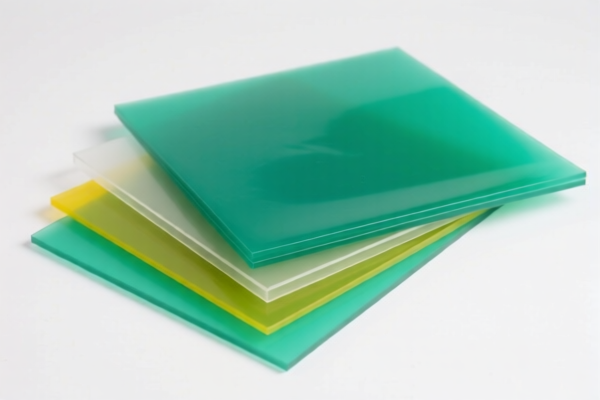
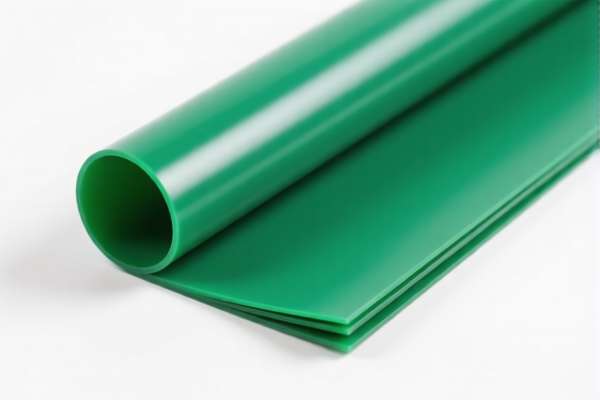
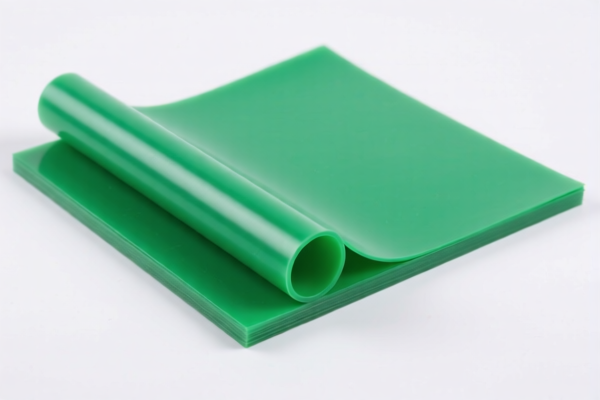
AI Analysis
📦 PVC Packaging Box Sheets (PVC Boards for Packaging)
🌐 HS Code Reference & Customs Clearance Guide | 2026 Latest Tariff Analysis | Professional-Level Entry Strategy
📌 I. Product Definition & Classification: Do You Really Understand "PVC Packaging Sheets"?
PVC Packaging Box Sheets, primarily composed of PVC (Polyvinyl Chloride) polymer, are rigid or semi-rigid plastic materials in the form of boards, sheets, plates, or films. In international trade, their classification depends heavily on their specific form (board vs. finished packaging) and usage (raw material vs. packaging article).
Two Main Categories:
- PVC Boards/Sheets/Plates (Raw/Mid-processed Materials):
- Solid, rigid, or flexible PVC sheets used as raw materials to manufacture packaging boxes, blister packs, or other products.
- Classified under Chapter 39 (Plastics and Articles Thereof), specifically subheadings like 3921 (Plastics plates, sheets, film, foil and strip) or 3920 (Non-cellular plastics plates, sheets, etc.).
- Plastic Packaging Articles (Finished Goods):
- If the PVC material has been processed into specific packaging containers, bags, or boxes (even if simple), it may fall under 3923 (Articles for the conveyance or packaging of goods).
⚠️ Key Distinction Point:
- If it is a flat sheet/board intended for further processing (cutting, folding into boxes) → Likely 3921 or 3920.
- If it is a finished packaging unit (e.g., a pre-formed box or specific packaging article) → Likely 3923.
- Note: Simple flat sheets for making boxes are rarely classified as "packaging articles" (3923) unless they have specific finishing that makes them ready-to-use packaging containers.
📦 II. HS Code Classification Details (2026 Latest Tariff Authority Comparison)
Based on the provided data, here are the specific HS Codes and their rationales:
| HS Code | Product Description & Rationale | Application Scenario | Form/Material Status |
|---|---|---|---|
3921.12.50.00 |
PVC Boards/Sheets: Classified as "PVC (Polyvinyl Chloride Polymer), Form: Board". Fits the classification for PVC polymer boards/sheets. | Raw material for manufacturing packaging boxes, signage, or construction. | ✅ Rigid/Semi-rigid Board |
3923.90.00.80 |
Plastic Packaging Articles: Material is plastic, purpose is packaging. Fits the category for "Plastic packaging articles". | Finished packaging containers, specific packaging units made of PVC. | ✅ Finished Packaging Item |
3921.12.19.50 |
PVC Boards (Fallback Category): Material is PVC, Form is Board. Based on fallback rules, it may fit here if other specific subheadings don't apply. | General PVC sheets where specific chemical composition or thickness doesn't match other precise codes. | ✅ General PVC Board |
3921.12.11.00 |
PVC Polymer Boards/Films: Material is PVC polymer, Form is Board/Film. Fits raw material/semi-finished goods description. | Raw PVC sheets for thermoforming, blister packaging production. | ✅ Raw/Semi-finished |
3920.43.50.00 |
Other PVC Boards: Material is PVC polymer, Form is Board/Sheet. Inferential logic for other categories. | Alternative classification for PVC boards not fitting 3921 specifics, or vice versa. | ✅ Alternative PVC Board |
🔍 Key Reminder:
- 3921 vs. 3920: Both cover plastic sheets. 3921 is broader (includes composite plates, etc.), while 3920 is for non-cellular plastics. The choice often depends on specific manufacturing processes and additives.
- 3921 vs. 3923: This is the most critical distinction. If it's a flat sheet, it's 3921/3920. If it's a finished box/bag, it's 3923. Misclassification here leads to significant tax differences.
💰 III. 2026 Latest Tariff Rate Details (Including Surcharges & Policy Add-ons)
✅ Applicable Country: USA (US)
✅ Country of Origin: China (CN)
✅ Effective Date: From Nov 10, 2025 (and subsequent imports)
🎯 1. 3921.12.50.00 —— PVC Boards/Sheets
| Item | Content |
|---|---|
| Base Tariff | 6.5% (ad valorem) |
| Surcharges | +25.0% (Section 301 Tariff) +10.0% (Section 122 Tariff) |
| Total Tariff | 41.5% |
| Tax Calculation | CIF Value × 41.5% |
| De Minimis Exemption | ❌ Not Applicable (deny_de_minimis) |
| Legal Basis Path | USITC:3921.12.50.00 → Section 301: +25% → Section 122: +10% |
📌 Explanation:
- Base 6.5%: Standard MFN tariff for PVC boards.
- 25% Surcharge: Imposed under Section 301 of the Trade Act for certain Chinese imports.
- 10% Surcharge: Additional tariff under Section 122 (or similar emergency trade laws) for specific PVC products.
- Total 41.5%: Very high effective tariff rate. Must be factored into pricing strategy.
🎯 2. 3923.90.00.80 —— Plastic Packaging Articles
| Item | Content |
|---|---|
| Base Tariff | 3.0% (ad valorem) |
| Surcharges | +25.0% (Section 301 Tariff) +10.0% (Section 122 Tariff) |
| Total Tariff | 38.0% |
| Tax Calculation | CIF Value × 38.0% |
| De Minimis Exemption | ❌ Not Applicable (deny_de_minimis) |
| Legal Basis Path | USITC:3923.90.00.80 → Section 301: +25% → Section 122: +10% |
📌 Note:
- Even though the base tariff is lower (3.0%), the surcharges remain the same.
- This classification is only valid if the product is considered a finished packaging article, not just a raw sheet.
🎯 3. 3921.12.19.50 —— Fallback PVC Board
| Item | Content |
|---|---|
| Base Tariff | 5.3% (ad valorem) |
| Surcharges | +25.0% (Section 301 Tariff) +10.0% (Section 122 Tariff) |
| Total Tariff | 40.3% |
| Tax Calculation | CIF Value × 40.3% |
| De Minimis Exemption | ❌ Not Applicable |
📌 Explanation:
- Base tariff is slightly lower than3921.12.50.00.
- Used when specific subheadings for PVC boards don't precisely match the product's technical specs.
🎯 4. 3921.12.11.00 —— Raw PVC Board/Film
| Item | Content |
|---|---|
| Base Tariff | 4.2% (ad valorem) |
| Surcharges | +25.0% (Section 301 Tariff) +10.0% (Section 122 Tariff) |
| Total Tariff | 39.2% |
| Tax Calculation | CIF Value × 39.2% |
| De Minimis Exemption | ❌ Not Applicable |
📌 Explanation:
- Lower base tariff due to classification as "raw/semi-finished material".
- Requires proof that the product is not a finished packaging article.
🎯 5. 3920.43.50.00 —— Other PVC Board
| Item | Content |
|---|---|
| Base Tariff | 4.2% (ad valorem) |
| Surcharges | +25.0% (Section 301 Tariff) +10.0% (Section 122 Tariff) |
| Total Tariff | 39.2% |
| Tax Calculation | CIF Value × 39.2% |
| De Minimis Exemption | ❌ Not Applicable |
📌 Explanation:
- Alternative classification for PVC boards.
- Base tariff is lower, but surcharges are identical.
🛠️ IV. Customs Clearance Practical Advice (Pitfall Avoidance Guide)
✅ 1. Documentation Checklist (Indispensable)
| Document | Must Provide | Description |
|---|---|---|
| ✅ Product Specification Sheet | ✔️ | Includes thickness, density, hardness, chemical composition (PVC content). |
| ✅ Product Photos | ✔️ | Clear images of the sheets/boards, showing form (flat, rolled, cut). |
| ✅ Commercial Invoice | ✔️ | Clearly state "PVC Sheets/Boards for Packaging" or "Plastic Packaging Articles". |
| ✅ Packing List | ✔️ | Detail weight, dimensions, and packaging type. |
| ✅ Certificate of Origin (CO) | ✔️ | If applicable for preferential treatment (though unlikely for US/China PVC in this context). |
| ✅ Material Safety Data Sheet (MSDS) | ✔️ | Required for chemical products, including PVC. |
✅ 2. Declaration Tips (Key Mantras)
🔥 "Know the Form: Sheet vs. Box. Name Matters: Raw vs. Finished."
| Situation | Correct Declaration | Incorrect Action |
|---|---|---|
| Flat PVC Sheets (for making boxes) | 3921.12.50.00 or 3921.12.11.00 |
Misdeclare as "Packaging Box" → 38% (if 3923) or higher penalties. |
| Finished PVC Packaging Boxes | 3923.90.00.80 |
Misdeclare as "PVC Sheet" → Underpayment risk. |
| PVC Films | 3921.12.11.00 |
Misdeclare as "Boards" → Potential audit. |
| Mixed Shipment (Sheets + Boxes) | Declare separately | Combine into one code → High risk of customs hold. |
✅ 3. Special Cases Handling
| Situation | Handling Advice |
|---|---|
| Custom-Thickness Sheets | Provide exact thickness and width. Some subheadings depend on thickness. |
| Colored vs. Uncolored PVC | Specify if PVC is colored. This can affect the specific subheading under 3921/3920. |
| Reinforced PVC Sheets | If reinforced with glass fiber or other materials, declare as "Composite". May change HS code. |
| Recycled PVC | If made from recycled materials, additional documentation may be required for environmental compliance. |
🌍 V. Global Market Customs Comparison (2026 Latest)
| Country/Region | Recommended HS Code | Tariff | Certification Requirements | Remarks |
|---|---|---|---|---|
| 🇺🇸 USA | 3921.12.50.00 or 3923.90.00.80 |
38%-41.5% (China Origin) | CPSIA (if for toys/children), FDA (if for food contact) | High surcharges. Must declare accurately. |
| 🇨🇳 China | 3921.12.50.00 |
5%-6.5% | CCC (if applicable) | No surcharges for domestic imports. |
| 🇪🇺 EU | 3921.12.50.00 |
6.5% | REACH, RoHS | No surcharges. Strict chemical compliance. |
| 🇬🇧 UK | 3921.12.50.00 |
6.5% | UKCA, REACH | Post-Brexit regulations apply. |
| 🇯🇵 Japan | 3921.12.50.00 |
6.0%-8.0% | PSE (if electrical accessories) | No surcharges. |
📌 Conclusion:
- USA imposes the highest effective tariffs due to surcharges.
- EU and Japan have stable, lower tariffs but strict chemical regulations (REACH, RoHS).
- Accurate classification is critical to avoid overpaying or underpaying taxes.
📌 VI. Common Mistakes & Pitfall Guide (Lessons from Experience)
❌ Mistake 1: Declaring "PVC Sheets" as "Packaging Boxes" when they are raw materials.
👉 Consequence: Underpayment of duties, potential fines and back-taxes.
❌ Mistake 2: Using generic terms like "Plastic Sheet" without specifying PVC.
👉 Consequence: Customs may reclassify to a different code with higher tariffs.
❌ Mistake 3: Ignoring surcharges (Section 301/122) in cost calculations.
👉 Consequence: Profit margin erosion due to unexpected tax bills.
❌ Mistake 4: Failing to provide MSDS for PVC products.
👉 Consequence: Customs hold, delays, and potential rejection.
✅ Correct Approach:
"PVC Sheets, Polyvinyl Chloride, Rigid, Unfinished, For Packaging Manufacturing, 0.5mm Thickness, Uncolored"
🎯 VII. Conclusion: Precise Declaration Saves Money and Time!
🎯 Remember the Mantra:
🔹 "Sheet vs. Box: Declare the Form. Raw vs. Finished: Declare the Use."
🔹 "Tariff is King: 3921 for Sheets, 3923 for Boxes. Surcharges Add 35%, Don't Let Them Surprise You!"
📌 Pro Tip:
If your PVC sheets are originating from Vietnam, Mexico, or Thailand, you may qualify for IEEPA Exemptions or lower tariffs under free trade agreements.
We recommend applying for a Pre-Ruling (Advance Ruling) from Customs to confirm the correct HS Code and avoid clearance risks.
📣 Take Action Now:
📞 Contact a Professional Customs Broker + Provide Product Photos + Apply for HS Code Pre-Ruling
🚀 Ensure Your PVC Sheets Clear Customs Smoothly, Maximize Efficiency, and Boost Profits!
✨ Professional Clearance Starts with Accurate Classification!
💼 Every Penny Saved Counts in International Trade!
Customer Reviews
About HS Code Classification
The Harmonized System (HS) is an internationally standardized nomenclature developed by the World Customs Organization (WCO) to classify traded products. Over 200 countries use the HS system as the basis for customs tariffs, trade statistics, and import/export regulations.
Each HS code follows a hierarchical structure:
- Chapter (2 digits) — Broad category of goods (e.g., Chapter 84: Machinery and Mechanical Appliances)
- Heading (4 digits) — More specific grouping within the chapter
- Subheading (6 digits) — Internationally standardized breakdown, used by all WCO member countries
- National subdivisions (8-10 digits) — Country-specific extensions for further classification, such as US HTSUS 10-digit codes
Correct HS code classification is essential for smooth customs clearance, accurate duty payment, and compliance with trade regulations. Misclassification can lead to customs delays, overpayment of duties, or penalties.
When importing from CN to US, the applicable tariff rates may include:
- Most-Favored-Nation (MFN) rate — The standard duty rate applied to WTO members
- General rate — Applied to countries without trade agreements
- Trade remedy duties — Additional tariffs such as Section 301 (anti-dumping), Section 232 (national security), or countervailing duties
The information provided on this page is for reference purposes only. For official classification, please consult with your local customs authority or a licensed customs broker.