PVC Pipe Fittings
CN → US| HS Code | Tariff Rate | Origin | Destination | Doc |
|---|---|---|---|---|
| 3917400060 | 40.3% | CN | US | Official Doc |
| 3926909989 | 22.8% | CN | US | Official Doc |
| 3917400020 | 40.3% | CN | US | Official Doc |
| 3926909987 | 22.8% | CN | US | Official Doc |
| 3926909987 | 22.8% | CN | US | Official Doc |
Product Images
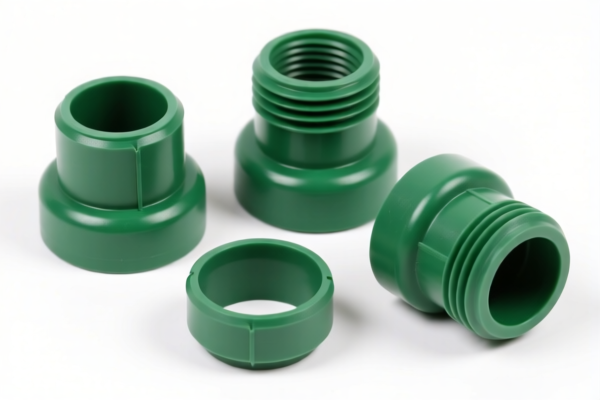
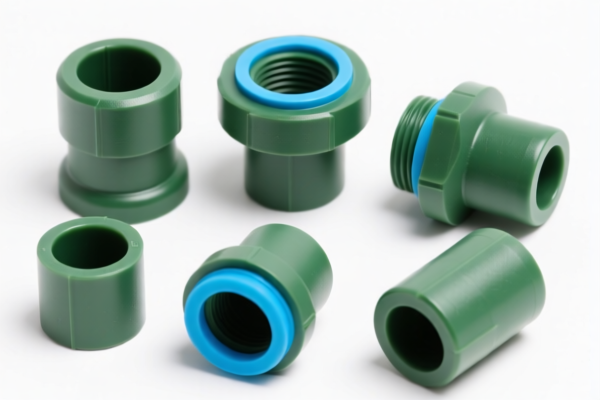
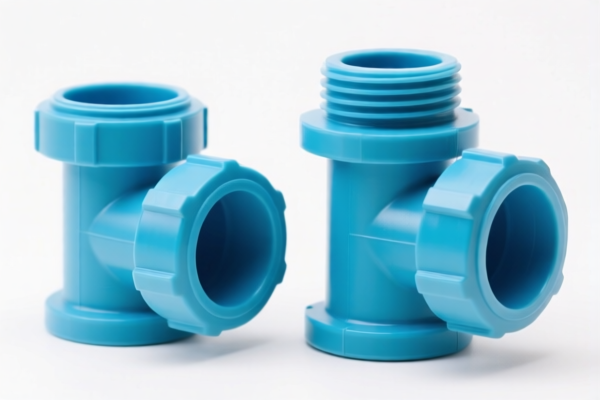
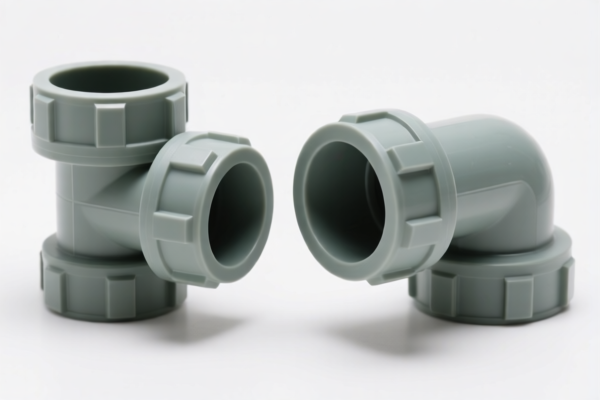
AI Analysis
🏗️ PVC Pipe Fittings: HS Code Classification & US Customs Clearance Strategy (2026)
🌐 HS Code Reference & Customs Guide | 2026 Latest Tariff Analysis | Professional Clearance Strategy
📌 I. Product Definition: What Exactly Are "PVC Pipe Fittings"?
PVC (Polyvinyl Chloride) pipe fittings are essential components used to connect, redirect, control, or terminate fluid flow in piping systems. In international trade, classification is not just about the material ("PVC") but the functional form:
1. Pipe Fittings (Accessories): Items like elbows, tees, couplings, reducers, and flanges. These are specifically designed to join sections of pipe. They are classified under Heading 3917.
2. Plastic Pipes (The Pipe Itself): If the item is a straight section of tube/piping, even if made of PVC, it falls under Heading 3917 but a different subheading, OR if it is considered a general plastic article/accessory not specifically named as a pipe fitting, it may fall under Heading 3926.
⚠️ Critical Distinction for Customs:
- "Fitting" vs. "Pipe": Customs officers look for specific connection features (threads, sockets, flanges). A straight tube with no connection features is a "Pipe," not a "Fitting."
- "Accessory" vs. "General Use": If the PVC item is a generic cap, valve body, or part that doesn't fit the strict definition of a pipe connector, it might be misclassified as a "General Plastic Article" (3926), leading to severe tariff risks.
📦 II. HS Code Classification Details (2026 Latest Tariff Authority)
Based on the provided data, here are the specific HS Codes and their tax implications for US imports (implied by the "122 Clause" and high tariffs).
| HS Code | Product Description | Key Characteristic | Tariff Profile |
|---|---|---|---|
3917.40.00.60 |
PVC Pipe Fittings (Accessories) | Specific pipe accessories (e.g., elbows, tees). | 40.3% |
3926.90.99.89 |
Other Plastic Articles | General PVC accessories, not specific pipe fittings. | 22.8% |
3917.40.00.20 |
PVC Pipe Fittings (Pipes) | Specifically defined as "Pipe Accessories" in this subheading. | 40.3% |
3926.90.99.87 |
PVC Pipe/Cable Conduit Accessories | Accessories for electric conduits or specific pipe types. | 22.8% |
3926.90.99.87 |
PVC Pipes (Plastic Pipes) | Straight PVC pipes, classified under general plastic articles. | 22.8% |
🔍 Key Insight:
The difference between 40.3% and 22.8% is massive.
- HS 3917 (Pipes/Pipe Fittings) carries a 25% Section 301 Additional Duty + 10% Section 122 Duty.
- HS 3926 (Other Plastic Articles) carries only a 7.5% Section 301 Additional Duty + 10% Section 122 Duty.
Misclassifying a "Fitting" as a "General Article" to save 17.5% is a major compliance risk!
💰 III. Detailed Breakdown of 2026 US Tariff Rates
✅ Applicable Country: United States (US)
✅ Origin: China (CN)
✅ Effective Date: Current as of 2025/2026 Trade Framework
🎯 1. 3917.40.00.60 & 3917.40.00.20 —— PVC Pipe Fittings (High Risk/High Tariff)
| Item | Detail |
|---|---|
| Base Duty Rate | 5.3% |
| Section 301 Additional Duty | +25.0% |
| Section 122 Duty | +10.0% |
| Total Tax Rate | 40.3% |
| Tax Calculation | CIF Value × 40.3% |
| De Minimis Exemption? | ❌ No (Denied) |
| Legal Basis | HTSUS 3917.40.00 + USITC Footnotes 301 & 122 |
📌 Explanation:
- These codes fall under Chapter 39, Heading 3917 (Plastics; articles for conveying... pipes, hoses, tubing, with or without their fittings).
- The 25% Section 301 tariff applies to all plastic pipes/fittings from China.
- The 10% Section 122 tariff is a newer/specific additional levy on certain Chinese goods.
- Total Cost Impact: Nearly 40% of the product value is lost to duties. This significantly impacts margin.
🎯 2. 3926.90.99.89 & 3926.90.99.87 —— Other Plastic Articles / PVC Pipes (Lower Tariff)
| Item | Detail |
|---|---|
| Base Duty Rate | 5.3% |
| Section 301 Additional Duty | +7.5% |
| Section 122 Duty | +10.0% |
| Total Tax Rate | 22.8% |
| Tax Calculation | CIF Value × 22.8% |
| De Minimis Exemption? | ❌ No (Denied) |
| Legal Basis | HTSUS 3926.90.99 + USITC Footnotes 301 & 122 |
📌 Explanation:
- These codes fall under Chapter 39, Heading 3926 (Other articles of plastics).
- The Section 301 tariff is lower (7.5%) for some subcategories of "Other Articles" compared to "Pipes/Fittings."
- Note: If you are importing straight PVC pipes (not fittings), they may sometimes be classified here depending on specific rulings, but fittings are almost always 3917. Misclassification is dangerous.
🛠️ IV. Customs Clearance Practical Advice (Avoiding Pitfalls)
✅ 1. Essential Documentation Checklist
| Document | Requirement | Purpose |
|---|---|---|
| ✅ Commercial Invoice | Must clearly state "PVC Pipe Fittings" or "PVC Pipes" | Basis for classification |
| ✅ Product Photos | Clear images showing shape, ends (socket/thread), and material | Proves it is a "Fitting" vs. "General Article" |
| ✅ Technical Data Sheet | Material: Polyvinyl Chloride (PVC); Dimensions; Pressure Rating | Confirms HS Code 3917 vs. 3926 |
| ✅ Country of Origin Certificate | Must state "Made in China" | Triggers Section 301 & 122 duties |
| ✅ Packing List | Itemized list of fittings/pipes | Prevents "Insufficient Information" holds |
✅ 2. Classification Strategy: Fitting vs. Pipe vs. Accessory
🔥 Golden Rule: "Shape Determines Code. Function Defines Duty."
| Scenario | Correct HS Code | Risk if Misclassified |
|---|---|---|
| Elbow, Tee, Coupling (Connects pipes) | 3917.40.00.60 / .20 |
Low: High duty (40.3%) is correct. Do not try to hide. |
| Straight PVC Pipe (Long cylinder) | 3926.90.99.87 (if deemed "other plastic pipe") |
Medium: Verify if it fits 3917. If 3917 applies, duty is 40.3%. If 3926 applies, duty is 22.8%. |
| PVC Cap/Plug (End closure) | 3926.90.99.89 or 3917.40.00 |
High: If it's a "fitting" accessory, 3917 is safer. If it's a general plastic cap, 3926 might apply. |
| PVC Valve Body | 3926.90.99.89 |
Medium: Valves are often 3926. Ensure it's not a "pipe fitting." |
⚠️ Warning:
- Do NOT label "Elbows" as "Plastic Toys" or "Decorative Items" to avoid tariffs. This is fraud.
- Section 122 (10%) applies to most Chinese plastic goods. You cannot avoid this by changing the HS code unless the good is not of Chinese origin.
✅ 3. Special Cases & Optimization
| Situation | Advice |
|---|---|
| Mixed Container (Pipes + Fittings) | Best Practice: Ship separately or clearly declare. If mixed, Customs may classify the entire shipment by the higher-duty item (3917) or audit both. |
| OEM for US Buyer | Ensure the invoice clearly states the End User. If the buyer is in the US, they are responsible for the import duties. |
| Duty Mitigation Strategy | Consider Supply Chain Diversification. If possible, source PVC fittings from Vietnam, Thailand, or Mexico. These countries may have lower or zero Section 301 tariffs (depending on current FTAs/USMCA rules). |
| Pre-Submission Ruling | Highly Recommended. Submit a request to US CBP for a Pre-Classification Ruling if you are importing large volumes. This locks in the HS Code and avoids unexpected audits. |
🌍 V. Global Market Comparison (2026)
| Market | Recommended HS Code | Approx. Tariff (China Origin) | Key Certification |
|---|---|---|---|
| 🇺🇸 USA | 3917.40.00.60 |
40.3% (High due to 301+122) | CPC (Children's Product) if applicable, NSF/WRAS for drinking water |
| 🇨🇳 China | 3917.40.00.60 |
~5.3% | CCC (if electrical, but PVC pipes usually not) |
| 🇪🇺 EU | 3917.21.00 |
~6.5% | CE Marking (if relevant), REACH Compliance |
| 🇦🇺 Australia | 3917.21.00 |
~5.0% | AS/NZS Standards for plumbing |
📌 Conclusion:
- The US market is the most expensive for Chinese PVC fittings due to the 40.3% effective duty rate.
- Profit Margin Alert: Ensure your pricing model accounts for at least 35-40% in landed duties, plus logistics, insurance, and port fees.
📌 VI. Common Mistakes & Pitfalls (Blood Lessons)
❌ Mistake 1: Labeling PVC Fittings as "Plastic Hardware" to avoid Section 301.
👉 Result: CBP audit, penalties, and retroactive duties.
❌ Mistake 2: Using "Generic Plastic Parts" in the commercial invoice.
👉 Result: Customs will reject the entry or assign their own (higher) HS code, causing delays.
❌ Mistake 3: Ignoring the "Section 122" 10% duty.
👉 Result: Budget miscalculation. Many importers forget this newer levy.
✅ Correct Declaration Example:
"PVC Pipe Elbows, 2-inch, Schedule 40, Material: Polyvinyl Chloride, Origin: China"
HS Code:3917.40.00.60
Duty: 40.3%
🎯 VII. Final Verdict & Action Plan
🎯 Remember the Rule:
🔹 "Fittings are 3917 (40.3%), General Articles are 3926 (22.8%). But Fittings MUST be 3917. Do not cheat."
🔹 "Section 122 adds 10% on top. Total burden is heavy."
📌 Pro Tip:
If your product qualifies as a "Plastic Pipe" (straight tube) rather than a "Fitting," negotiate with your supplier to ship straight pipes and let the US buyer cut/fit them locally. This might allow for HS 3926.90.99.87 (22.8%) classification in some specific CBP rulings, but consult a customs broker first.
📣 Immediate Action Required:
📞 Contact a US Customs Broker. Provide product drawings.
📋 Request a Binding Ruling.
💼 Factor in 40.3% duty into your FOB/CIF pricing.
🚀 Do not ship without clearance confirmation. High duties mean high risk.
✨ Professional Clearance, Precise Classification, Cost Control!
💼 Your Profit Margin Depends on This 0.5% HS Code Difference.
Customer Reviews
About HS Code Classification
The Harmonized System (HS) is an internationally standardized nomenclature developed by the World Customs Organization (WCO) to classify traded products. Over 200 countries use the HS system as the basis for customs tariffs, trade statistics, and import/export regulations.
Each HS code follows a hierarchical structure:
- Chapter (2 digits) — Broad category of goods (e.g., Chapter 84: Machinery and Mechanical Appliances)
- Heading (4 digits) — More specific grouping within the chapter
- Subheading (6 digits) — Internationally standardized breakdown, used by all WCO member countries
- National subdivisions (8-10 digits) — Country-specific extensions for further classification, such as US HTSUS 10-digit codes
Correct HS code classification is essential for smooth customs clearance, accurate duty payment, and compliance with trade regulations. Misclassification can lead to customs delays, overpayment of duties, or penalties.
When importing from CN to US, the applicable tariff rates may include:
- Most-Favored-Nation (MFN) rate — The standard duty rate applied to WTO members
- General rate — Applied to countries without trade agreements
- Trade remedy duties — Additional tariffs such as Section 301 (anti-dumping), Section 232 (national security), or countervailing duties
The information provided on this page is for reference purposes only. For official classification, please consult with your local customs authority or a licensed customs broker.