PVC Plastic Cold Water Pipe
CN → US| HS Code | Tariff Rate | Origin | Destination | Doc |
|---|---|---|---|---|
| 3917230000 | 38.1% | CN | US | Official Doc |
| 3917320010 | 38.1% | CN | US | Official Doc |
| 3926909987 | 22.8% | CN | US | Official Doc |
| 3926909989 | 22.8% | CN | US | Official Doc |
| 3917230000 | 38.1% | CN | US | Official Doc |
Product Images
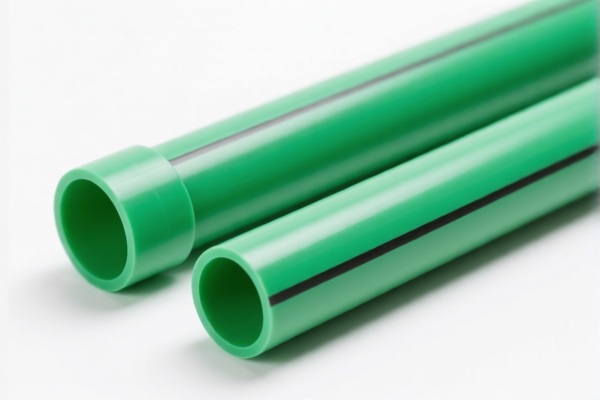
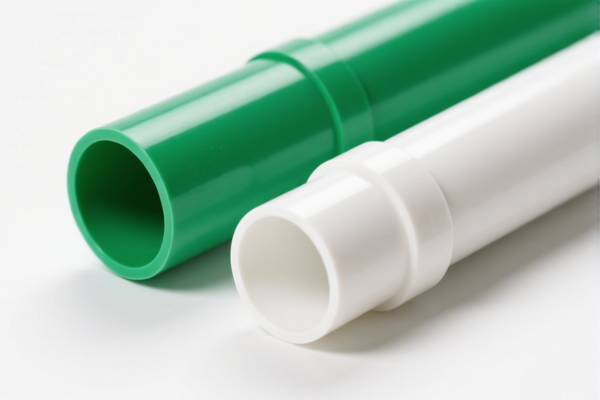
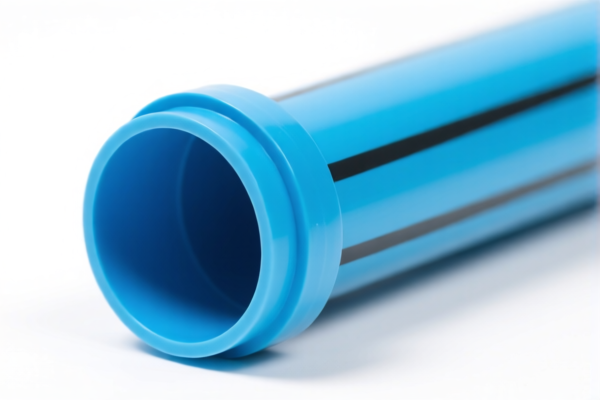
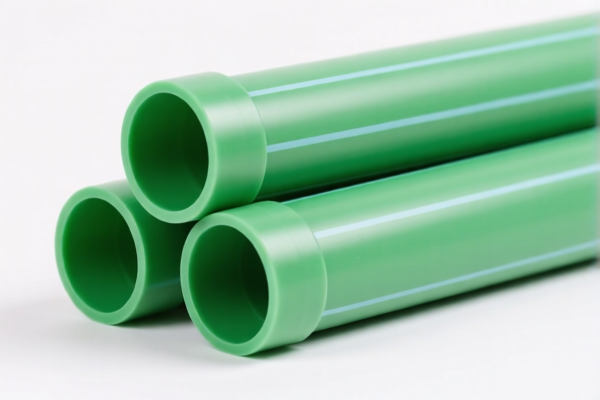
AI Analysis
❄️ PVC Plastic Cold Water Pipe
🌐 HS Code Reference & Customs Clearance Guide | 2026 Latest Tariff Analysis | Professional Clearance Strategy
📌 I. Product Definition & Classification: Do You Really Know "PVC Pipe"?
PVC (Polyvinyl Chloride) Pipes are rigid conduits made from vinyl polymer, primarily used for plumbing, drainage, and irrigation. In international trade, especially under US Customs and Border Protection (CBP) rules, the classification depends heavily on the specific use (e.g., pressurized cold water vs. general drainage) and material composition.
⚠️ Key Distinction Point:
- If the pipe is explicitly for cold water distribution (pressurized systems), it falls under Chapter 3917.
- If the pipe is for general drainage or non-pressurized uses, it may fall under the "Other Plastic Articles" basket in Chapter 3926.
- Misclassification Risk: Declaring a pressurized water pipe as "general plastic pipe" to avoid higher Section 301/122 tariffs can lead to severe penalties, back-tariffs, and cargo detention.
📦 II. HS Code Classification Details (2026 Latest Tariff Authority Comparison)
| HS Code | Product Description | Use Case | Total Tax Rate | Key Tariff Components |
|---|---|---|---|---|
3917.23.00.00 |
PVC (Chloropolymer) Pipes, for Cold Water | Pressurized Cold Water Systems | 38.1% | Base: 3.1%, Sec 301: 25%, Sec 122: 10% |
3917.32.00.10 |
PVC Pipes, Plastic Material | Plastic Pipes (General) | 38.1% | Base: 3.1%, Sec 301: 25%, Sec 122: 10% |
3926.90.99.87 |
PVC Pipes, Drainage/Cold Water | Plastic Hard Pipes (Drainage/General) | 22.8% | Base: 5.3%, Sec 301: 7.5%, Sec 122: 10% |
3926.90.99.89 |
PVC Pipes, Other Plastic Articles | General Plastic Fittings/Pipes | 22.8% | Base: 5.3%, Sec 301: 7.5%, Sec 122: 10% |
🔍 Critical Warning:
-3917.23.00.00is the most accurate classification for PVC pipes specifically designed for cold water under pressure.
-3926.90.99.87/89are catch-all codes for plastic pipes that do not meet the specific "tubes, pipes, and hoses" definition of Chapter 3917, or are for drainage/non-pressurized use.
- The 15.3% difference (38.1% vs. 22.8%) is driven by the Section 301 tariff (25% vs. 7.5%). Misdeclaring a water pipe as drainage pipe to get 22.8% is a high-risk audit target.
💰 III. 2026 Latest Tariff Rate Breakdown (Including Surcharges & Policy Add-ons)
✅ Applicable Country: United States (US)
✅ Origin: China (CN)
✅ Effective Time: Current (Including subsequent imports)
🎯 1. 3917.23.00.00 —— PVC Pipes for Cold Water
| Item | Content |
|---|---|
| Base Rate | 3.1% (ad valorem) |
| Section 301 Surcharge | +25.0% (High Tariff for Plastic Pipes) |
| Section 122 Surcharge | +10.0% (Emergency Surcharge on Imports) |
| Total Tax Rate | 38.1% |
| Tax Calculation | CIF Value × 38.1% |
| De Minimis Exemption | ❌ Not Eligible (Section 301 and 122 taxes are not exempt under $800 de minimis for China origin) |
| Legal Basis | HTSUS 3917.23.00.00 + IEEPA Footnotes |
📌 Explanation:
- PVC pipes for water supply are considered essential infrastructure materials and face highest Section 301 rates (25%).
- The 10% Section 122 tariff applies to imports exceeding the free trade agreement allowances or under specific executive orders.
- Total 38.1% is a heavy cost burden. Importers must verify if the pipe is truly for "cold water" (pressurized) to avoid misdeclaration.
🎯 2. 3917.32.00.10 —— PVC Pipes (Plastic Material)
| Item | Content |
|---|---|
| Base Rate | 3.1% |
| Section 301 Surcharge | +25.0% |
| Section 122 Surcharge | +10.0% |
| Total Tax Rate | 38.1% |
| Tax Calculation | CIF Value × 38.1% |
| De Minimis Exemption | ❌ Not Eligible |
📌 Note:
- This code is also subject to the 25% Section 301 tariff.
- It is often used when the specific "cold water" designation is less prominent, but the material is still PVC. The tax impact is identical to3917.23.00.00.
🎯 3. 3926.90.99.87 & 3926.90.99.89 —— Other Plastic Pipes (Drainage/General)
| Item | Content |
|---|---|
| Base Rate | 5.3% |
| Section 301 Surcharge | +7.5% (Lower Rate for "Other" Plastics) |
| Section 122 Surcharge | +10.0% |
| Total Tax Rate | 22.8% |
| Tax Calculation | CIF Value × 22.8% |
| De Minimis Exemption | ❌ Not Eligible |
📌 Note:
- These codes attract only 7.5% Section 301 instead of 25%.
- Risk: Using these codes for pressurized cold water pipes is illegal misclassification. CBP checks technical specs (pressure rating, ASTM standards). If found, penalties include 100% of the unpaid duty plus potential fraud charges.
🛠️ IV. Customs Clearance Practical Advice (Real-World Pitfall Avoidance)
✅ 1. Required Documentation Checklist (Non-Negotiable)
| Document | Mandatory | Explanation |
|---|---|---|
| ✅ Product Specification Sheet | ✔️ | Must specify: Material (PVC), Use (Cold Water/Drainage), Pressure Rating, Diameter, Length. |
| ✅ Technical Data Sheet (TDS) | ✔️ | Shows compliance with ASTM D1784 (PVC Pipe) or equivalent standards. |
| ✅ Product Photos (Labeled) | ✔️ | Clear images of the pipe, markings, and end caps. |
| ✅ Commercial Invoice | ✔️ | Must accurately describe the product as "PVC Cold Water Pipe" or "PVC Drainage Pipe." Do not use vague terms like "Plastic Tube." |
| ✅ Country of Origin Certificate | ✔️ | Essential for calculating Section 301 and 122 tariffs. |
| ✅ Bill of Lading/Air Waybill | ✔️ | Consistent with invoice descriptions. |
✅ 2. Declaration Tips (Key Mnemonics)
🔥 “Water Pressure = 38.1%, Drainage = 22.8%, Fake It = Jail Time!”
| Scenario | Correct Declaration | Incorrect Action |
|---|---|---|
| Pipe for Tap Water/Cold Water Supply | 3917.23.00.00 (38.1%) |
Declare as 3926.90.99.87 → Audit Risk |
| Pipe for Sewer/Drainage (No Pressure) | 3926.90.99.87 (22.8%) |
Declare as 3917.23.00.00 → Overpay Tax |
| Pipe with Unknown Use | Provide Technical Specs for Ruling | Guess Code → Delay/Seizure |
| White PVC Pipe (Often Drainage) | Verify Pressure Rating | Assume all White = Drainage → Misclassification |
✅ 3. Special Circumstances Handling
| Situation | Handling Advice |
|---|---|
| OEM Custom Pipes | Provide client’s engineering drawings. If they specify "Cold Water," you must use 3917.23.00.00. |
| Mixed Containers (Water + Drainage) | Split Declaration! Do not mix codes. Water pipes go to 3917.23.00.00, Drainage to 3926.90.99.87. Mixing leads to 100% tax assessment on the whole shipment if misdeclared. |
| PVC Pipes with Fittings | If fittings are packaged with pipes, they may be classified together under the pipe code. If separate, fittings might fall under 3926.90.99.89. |
| Certifications | Ensure NSF/ANSI 61 certification for drinking water pipes. Lack of certification may lead to rejection by state health departments, even if CBP clears it. |
🌍 V. Global Market Comparison (2026 Latest)
| Country/Region | Recommended HS Code | Tariff Rate | Certification Req. | Notes |
|---|---|---|---|---|
| 🇺🇸 USA | 3917.23.00.00 |
38.1% | NSF/ANSI 61 (if drinking) | High 301 tariff on water pipes. |
| 🇺🇸 USA | 3926.90.99.87 |
22.8% | NSF/ANSI 24 (drainage) | Lower tax, but only for drainage. |
| 🇨🇳 China | 3917.23.00.00 |
~5-10% | CCC (if applicable) | Lower import tax, but domestic market varies. |
| 🇪🇺 EU | 3917.23.00.00 |
0-6.5% | CE Marking + Drinking Water Norms | No Section 301, but strict health standards. |
| 🇬🇧 UK | 3917.23.00.00 |
0-6.5% | UKCA Marking | Post-Brexit rules apply. |
📌 Conclusion:
- USA is the most expensive market for PVC water pipes due to Section 301 (25%) + Section 122 (10%).
- Cost Optimization: If your product is drainage, ensure it is not pressurized to qualify for 22.8%.
- Compliance: Never misdeclare water pipes as drainage. CBP’s Automation Commercial Environment (ACE) system cross-references descriptions and technical data.
📌 VI. Common Mistakes & Pitfall Guide (Blood Lessons)
❌ Mistake 1: Declaring Cold Water Pipes as 3926.90.99.87 to save 15.3%
👉 Consequence: CBP audit → Back taxes + 25% penalty + Possible seizure.
👉 Why: Pressure ratings and ASTM standards are easy to verify.
❌ Mistake 2: Vague Description: "Plastic Pipe"
👉 Consequence: CBP assigns highest possible rate or holds cargo for clarification.
👉 Fix: Always specify: "PVC Rigid Pipe for Cold Water Distribution, ASTM D1784."
❌ Mistake 3: Ignoring Section 122 Tariff
👉 Consequence: Underpayment by 10%. Section 122 applies to many Chinese imports.
👉 Fix: Calculate total tax as Base + 301 + 122.
❌ Mistake 4: Mixing Water and Drainage Pipes in One Line Item
👉 Consequence: Customs may apply the higher tax rate (38.1%) to the entire quantity.
👉 Fix: Separate line items with distinct HS Codes.
✅ Correct Practice:
“PVC Rigid Pipe, Type II, Chlorinated Polyvinyl Chloride, for Cold Water Service, ASTM D1784, 1/2 inch x 10 ft, White, Model XYZ, NSF 61 Certified.”
🎯 VII. Conclusion: Professional Declaration Saves Money
🎯 Remember the Mantra:
🔹 “Water Pipe = 38.1%, Drainage = 22.8%, Fake It = Fine!”
🔹 “Check Pressure, Check Standard, Check Code, Save Cash!”
📌 Pro Tip:
- If you are importing large volumes, consider applying for an HTSUS Exclusion under Section 301 if applicable (though rare for PVC pipes).
- Always request NSF/ANSI 61 certification for drinking water pipes to avoid state-level rejections.
- For drainage pipes, ensure the marketing materials do not claim "pressurized" or "water supply" use to stay within the 22.8% bracket.
📣 Immediate Action:
📞 Consult a licensed Customs Broker + Provide Technical Specs + Verify Use Case
🚀 Clear your PVC Pipes smoothly, avoid audits, and protect your margins!
✨ Professional Clearance Starts with Accurate Classification!
💼 Every Percent of Tariff Counts in the PVC Trade!
Customer Reviews
About HS Code Classification
The Harmonized System (HS) is an internationally standardized nomenclature developed by the World Customs Organization (WCO) to classify traded products. Over 200 countries use the HS system as the basis for customs tariffs, trade statistics, and import/export regulations.
Each HS code follows a hierarchical structure:
- Chapter (2 digits) — Broad category of goods (e.g., Chapter 84: Machinery and Mechanical Appliances)
- Heading (4 digits) — More specific grouping within the chapter
- Subheading (6 digits) — Internationally standardized breakdown, used by all WCO member countries
- National subdivisions (8-10 digits) — Country-specific extensions for further classification, such as US HTSUS 10-digit codes
Correct HS code classification is essential for smooth customs clearance, accurate duty payment, and compliance with trade regulations. Misclassification can lead to customs delays, overpayment of duties, or penalties.
When importing from CN to US, the applicable tariff rates may include:
- Most-Favored-Nation (MFN) rate — The standard duty rate applied to WTO members
- General rate — Applied to countries without trade agreements
- Trade remedy duties — Additional tariffs such as Section 301 (anti-dumping), Section 232 (national security), or countervailing duties
The information provided on this page is for reference purposes only. For official classification, please consult with your local customs authority or a licensed customs broker.