PVC Plastic Conveying Pipe
CN → US| HS Code | Tariff Rate | Origin | Destination | Doc |
|---|---|---|---|---|
| 3917320010 | 38.1% | CN | US | Official Doc |
| 3926909987 | 22.8% | CN | US | Official Doc |
| 3917230000 | 38.1% | CN | US | Official Doc |
| 3926909989 | 22.8% | CN | US | Official Doc |
| 8431499084 | 85.0% | CN | US | Official Doc |
Product Images
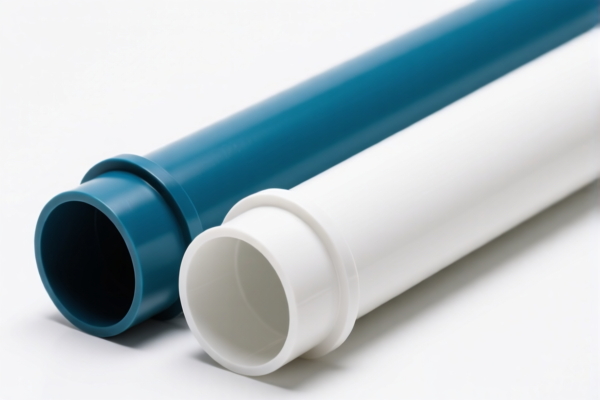

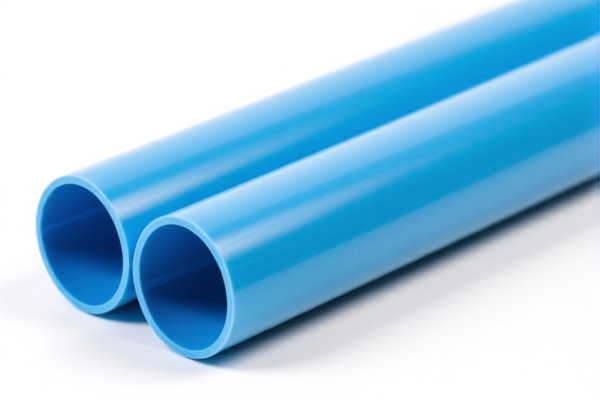
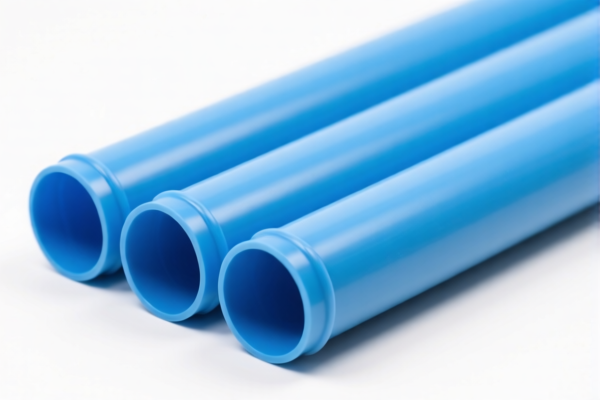
AI Analysis
🏗️ PVC Plastic Conveying Pipe: The Ultimate Guide to HS Code Classification & US Customs Clearance (2026 Update)
🌐 HS Code Reference & Customs Clearance Guide | Latest 2026 Tariff Analysis | Professional Strategy for PVC Pipes
📌 I. Product Definition & Classification: Do You Really Understand "PVC Pipes"?
PVC (Polyvinyl Chloride) pipes are the backbone of modern fluid transport systems, used in construction, industrial processing, and agriculture. However, in international trade, not all "PVC pipes" are created equal. Their classification depends heavily on their specific chemical composition, physical form, and intended use.
The key distinction lies in whether the pipe is classified as a basic plastic tube or a general plastic article. This distinction triggers significantly different tariff structures under the Harmonized Tariff Schedule (HTS).
⚠️ Critical Distinction Point:
- If the pipe is made of specific PVC polymers and fits the general definition of "plastic tubing," it often falls under Chapter 39, Heading 3917.
- If the pipe is considered a "part" of a larger system or a specialized article (like a conveyor belt component) that doesn't fit standard tubing definitions, it may fall under Chapter 39, Heading 3926 (Other plastic articles).
- Note: The term "Conveying Pipe" can sometimes be ambiguous. If it functions as a flexible hose or belt component, it might trigger 3926.90.60.10. Otherwise, standard rigid pipes usually fall under 3917.
📦 II. HS Code Classification Details (2026 Latest Tariff Authority Comparison)
Based on the provided data, here are the four possible classifications for "PVC Plastic Conveying Pipe," along with their tax implications.
| HS Code | Product Description | Application Scenario | Tax Profile | Key Classification Reason |
|---|---|---|---|---|
3917.32.00.10 |
PVC Pipe, Material: Polyvinyl Chloride, Form: Pipe | Standard rigid PVC pipes for plumbing or industrial fluid transport. | 38.1% | Matches specific classification for PVC tubes. |
3926.90.99.87 |
PVC Pipe, Material: Plastic, Form: Pipe | General plastic pipe not fully matching 3917 specifics; uses the "catch-all" category for other plastic articles. | 22.8% | Fits "Other plastic articles" bottom-up category. |
3917.23.00.00 |
PVC Pipe, Material: Vinyl Chloride Polymer, Form: Pipe | Exact match for pipes made of vinyl chloride polymers. | 38.1% | Fully matches the specific sub-heading for PVC polymers. |
3926.90.99.89 |
PVC Pipe, Material: Plastic, Form: Pipe | General plastic pipe classified under other plastic articles definition. | 22.8% | Fits "Other plastic articles" definition. |
3926.90.60.10 |
PVC Conveyor Belt, Material: Plastic, Form: Conveyor Belt | Crucial Distinction: If the "conveying pipe" is actually a flexible conveyor belt or hose component. | 39.2% | Classified as a plastic conveyor belt/article, not a standard pipe. |
🔍 Key Reminder:
-3917Codes (38.1% Total Tax): Apply to standard PVC pipes/tubes. High tariff due to Section 301 duties.
-3926Codes (22.8% Total Tax): Apply if the pipe is considered a "general article" or if the specific PVC polymer definition of 3917 isn't strictly met. Lower tariff.
-3926.90.60.10(39.2% Total Tax): Applies ONLY if the product is functionally a conveyor belt. Misclassifying a rigid pipe as a conveyor belt can lead to severe penalties.
💰 III. 2026 Latest Tariff Rate Breakdown (Including Surtaxes & Policy Add-ons)
✅ Applicable Country: United States (US)
✅ Origin: China (CN)
✅ Effective Time: 2025/2026 Import Cycle
🎯 1. High-Tax Category: 3917.32.00.10 & 3917.23.00.00
Total Tax Rate: 38.1%
| Item | Content |
|---|---|
| Base Tariff | 3.1% (Standard Most Favored Nation rate) |
| Section 301 Surtax | +25.0% (USITC Footnote: Section 301 tariffs on Chinese goods) |
| Section 122 Tariff | +10.0% (Specific additional duty for certain plastic products) |
| Total Rate | 38.1% |
| Tax Calculation | CIF Value × 38.1% |
| De Minimis Exemption | ❌ Not Eligible (Section 301 duties apply regardless of value) |
| Legal Basis | HTSUS 3917.32.00.10 / 3917.23.00.00 + USITC Section 301 + Section 122 |
📌 Explanation:
- The 3.1% base is the standard duty for plastic tubes.
- The 25% Section 301 duty is the primary cost driver for Chinese-origin plastics.
- The 10% Section 122 duty is an additional layer for specific plastic categories.
- Total 38.1% is a significant barrier to entry. Accurate declaration is critical to avoid overpayment or penalties.
🎯 2. Medium-Tax Category: 3926.90.99.87 & 3926.90.99.89
Total Tax Rate: 22.8%
| Item | Content |
|---|---|
| Base Tariff | 5.3% (Standard rate for other plastic articles) |
| Section 301 Surtax | +7.5% (Reduced Section 301 rate for this specific sub-category) |
| Section 122 Tariff | +10.0% (Same Section 122 duty applies) |
| Total Rate | 22.8% |
| Tax Calculation | CIF Value × 22.8% |
| De Minimis Exemption | ❌ Not Eligible |
| Legal Basis | HTSUS 3926.90.99.87/89 + USITC Section 301 + Section 122 |
📌 Explanation:
- The 5.3% base is higher than the 3.1% base for 3917, but the Section 301 duty is much lower (7.5% vs 25%).
- This results in a lower total rate (22.8%).
- Strategic Note: If your PVC pipe can legitimately be classified under 3926 (e.g., as a general article rather than a specific polymer tube), you can save 15.3% in duties. However, this requires strict adherence to the "general article" definition.
🎯 3. Special Category: 3926.90.60.10
Total Tax Rate: 39.2%
| Item | Content |
|---|---|
| Base Tariff | 4.2% (Rate for conveyor belts) |
| Section 301 Surtax | +25.0% (Full Section 301 duty applies) |
| Section 122 Tariff | +10.0% (Section 122 duty applies) |
| Total Rate | 39.2% |
| Tax Calculation | CIF Value × 39.2% |
| De Minimis Exemption | ❌ Not Eligible |
| Legal Basis | HTSUS 3926.90.60.10 + USITC Section 301 + Section 122 |
📌 Explanation:
- This is the highest tax rate.
- Only use this code if the product is actually a conveyor belt. Misclassifying a standard pipe as a conveyor belt to avoid other taxes is a common customs violation.
- The 25% Section 301 duty makes this category very expensive.
🛠️ IV. Customs Clearance Practical Advice (Real-World Pitfall Avoidance)
✅ 1. Preparation Checklist (Non-Negotiable)
| Document | Required? | Explanation |
|---|---|---|
| Product Specification Sheet | ✅ Yes | Must detail material composition (PVC vs. other plastics), diameter, pressure rating. |
| Product Photos | ✅ Yes | Clear images showing the pipe's structure, ends, and any markings. |
| Commercial Invoice | ✅ Yes | Must clearly state "PVC Pipe" or "Conveyor Belt" – do not use vague terms like "Plastic Product." |
| Certificate of Origin | ✅ Yes | Essential for determining origin-based tariffs (China = High Tariffs). |
| Packaging List | ✅ Yes | To verify quantity and dimensions. |
| Function Description | ✅ Yes | Is it for fluid transport (Pipe) or material movement (Conveyor Belt)? This is the key classification driver. |
✅ 2. Declaration Strategies (Key Mantra)
🔥 “Material Defines Code, Function Defines Risk, Declare Accurately to Save 15%!”
| Scenario | Correct HS Code | Incorrect Practice | Consequence |
|---|---|---|---|
| Standard Rigid PVC Pipe | 3917.32.00.10 or 3917.23.00.00 |
Declaring as 3926.90.99.87 to save tax |
Penalty + Back Taxes (Customs will verify material) |
| General Plastic Pipe (Non-Specific PVC) | 3926.90.99.87 or 3926.90.99.89 |
Declaring as 3917 |
Overpayment (38.1% vs 22.8%) |
| PVC Conveyor Belt | 3926.90.60.10 |
Declaring as 3917 Pipe |
Misclassification (Different structure/function) |
| Pipe + Fittings | Main Item | Splitting pipe and fittings | Complexity + Risk (Declare as set if applicable) |
✅ 3. Special Case Handling
| Case | Handling Advice |
|---|---|
| OEM/Custom Pipes | Provide design drawings and material certificates to prove PVC composition for 3917 classification. |
| "Conveying" Pipe vs. Conveyor Belt | If it transports fluids, it's a Pipe (3917). If it transports solid objects on a surface, it's a Belt (3926.90.60.10). |
| Mixed Shipment | Declare each HS code separately. Do not average the rates. |
| Origin Change | If PVC is manufactured in Vietnam/Mexico, Section 301 duties may not apply. Check Free Trade Agreements (FTAs). |
🌍 V. Global Market Comparison (2026 Update)
| Country/Region | Recommended HS Code | Tariff (China Origin) | Certification | Notes |
|---|---|---|---|---|
| 🇺🇸 USA | 3917.32.00.10 / 3926.90.99.87 |
38.1% or 22.8% | None specific | Section 301 & 122 duties apply. High cost. |
| 🇨🇳 China | 3917.32.00 |
0% - 5% | CCC (if applicable) | Low duty, but import restrictions may apply. |
| 🇪🇺 EU | 3917.32 |
0% - 6.5% | REACH, RoHS | No Section 301/122 equivalents. Lower total tax. |
| 🇦🇺 Australia | 3917.32 |
5% | RCM | Moderate duty, no heavy surtaxes. |
| 🇯🇵 Japan | 3917.32 |
0% - 6% | JIS | Preferential rates may apply. |
📌 Conclusion:
- USA is the most expensive market for PVC pipes due to Section 301 (25%) and Section 122 (10%) duties.
- Classifying under 3926.90.99.87 can save 15.3% compared to 3917, but only if the product legally qualifies.
- Conveyor belts (3926.90.60.10) are the most expensive at 39.2%.
📌 VI. Common Mistakes & Pitfall Guide (Blood Lessons)
❌ Mistake 1: Calling a "PVC Conveyor Belt" a "Pipe" to avoid the 39.2% rate.
👉 Consequence: Customs inspection reveals the belt structure → Seizure + Heavy Fines.
❌ Mistake 2: Using 3926.90.99.87 for a standard PVC pipe to save tax.
👉 Consequence: Customs requests material proof → Audited, back taxes charged, penalty applied.
❌ Mistake 3: Ignoring Section 122 Tariff.
👉 Consequence: Underpayment of 10% → Customs demand for payment + interest.
❌ Mistake 4: Misdeclaring origin as "Non-China" without proof.
👉 Consequence: Fraud charges, blacklisting, and confiscation.
✅ Correct Approach:
"PVC Pipe, Polyvinyl Chloride, Rigid, For Fluid Conveyance, Made in China, HS 3917.32.00.10"
OR
"Plastic Pipe, General Article, Not Specific PVC Polymer, HS 3926.90.99.87"
🎯 VII. Conclusion: Precise Classification Saves Money!
🎯 Remember the Mantra:
🔹 “3917: 38.1% (Standard PVC Pipe)”
🔹 “3926.99: 22.8% (General Plastic Article)”
🔹 “3926.60: 39.2% (Conveyor Belt - Avoid if Possible)”
🔹 “Section 301 is the Enemy of Profit!”
📌 Pro Tip:
If your PVC pipe is not made in China (e.g., sourced from Vietnam, India, or Thailand), you may avoid Section 301 duties entirely.
Action:
1. Verify Origin carefully.
2. Consult a Customs Broker for a Pre-Ruling if unsure about3917vs3926.
3. Document Material Composition meticulously.
📣 Immediate Action:
📞 Contact a Licensed Customs Broker
📄 Provide Product Samples & Specifications
🚀 Optimize Your HS Code to Minimize Tax Legally
✨ Professional Customs Clearance Starts with Accurate Classification!
💼 Every 1% of Tax Saved is 1% of Pure Profit!
Customer Reviews
About HS Code Classification
The Harmonized System (HS) is an internationally standardized nomenclature developed by the World Customs Organization (WCO) to classify traded products. Over 200 countries use the HS system as the basis for customs tariffs, trade statistics, and import/export regulations.
Each HS code follows a hierarchical structure:
- Chapter (2 digits) — Broad category of goods (e.g., Chapter 84: Machinery and Mechanical Appliances)
- Heading (4 digits) — More specific grouping within the chapter
- Subheading (6 digits) — Internationally standardized breakdown, used by all WCO member countries
- National subdivisions (8-10 digits) — Country-specific extensions for further classification, such as US HTSUS 10-digit codes
Correct HS code classification is essential for smooth customs clearance, accurate duty payment, and compliance with trade regulations. Misclassification can lead to customs delays, overpayment of duties, or penalties.
When importing from CN to US, the applicable tariff rates may include:
- Most-Favored-Nation (MFN) rate — The standard duty rate applied to WTO members
- General rate — Applied to countries without trade agreements
- Trade remedy duties — Additional tariffs such as Section 301 (anti-dumping), Section 232 (national security), or countervailing duties
The information provided on this page is for reference purposes only. For official classification, please consult with your local customs authority or a licensed customs broker.