PVC Plastic Pipes and Fittings
CN → US| HS Code | Tariff Rate | Origin | Destination | Doc |
|---|---|---|---|---|
| 3917400020 | 40.3% | CN | US | Official Doc |
| 3926909987 | 22.8% | CN | US | Official Doc |
| 3917400060 | 40.3% | CN | US | Official Doc |
| 3926909989 | 22.8% | CN | US | Official Doc |
| 3917330000 | 38.1% | CN | US | Official Doc |
Product Images
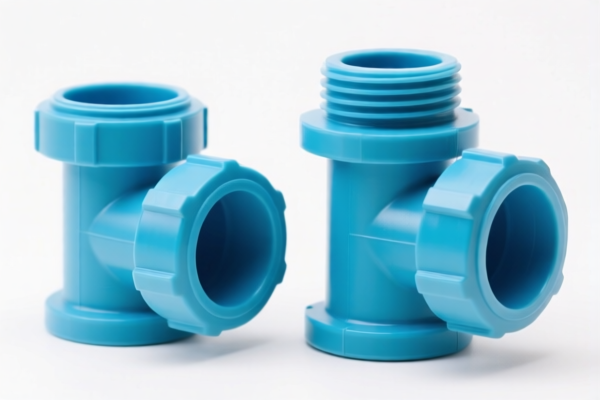
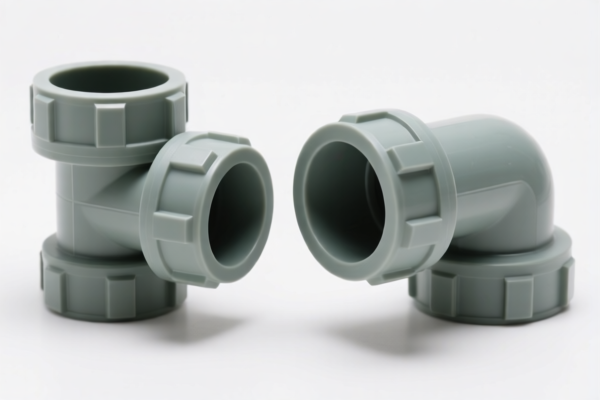
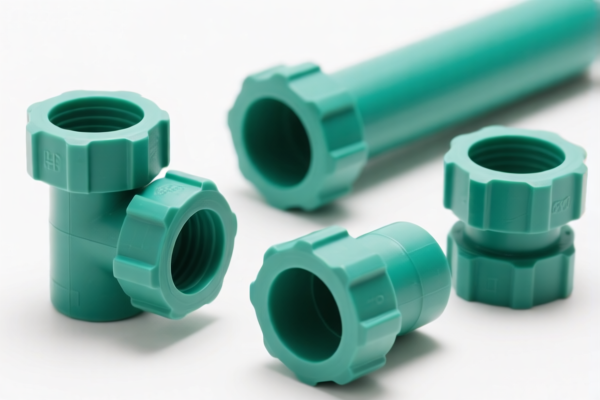
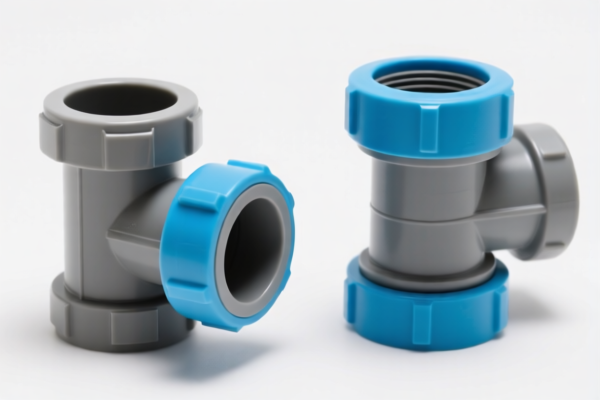
AI Analysis
🏗️ PVC Plastic Pipes & Fittings: HS Code Classification & US Customs Clearance Strategy | 2026 Tax Analysis
🌐 HS Code Reference & Customs Clearance Guide | 2026 Latest Tariff Analysis | Professional Compliance Strategy
📌 I. Product Definition & Classification: Do You Really Understand "PVC Fittings"?
PVC (Polyvinyl Chloride) pipes and fittings are the "veins" of modern infrastructure, essential for plumbing, irrigation, and industrial fluid transport. However, in international trade, "Pipes" (tubular products) and "Fittings" (accessories/connectors) are often classified differently based on their specific form and function.
Key Distinction:
* Pipes/Tubes (3917): Hollow, cylindrical products designed for transporting fluids or gases.
* Fittings/Accessories (3926 or 3917 subcategories): Connectors, elbows, tees, and joints that join pipes together.
⚠️ Critical Classification Pitfall:
- If the item is a connector/accessory made of plastic, it may fall under3926.90(Other plastic articles) OR3917.40(Plastic pipe fittings), depending on the specific design and HS Code nuance.
- Misclassification leads to massive tariff differences! (See Tax Details Below).
📦 II. HS Code Classification Details (2026 Authorized Reference)
Based on the provided data, here are the four possible HS Codes for PVC Plastic Pipes and Fittings, with their specific tax implications.
| HS Code | Product Description | Tax Rate (Total) | Tax Breakdown |
|---|---|---|---|
3917.40.00.20 |
PVC Pipe Fittings, Material: PVC, Form: Pipe Accessories | 40.3% | Base: 5.3%, Section 301: 25.0%, Section 122: 10% |
3926.90.99.87 |
PVC Pipe Fittings, Material: Plastic, Form: Accessories (Cable Conduit/Tube Category) | 22.8% | Base: 5.3%, Section 301: 7.5%, Section 122: 10% |
3917.40.00.60 |
PVC Pipe Fittings, Material: PVC, Form: Pipe Attachments | 40.3% | Base: 5.3%, Section 301: 25.0%, Section 122: 10% |
3926.90.99.89 |
PVC Pipe Fittings, Material: PVC, Form: Accessories (Other Plastic Articles) | 22.8% | Base: 5.3%, Section 301: 7.5%, Section 122: 10% |
3917.33.00.00 |
PVC Plastic Pipes and Fittings (Combined/Specific Category) | 38.1% | Base: 3.1%, Section 301: 25.0%, Section 122: 10% |
🔍 Key Observation:
- Codes starting with3917.40attract a 25% Section 301 tariff, leading to a 40.3% total rate.
- Codes starting with3926.90.99attract only a 7.5% Section 301 tariff, leading to a 22.8% total rate.
- Savings Potential: Correct classification under3926vs.3917can save ~17.5% on duties!
💰 III. 2026 Tariff Rate Breakdown (Detailed Policy Analysis)
✅ Applicable Market: USA (US)
✅ Origin: China (CN)
✅ Effective Date: Post-2025 Policies (Section 301 + Section 122)
🎯 1. High-Tariff Category: 3917.40.00.20 & 3917.40.00.60
Classification: PVC Pipe Fittings (Standard/Attachment)
| Item | Detail |
|---|---|
| Base Duty | 5.3% |
| Section 301 Tariff | +25.0% |
| Section 122 Tariff | +10.0% |
| Total Duty Rate | 40.3% |
| Calculation Basis | CIF Value × 40.3% |
| De Minimis Exemption | ❌ NOT APPLICABLE (High-value industrial goods) |
| Legal Reference | HTSUS 3917.40 → USITC Footnotes → Section 301 & 122 |
📌 Explanation:
- These codes classify items strictly as "Pipe Fittings" under Chapter 39.17.
- The 25% Section 301 tariff is the standard high rate for many PVC products.
- Risk: If your fitting is deemed a "standard pipe accessory," this 40.3% rate applies automatically.
🎯 2. Lower-Tariff Category: 3926.90.99.87 & 3926.90.99.89
Classification: Plastic Articles (Miscellaneous/Accessory)
| Item | Detail |
|---|---|
| Base Duty | 5.3% |
| Section 301 Tariff | +7.5% |
| Section 122 Tariff | +10.0% |
| Total Duty Rate | 22.8% |
| Calculation Basis | CIF Value × 22.8% |
| De Minimis Exemption | ❌ NOT APPLICABLE |
| Legal Reference | HTSUS 3926.90 → USITC Footnotes → Section 301 & 122 |
📌 Explanation:
- These codes classify items as "Other Plastic Articles."
- The 7.5% Section 301 tariff is significantly lower than 25%.
- Strategy: If the PVC fitting can be argued as a "miscellaneous plastic accessory" (e.g., for cable conduits) rather than a direct "pipe fitting," this lower rate may apply. Requires strong technical justification.
🎯 3. Special Category: 3917.33.00.00
Classification: PVC Pipes and Fittings (Specific Sub-category)
| Item | Detail |
|---|---|
| Base Duty | 3.1% |
| Section 301 Tariff | +25.0% |
| Section 122 Tariff | +10.0% |
| Total Duty Rate | 38.1% |
| Calculation Basis | CIF Value × 38.1% |
| De Minimis Exemption | ❌ NOT APPLICABLE |
📌 Note: Slightly lower total rate than
3917.40due to lower base duty (3.1% vs 5.3%), but still high.
🛠️ IV. Customs Clearance Practical Advice (Avoiding Pitfalls)
✅ 1. Documentation Checklist (Mandatory)
| Document | Requirement | Purpose |
|---|---|---|
| Product Specification Sheet | ✔️ Mandatory | Details material (PVC), dimensions, pressure rating, usage (water/gas/electric conduit). |
| Technical Drawing/Photo | ✔️ Mandatory | Shows if it is a simple elbow, a complex valve, or a generic connector. |
| Commercial Invoice | ✔️ Mandatory | Clearly state "PVC Pipe Fittings" or "Plastic Plastic Accessories." Avoid vague terms. |
| Country of Origin Certificate | ✔️ Mandatory | Proves CN origin for Section 301/122 application. |
| Bill of Lading/Air Waybill | ✔️ Mandatory | Consistent with invoice description. |
✅ 2. Classification Strategy (Key Tips)
🔥 "Describe the Function, Not Just the Shape!"
| Scenario | Recommended HS Code | Reasoning |
|---|---|---|
| Standard Elbows/Tees for Water Pipes | 3917.40.00.20 / 3917.40.00.60 |
Clearly "Pipe Fittings." High tax (40.3%). |
| Fittings for Electrical Cable Conduits | 3926.90.99.87 |
Argue as "Accessory for Cable Conduit" (Other Plastic Article). Lower tax (22.8%). |
| Generic Plastic Connectors | 3926.90.99.89 |
"Other Plastic Articles." Lower tax (22.8%). Requires justification that it's not a standard pipe fitting. |
| PVC Pipes + Fittings Sold Together | 3917.33.00.00 |
If sold as a kit/system, may fall under this combined category. Tax: 38.1%. |
⚠️ Warning:
- Do NOT arbitrarily choose3926to save taxes. If the item is undeniably a "Pipe Fitting" (e.g., standard PVC elbow for water supply), Customs may reject the3926classification and assess the higher 40.3% rate + penalties.
- Supporting Evidence: For3926, provide photos showing use in non-pipe applications (e.g., cable management, industrial miscellaneous fluid lines).
✅ 3. Common Mistakes to Avoid
❌ Mistake 1: Labeling "PVC Elbow" as "Plastic Connector" without context.
👉 Consequence: Customs may reclassify to 3917 → 40.3% Tax.
❌ Mistake 2: Ignoring Section 122 Tariff.
👉 Consequence: Even if you get a lower base rate, Section 122 (10%) is mandatory for most Chinese plastic goods. Do not forget to factor this in.
❌ Mistake 3: Splitting Shipments to Avoid De Minimis.
👉 Consequence: PVC fittings are high-volume, low-margin. Splitting shipments increases logistics costs and does not avoid tariffs (Section 301/122 apply to commercial imports regardless).
🌍 V. Global Market Comparison (2026 Update)
| Market | Recommended HS Code | Estimated Duty | Key Requirement |
|---|---|---|---|
| 🇺🇸 USA | 3917.40 or 3926.90 |
22.8% ~ 40.3% | Section 301 + 122. Strict origin verification. |
| 🇨🇳 China | 3917.40 |
~5% | Domestic trade, low tariff. |
| 🇪🇺 EU | 3917.40 |
0-6.5% | CE Marking required for certain applications. No Section 301. |
| 🇬🇧 UK | 3917.40 |
0-6.5% | Post-Brexit tariff rules. No Section 301. |
| 🇦🇺 Australia | 3917.40 |
5% | No significant surcharges. |
📌 Conclusion for US Importers:
- The US is the most expensive market for PVC fittings due to Section 301 (25% or 7.5%) and Section 122 (10%).
- Total duty ranges from 22.8% to 40.3%.
- Strategy:
1. If the fitting is for electrical conduits, argue for3926.90.99.87(22.8%).
2. If it's for water/plumbing, expect3917.40(40.3%).
3. Do not misclassify — the penalty risk outweighs the savings.
📌 VI. Common Errors & Risk Management
❌ Error 1: Assuming all PVC items are "Plastic Articles" (3926).
👉 Result: If Customs determines they are "Pipe Fittings," you pay 40.3% instead of 22.8%.
❌ Error 2: Omitting Section 122 Tariff in cost calculations.
👉 Result: Unexpected 10% charge at border → Cash flow issues.
❌ Error 3: Using vague descriptions like "Plastic Part."
👉 Result: Customs delays, potential audit, and retroactive tax assessment.
✅ Correct Approach:
"PVC Pipe Fitting, Elbow, 2-inch, Schedule 40, for Water Supply System" →
3917.40.00.20
"PVC Cable Conduit Fitting, Elbow, 1-inch, for Electrical Wiring" →3926.90.99.87
🎯 VII. Conclusion: Optimize Classification, Minimize Cost!
🎯 Key Takeaway:
🔹 "Function Dictates Code."
🔹 "Pipe Fitting = 40.3% | Cable Conduit Accessory = 22.8%."
🔹 "Section 122 is Always On (10%)."
📌 Pro Tip:
If you import large volumes, consider Advance Ruling (P90) from CBP to lock in the correct HS Code and duty rate. This provides legal certainty and prevents future disputes.
📣 Immediate Action:
📞 Consult a Customs Broker: Provide product photos and technical specs.
📄 Prepare Detailed Invoice: Use precise terminology.
🚀 Optimize Supply Chain: Evaluate if non-China origin (e.g., Vietnam, Mexico) can avoid Section 301 tariffs entirely.
✨ Professional Classification Saves Money!
💼 Every Percentage Point Counts in International Trade!
Customer Reviews
About HS Code Classification
The Harmonized System (HS) is an internationally standardized nomenclature developed by the World Customs Organization (WCO) to classify traded products. Over 200 countries use the HS system as the basis for customs tariffs, trade statistics, and import/export regulations.
Each HS code follows a hierarchical structure:
- Chapter (2 digits) — Broad category of goods (e.g., Chapter 84: Machinery and Mechanical Appliances)
- Heading (4 digits) — More specific grouping within the chapter
- Subheading (6 digits) — Internationally standardized breakdown, used by all WCO member countries
- National subdivisions (8-10 digits) — Country-specific extensions for further classification, such as US HTSUS 10-digit codes
Correct HS code classification is essential for smooth customs clearance, accurate duty payment, and compliance with trade regulations. Misclassification can lead to customs delays, overpayment of duties, or penalties.
When importing from CN to US, the applicable tariff rates may include:
- Most-Favored-Nation (MFN) rate — The standard duty rate applied to WTO members
- General rate — Applied to countries without trade agreements
- Trade remedy duties — Additional tariffs such as Section 301 (anti-dumping), Section 232 (national security), or countervailing duties
The information provided on this page is for reference purposes only. For official classification, please consult with your local customs authority or a licensed customs broker.