PVC Plastic Profile
CN → US| HS Code | Tariff Rate | Origin | Destination | Doc |
|---|---|---|---|---|
| 3916200091 | 40.8% | CN | US | Official Doc |
| 3925900000 | 40.3% | CN | US | Official Doc |
| 3926909989 | 22.8% | CN | US | Official Doc |
| 3916200020 | 40.8% | CN | US | Official Doc |
| 3925200091 | 22.8% | CN | US | Official Doc |
Product Images



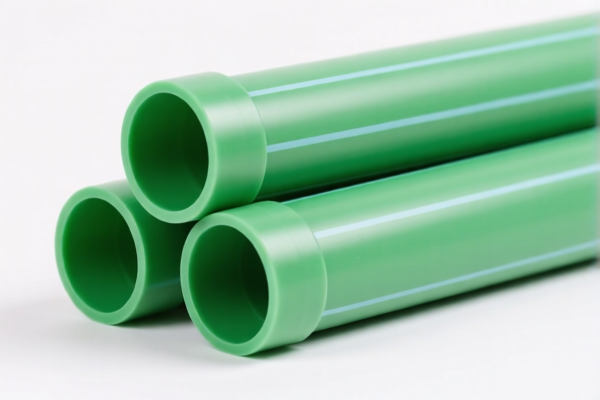
AI Analysis
🏗️ PVC Plastic Profiles (Construction & Industrial Extrusions)
🌐 HS Code Reference & Customs Clearance Guide | 2026 Latest Tariff Analysis | Professional Clearance Strategy
📌 I. Product Definition & Classification: Do You Really Understand "PVC Profiles"?
PVC (Polyvinyl Chloride) profiles are rigid extruded materials primarily used in construction (windows, doors, wall cladding) and industrial applications. In international trade, misclassification is the #1 cause of unexpected duties. The key distinction lies in the end-use:
- Construction Profiles (Windows/Doors/Wall Cladding): Treated as building components.
- General Industrial Profiles: Treated as generic plastic articles or unfinished construction parts.
⚠️ Key Distinction Point:
- If the profile is specifically shaped for windows, doors, or wall cladding (even if unfinished) → Often classified under 3925 (Building Components).
- If the profile is generic industrial tubing or unlisted shapes → Often classified under 3916 (Rod, Bar & Shapes) or 3926 (Other Plastic Articles).
- Warning: Some generic profiles misclassified as "Industrial" can trigger higher tariffs due to specific trade remedy clauses.
📦 II. HS Code Classification Details (2026 Latest Tariff Authority对照)
Based on the provided data, here are the valid classifications for PVC Plastic Profiles:
| HS Code | Product Description | Usage Scenario | Tax Rate Profile |
|---|---|---|---|
3925.20.00.91 |
PVC Plastic Profiles, treated as building or industrial components (e.g., window/door frames) | Window frames, door casings, structural building parts | 22.8% (Lowest Risk) |
3925.90.00.00 |
PVC Plastic Profiles, classified as building components | General construction elements not specifically listed as windows/doors | 40.3% (High Risk) |
3916.20.00.20 |
PVC (Vinyl Chloride Polymer) Plastic Profiles | Generic extruded shapes, rods, bars | 40.8% (High Risk) |
3916.20.00.91 |
PVC Industrial Profiles, not classified as wall cladding or window/door profiles | Non-structural industrial uses, excluded from building categories | 40.8% (High Risk) |
3926.90.99.89 |
PVC Plastic Industrial Profiles, classified as other unlisted plastic articles | Niche industrial uses, accessories, or non-standard shapes | 22.8% (Strategic Classification) |
🔍 Critical Insight:
- HS Code3925.20.00.91and3926.90.99.89offer the lowest total tax burden (22.8%).
- HS Code3916.20.00.91and3916.20.00.20carry the highest burden (40.8%).
- The difference between "Building Components" (3925) and "General Industrial" (3926/3916) is often semantic but has a massive impact on duty costs.
💰 III. 2026 Latest Tariff Rate Breakdown (Including Additional Taxes & Policies)
✅ Applicable Country: United States (US)
✅ Origin: China (CN)
✅ Effective Time: Current Trade Policies (Section 301 & 122 Clauses)
🎯 1. 3925.20.00.91 —— PVC Profiles as Building/Industrial Components (e.g., Window Frames)
| Item | Content |
|---|---|
| Base Duty | 5.3% (ad valorem) |
| Additional Duty (Section 301) | +7.5% |
| Clause 122 Duty | +10% |
| Total Effective Rate | 22.8% |
| Tax Calculation | CIF Value × 22.8% |
| De Minimis Exemption | ❌ Not Applicable (High-value industrial goods) |
| Legal Path | HTSUS:3925.20.00.91 → Section 301 Footnote → Clause 122 |
📌 Explanation:
- This code classifies PVC profiles specifically as construction materials (like window frames).
- The 7.5% Section 301 tariff is lower than the standard 25%, making this the most cost-effective classification for window/door-related profiles.
- Clause 122 adds a flat 10% on top.
🎯 2. 3925.90.00.00 —— PVC Plastic Profiles as Building Components (General)
| Item | Content |
|---|---|
| Base Duty | 5.3% |
| Additional Duty (Section 301) | +25.0% |
| Clause 122 Duty | +10% |
| Total Effective Rate | 40.3% |
| Tax Calculation | CIF Value × 40.3% |
| De Minimis Exemption | ❌ Not Applicable |
| Legal Path | HTSUS:3925.90.00.00 → Section 301 Footnote → Clause 122 |
📌 Warning:
- While also a "Building Component," this code carries the full 25% Section 301 tariff.
- Use this only if the profile does not fit the specific "window/door frame" description of3925.20.00.91.
🎯 3. 3916.20.00.20 & 3916.20.00.91 —— PVC Plastic Profiles (Industrial/Generic)
| Item | Content |
|---|---|
| Base Duty | 5.8% |
| Additional Duty (Section 301) | +25.0% |
| Clause 122 Duty | +10% |
| Total Effective Rate | 40.8% (Highest) |
| Tax Calculation | CIF Value × 40.8% |
| De Minimis Exemption | ❌ Not Applicable |
| Legal Path | HTSUS:3916.20.xx.xx → Section 301 Footnote → Clause 122 |
📌 Critical Note:
- These codes classify profiles as rods, bars, or shapes not specifically for construction.
- The 25% Section 301 tariff applies fully.
- Avoid this classification unless necessary, as it is the most expensive option.
🎯 4. 3926.90.99.89 —— PVC Industrial Profiles (Other Unlisted Plastic Articles)
| Item | Content |
|---|---|
| Base Duty | 5.3% |
| Additional Duty (Section 301) | +7.5% |
| Clause 122 Duty | +10% |
| Total Effective Rate | 22.8% |
| Tax Calculation | CIF Value × 22.8% |
| De Minimis Exemption | ❌ Not Applicable |
| Legal Path | HTSUS:3926.90.99.89 → Section 301 Footnote → Clause 122 |
📌 Strategic Insight:
- This code captures "Other Plastic Articles" that are industrial but not strictly "building components" under 3925.
- It benefits from the lower 7.5% Section 301 tariff, matching the lowest tax rate (3925.20.00.91).
- Suitable for non-standard industrial profiles or accessories that don't fit window/door definitions.
🛠️ IV. Customs Clearance Practical Advice (Battle-Tested Pitfall Guide)
✅ 1. Documentation Checklist (Mandatory)
| Document | Required | Purpose |
|---|---|---|
| ✅ Product Specification Sheet | ✔️ | Details extrusion profile shape, dimensions, PVC grade. |
| ✅ End-Use Declaration | ✔️ | Critical! Must state if used for windows/doors (3925) or general industry (3916/3926). |
| ✅ Commercial Invoice | ✔️ | Clearly describe as "PVC Plastic Profile for Construction/Industrial Use." Avoid vague terms like "Plastic Part." |
| ✅ Photos (Clear & Detailed) | ✔️ | Show cross-section and full length. Helps CBP verify if it's a window frame vs. generic rod. |
| ✅ Packing List | ✔️ | Itemize profiles, avoiding mixed declarations with other goods. |
✅ 2. Classification Strategy (Key Mantra)
🔥 "Building = 7.5% (if specific), Generic = 25%!"
| Scenario | Recommended HS Code | Reason |
|---|---|---|
| Window/Door Frames | 3925.20.00.91 |
Specific subheading for frames; lower 7.5% Section 301 duty. |
| Wall Cladding (Specific) | 3925.90.00.00 |
Classified as building component; but full 25% duty applies. |
| Generic Industrial Rods | 3916.20.00.20 |
Avoid if possible due to 25% duty. Use only if no other fit. |
| Non-Standard Industrial Profiles | 3926.90.99.89 |
Strategic alternative to get 7.5% duty if not a "building component." |
📌 Pro Tip:
- If your profile is generic but can be argued as "Other Plastic Articles" (3926), it may save 17.5% in duties compared to3916.
- However, ensure it does not look like a window frame. If it is clearly for windows, you must use3925.20.00.91to get the 7.5% rate. Using3916for window frames is a misclassification error.
✅ 3. Special Cases & Risk Management
| Situation | Handling Advice |
|---|---|
| Multi-Use Profiles | If profiles are used for both windows and general industry, declare the primary intended use. If equal, choose the lower-tax code (3926.90.99.89) with strong justification. |
| Pre-fabricated Window Assemblies | If assembled with glass/gaskets, may be classified differently (e.g., 7610 for aluminum, but for PVC, still likely 3925). Ensure components are properly declared. |
| Export to US from China | Double-check HS Code with a licensed customs broker. Misclassification can lead to CBP audits and back-taxes. |
| Clause 122 Impact | Remember, all these codes have an additional 10% Clause 122 duty. This is non-negotiable for Chinese-origin goods in many sectors. |
🌍 V. Global Market Comparison (2026 Overview)
| Country/Region | Recommended HS Code | Est. Total Duty (China Origin) | Notes |
|---|---|---|---|
| 🇺🇸 USA | 3925.20.00.91 |
22.8% | Best rate for window/door profiles. |
| 🇺🇸 USA | 3925.90.00.00 |
40.3% | Higher duty for general building components. |
| 🇺🇸 USA | 3916.20.00.91 |
40.8% | Highest duty for generic profiles. |
| 🇪🇺 EU | 3925.90.00 |
~5-6% | No Section 301; standard MFN rates apply. |
| 🇨🇳 China | 3925.20.00 |
~5% | Import duty only, no major anti-dumping for PVC. |
📌 Conclusion:
- The US market is highly sensitive to HS Code selection due to Section 301 and Clause 122 tariffs.
- Always aim for3925.20.00.91or3926.90.99.89to minimize the 7.5% additional duty.
- Avoid3916codes unless absolutely necessary, as they trigger the full 25% penalty.
📌 VI. Common Errors & Pitfalls (Blood & Tears Lessons)
❌ Error 1: Declaring Window Profiles as "Plastic Rods" (3916)
👉 Result: Misclassification. CBP may force change to 3925.20.00.91 (22.8%) or fine you for 3916 (40.8%).
Fix: Always declare based on design intent. If it's for windows, use 3925.20.00.91.
❌ Error 2: Ignoring "Clause 122"
👉 Result: Underestimating total landed cost by 10%.
Fix: Factor in Clause 122 for all PVC imports from China to the US.
❌ Error 3: Vague Description "Plastic Profile"
👉 Result: CBP Detention for further examination. Delays of 2-4 weeks.
Fix: Use precise descriptions: "PVC Window Profile, Extruded, Unassembled, for Residential Construction."
🎯 VII. Conclusion: Professional Declaration, Cost Savings, Efficiency!
🎯 Remember the Mantra:
🔹 "Windows = 3925.20 = 22.8% | Generic Building = 3925.90 = 40.3% | Rods = 3916 = 40.8% | Other Industrial = 3926 = 22.8%"
🔹 "Choose 3925.20.00.91 or 3926.90.99.89 to save 18% in duties!"
📌 Pro Tip:
If your PVC profiles are exported to Vietnam, Mexico, or Thailand, re-export to the US, you may qualify for IEEPA exemptions or lower duties.
Recommendation: Apply for a CBP Advance Ruling before shipping high-volume containers to lock in the favorable 3925.20.00.91 classification.
📣 Immediate Action:
📞 Consult a licensed US Customs Broker.
📄 Provide Product Drawings + Intended Use Statement.
🚀 Secure your supply chain, minimize duties, and maximize profit!
✨ Professional Clearance Starts with Accurate Classification!
💼 Every percent of duty saved is pure profit!
Customer Reviews
About HS Code Classification
The Harmonized System (HS) is an internationally standardized nomenclature developed by the World Customs Organization (WCO) to classify traded products. Over 200 countries use the HS system as the basis for customs tariffs, trade statistics, and import/export regulations.
Each HS code follows a hierarchical structure:
- Chapter (2 digits) — Broad category of goods (e.g., Chapter 84: Machinery and Mechanical Appliances)
- Heading (4 digits) — More specific grouping within the chapter
- Subheading (6 digits) — Internationally standardized breakdown, used by all WCO member countries
- National subdivisions (8-10 digits) — Country-specific extensions for further classification, such as US HTSUS 10-digit codes
Correct HS code classification is essential for smooth customs clearance, accurate duty payment, and compliance with trade regulations. Misclassification can lead to customs delays, overpayment of duties, or penalties.
When importing from CN to US, the applicable tariff rates may include:
- Most-Favored-Nation (MFN) rate — The standard duty rate applied to WTO members
- General rate — Applied to countries without trade agreements
- Trade remedy duties — Additional tariffs such as Section 301 (anti-dumping), Section 232 (national security), or countervailing duties
The information provided on this page is for reference purposes only. For official classification, please consult with your local customs authority or a licensed customs broker.