PVC Plasticized Sheet Antistatic Material
CN → US| HS Code | Tariff Rate | Origin | Destination | Doc |
|---|---|---|---|---|
| 3921121950 | 40.3% | CN | US | Official Doc |
| 3921125000 | 41.5% | CN | US | Official Doc |
| 3919905060 | 40.8% | CN | US | Official Doc |
| 3920435000 | 39.2% | CN | US | Official Doc |
| 3919905040 | 40.8% | CN | US | Official Doc |
Product Images
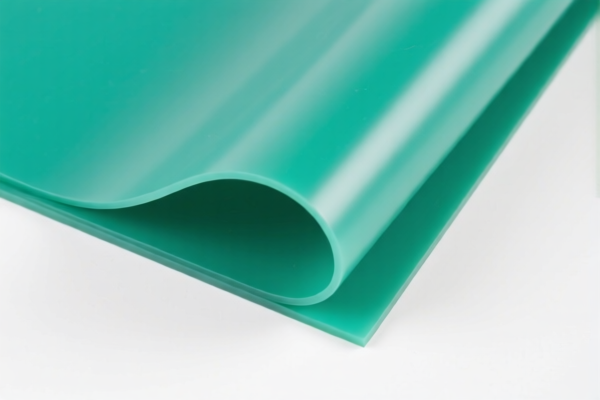

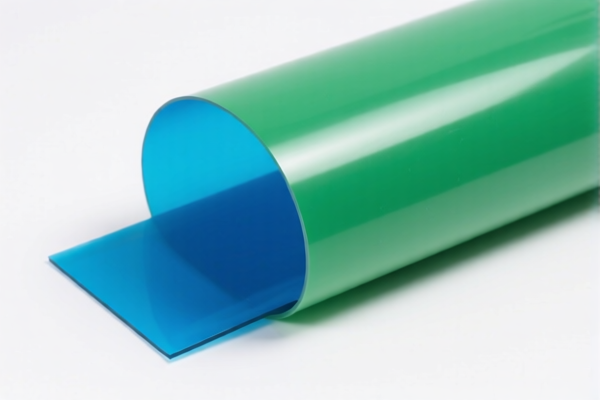
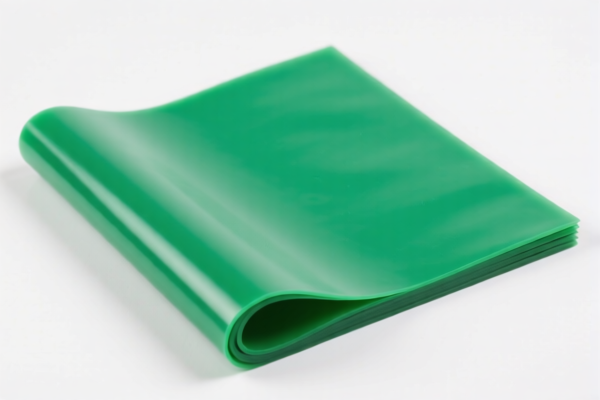
AI Analysis
🛡️ PVC Plasticized Sheet Antistatic Material (PVC Antistatic Film)
🌐 HS Code Reference & Clearance Guide | 2026 Latest Tariff Full Analysis | Professional Clearance Strategy
📌 I. Product Definition & Classification: What is "PVC Antistatic Film"?
PVC Antistatic Film is a specialized plastic sheet made from Polyvinyl Chloride (PVC) polymer, designed to prevent the accumulation of static electricity. In international trade, it is primarily classified under Chapter 39 (Plastics and Articles Thereof), specifically focusing on plates, sheets, film, foil, and strip.
The classification depends heavily on the form (roll vs. cut) and functionality (self-adhesive vs. non-adhesive, specific use). The data provided highlights five potential HS Codes, all falling under the PVC spectrum but differing in specific sub-category logic.
⚠️ Key Distinction:
- If the film is self-adhesive (has a backing), it generally falls under 3919 (Self-adhesive plates, sheets, film, foil, tape, strip, and other flat shapes).
- If the film is non-adhesive (plain sheet/film), it falls under 3920 (Other plates, sheets, film, foil, and strip, of plastics) or 3921 (Other plates, sheets, film, foil, and strip, of plastics).
- Antistatic function itself does not change the chapter but may influence the specific "Other" sub-heading.
📦 II. HS Code Classification Details (Latest Tariff Authority Comparison)
Based on the provided data, here are the 5 potential HS Codes for PVC Antistatic Material, ranked by Total Tax Rate (Low to High) for clarity, though all are subject to significant US tariffs.
| HS Code | Product Description & Logic | Key Characteristics | Total Tax Rate* |
|---|---|---|---|
| 3920.43.50.00 | PVC Antistatic Film, Plastic Products | PVC material, film shape. High consistency with "Plastic Products" category. Lowest Base Tariff. | 39.2% |
| 3919.90.50.60 | PVC Antistatic Film, Self-Adhesive/Flat Shape | Plastic material, film shape. Classified as "Other" self-adhesive plastic film. | 40.8% |
| 3919.90.50.40 | PVC Antistatic Film, Self-Adhesive Logic | Plastic material, film shape. Follows "Other Self-Adhesive Plastic Film" logic. | 40.8% |
| 3921.12.19.50 | PVC Antistatic Film, Vinyl Polymer | Vinyl polymer material, film shape. "Other" classification for vinyl polymers. | 40.3% |
| 3921.12.50.00 | PVC Antistatic Film, PVC Film | PVC material, film shape. Specific "PVC Film" classification under Chapter 3921. | 41.5% |
🔍 Important Note:
- All codes listed above include Section 301 Tariffs (25%) and Section 122 Tariffs (10%) on top of the Base Duty. - 3920.43.50.00 offers the lowest total rate (39.2%) due to its lower base duty (4.2%). - 3919 codes apply if the product is self-adhesive. If it is just a plain sheet, these may be incorrect. - 3921 codes apply to other plastic plates/sheets not elsewhere specified, often used for rigid or semi-rigid PVC sheets.
💰 III. 2026 Latest Tariff Rate Breakdown (Including Surcharges & Policy Add-ons)
✅ Applicable Country: United States (US)
✅ Origin: China (CN)
✅ Effective Time: Including imports from 2025 onwards (Section 301 & 122)
🎯 1. 3920.43.50.00 —— PVC Plastic Products (Lowest Rate)
| Item | Content |
|---|---|
| Base Duty | 4.2% (Ad Valorem) |
| Section 301 Surcharge | +25.0% (USITC Footnote 9903.01.24) |
| Section 122 Surcharge | +10.0% (Executive Order 13936 / IEEPA) |
| Total Effective Rate | 39.2% |
| Tax Calculation | CIF Value × 39.2% |
| De Minimis Eligibility | ❌ No (Section 301/122 goods are generally excluded from de minimis benefits if over $800, but specific rules apply; generally, high-value industrial goods are scrutinized). |
| Legal Basis Path | USITC:3920.43.50.00 → FOOTNOTE:9903.01.24 (301) → IEEPA:9903.01.25 (122) |
📌 Explanation:
- Base Duty (4.2%): The standard MFN rate for PVC sheets. - Section 301 (25%): Applied to most Chinese-origin plastic articles. - Section 122 (10%): Additional tariff on certain Chinese goods, including specific plastic products. - Total 39.2%: This is the most competitive rate among the provided options.
🎯 2. 3921.12.19.50 & 3921.12.50.00 —— PVC Vinyl Polymers/Films
| Item | Content |
|---|---|
| Base Duty | 5.3% (for .19.50) / 6.5% (for .50.00) |
| Section 301 Surcharge | +25.0% |
| Section 122 Surcharge | +10.0% |
| Total Effective Rate | 40.3% (.19.50) / 41.5% (.50.00) |
| Tax Calculation | CIF Value × Total Rate |
| De Minimis Eligibility | ❌ No |
| Legal Basis Path | USITC:3921.12.x → FOOTNOTE:9903.01.24 → IEEPA:9903.01.25 |
📌 Note:
- The difference between .19.50 and .50.00 lies in the specific "Other" classification within Chapter 3921. - 3921.12.50.00 has the highest base duty (6.5%), leading to the highest total rate (41.5%).
🎯 3. 3919.90.50.60 & 3919.90.50.40 —— Self-Adhesive PVC Films
| Item | Content |
|---|---|
| Base Duty | 5.8% |
| Section 301 Surcharge | +25.0% |
| Section 122 Surcharge | +10.0% |
| Total Effective Rate | 40.8% |
| Tax Calculation | CIF Value × 40.8% |
| De Minimis Eligibility | ❌ No |
| Legal Basis Path | USITC:3919.90.50.x → FOOTNOTE:9903.01.24 → IEEPA:9903.01.25 |
📌 Critical Distinction:
- These codes ONLY apply if the PVC film is Self-Adhesive (has a sticky backing). - If the product is not self-adhesive, using these codes is misclassification and risks seizure or penalties. - If it is self-adhesive, the rate is 40.8%, which is higher than 3920.43.50.00 (39.2%).
🛠️ IV. Practical Clearance Advice (Battle-Tested Pitfall Avoidance)
✅ 1. Document Checklist (Non-Negotiable)
| Document | Required | Description |
|---|---|---|
| ✅ Product Specification Sheet | ✔️ | Must specify: Material (PVC), Thickness, Width, Antistatic Properties (e.g., Surface Resistance Ω/sq), Adhesive Type (if any). |
| ✅ Technical Data Sheet (TDS) | ✔️ | Proof of antistatic functionality. |
| ✅ Commercial Invoice | ✔️ | Must clearly state: "PVC Antistatic Film, Section 301/122 Applicable." |
| ✅ Packing List | ✔️ | Net/Gross weight, dimensions. |
| ✅ Certificate of Origin | ✔️ | To confirm CN origin (triggers tariffs). |
| ✅ Labeling | ✔️ | Must include country of origin "Made in China." |
✅ 2. Classification Strategy (Key Mnemonic)
🔥 "Check Adhesive First, Then Material! 3920 is King, 3919 Needs Stick!"
| Situation | Correct HS Code | Error Consequence |
|---|---|---|
| Non-Adhesive PVC Film | 3920.43.50.00 (Best Rate) |
If misclassified as 3919 (Adhesive) → Higher Tax (40.8%) |
| Self-Adhesive PVC Film | 3919.90.50.60 / .40 |
If misclassified as 3920 → Penalty for Misdeclaration |
| Rigid PVC Sheet | 3921.12.50.00 |
If misclassified as Film → Functional Mismatch |
| Non-PVC Antistatic Film | Other Chapters (e.g., 3920/3921 for other plastics) | Using PVC code → Valuation Dispute |
✅ 3. Special Case Handling
| Situation | Recommendation |
|---|---|
| Is it Self-Adhesive? | Check the product. If it has a release liner and adhesive, it MUST be 3919. Do not use 3920. |
| Antistatic Additives | The presence of antistatic additives does not change the HS code from Chapter 39, but must be declared to prove the "Antistatic" nature for buyer requirements. |
| Section 122 Exemptions? | Currently, no general exemptions for PVC films from Section 122. Ensure budget includes 10% on top. |
| Valuation | Customs will scrutinize CIF value. Ensure freight and insurance are accurately declared to avoid undervaluation flags. |
🌍 V. Global Market Clearance Comparison (2026)
| Country/Region | Recommended HS Code | Duty Rate (China Origin) | Key Certifications | Notes |
|---|---|---|---|---|
| 🇺🇸 USA | 3920.43.50.00 (Best) |
39.2% | None specific for PVC | High Tariff Barrier. Section 301 + 122 applies. |
| 🇨🇳 China | 3920.43.50.00 |
4.2% (Import) | RoHS (if for electronics) | Low tariff, encourages import. |
| 🇪🇺 EU | 3920.43.00.00 |
6.5% | REACH, RoHS | No Section 301/122 equivalent. |
| 🇬🇧 UK | 3920.43.00.00 |
6.5% | UKCA, RoHS | Post-Brexit rules apply. |
| 🇦🇺 Australia | 3920.43.00.00 |
5.0% | RCM (if electrical accessory) | Low tariff, GSP benefits may apply. |
📌 Conclusion:
- USA is the most expensive market due to Section 301 (25%) and Section 122 (10%).
- EU/UK/Australia have significantly lower duties (~5-6.5%).
- Cost Optimization: If exporting to the US, consider supply chain diversification (e.g., production in Vietnam/Mexico) to potentially avoid Section 301/122 tariffs, though anti-circumvention laws are strict.
📌 VI. Common Mistakes & Pitfall Guide (Blood Lessons)
❌ Mistake 1: Misclassifying Non-Adhesive film as Self-Adhesive (3919)
👉 Consequence: Higher tax rate (40.8% vs 39.2%) + Risk of audit for over-declaring value/features.
❌ Mistake 2: Misclassifying Self-Adhesive film as Non-Adhesive (3920)
👉 Consequence: Severe Penalty. Customs may reclassify, levy back-taxes, and fine for fraudulent declaration.
❌ Mistake 3: Ignoring Section 122 Tariffs
👉 Consequence: Budget miscalculation. The 10% surcharge is significant on high-volume shipments.
❌ Mistake 4: Using "Antistatic PVC" as the only description
👉 Consequence: Customs may ask for clarification. Always include Material (PVC), Form (Film/Sheet), and Adhesive Status.
✅ Correct Practice:
"PVC Antistatic Film, Non-Adhesive, 0.1mm Thickness, Width 1000mm, Made in China, Subject to Section 301 & 122 Tariffs"
🎯 VII. Conclusion: Professional Declaration, Save Money & Time!
🎯 Key Takeaways:
🔹 "Non-Adhesive? Use 3920.43.50.00 for 39.2% Total Rate."
🔹 "Self-Adhesive? Use 3919.90.50.x for 40.8% Total Rate."
🔹 "Always Account for Section 301 (25%) and Section 122 (10%)."
🔹 "HS Code Determines Duty. Wrong Code = High Cost + Delays."
📌 Pro Tip:
If your PVC Antistatic Film is for electronic packaging, ensure it meets ANSI/ESD S20.20 standards. Customs may request proof of functionality if audited.
📣 Immediate Action:
📞 Confirm Adhesive Status → Select HS Code → Calculate 39.2%-41.5% Tariff → Prepare Documentation.
🚀 Ensure Smooth Customs Clearance for Your PVC Antistatic Materials!
✨ Professional Clearance Starts with Accurate Classification!
💼 Every Percentage Point Matters in International Trade!
Customer Reviews
About HS Code Classification
The Harmonized System (HS) is an internationally standardized nomenclature developed by the World Customs Organization (WCO) to classify traded products. Over 200 countries use the HS system as the basis for customs tariffs, trade statistics, and import/export regulations.
Each HS code follows a hierarchical structure:
- Chapter (2 digits) — Broad category of goods (e.g., Chapter 84: Machinery and Mechanical Appliances)
- Heading (4 digits) — More specific grouping within the chapter
- Subheading (6 digits) — Internationally standardized breakdown, used by all WCO member countries
- National subdivisions (8-10 digits) — Country-specific extensions for further classification, such as US HTSUS 10-digit codes
Correct HS code classification is essential for smooth customs clearance, accurate duty payment, and compliance with trade regulations. Misclassification can lead to customs delays, overpayment of duties, or penalties.
When importing from CN to US, the applicable tariff rates may include:
- Most-Favored-Nation (MFN) rate — The standard duty rate applied to WTO members
- General rate — Applied to countries without trade agreements
- Trade remedy duties — Additional tariffs such as Section 301 (anti-dumping), Section 232 (national security), or countervailing duties
The information provided on this page is for reference purposes only. For official classification, please consult with your local customs authority or a licensed customs broker.