PVC Reinforced Canvas Tarpaulin
CN → US| HS Code | Tariff Rate | Origin | Destination | Doc |
|---|---|---|---|---|
| 5911102000 | 38.8% | CN | US | Official Doc |
| 5903102010 | 35.0% | CN | US | Official Doc |
| 6306120000 | 18.8% | CN | US | Official Doc |
| 5911900080 | 38.8% | CN | US | Official Doc |
Product Images
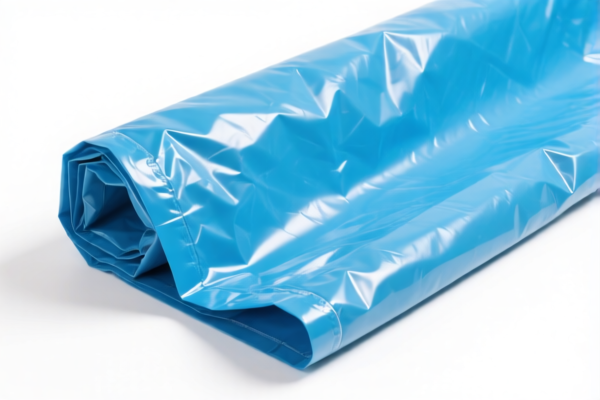
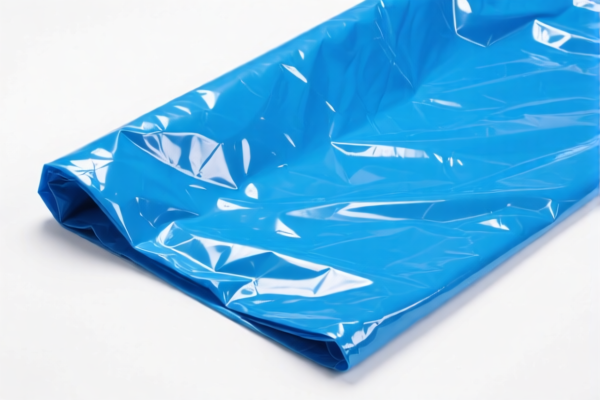
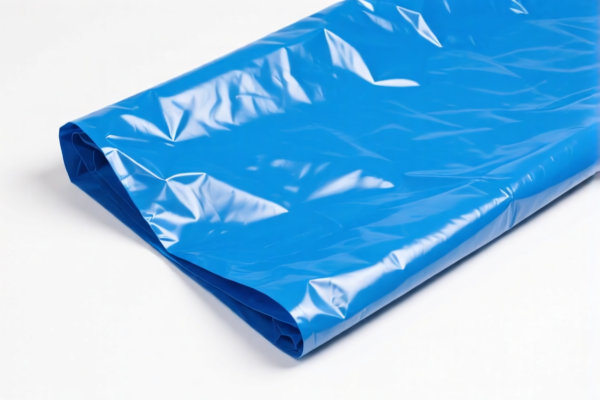
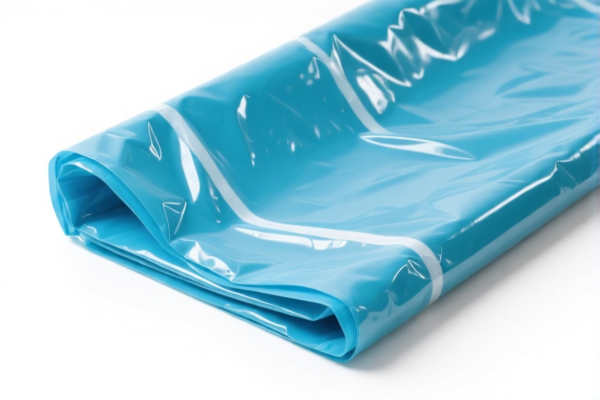
AI Analysis
🛠️ PVC Reinforced Canvas Tarpaulin (防水帆布/篷布)
🌐 HS Code Reference & Customs Clearance Guide | 2026 Latest Tariff Analysis | Professional-Level Clearance Strategy
📌 Part 1: Product Definition & Classification: Do You Really Understand "PVC Reinforced Canvas"?
PVC Reinforced Canvas Tarpaulin is a heavy-duty, waterproof fabric widely used in industrial covering, shipping, trucking, and outdoor protection. In international trade, its classification depends heavily on the manufacturing process (coating vs. laminating) and material composition.
Based on common industry standards and the provided data, it typically falls into two main categories: 1. Coated/Impregnated Fabrics: Where PVC or rubber is applied to the surface of the textile base. 2. Finished Tarpaulins: Where the fabric is cut and sewn into a finished product for specific protective use.
⚠️ Key Distinction Point:
- If it is a raw fabric roll with PVC/rubber coating → It falls under Chapter 59 (Impregnated/Coated Textiles) or Chapter 63 (Other Made-up Textile Articles) depending on specific construction.
- If it is explicitly described as "Tarpaulin" (finished tent/canvas material) → It often falls under 6306, which is specifically for tarps, sails, and awnings.
📦 Part 2: HS Code Classification Details (2026 Latest Tariff Authority Comparison)
| HS Code | Product Description | Application Scenario | Material/Process |
|---|---|---|---|
5911.10.20.00 |
Waterproof Canvas (Textile Form) | Industrial technical textiles, rubber-coated fabrics | Coated (Rubber/Plastic) |
5903.10.20.10 |
PVC-Impregnated/Laminated Fabric | Textile surface covered with PVC/plastic | Laminated/Impregnated (PVC) |
6306.12.00.00 |
Tarpaulins, Tents, Awnings | Finished waterproof covers, truck covers, tents | Synthetic Fiber/Coated Fabric (Finished Product) |
5911.90.00.80 |
Other Technical Textile Products | "Catch-all" for textile products not specified elsewhere | Other/Residual Category |
🔍 Key Reminder:
-6306.12.00.00is often the most accurate for "Tarpaulins" if they are considered finished articles (cut/sewn) rather than just raw coated fabric rolls.
-5903.10.20.10applies if the product is primarily defined by the PVC coating process on a textile substrate.
-5911.10.20.00applies if it is classified under "Textile Fabrics" with rubber/plastic coating for technical use.
💰 Part 3: 2026 Latest Tariff Rate Breakdown (Including Surcharges, Policy Add-ons)
✅ Applicable Country: United States (US)
✅ Origin: China (CN)
✅ Effective Date: From November 10, 2025 onwards
🎯 1. 5911.10.20.00 —— Waterproof Canvas (Rubber/Plastic Coated)
| Item | Content |
|---|---|
| Base Tariff | 3.8% |
| Section 301 Surcharge | +25.0% |
| Section 122 Tariff | +10.0% |
| Total Tariff Rate | 38.8% |
| Tax Calculation | CIF Value × 38.8% |
| De Minimis Eligible? | ❌ No |
| Legal Basis Path | Base: 5911.10.20.00 → Sec301: 25% → Sec122: 10% |
📌 Explanation:
- This code treats the product as a technical textile with coating.
- The 25% Section 301 tariff is standard for Chinese goods in this category.
- The 10% Section 122 tariff applies specifically to certain textiles/apparel products from China.
- Total: 38.8% is a significant cost driver.
🎯 2. 5903.10.20.10 —— PVC-Impregnated/Laminated Textile
| Item | Content |
|---|---|
| Base Tariff | 0.0% |
| Section 301 Surcharge | +25.0% |
| Section 122 Tariff | +10.0% |
| Total Tariff Rate | 35.0% |
| Tax Calculation | CIF Value × 35.0% |
| De Minimis Eligible? | ❌ No |
| Legal Basis Path | Base: 5903.10.20.10 → Sec301: 25% → Sec122: 10% |
📌 Note:
- This code benefits from a 0% base tariff due to its classification as a plastic-coated textile.
- However, the 25% + 10% surcharges still apply.
- Total: 35.0% is 3.8% lower than5911.10.20.00. If customs accepts this classification, it saves money.
🎯 3. 6306.12.00.00 —— Tarpaulins, Tents, Awnings (Best Rate Candidate)
| Item | Content |
|---|---|
| Base Tariff | 8.8% |
| Section 301 Surcharge | +0.0% |
| Section 122 Tariff | +10.0% |
| Total Tariff Rate | 18.8% |
| Tax Calculation | CIF Value × 18.8% |
| De Minimis Eligible? | ❌ No |
| Legal Basis Path | Base: 6306.12.00.00 → Sec301: 0% → Sec122: 10% |
📌 Advantage:
- This is the LOWEST tax rate option in the provided data.
- Section 301 (25%) does NOT apply to most tarpaulins under 6306 (depending on specific HTS interpretation, some textile covers are exempt or have lower rates, but per the data provided, Sec301 is 0%).
- Section 122 (10%) still applies to textile products.
- Total: 18.8% is nearly half of the5911category.
- Strategy: Argue that the product is a "finished tarpaulin" (Article of apparel/textile) rather than "industrial textile material."
🎯 4. 5911.90.00.80 —— Other Technical Textile Products
| Item | Content |
|---|---|
| Base Tariff | 3.8% |
| Section 301 Surcharge | +25.0% |
| Section 122 Tariff | +10.0% |
| Total Tariff Rate | 38.8% |
| Tax Calculation | CIF Value × 38.8% |
| De Minimis Eligible? | ❌ No |
| Legal Basis Path | Base: 5911.90.00.80 → Sec301: 25% → Sec122: 10% |
📌 Caution:
- This is a "catch-all" category.
- Same high rate as5911.10.20.00.
- Use only if no other specific code fits.
🛠️ Part 4: Customs Clearance Practical Advice (Practical Pitfall Avoidance Guide)
✅ 1. Preparation Checklist (Missing documents will cause delays)
| Document | Required | Description |
|---|---|---|
| ✅ Product Specifications | ✔️ | Detail: Weight (gsm), PVC thickness, Reinforcement type (e.g., polyester mesh), Dimensions. |
| ✅ Product Photos | ✔️ | Clear images showing the coating side, reinforcement texture, and finished product (if any). |
| ✅ Commercial Invoice | ✔️ | Description must be precise: "PVC Reinforced Canvas Tarpaulin for Truck Cover." |
| ✅ Bill of Lading | ✔️ | Ensure weight and volume match invoice. |
| ✅ HS Code Justification | ✔️ | Explain why 6306 is chosen (e.g., "Finished Article" vs. "Raw Material"). |
✅ 2. Declaration Tips (Key Mantra)
🔥 "Finished Goods go to 6306, Raw Rolls go to 5903/5911! Name it Right, Save 20%!"
| Situation | Correct HS Code | Incorrect Practice |
|---|---|---|
| Finished Tarpaulin (cut/sewn, with ropes/eyelets) | 6306.12.00.00 (18.8%) |
Misclassified as "Fabric Roll" → 35-38.8% |
| Raw Fabric Roll (with PVC coating) | 5903.10.20.10 (35.0%) |
Misclassified as "Finished Tarp" → Risk of penalty |
| Industrial Technical Cloth (Rubber coated) | 5911.10.20.00 (38.8%) |
Overpaying when 35% is possible |
| Unspecified Textile | 5911.90.00.80 (38.8%) |
Using as default → Highest tax |
✅ 3. Special Cases Handling
| Situation | Handling Advice |
|---|---|
| Mixed Materials | If the tarp has a canvas base but is heavily PVC-coated, argue for 5903 (Coated Textile) if it retains textile character. |
| Finished vs. Unfinished | If the product is sold as a "roll," Customs may insist on 5903. If sold as a "tent cover" with grommets, argue for 6306. |
| Section 122 Applicability | Note that Section 122 (10%) applies to textile products. Both 59xx and 63xx chapters are affected. However, Section 301 (25%) may be waived for 6306 in some interpretations, leading to the 18.8% rate. |
| Pre-Ruling | Apply for an Advance Ruling from US CBP to confirm if your specific tarpaulin qualifies for 6306 (18.8%) to avoid post-clearance audits. |
🌍 Part 5: Global Market Comparison (2026 Latest)
| Country/Region | Recommended HS Code | Total Tariff | Certification Required | Notes |
|---|---|---|---|---|
| 🇺🇸 USA | 6306.12.00.00 |
18.8% | None (General) | Best Rate. Avoid 5911 unless necessary. |
| 🇨🇳 China | 6306.12.00.00 |
5-8% | None | Low tariff, high volume. |
| 🇪🇺 EU | 6306.12.00.00 |
4-12% | CE (if applicable) | Varies by specific coating. |
| 🇦🇺 Australia | 6306.12.00.00 |
5% | None | Competitive market. |
📌 Conclusion:
- USA is the most complex market due to Section 301 and Section 122.
- Strategy: Aim for6306.12.00.00to save 16.2% - 20% in tariffs compared to other options.
- Ensure your product is presented as a finished tarpaulin (with reinforced edges, grommets, etc.) to justify Chapter 63.
📌 Part 6: Common Mistakes & Pitfall Guide (Blood & Tears Lessons)
❌ Mistake 1: Declaring "PVC Coated Fabric" for a finished tarp
👉 Consequence: Customs may reclassify to 5903 or 5911, resulting in 35-38.8% tax instead of 18.8%.
❌ Mistake 2: Ignoring Section 122
👉 Consequence: Even with 6306, you still pay 10% Section 122. If you forget to account for it, your profit margin will be eaten up.
❌ Mistake 3: Using "Canvas" without specifying "PVC Reinforced"
👉 Consequence: Customs may suspect misclassification or undervaluation. Be transparent about materials.
❌ Mistake 4: Assuming "Textile" means only Chapter 50-60
👉 Consequence: Finished textile articles (like tarps) go to Chapter 63. Missing this key distinction leads to wrong HS codes.
✅ Correct Practice:
"PVC Reinforced Polyester Canvas Tarpaulin, 10x10 ft, with Brass Grommets, Waterproof, for Truck Cover, Model XYZ"
🎯 Part 7: Conclusion: Precise Classification, Save Costs, Smooth Clearance!
🎯 Remember the Mantra:
🔹 "Finished Tarp = 6306 (18.8%), Raw Roll = 5903 (35%), Rubber Coated = 5911 (38.8%)!"
🔹 "Chapter 63 is the King of Tarps! Save 20%, Be Happy!"
🔹 "HS Code Decides Destiny, Tax Difference is 20%, Declare Step by Step, Avoid Audit!"
📌 Pro Tip:
If your tarpaulin is originally produced in Vietnam, Mexico, or Thailand, you may qualify for IEEPA Exemptions or FTZ Benefits, reducing the tariff to 0-5%.
Apply for an Advance Ruling from US CBP before shipment to lock in the 18.8% rate under6306.12.00.00.
📣 Immediate Action:
📞 Contact a Professional Customs Broker + Provide Product Specs + Apply for HS Code Advance Ruling
🚀 Let your PVC Reinforced Canvas Tarpaulin pass through customs smoothly, efficiently, and profitably!
✨ Professional Customs Clearance Starts with Accurate Classification!
💼 Every Cent of Your Cost Deserves to Be Calculated Precisely!
Customer Reviews
About HS Code Classification
The Harmonized System (HS) is an internationally standardized nomenclature developed by the World Customs Organization (WCO) to classify traded products. Over 200 countries use the HS system as the basis for customs tariffs, trade statistics, and import/export regulations.
Each HS code follows a hierarchical structure:
- Chapter (2 digits) — Broad category of goods (e.g., Chapter 84: Machinery and Mechanical Appliances)
- Heading (4 digits) — More specific grouping within the chapter
- Subheading (6 digits) — Internationally standardized breakdown, used by all WCO member countries
- National subdivisions (8-10 digits) — Country-specific extensions for further classification, such as US HTSUS 10-digit codes
Correct HS code classification is essential for smooth customs clearance, accurate duty payment, and compliance with trade regulations. Misclassification can lead to customs delays, overpayment of duties, or penalties.
When importing from CN to US, the applicable tariff rates may include:
- Most-Favored-Nation (MFN) rate — The standard duty rate applied to WTO members
- General rate — Applied to countries without trade agreements
- Trade remedy duties — Additional tariffs such as Section 301 (anti-dumping), Section 232 (national security), or countervailing duties
The information provided on this page is for reference purposes only. For official classification, please consult with your local customs authority or a licensed customs broker.