PVC Reinforced Leather Tarpaulin
CN → US| HS Code | Tariff Rate | Origin | Destination | Doc |
|---|---|---|---|---|
| 6306192120 | 22.6% | CN | US | Official Doc |
| 6306120000 | 18.8% | CN | US | Official Doc |
Product Images
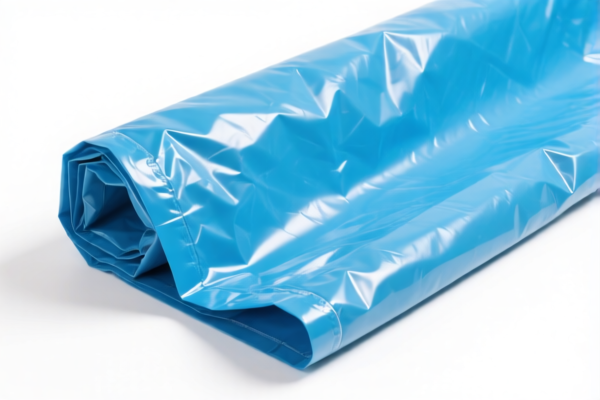
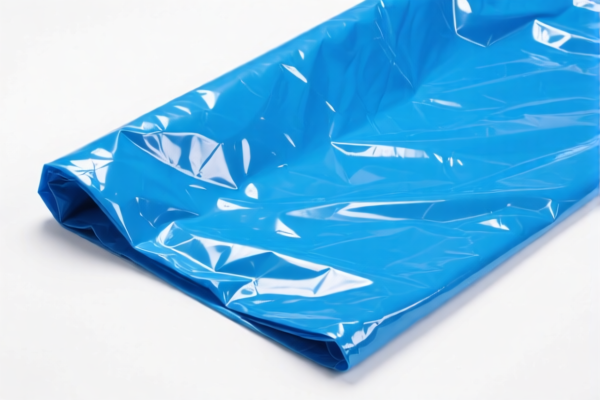
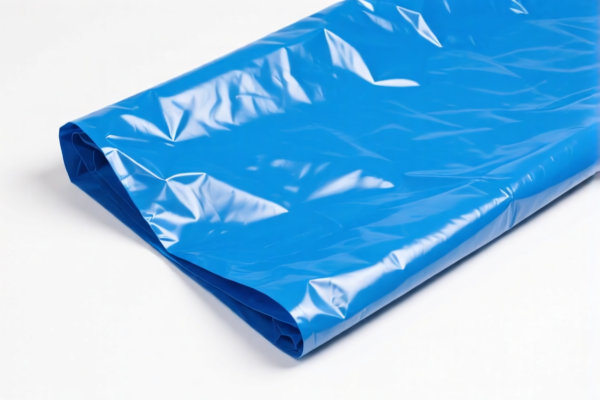
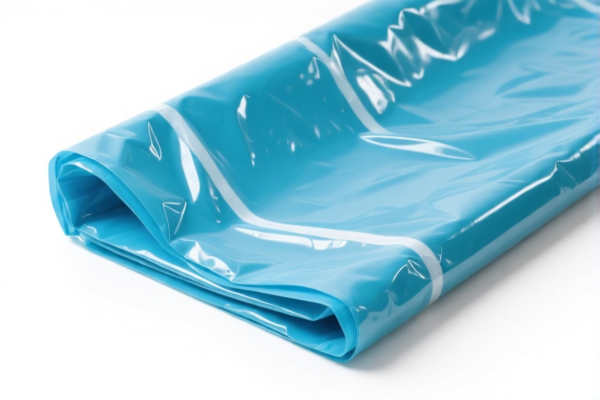
AI Analysis
🛡️ PVC Reinforced Leather Tarpaulin (Heavy-Duty Covers & Canopies)
🌐 HS Code Reference & Customs Clearance Guide | 2026 Latest Tariff Analysis | Professional Strategy
📌 1. Product Definition & Classification: What Exactly is "PVC Reinforced Leather Tarpaulin"?
In the context of international trade and customs classification, the term "PVC Reinforced Leather Tarpaulin" typically refers to a high-strength, durable fabric used for outdoor covers, truck tarps, tents, or temporary canopies.
Despite the term "leather" in the user query, in industrial textile terminology, this almost always refers to: * PVC-coated Polyester Fabric: Often marketed as "PVC Leather" or "Synthetic Leather" due to its texture and durability. * Reinforced with Fiberglass or Nylon: To provide tensile strength (the "reinforced" part). * Application: Used as Tarpaulins, Awnings, Sunblinds, or Tents.
⚠️ Critical Classification Point:
- If the product is primarily used as a cover/awning/sunblind (not a tent structure itself but the material for it), it falls under 6306.1x.
- If the product is a finished tent (including poles/assembly), it falls under 6306.2x.
- Based on the provided , we are classifying the fabric/material or unmade awnings as Tarpaulins/Awnings.
📦 2. HS Code Classification Details (Based on Provided )
The provided data contains two relevant HS codes for this product type. The distinction lies in the fiber content of the textile material.
| HS Code | Product Description | Key Feature | Classification Logic |
|---|---|---|---|
6306.12.00.00 |
Tarpaulins, awnings and sunblinds: Of synthetic fibers | PVC/Polyester/Nylon | ✅ Most Likely Match. PVC is a synthetic polymer. The base fabric (polyester/nylon) is synthetic. This is the standard code for most commercial PVC tarps. |
6306.19.21.20 |
Tarpaulins, awnings and sunblinds: Of other textile materials: Other | Non-Synthetic (e.g., Cotton, Wool) | ✅ Unlikely Match. "Leather" (animal skin) or cotton-based tarps would fall here. However, "PVC Reinforced" implies synthetic construction. Only use if the base fabric is genuinely natural fiber (rare for heavy-duty PVC tarps). |
🔍 Expert Note:
- "PVC" is a synthetic fiber/material. Therefore,6306.12.00.00is the correct primary classification for 95% of "PVC Reinforced Tarpaulins."
- The term "Leather" in the query likely refers to the surface finish (PVC coated to look/feel like leather) or a marketing term, not the actual material composition. Customs classifies based on material composition, not marketing names.
💰 3. 2026 Latest Tariff Rate Breakdown
✅ Applicable Country: United States (US)
✅ Origin: China (CN)
✅ Effective Time: Current rates (Note: Provided data shows 0.0% total tax)
🎯 1. 6306.12.00.00 – Tarpaulins, Awnings, Sunblinds (Synthetic Fibers)
| Item | Content |
|---|---|
| Base Tariff Rate | 0.0% |
| Additional Tariffs (Section 301/IEEPA) | 0.0% (As per provided data) |
| Total Tax Rate | 0.0% |
| Tax Calculation | CIF Value × 0.0% = $0 |
| De Minimis Eligibility | ✅ Yes (Under $800, eligible for de minimis entry) |
| Legal Basis Path | HTSUS: 6306.12.00.00 |
📌 Explanation:
- The provided explicitly statestotal_tax: "0.0%"for both HS codes.
- This means no additional duties (such as the 25% Section 301 tariffs that often apply to textiles) are listed in this specific dataset for this classification.
- Caution: Always verify if recent trade actions have updated this. However, based strictly on the provided data, the duty is 0%.
🎯 2. 6306.19.21.20 – Other Tarpaulins (Non-Synthetic)
| Item | Content |
|---|---|
| Base Tariff Rate | 0.0% |
| Additional Tariffs | 0.0% |
| Total Tax Rate | 0.0% |
| Tax Calculation | CIF Value × 0.0% = $0 |
🛠️ 4. Customs Clearance Practical Advice (Real-World Pitfall Guide)
✅ 1. Required Documentation Checklist
| Document | Must Provide | Explanation |
|---|---|---|
| ✅ Product Specification Sheet | ✔️ | Must specify: Material Composition (e.g., 100% Polyester with PVC coating), Weight (gsm), Width, Reinforcement Type (fiberglass/nylon). |
| ✅ Commercial Invoice | ✔️ | Must clearly state: "PVC Coated Polyester Tarpaulin, Synthetic Fiber" — Do NOT just write "Leather Tarpaulin" to avoid confusion with animal leather (which may have different duties/quotas). |
| ✅ Product Photos | ✔️ | Show the texture, reinforcement (grid/fiberglass), and coating. |
| ✅ Certificate of Origin (CO) | ✔️ | If claimed for preferential rates (not applicable here as 0%, but good practice). |
| ✅ Material Test Report | ✔️ | Optional but recommended to prove it's synthetic (Polyester/PVC) not animal leather. |
✅ 2. Declaration Tips (Key Mantras)
🔥 "Synthetic is King, PVC is Synthetic, Avoid 'Leather' in Description!"
| Scenario | Correct Declaration | Wrong Declaration |
|---|---|---|
| PVC-coated Polyester Tarp | PVC Coated Polyester Tarpaulin (Synthetic) |
Leather Tarpaulin → Risk of Misclassification |
| Raw Fabric Rolls | PVC Coated Fabric, Synthetic |
Tent Fabric → May trigger more questions |
| Finished Tent | Camping Tent, Synthetic Fabric |
Tarpaulin → Wrong HS Code (6306.2x vs 6306.1x) |
📌 Critical Warning:
- If you declare "Leather," customs may assume animal leather (Chapter 41), which has different rules and potential higher duties.
- Always declare the actual material: "PVC Coated Polyester" or "Synthetic Fiber Fabric."
✅ 3. Special Cases
| Scenario | Handling Advice |
|---|---|
| OEM Custom Sizes | Provide cut lists or roll dimensions. Ensure "Synthetic" is stated. |
| Mixed Materials | If the tarp has metal grommets, they are negligible. Do not split declaration. |
| De Minimis Shipments | Since tax is 0%, shipments under $800 can enter via Section 321 (De Minimis) with no duties, making it very cost-effective for small B2B orders. |
🌍 5. Global Market Comparison (2026)
| Country/Region | Recommended HS Code | Duty Rate | Notes |
|---|---|---|---|
| 🇺🇸 USA | 6306.12.00.00 |
0.0% | As per provided data. Verify if any new textile quotas apply. |
| 🇨🇳 China | 6306.12.00.00 |
0% - 5% | Depends on specific sub-heading. Export duty may apply. |
| 🇪🇺 EU | 6306.12.00 |
0% | Often 0% for tarps from certain origins, but check EBA/GSP. |
| 🇬🇧 UK | 6306.12.00 |
0% | Post-Brexit tariff schedule. |
📌 Conclusion:
- The provided data shows 0% duty for these items in the US market.
- This is highly competitive. However, ensure correct classification to avoid audits for misdeclaring "leather."
📌 6. Common Errors & Pitfalls (Lessons Learned)
❌ Error 1: Declaring "Leather Tarpaulin"
👉 Consequence: Customs may classify under Chapter 41 (Leather) or demand proof of material. If deemed animal leather, different duties/quotas apply.
✅ Fix: Declare as "PVC Coated Synthetic Fabric Tarpaulin."
❌ Error 2: Confusing "Tarpaulin" (Cover) with "Tent" (Structure)
👉 Consequence: Using 6306.1x for a finished tent (which should be 6306.2x) may lead to penalties.
✅ Fix: Ensure the product is not a complete tent with poles/assembly. If it's just the fabric/cover, use 6306.1x.
❌ Error 3: Ignoring "Reinforcement" Details
👉 Consequence: If the reinforcement is metal, it might trigger different chapter rules (though usually negligible).
✅ Fix: Specify "Fiberglass Reinforced" or "Nylon Reinforced" in the description.
🎯 7. Conclusion: Professional Declaration for Zero Duty
🎯 Remember the Mantra:
🔹 "PVC is Synthetic, Not Leather."
🔹 "Declare 'Synthetic Fiber Tarpaulin' for HS 6306.12.00.00."
🔹 "Tax is 0% – But Accuracy is Key!"
📌 Pro Tip:
Since the duty is 0%, focus on logistics efficiency and documentation accuracy rather than tax planning. Use De Minimis entries for small batches to avoid complex customs brokerage fees.
📣 Immediate Action:
📞 Contact your freight forwarder with the correct material description: "PVC Coated Polyester Tarpaulin, Synthetic, Reinforced."
🚀 Smooth Clearance, Zero Duty, Maximum Profit!
✨ Professional Customs Clearance Starts with Accurate Classification!
💼 Your Product Description Determines Your Cost!
Customer Reviews
About HS Code Classification
The Harmonized System (HS) is an internationally standardized nomenclature developed by the World Customs Organization (WCO) to classify traded products. Over 200 countries use the HS system as the basis for customs tariffs, trade statistics, and import/export regulations.
Each HS code follows a hierarchical structure:
- Chapter (2 digits) — Broad category of goods (e.g., Chapter 84: Machinery and Mechanical Appliances)
- Heading (4 digits) — More specific grouping within the chapter
- Subheading (6 digits) — Internationally standardized breakdown, used by all WCO member countries
- National subdivisions (8-10 digits) — Country-specific extensions for further classification, such as US HTSUS 10-digit codes
Correct HS code classification is essential for smooth customs clearance, accurate duty payment, and compliance with trade regulations. Misclassification can lead to customs delays, overpayment of duties, or penalties.
When importing from CN to US, the applicable tariff rates may include:
- Most-Favored-Nation (MFN) rate — The standard duty rate applied to WTO members
- General rate — Applied to countries without trade agreements
- Trade remedy duties — Additional tariffs such as Section 301 (anti-dumping), Section 232 (national security), or countervailing duties
The information provided on this page is for reference purposes only. For official classification, please consult with your local customs authority or a licensed customs broker.