PVC Scratch Resistant Protective Film
CN → US| HS Code | Tariff Rate | Origin | Destination | Doc |
|---|---|---|---|---|
| 3926909989 | 22.8% | CN | US | Official Doc |
| 3921905050 | 39.8% | CN | US | Official Doc |
| 3919905040 | 40.8% | CN | US | Official Doc |
| 3919905060 | 40.8% | CN | US | Official Doc |
| 3920992000 | 39.2% | CN | US | Official Doc |
Product Images
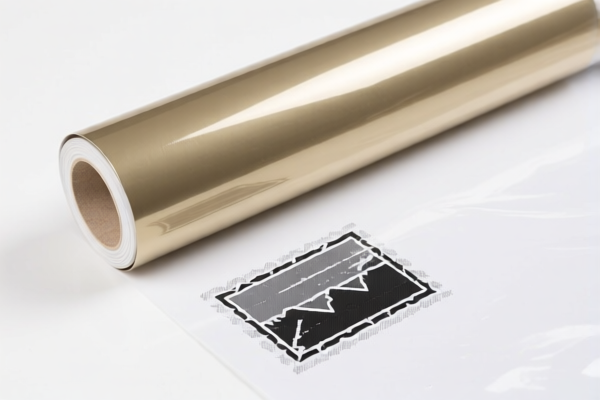

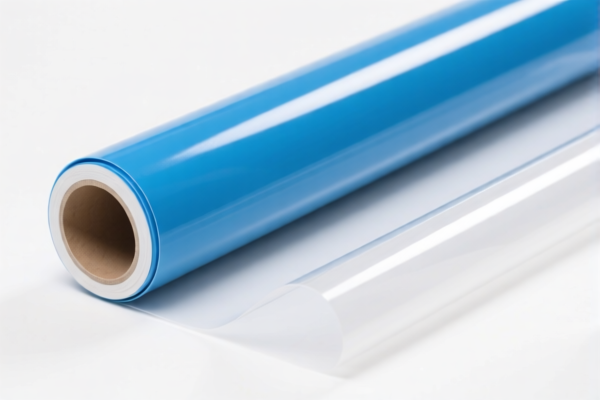
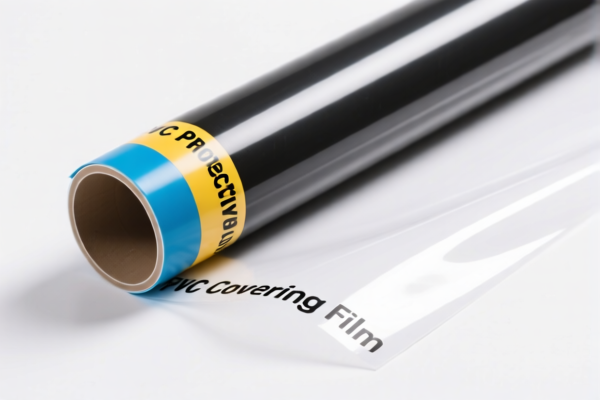
AI Analysis
🛡️ PVC Scratch Resistant Protective Film (PVC防刮保护膜)
🌐 HS Code Reference & Customs Clearance Guide | 2026 Latest Tariff Analysis | Professional Clearance Strategy
📌 I. Product Definition & Classification: Do You Really Understand "PVC Protective Film"?
PVC Scratch Resistant Protective Film is a critical auxiliary material used in electronics, automotive coatings, glass processing, and industrial manufacturing to prevent surface damage during transit and assembly. In international trade, its classification depends heavily on its material composition (PVC vs. PET), form (rolls, sheets), and function (adhesive vs. non-adhesive).
Based on the provided data, this product falls into the Chapter 39 (Plastics and Articles Thereof) category. The specific HS Code is determined by whether it is a rigid sheet, a flexible film, or an adhesive tape-like product.
⚠️ Key Distinction Point:
- Rigid Sheets (PVC): If the product is a semi-rigid or rigid sheet used for scratch resistance, it is classified under 3926.90.99.89.
- Flexible Films (PET): If the product is a flexible plastic film (even if labeled as "scratch resistant"), it is classified based on whether it is self-adhesive (3919) or non-adhesive (3920/3921).
- Material Matters: PVC films generally have lower tariff rates than PET films due to different trade policy treatments.
📦 II. HS Code Classification Details (2026 Latest Tariff Authority Comparison)
| HS Code | Product Description | Summary from Data | Tax Category |
|---|---|---|---|
3926.90.99.89 |
Other塑料制品 (Plastic Articles) - PVC Scratch Resistant Sheet | PVC材质防刮片材,归类为其他塑料制品 | Low Risk |
3921.90.50.50 |
Other Plates, Sheets, Film, Blob and Strip of Plastic - PET Protective Film | PET材质防刮保护膜,归类为塑料薄膜 | High Risk |
3919.90.50.40 |
Self-adhesive Plates, Sheets, Film, Blob and Strip - PET Adhesive Film | PET材质防刮保护膜,归类为自粘塑料薄膜 | High Risk |
3919.90.50.60 |
Self-adhesive Plates, Sheets, Film, Blob and Strip - PET Adhesive Film | PET材质防刮保护膜,归类为自粘塑料薄膜 | High Risk |
3920.99.20.00 |
Other Plates, Sheets, Film, Blob and Strip of Plastic - PET Non-Adhesive Film | PET材质防刮保护膜,归类为非增强塑料薄膜 | High Risk |
🔍 Key Reminder:
- PVC vs. PET: Note that PVC products (HS 3926) have a significantly lower total tax rate (22.8%) compared to PET products (39.2% - 40.8%).
- Adhesive vs. Non-Adhesive: For PET films, whether it has an adhesive layer changes the HS code between 3919 (self-adhesive) and 3920/3921 (non-adhesive), but the total tax burden remains similarly high.
💰 III. 2026 Latest Tariff Rate Breakdown (Including Supplementary Taxes & Policy Surcharges)
✅ Applicable Country: United States (US)
✅ Origin: China (CN)
✅ Effective Time: Current regulations apply (2024-2026 context)
🎯 1. 3926.90.99.89 —— PVC Scratch Resistant Sheet (Plastic Articles)
| Item | Content |
|---|---|
| Basic Duty | 5.3% |
| Section 301 Additional Duty | 7.5% |
| Section 122 Duty | 10% |
| Total Tax Rate | 22.8% |
| Tax Calculation | CIF Value × 22.8% |
| De Minimis Exemption | ❌ Not Applicable (Generally, goods subject to Section 301/122 are scrutinized, but de minimis may apply for very low values; however, for commercial imports, full duty applies). |
| Legal Basis Path | HTSUS:3926.90.99.89 → Section 301 Footnote → Section 122 Authority |
📌 Explanation:
- This is the most favorable classification among the options provided.
- Section 122 refers to emergency restrictions on imports under 19 U.S.C. § 1862, often applied to specific categories of goods or during trade surges.
- Section 301 (7.5%) is part of the ongoing trade war tariffs on Chinese plastics.
- Total Cost: Significantly lower than PET counterparts.
🎯 2. 3921.90.50.50 —— PET Protective Film (Plastic Film)
| Item | Content |
|---|---|
| Basic Duty | 4.8% |
| Section 301 Additional Duty | 25.0% |
| Section 122 Duty | 10% |
| Total Tax Rate | 39.8% |
| Tax Calculation | CIF Value × 39.8% |
| De Minimis Exemption | ❌ Not Applicable |
| Legal Basis Path | HTSUS:3921.90.50.50 → Section 301 Footnote → Section 122 Authority |
📌 Explanation:
- Section 301 (25%) is the standard high tariff rate for many Chinese plastic products under the "List 4B" or similar exclusions.
- This rate is ~17 percentage points higher than the PVC classification.
🎯 3. 3919.90.50.40 & 3919.90.50.60 —— PET Self-Adhesive Protective Film
| Item | Content |
|---|---|
| Basic Duty | 5.8% |
| Section 301 Additional Duty | 25.0% |
| Section 122 Duty | 10% |
| Total Tax Rate | 40.8% |
| Tax Calculation | CIF Value × 40.8% |
| De Minimis Exemption | ❌ Not Applicable |
| Legal Basis Path | HTSUS:3919.90.50.40/60 → Section 301 Footnote → Section 122 Authority |
📌 Explanation:
- Self-adhesive films often carry a slightly higher Basic Duty (5.8%) compared to non-adhesive films (4.8%).
- The Section 301 (25%) and Section 122 (10%) add up to the highest total rate of 40.8%.
- Warning: Misclassifying a self-adhesive PET film as a non-adhesive one can lead to severe penalties.
🎯 4. 3920.99.20.00 —— PET Non-Adhesive Protective Film
| Item | Content |
|---|---|
| Basic Duty | 4.2% |
| Section 301 Additional Duty | 25.0% |
| Section 122 Duty | 10% |
| Total Tax Rate | 39.2% |
| Tax Calculation | CIF Value × 39.2% |
| De Minimis Exemption | ❌ Not Applicable |
| Legal Basis Path | HTSUS:3920.99.20.00 → Section 301 Footnote → Section 122 Authority |
📌 Explanation:
- This is the lowest rate among the PET categories.
- Still significantly higher than the PVC option (3926.90.99.89at 22.8%).
🛠️ IV. Customs Clearance Practical Advice (Real-World Pitfall Avoidance Guide)
✅ 1. Preparation Checklist (Must-Haves)
| Document | Required | Notes |
|---|---|---|
| ✅ Product Specification Sheet | ✔️ | Must specify Material (PVC vs. PET), Thickness, Width, and Adhesive type. |
| ✅ Photos | ✔️ | Clear images of the product roll, packaging, and label. |
| ✅ Commercial Invoice | ✔️ | Must match the HS Code description exactly. |
| ✅ Packing List | ✔️ | Detailed weight and dimensions. |
| ✅ Certificate of Origin | ✔️ | To prove origin from China (triggers Section 301/122). |
| ✅ Adhesive Composition Statement | ✔️ | Crucial for distinguishing between HS 3919 (Self-adhesive) and HS 3920/3921 (Non-adhesive). |
✅ 2. Classification Strategy (Key Mantra)
🔥 "Material First, Adhesive Second, Section 122 Always!"
| Scenario | Correct HS Code | Tax Rate | Risk Level |
|---|---|---|---|
| PVC Scratch Resistant Sheet | 3926.90.99.89 |
22.8% | ✅ Low (Best Option) |
| PET Self-Adhesive Film | 3919.90.50.40/60 |
40.8% | ⚠️ High |
| PET Non-Adhesive Film | 3920.99.20.00 or 3921.90.50.50 |
39.2-39.8% | ⚠️ High |
📌 Critical Tip:
- If your product is PVC, ensure it is described as a "Sheet" or "Article" rather than a "Film" to qualify for 3926.
- If your product is PET, it will fall under 3919/3920/3921, incurring Section 301 (25%) + Section 122 (10%).
✅ 3. Special Considerations
| Situation | Advice |
|---|---|
| OEM Custom Labels | Ensure the label clearly states the material. Mislabeling PVC as PET or vice versa can lead to audits. |
| Mixed Shipments | If shipping both PVC and PET, declare them separately. Do not lump them under one code. |
| Section 122 Applicability | Section 122 duties are often applied to prevent surge imports. Be prepared for additional scrutiny on volume and timing. |
| De Minimis (Section 321) | While small parcels (<$800) may enter duty-free, commercial shipments are not eligible. |
🌍 V. Global Market Comparison (2026 Latest)
| Country/Region | Recommended HS Code | Duty (China Origin) | Notes |
|---|---|---|---|
| 🇺🇸 USA | 3926.90.99.89 (PVC) |
22.8% | Lowest among options. |
| 🇺🇸 USA | 3919.90.50.40 (PET) |
40.8% | Highest due to Section 301 & 122. |
| 🇨🇳 China | 3926.90.99.89 |
~5-6% | No Section 301/122 for domestic trade. |
| 🇪🇺 EU | 3926.90.99 |
~6.5% | No Section 122 equivalent, but standard duty applies. |
| 🇯🇵 Japan | 3926.90.99 |
~3-5% | Lower duty than US, but still subject to standard rates. |
📌 Conclusion:
- USA is the most challenging market due to Section 301 (25%) and Section 122 (10%).
- PVC materials offer a ~17-18% tariff advantage over PET materials in the US market.
📌 VI. Common Mistakes & Pitfall Guide (Lessons from Experience)
❌ Mistake 1: Classifying PVC Sheets as PET Films
👉 Consequence: Tax rate jumps from 22.8% to 39.2%+ → Huge cost increase!
❌ Mistake 2: Ignoring Section 122 Duty
👉 Consequence: If Section 122 applies (10%), failing to declare it leads to underpayment penalties and shipment delays.
❌ Mistake 3: Misidentifying Adhesive Type
👉 Consequence: Self-adhesive (HS 3919) vs. Non-adhesive (HS 3920/3921) classification errors can trigger customs audits and fines.
❌ Mistake 4: Using Generic Terms Like "Protective Cover"
👉 Consequence: Vague descriptions lead to HS Code misassignment. Always use "Scratch Resistant Protective Film" or "PVC Sheet".
✅ Correct Declaration Example:
"PVC Scratch Resistant Protective Sheet, 0.15mm Thick, Clear, For Electronics Surface Protection, HS Code: 3926.90.99.89"
🎯 VII. Conclusion: Precise Classification, Cost Savings!
🎯 Key Takeaway:
🔹 "If it's PVC, choose 3926 (22.8%). If it's PET, expect 39-41%."
🔹 "Section 301 and Section 122 are unavoidable for Chinese-origin plastics in the US."
📌 Pro Tip:
- If you are using PET, consider if material substitution to PVC is possible to save ~17% in tariffs.
- For PET users, ensure accurate documentation to avoid delays.
- Always consult with a licensed customs broker for pre-arrival classification rulings.
📣 Immediate Action:
📞 Contact a Customs Broker + Provide Product Specs + Verify Material Composition
🚀 Optimize Your Supply Chain, Reduce Tariff Costs, Ensure Smooth Clearance!
✨ Professional Customs Clearance Starts with Accurate Classification!
💼 Every Percentage Point of Duty Matters!
Customer Reviews
About HS Code Classification
The Harmonized System (HS) is an internationally standardized nomenclature developed by the World Customs Organization (WCO) to classify traded products. Over 200 countries use the HS system as the basis for customs tariffs, trade statistics, and import/export regulations.
Each HS code follows a hierarchical structure:
- Chapter (2 digits) — Broad category of goods (e.g., Chapter 84: Machinery and Mechanical Appliances)
- Heading (4 digits) — More specific grouping within the chapter
- Subheading (6 digits) — Internationally standardized breakdown, used by all WCO member countries
- National subdivisions (8-10 digits) — Country-specific extensions for further classification, such as US HTSUS 10-digit codes
Correct HS code classification is essential for smooth customs clearance, accurate duty payment, and compliance with trade regulations. Misclassification can lead to customs delays, overpayment of duties, or penalties.
When importing from CN to US, the applicable tariff rates may include:
- Most-Favored-Nation (MFN) rate — The standard duty rate applied to WTO members
- General rate — Applied to countries without trade agreements
- Trade remedy duties — Additional tariffs such as Section 301 (anti-dumping), Section 232 (national security), or countervailing duties
The information provided on this page is for reference purposes only. For official classification, please consult with your local customs authority or a licensed customs broker.