PVC Sewage Pipe
CN → US| HS Code | Tariff Rate | Origin | Destination | Doc |
|---|---|---|---|---|
| 3917230000 | 38.1% | CN | US | Official Doc |
| 3926909989 | 22.8% | CN | US | Official Doc |
| 3917320010 | 38.1% | CN | US | Official Doc |
| 3926909987 | 22.8% | CN | US | Official Doc |
| 3917400020 | 40.3% | CN | US | Official Doc |
Product Images
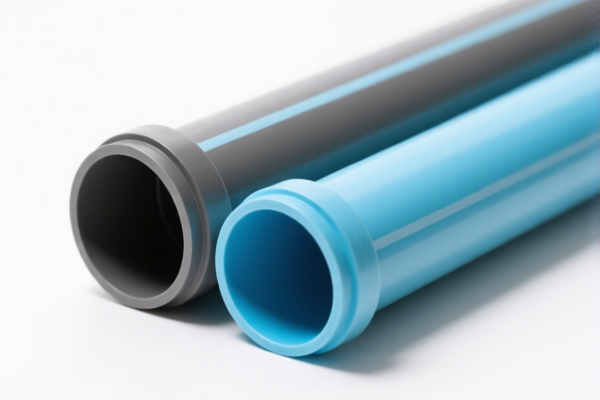
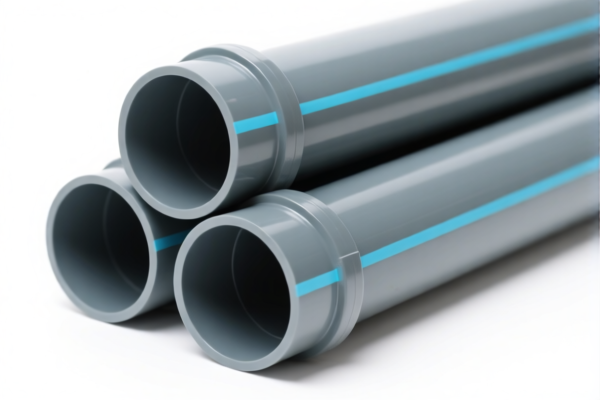
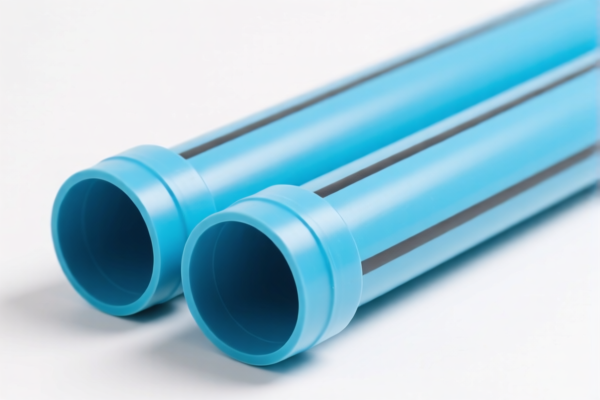

AI Analysis
🚰 PVC Sewage Pipe (PVC Sewage Pipe)
🌐 HS Code Reference & Clearance Guide | 2026 Latest Tariff Analysis | Professional Clearance Strategy
📌 I. Product Definition & Classification: Do You Really Know "PVC Sewage Pipe"?
PVC Sewage Pipes are critical components in municipal engineering, residential plumbing, and industrial wastewater systems. They are primarily made from Polyvinyl Chloride (PVC) resins. In international trade, these products are not treated uniformly. Their classification depends heavily on three factors: 1. Material Specificity: Is it explicitly "Polyvinyl Chloride" or a generic "Plastic"? 2. Form Factor: Is it a straight "Pipe/Tube" or a "Fitting/Accessory"? 3. Intended Use: Is it for drainage, pressure transmission, or general plumbing?
⚠️ Key Distinction Point:
- If the product is a straight pipe/tube made of PVC → It usually falls under Chapter 39.17 (Plastics Pipes & Fittings).
- If the product is a generic plastic pipe (not specified as PVC) or a complex accessory/fitting → It may fall under Chapter 39.26 (Other Plastic Articles) or specific sub-headings of 39.17 based on exact dimensions and rigidity.
- Crucial Note: In the provided data, "Sewage Pipe Joints/Connectors" are classified differently from "Sewage Pipes" due to their shape and function.
📦 II. HS Code Classification Details (2026 Latest Tariff Authority Comparison)
Based on the provided dataset, here are the precise HS Code mappings for PVC-related products:
| HS Code | Product Description (from Data) | Material | Form/Shape | Total Tax Rate | Key Tax Components |
|---|---|---|---|---|---|
3917.23.00.00 |
PVC Pipe, Material: Vinyl Chloride Polymer, Form: Pipes/Tubes | Vinyl Chloride Polymer | Pipes/Tubes | 38.1% | Base: 3.1% Section 301: 25.0% Section 122: 10% |
3917.32.00.10 |
PVC Pipe, Material: Polyvinyl Chloride, Form: Tube | Polyvinyl Chloride | Tube | 38.1% | Base: 3.1% Section 301: 25.0% Section 122: 10% |
3917.40.00.20 |
PVC Sewage Drain Pipe Connector (Joints), Material: PVC, Form: Fitting, Use: Drainage | Polyvinyl Chloride | Fittings (Joints) | 40.3% | Base: 5.3% Section 301: 25.0% Section 122: 10% |
3926.90.99.89 |
PVC Pipe, Material: Plastic (Generic), Form: Other Plastic Articles | Plastic (Generic) | Other Plastic Articles | 22.8% | Base: 5.3% Section 301: 7.5% Section 122: 10% |
3926.90.99.87 |
PVC Pipe, Material: Polyvinyl Chloride, Form: Rigid Pipe/Tube, Use: Undefined | Polyvinyl Chloride | Rigid Pipe/Tube | 22.8% | Base: 5.3% Section 301: 7.5% Section 122: 10% |
🔍 Critical Observation:
- Pipes (3917.23/3917.32) incur a higher Section 301 tariff (25%) compared to Generic/Other Plastics (3926.90) which incur only 7.5% Section 301.
- Fittings/Connectors (3917.40) have a higher Base Tariff (5.3%) compared to pipes (3.1%), leading to a total rate of 40.3%.
- "Generic Plastic" vs. "PVC": If the material is not explicitly identified as Polyvinyl Chloride in documentation, customs may classify it under 3926 (22.8% total), which is significantly cheaper than the standard PVC pipe classification (38.1%). However, this carries a high risk of audit if the material is visibly PVC.
💰 III. 2026 Latest Tariff Rate Breakdown (Including Surcharges & Policy Add-ons)
✅ Applicable Country: USA (US)
✅ Origin: China (CN)
✅ Effective Time: Post-November 2025 (Current Trade War Rates)
🎯 1. Standard PVC Pipes (3917.23.00.00 & 3917.32.00.10)
The most common classification for rigid PVC drainage pipes.
| Item | Detail |
|---|---|
| Base Tariff | 3.1% |
| Section 301 Tariff | +25.0% (USITC Footnote) |
| Section 122 Tariff | +10.0% (Trade Remedy) |
| Total Tax Rate | 38.1% |
| Calculation | CIF Value × 38.1% |
| De Minimis Exemption | ❌ Not Eligible (Section 301 tariffs apply to all entries) |
| Legal Basis | 3917 (Plastics Pipes) → Section 301 (25%) → Section 122 (10%) |
📌 Explanation:
- The 25% Section 301 tariff is the primary cost driver for Chinese PVC pipes entering the US.
- The 10% Section 122 tariff is an additional national security/trade remedy tariff.
- Total Impact: Nearly 40% of the product value is tax, severely impacting margins.
🎯 2. PVC Fittings/Joints (3917.40.00.20)
For elbows, tees, connectors used in sewage systems.
| Item | Detail |
|---|---|
| Base Tariff | 5.3% (Higher base than pipes) |
| Section 301 Tariff | +25.0% |
| Section 122 Tariff | +10.0% |
| Total Tax Rate | 40.3% |
| Calculation | CIF Value × 40.3% |
| De Minimis Exemption | ❌ Not Eligible |
| Legal Basis | 3917.40 (Plastic Fittings) → Section 301 (25%) → Section 122 (10%) |
📌 Note: Fittings are taxed slightly higher (40.3%) than straight pipes (38.1%) due to the higher base duty rate.
🎯 3. Generic/Other Plastic Pipes (3926.90.99.89 & 3926.90.99.87)
Used if material is not explicitly PVC or classified as "Other Plastic Articles".
| Item | Detail |
|---|---|
| Base Tariff | 5.3% |
| Section 301 Tariff | +7.5% (Lower Section 301 rate) |
| Section 122 Tariff | +10.0% |
| Total Tax Rate | 22.8% |
| Calculation | CIF Value × 22.8% |
| De Minimis Exemption | ❌ Not Eligible (Still subject to 122) |
| Legal Basis | 3926.90 (Other Plastic Articles) → Section 301 (7.5%) → Section 122 (10%) |
📌 Warning: This lower rate (22.8% vs 38.1%) is only applicable if the product does not qualify for the specific PVC pipe headings (3917). Misclassification is a serious compliance risk. If the product is clearly PVC, using 3926 may lead to customs penalties.
🛠️ IV. Clearance Practical Advice (Battle-Tested Pitfall Guide)
✅ 1. Required Documentation Checklist (Non-Negotiable)
| Document | Must Provide | Notes |
|---|---|---|
| ✅ Material Certificate | ✔️ | Must explicitly state "Polyvinyl Chloride (PVC)" or "PVC-U". Vague terms like "Plastic" may trigger 3926 classification but risk audits. |
| ✅ Product Specifications | ✔️ | Include diameter, wall thickness, pressure rating, and rigid/flexible status. |
| ✅ Detailed Product Name | ✔️ | Use specific terms: "Rigid PVC Sewage Pipe" vs. "PVC Pipe Fitting". |
| ✅ Commercial Invoice | ✔️ | Must match HS Code description exactly. |
| ✅ Packing List | ✔️ | Separate pipes from fittings if sold together to avoid mixed classification errors. |
| ✅ Country of Origin | ✔️ | Essential for applying Section 301 and 122 tariffs. |
✅ 2. Declaration Strategy (Key Rules)
🔥 "Classify by Material & Form, Don't Guess the Tax!"
| Scenario | Correct HS Code | Reason |
|---|---|---|
| Straight Rigid PVC Pipe | 3917.23.00.00 or 3917.32.00.10 |
Specific PVC pipe heading. High tax (38.1%). |
| PVC Elbow/Tee/Connector | 3917.40.00.20 |
Classified as "Fitting", not pipe. Highest tax (40.3%). |
| Unknown Plastic Pipe (Not PVC) | 3926.90.99.89 |
Generic plastic article. Lower tax (22.8%), but requires proof material is not PVC. |
| Rigid PVC Tube (Non-Drainage) | 3926.90.99.87 |
If not for drainage/pipe use, may fall under "Other". Lower tax (22.8%). |
⚠️ Critical Pitfall:
- Do NOT classify PVC pipes as "Other Plastic Articles" (3926) just to save 15% in taxes. US Customs (CBP) has strict rules on PVC identification. If the product is PVC, it must go through 3917.
- Do NOT mix pipes and fittings in one HS line item if they have different tariff rates. Declare separately.
✅ 3. Special Circumstances
| Situation | Advice |
|---|---|
| Export to USA | Budget for 38.1%-40.3% total duty. Factor this into pricing. |
| Material Substitution | If possible, use materials that do not fall under 3917 (e.g., certain composite plastics) to qualify for 3926 (22.8%), but ensure legal compliance. |
| Section 301 Exclusions | Check if your specific PVC product was ever granted a Section 301 exclusion. Most plumbing pipes are not excluded. |
🌍 V. Global Market Clearance Comparison (2026)
| Country/Region | Recommended HS Code | Est. Total Duty | Certification | Notes |
|---|---|---|---|---|
| 🇺🇸 USA | 3917.23.00.00 |
38.1% | FCC (Not Applicable), ASTM | High Tariff due to 301+122. |
| 🇨🇳 China | 3917.23.00.00 |
~3-6% | CCC (If applicable) | Low base tariff, no trade war surcharges. |
| 🇪🇺 EU | 3917.21.00 |
~4-6.5% | CE, REACH | No Section 301/122 equivalents. |
| 🇬🇧 UK | 3917.21.00 |
~4-6.5% | UKCA, REACH | Post-Brexit rules apply. |
📌 Conclusion:
- The USA is the most expensive market for PVC sewage pipes due to the combination of Base Duty + 25% Section 301 + 10% Section 122.
- European markets offer significantly lower duty rates (~4-6.5%).
- Strategy: If targeting the US, ensure precise classification to avoid penalties, but consider supply chain diversification to non-US origin if margins are thin.
📌 VI. Common Errors & Pitfall Guide (Lessons Learned)
❌ Error 1: Declaring PVC Pipes as "Plastic Parts" (3926) to save tax.
👉 Consequence: CBP audit → Back taxes + Penalties + Possible seizure.
💡 Fix: Prove material is NOT PVC if using 3926, or accept the 3917 rate.
❌ Error 2: Mixing Pipes and Fittings in one line item.
👉 Consequence: Wrong duty calculation (40.3% vs 38.1%) → Customs correction.
💡 Fix: Declare Pipes and Fittings on separate lines with correct HS codes.
❌ Error 3: Using vague descriptions like "Plastic Pipe".
👉 Consequence: Customs may assign highest default duty or request extensive documentation.
💡 Fix: Use precise descriptions: "Rigid PVC Sewage Pipe, 4-inch Diameter, ASTM D3034".
❌ Error 4: Ignoring Section 122 Tariff.
👉 Consequence: Underpayment of 10% → Delayed release.
💡 Fix: Always add 10% to the 25% Section 301 rate for Chinese PVC products.
✅ Correct Declaration Example:
"Rigid Polyvinyl Chloride (PVC) Sewage Pipe, ASTM D3034 Type T, 6-inch Diameter, Used for Non-Pressure Drainage, Origin: China"
🎯 VII. Conclusion: Precision Classification, Profit Preservation!
🎯 Key Takeaways:
🔹 PVC Pipes (3917): 38.1% Total Duty (3.1% Base + 25% Sec 301 + 10% Sec 122).
🔹 PVC Fittings (3917.40): 40.3% Total Duty (Highest in the set).
🔹 Generic Plastic (3926): 22.8% Total Duty (Only if NOT PVC).
🔹 US Market: High barriers. Plan for ~40% duty cost.
🔹 Compliance: Never misclassify PVC as generic plastic to evade tariffs. The risk outweighs the savings.
📌 Pro Tip:
If you are a large importer, consider applying for a CBP Ruling before shipping to confirm the exact HS Code. This provides legal certainty and protects against retroactive penalties.
📣 Action Item:
📞 Consult Customs Broker + Verify Material Composition + Calculate Landed Cost with 38.1% Duty.
🚀 Optimize Your Supply Chain to Maximize Profit in the US Market!
✨ Professional Clearance, Starts with Accurate Classification!
💼 Every Percent of Duty Saved is Pure Profit!
Customer Reviews
About HS Code Classification
The Harmonized System (HS) is an internationally standardized nomenclature developed by the World Customs Organization (WCO) to classify traded products. Over 200 countries use the HS system as the basis for customs tariffs, trade statistics, and import/export regulations.
Each HS code follows a hierarchical structure:
- Chapter (2 digits) — Broad category of goods (e.g., Chapter 84: Machinery and Mechanical Appliances)
- Heading (4 digits) — More specific grouping within the chapter
- Subheading (6 digits) — Internationally standardized breakdown, used by all WCO member countries
- National subdivisions (8-10 digits) — Country-specific extensions for further classification, such as US HTSUS 10-digit codes
Correct HS code classification is essential for smooth customs clearance, accurate duty payment, and compliance with trade regulations. Misclassification can lead to customs delays, overpayment of duties, or penalties.
When importing from CN to US, the applicable tariff rates may include:
- Most-Favored-Nation (MFN) rate — The standard duty rate applied to WTO members
- General rate — Applied to countries without trade agreements
- Trade remedy duties — Additional tariffs such as Section 301 (anti-dumping), Section 232 (national security), or countervailing duties
The information provided on this page is for reference purposes only. For official classification, please consult with your local customs authority or a licensed customs broker.