PVC Stone Grain Board
CN → US| HS Code | Tariff Rate | Origin | Destination | Doc |
|---|---|---|---|---|
| 3925900000 | 40.3% | CN | US | Official Doc |
| 3916200091 | 40.8% | CN | US | Official Doc |
| 9403993080 | 35.0% | CN | US | Official Doc |
| 3926305000 | 22.8% | CN | US | Official Doc |
| 3926903000 | 39.2% | CN | US | Official Doc |
Product Images
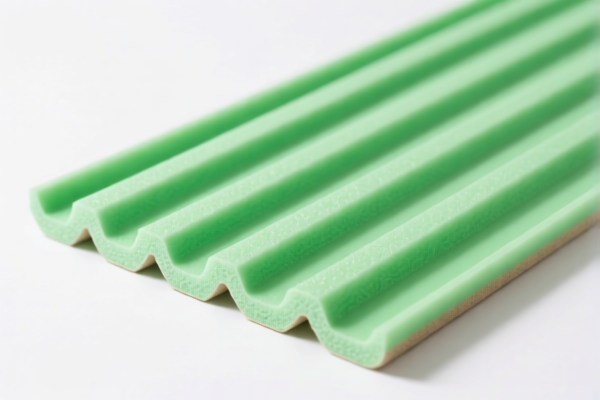
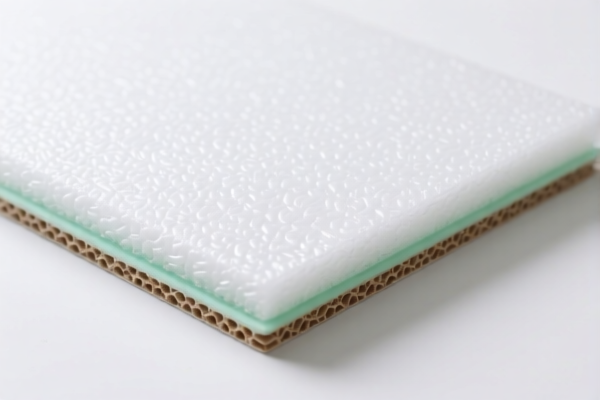
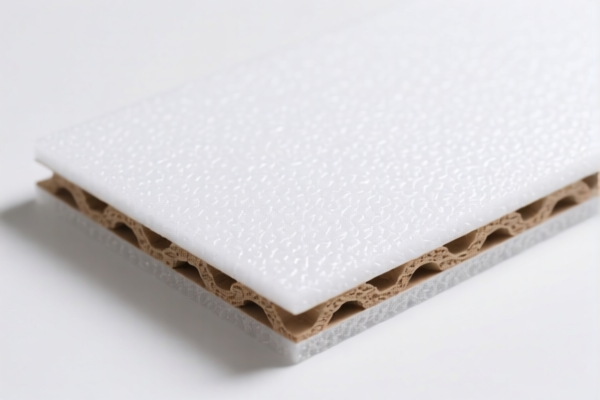

AI Analysis
🪨 PVC Stone Grain Board (PVC Stone-Effect Ceiling Panels / Profiles)
🌐 HS Code Reference & Customs Clearance Guide | 2026 Latest Tariff Analysis | Professional Entry Strategy
📌 Part 1: Product Definition & Classification: Do You Really Understand "PVC Stone Grain Board"?
PVC Stone Grain Board refers to architectural building components made primarily of PVC (Polyvinyl Chloride) plastics, designed to mimic the aesthetic of natural stone (marble, granite, etc.). They are used as interior decoration materials, specifically for ceilings or wall cladding.
In international trade, the classification depends heavily on two factors: 1. Form: Are they rigid boards/panels (flat sheets) or profiles/profiles (shaped extrusions like trim, molding, or grooved panels)? 2. Function: Are they general plastic products or considered parts of furniture/building structures?
⚠️ Key Distinction:
- If the product is a flat sheet/board used for ceiling installation → It generally falls under Chapter 39 (Plastics and Articles Thereof) as a plastic board.
- If the product is an extruded profile (e.g., U-channel, V-groove, or shaped trim) → It is classified as a plastic profile.
- If it is explicitly marketed as a furniture component (e.g., a cabinet door panel specifically sold as a spare part) → It might fall under Chapter 94 (Furniture), but this is less common for general building materials.
📦 Part 2: HS Code Classification Details (2026 Latest Tariff Authority Comparison)
Based on the provided data, here are the four possible HS Codes for "PVC Stone Grain Board" depending on its specific physical form and market description:
| HS Code | Product Description | Applicable Scenario | Form Factor |
|---|---|---|---|
3925.90.00.00 |
PVC Stone Grain Ceiling Board, PVC material, Board form | General ceiling panels, flat decorative boards | ✅ Board (Flat) |
3916.20.00.91 |
PVC Stone Grain Ceiling Board, Vinyl Chloride Polymer, Board form | Other vinyl chloride polymer profiles/boards | ✅ Board/Profile Hybrid |
3926.30.50.00 |
PVC Stone-Effect Profile, PVC Material, Profile form | Extruded trims, decorative molding, shaped profiles | ✅ Profile (Shaped) |
3926.90.30.00 |
PVC Stone-Effect Profile, PVC Material, Profile form | Other plastic articles/profiles not specified elsewhere | ✅ Profile (Shaped) |
9403.99.30.80 |
PVC Stone-Effect Profile, PVC Material, Profile form | Furniture parts or related structural components | ✅ Profile (Furniture Part) |
🔍 Key Reminder:
-3925vs3916: If it is a ceiling board,3925.90.00.00is the most direct fit for "boards" of plastic.3916.20.00.91is used if customs interprets the "board" as a specific type of vinyl chloride polymer profile. -3926(Plastic Articles): If the item is a shaped profile (not a flat board), it falls under3926.30.50.00or3926.90.30.00. -9403(Furniture Parts): Only use this if the item is explicitly sold as a part of furniture (e.g., a cabinet panel). Using this for general building materials (ceilings/walls) is high risk for misclassification.
💰 Part 3: 2026 Latest Tariff Rate Details (Including Surtaxes & Policy Add-ons)
✅ Applicable Country: USA (US)
✅ Origin: China (CN)
✅ Effective Date: 2025 November 10 onwards (including subsequent imports)
🎯 1. 3925.90.00.00 —— PVC Stone Grain Ceiling Board (Board Form)
| Item | Content |
|---|---|
| Base Tariff | 5.3% (ad valorem) |
| USITC Surcharge (Section 301) | +25.0% |
| IEEPA Surcharge (122 Clause) | +10.0% |
| Total Tax Rate | 40.3% |
| Tax Calculation | CIF Value × 40.3% |
| De Minimis Eligibility | ❌ Not Eligible (deny_de_minimis) |
| Legal Basis Path | IEEPA:122 → USITC:3925.90.00.00 → FOOTNOTE:301 |
📌 Explanation:
- Base 5.3%: Standard MFN tariff for plastic building articles.
- +25% Section 301: Standard USITC surcharge for Chinese goods in this category.
- +10% IEEPA 122: Specific surcharge under Section 122 (or similar IEEPA executive order) targeting specific Chinese imports.
- Total 40.3%: This is the lowest total tax rate among the board/profile options, making it the preferred classification if the product is strictly a flat ceiling board.
🎯 2. 3916.20.00.91 —— PVC Stone Grain Ceiling Board (Vinyl Chloride Polymer Board)
| Item | Content |
|---|---|
| Base Tariff | 5.8% |
| USITC Surcharge (Section 301) | +25.0% |
| IEEPA Surcharge (122 Clause) | +10.0% |
| Total Tax Rate | 40.8% |
| Tax Calculation | CIF Value × 40.8% |
| De Minimis Eligibility | ❌ Not Eligible |
| Legal Basis Path | IEEPA:122 → USITC:3916.20.00.91 → FOOTNOTE:301 |
📌 Note:
- Slightly higher base tariff (5.8% vs 5.3%) than3925.90.00.00.
- Total rate is 40.8%, which is 0.5% more expensive than3925.90.00.00.
- Use this only if customs insists that "boards" made of vinyl chloride polymers must be classified under Chapter 39, Heading 3916 (Profiles) rather than 3925 (Building Articles).
🎯 3. 3926.30.50.00 —— PVC Stone-Effect Profile (Profile Form)
| Item | Content |
|---|---|
| Base Tariff | 5.3% |
| USITC Surcharge (Section 301) | +7.5% |
| IEEPA Surcharge (122 Clause) | +10.0% |
| Total Tax Rate | 22.8% |
| Tax Calculation | CIF Value × 22.8% |
| De Minimis Eligibility | ❌ Not Eligible |
| Legal Basis Path | IEEPA:122 → USITC:3926.30.50.00 → FOOTNOTE:301 |
📌 Critical Advantage:
- Total Rate: 22.8% is significantly lower than the board classifications!
- Why? The Section 301 surcharge is only +7.5% instead of +25%.
- Strategy: If the product can be legally described as a "profile" (e.g., a shaped trim, molding, or grooved panel rather than a flat sheet), classify it here to save ~17.5% in taxes!
🎯 4. 3926.90.30.00 —— PVC Stone-Effect Profile (Other Plastic Articles)
| Item | Content |
|---|---|
| Base Tariff | 4.2% |
| USITC Surcharge (Section 301) | +25.0% |
| IEEPA Surcharge (122 Clause) | +10.0% |
| Total Tax Rate | 39.2% |
| Tax Calculation | CIF Value × 39.2% |
| De Minimis Eligibility | ❌ Not Eligible |
| Legal Basis Path | IEEPA:122 → USITC:3926.90.30.00 → FOOTNOTE:301 |
📌 Note:
- This is a "catch-all" for plastic articles not specified elsewhere.
- High surcharge (+25%) makes it expensive (39.2%).
- Only use if3926.30.50.00is rejected and the product is clearly not a board (3925).
🎯 5. 9403.99.30.80 —— PVC Stone-Effect Profile (Furniture Parts)
| Item | Content |
|---|---|
| Base Tariff | 0.0% |
| USITC Surcharge (Section 301) | +25.0% |
| IEEPA Surcharge (122 Clause) | +10.0% |
| Total Tax Rate | 35.0% |
| Tax Calculation | CIF Value × 35.0% |
| De Minimis Eligibility | ❌ Not Eligible |
| Legal Basis Path | IEEPA:122 → USITC:9403.99.30.80 → FOOTNOTE:301 |
📌 Warning:
- Base tariff is 0%, but surcharges bring it to 35.0%.
- Misclassification Risk: If you import ceiling panels but declare them as furniture parts, CBP may audit you, demand back taxes, and impose penalties.
- Only use if the goods are actually parts of furniture (e.g., cabinet doors, drawer fronts) and not building materials.
🛠️ Part 4: Customs Clearance Practical Advice (Real-World Pitfall Guide)
✅ 1. Preparation Checklist (Non-Negotiable)
| Document | Mandatory | Description |
|---|---|---|
| ✅ Product Specification Sheet | ✔️ | Must specify material (100% PVC or blend), dimensions, weight, and form (board vs. profile) |
| ✅ Product Photos | ✔️ | Clear images showing cross-section (to prove it's a profile or flat board) and installed view |
| ✅ Commercial Invoice | ✔️ | Must accurately describe the product as "PVC Stone Grain [Board/Profile/Ceiling Panel]" |
| ✅ Packing List | ✔️ | Include gross/net weight, number of pieces |
| ✅ Certification | ✔️ | If applicable: RoHS, REACH, or fire resistance certificates (important for building materials) |
✅ 2. Declaration Tips (Key Mantra)
🔥 “Profile Saves 17%, Board is 40%, Furniture is Risky!”
| Scenario | Correct Declaration | Wrong Approach |
|---|---|---|
| Flat Ceiling Sheet | 3925.90.00.00 (PVC Ceiling Board) |
Misdeclare as "Furniture Part" → 35% but high audit risk |
| Flat Ceiling Sheet | 3916.20.00.91 (If 3925 rejected) |
Use 3926.30.50.00 → Audit risk for misform |
| Shaped Trim/Molding | 3926.30.50.00 (PVC Profile) |
Declare as "Board" → 40.3% (Unnecessary cost) |
| Cabinet Panel | 9403.99.30.80 (Furniture Part) |
Declare as "Building Material" → May miss furniture-specific rules |
✅ 3. Special Case Handling
| Situation | Handling Advice |
|---|---|
| Is it a Board or Profile? | If the product has a cross-section (U-shape, V-groove, wavy), declare as Profile (3926.30.50.00) to save 17.5% in taxes. |
| OEM Custom Order | Provide the end-user contract. If the buyer is a furniture manufacturer, consider 9403.99.30.80 only if the goods are actually furniture parts. |
| Mixed Shipments | If a shipment contains both flat boards and trims, separate them in the invoice and declare under different HS Codes to optimize tax. |
| "Stone Grain" Appearance | Emphasize that it is PVC Plastic, not real stone. Customs may inspect for misdeclaration as stone products (which have different tariffs). |
🌍 Part 5: Global Market Comparison (2026 Latest)
| Country/Region | Recommended HS Code | Total Tariff (China Origin) | Notes |
|---|---|---|---|
| 🇺🇸 USA | 3926.30.50.00 (Profile) |
22.8% | Best Rate! Use "Profile" if possible. |
| 🇺🇸 USA | 3925.90.00.00 (Board) |
40.3% | Standard for flat ceiling boards. |
| 🇨🇳 China | 3925.90.00.00 |
~5-10% | Low import duty into China. |
| 🇪🇺 EU | 3925.90.00 |
~5-6% | No Section 301/IEEPA surcharges. |
| 🇬🇧 UK | 3925.90.00 |
~5-6% | No US-style surcharges. |
📌 Conclusion:
- USA is the most expensive market due to Section 301 and IEEPA surcharges.
- Tax Optimization Strategy: In the US, classify as "Profile" (3926.30.50.00) if the product shape allows it. This saves 17.5% compared to "Board" classification.
- Do NOT misdeclare ceiling boards as furniture parts unless they are genuinely furniture components, as this triggers high compliance risks.
📌 Part 6: Common Mistakes & Pitfall Guide (Lessons Learned)
❌ Mistake 1: Declaring all shapes as "Board" (3925.90.00.00)
👉 Result: Pay 40.3% tax when you could pay 22.8% by declaring as "Profile".
👉 Fix: Analyze the cross-section. If it's not flat, it's a profile.
❌ Mistake 2: Declaring ceiling panels as Furniture Parts (9403.99.30.80)
👉 Result: 35% tax, but high risk of CBP audit for misclassification. If caught, back taxes + penalties.
👉 Fix: Only use 9403 if the goods are clearly parts of furniture (e.g., cabinet doors) and not building materials.
❌ Mistake 3: Ignoring IEEPA 122 Clause
👉 Result: Underestimating total tax by 10%.
👉 Fix: Always add the +10% IEEPA surcharge to your cost calculation for US imports from China.
❌ Mistake 4: Using vague descriptions like "Plastic Decorative Panel"
👉 Result: CBP requests further info, delays clearance.
👉 Fix: Use precise terms: "PVC Stone Grain Ceiling Profile" or "PVC Decorative Board for Interior Ceiling".
✅ Correct Approach:
"PVC Stone Grain Ceiling Profile, 122mm x 10mm, Extruded, for Interior Wall/Ceiling Decoration, HS 3926.30.50.00"
🎯 Part 7: Conclusion: Precise Classification Saves Money!
🎯 Remember the Mantra:
🔹 "Profile is 22.8%, Board is 40.3%, Furniture is Risky, Shape Dictates Tax!"
🔹 "Don't let a flat board cost you 17.5% more—use Profile if possible!"
📌 Pro Tip:
If your product is shaped (even slightly grooved or molded), lean towards 3926.30.50.00.
If it is strictly flat, use 3925.90.00.00.
Always consult a customs broker for a Pre-Ruling if the product shape is ambiguous.
📣 Immediate Action:
📞 Contact your customs broker + Provide cross-section photos + Confirm product form
🚀 Optimize your HS Code to save 17.5% in US tariffs!
✨ Professional Customs Clearance Starts with Accurate Classification!
💼 Every Percent Saved is Pure Profit!
Customer Reviews
About HS Code Classification
The Harmonized System (HS) is an internationally standardized nomenclature developed by the World Customs Organization (WCO) to classify traded products. Over 200 countries use the HS system as the basis for customs tariffs, trade statistics, and import/export regulations.
Each HS code follows a hierarchical structure:
- Chapter (2 digits) — Broad category of goods (e.g., Chapter 84: Machinery and Mechanical Appliances)
- Heading (4 digits) — More specific grouping within the chapter
- Subheading (6 digits) — Internationally standardized breakdown, used by all WCO member countries
- National subdivisions (8-10 digits) — Country-specific extensions for further classification, such as US HTSUS 10-digit codes
Correct HS code classification is essential for smooth customs clearance, accurate duty payment, and compliance with trade regulations. Misclassification can lead to customs delays, overpayment of duties, or penalties.
When importing from CN to US, the applicable tariff rates may include:
- Most-Favored-Nation (MFN) rate — The standard duty rate applied to WTO members
- General rate — Applied to countries without trade agreements
- Trade remedy duties — Additional tariffs such as Section 301 (anti-dumping), Section 232 (national security), or countervailing duties
The information provided on this page is for reference purposes only. For official classification, please consult with your local customs authority or a licensed customs broker.