PVC Stone Grain Sheet
CN → US| HS Code | Tariff Rate | Origin | Destination | Doc |
|---|---|---|---|---|
| 3925900000 | 40.3% | CN | US | Official Doc |
| 3916200091 | 40.8% | CN | US | Official Doc |
| 3921121100 | 39.2% | CN | US | Official Doc |
| 3916200010 | 40.8% | CN | US | Official Doc |
| 3921125000 | 41.5% | CN | US | Official Doc |
Product Images
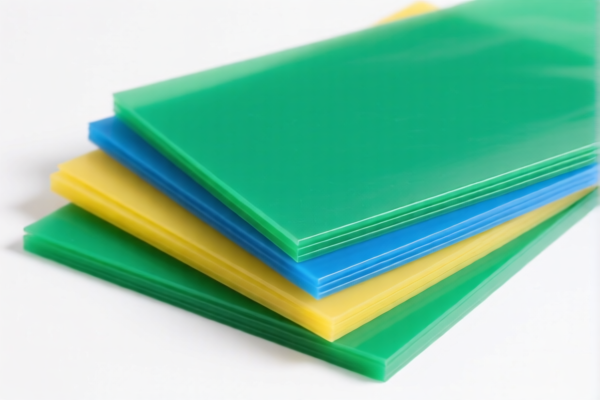
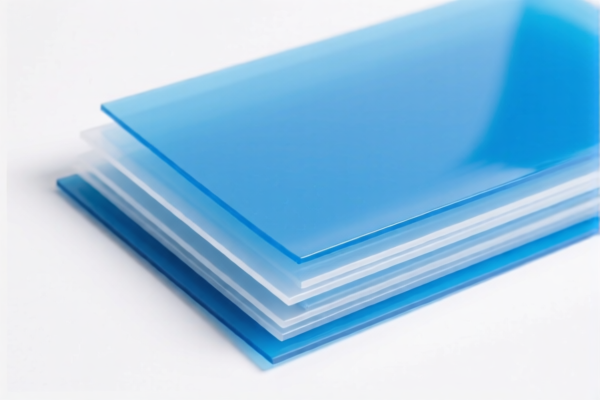
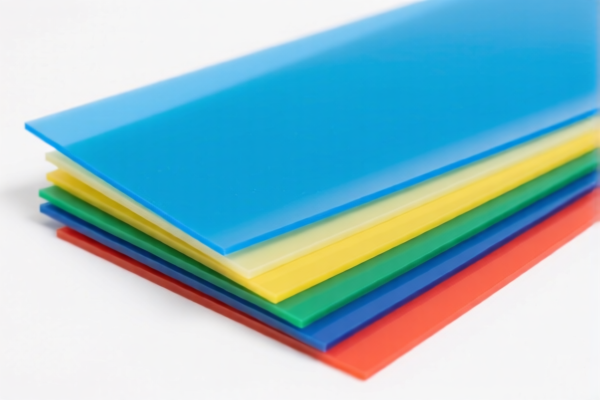
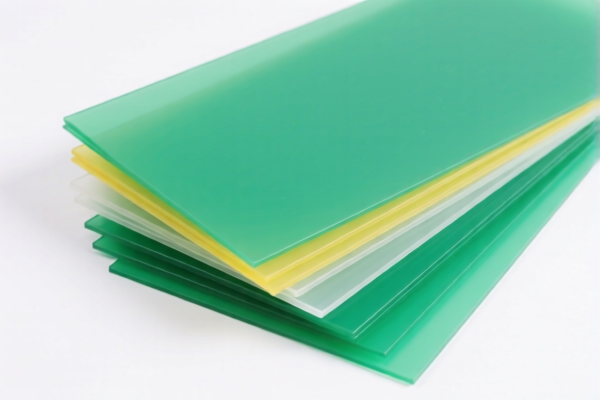
AI Analysis
🧱 PVC Stone Grain Sheet (PVC Ceiling Board / Decorative Panel)
🌐 HS Code Reference & Customs Clearance Guide | 2026 Latest Tariff Analysis | Professional Compliance Strategy
📌 I. Product Definition & Classification: Do You Truly Understand "PVC Stone Grain Sheet"?
PVC Stone Grain Sheet is a popular decorative building material used primarily for ceilings and wall cladding. It mimics the texture and appearance of natural stone or wood using PVC (Polyvinyl Chloride) technology. In international trade, its classification depends heavily on its physical form and structural composition.
The product is generally categorized into two main types:
1. Building Components/Profiles (Profiles & Boards):
Rigid sheets or profiles designed specifically for architectural construction (e.g., ceiling tiles, wall panels). These are often classified under Chapter 39, Heading 3916 or 3925.
2. Flat Sheets/Plates (Plates & Slabs):
Flat, rigid plastic sheets used as raw materials for further processing or direct installation as wall/ceiling coverings. These fall under Chapter 39, Heading 3921.
⚠️ Key Distinction Point:
- If the product is a pre-formed profile or specific building element (like a specific ceiling tile with locking mechanisms) → Often classified under 3925.90.00.00 (Building goods) or 3916 (Profiles).
- If the product is a flat sheet/plate used for general decoration or cutting → Often classified under 3921.12 (PVC Plates/Sheets).
- Crucial Note: Misclassification between "Building Component" (3925) and "General Plastic Plate" (3921) can lead to different duty base rates and scrutiny levels.
📦 II. HS Code Classification Details (Based on Provided Data)
| HS Code | Product Description | Application Scenario | Classification Logic |
|---|---|---|---|
3925.90.00.00 |
PVC Stone Grain Ceiling Board | Specific PVC building components; form: Board | Classified as a Plastic Building Component |
3916.20.00.91 |
PVC Stone Grain Ceiling Board | PVC profiles for construction; form: Plate | Classified as Polymer Profiles (Chlorinated) |
3921.12.11.00 |
PVC Stone Grain Ceiling Board | PVC plate/sheet; form: Sheet | Classified as Polyvinyl Chloride Polymer Plate/Sheet |
3916.20.00.10 |
PVC Stone Grain Ceiling Board | PVC profiles for construction | Classified as Chlorinated Polymer Profile for Building Decor |
3921.12.50.00 |
PVC Stone Grain Ceiling Board | Other PVC plates/sheets | Classified as Other PVC Plates/Sheets |
🔍 Critical Reminder:
- All these codes involve PVC (Polyvinyl Chloride).
- The difference lies in whether it is treated as a "Profile" (3916), a "Building Component" (3925), or a "General Plate/Sheet" (3921).
- All listed codes are subject to significant additional tariffs (US Section 301 & 122).
💰 III. 2026 Latest Tariff Rate Breakdown (Including Additional Taxes)
✅ Applicable Country: United States (US)
✅ Origin: China (CN)
✅ Effective Time: Current (Subject to 122 & Section 301 rules)
The total tax rate is calculated as: Base Tariff + Section 301 Tariff (25%) + Section 122 Tariff (10%).
🎯 1. 3925.90.00.00 —— Plastic Building Components (Ceiling Boards)
| Item | Content |
|---|---|
| Base Tariff | 5.3% |
| Section 301 Tariff | +25.0% |
| Section 122 Tariff | +10.0% |
| Total Tariff | 40.3% |
| Tax Calculation | CIF Value × 40.3% |
| De Minimis Exemption | ❌ Not Eligible |
| Legal Basis | HTSUS 3925.90.00.00 + Section 301 + Section 122 |
📌 Explanation:
- Base 5.3%: Standard MFN rate for other plastic building articles.
- +25%: Section 301 tariffs on Chinese goods.
- +10%: Section 122 tariffs (often applied to specific steel/aluminum/plastic components depending on current enforcement).
- Total 40.3%: High cost impact. Must be factored into landed cost.
🎯 2. 3916.20.00.91 & 3916.20.00.10 —— PVC Profiles (Construction/Decor)
| Item | Content |
|---|---|
| Base Tariff | 5.8% |
| Section 301 Tariff | +25.0% |
| Section 122 Tariff | +10.0% |
| Total Tariff | 40.8% |
| Tax Calculation | CIF Value × 40.8% |
| De Minimis Exemption | ❌ Not Eligible |
| Legal Basis | HTSUS 3916.20.00.xx + Section 301 + Section 122 |
📌 Explanation:
- Base 5.8%: Slightly higher base rate for polymer profiles.
- Total 40.8%: The highest base rate among the options.
- Usage: Use this if the product is strictly defined as a "profile" (extruded shape) rather than a flat sheet.
🎯 3. 3921.12.11.00 & 3921.12.50.00 —— PVC Plates/Sheets
| Item | Content |
|---|---|
| Base Tariff | 4.2% (3921.12.11.00) / 6.5% (3921.12.50.00) |
| Section 301 Tariff | +25.0% |
| Section 122 Tariff | +10.0% |
| Total Tariff | 39.2% (3921.12.11.00) / 41.5% (3921.12.50.00) |
| Tax Calculation | CIF Value × Total Rate |
| De Minimis Exemption | ❌ Not Eligible |
| Legal Basis | HTSUS 3921.12.xx.xx + Section 301 + Section 122 |
📌 Explanation:
-3921.12.11.00(39.2%): Best option if classified as a standard PVC polymer plate. Base rate is lowest (4.2%).
-3921.12.50.00(41.5%): Higher base rate (6.5%) for "other" PVC plates.
- Usage: Ideal if the product is a generic flat sheet used for cutting to size, rather than a pre-fabricated building element.
🛠️ IV. Customs Clearance Practical Advice (Real-World Pitfall Avoidance)
✅ 1. Document Preparation Checklist (Non-Negotiable)
| Document | Required | Notes |
|---|---|---|
| ✅ Product Specification Sheet | ✔️ | Must clearly state: Material (100% PVC or composite), Form (Sheet/Profile), Thickness, Dimensions. |
| ✅ Product Photos | ✔️ | Show front (stone grain texture), back, and cross-section to prove it is a sheet/profile, not a finished complex assembly. |
| ✅ Commercial Invoice | ✔️ | Must match HS Code description exactly (e.g., "PVC Plate for Decoration" vs. "Plastic Ceiling Component"). |
| ✅ Packing List | ✔️ | Clear itemization. Avoid mixing with unrelated items. |
| ✅ Certificate of Origin (CO) | ✔️ | Crucial for proving China origin (triggers tariffs). |
| ✅ Material Safety Data Sheet (MSDS) | ✔️ | Required for PVC products to confirm chemical composition. |
✅ 2. Declaration Tips (Key Mnemonic)
🔥 "Form Defines Code: Plate vs. Profile vs. Building Part!"
| Scenario | Correct Declaration | Common Mistake |
|---|---|---|
| Flat Sheet (Cut to size later) | 3921.12.11.00 (39.2%) |
Declaring as "Ceiling Tile" (3925) → Higher base rate? No, but risk of classification dispute. |
| Pre-formed Ceiling Tile (With locks) | 3925.90.00.00 (40.3%) |
Declaring as "PVC Sheet" → Risk of being reclassified as "Building Component" anyway. |
| Extruded Profile (L-shape, U-shape) | 3916.20.00.xx (40.8%) |
Declaring as "Sheet" →海关 may reject. |
| Stone Composite (PVC + Stone Powder) | Check composition | If >50% PVC, still likely PVC heading. If mixed with heavy mineral fillers, might change. |
📌 Note:
3921.12.11.00offers the lowest total tax (39.2%) but requires the product to be convincingly declared as a "Plate/Sheet" rather than a specific building component.
✅ 3. Special Situations Handling
| Situation | Advice |
|---|---|
| OEM/ODM Products | Ensure the invoice describes the generic material (PVC Plate) rather than a branded "Ceiling System" if aiming for 3921. |
| Sample Shipments | Even samples are subject to De Minimis rules? ❌ NO. PVC products from China are excluded from de minimis exemption for Section 301/122 tariffs. |
| Mixed Containers | If other goods with lower tariffs are in the same container, ensure clear separation to avoid cross-contamination of tariff rates. |
🌍 V. Global Market Comparison (2026 Updated)
| Country/Region | Recommended HS Code | Estimated Tariff (CN Origin) | Notes |
|---|---|---|---|
| 🇺🇸 USA | 3921.12.11.00 |
39.2% (Lowest of the 5) | Section 301 (25%) + Section 122 (10%) + Base (4.2%). High cost. |
| 🇨🇳 China | 3921.12.11.00 |
10-12% | No Section 301/122. Low import duty. |
| 🇪🇺 EU | 3921.12.00 |
6.5% | No Section 301/122. Standard MFN rate. |
| 🇬🇧 UK | 3921.12.00 |
6.5% | Post-Brexit tariffs apply. |
| 🇦🇺 Australia | 3921.12.00 |
5% | FTA considerations may apply. |
📌 Conclusion:
- The USA imposes very high additional tariffs on PVC stone grain sheets from China.
- The EU and other major markets have significantly lower tariffs.
- Cost Advantage: If selling to the US, consider transshipment (subject to strict rules) or supply chain relocation to Vietnam/Mexico to avoid Section 301/122 tariffs.
📌 VI. Common Errors & Pitfalls (Lessons Learned)
❌ Error 1: Declaring "PVC Ceiling Board" as 3921.12.11.00 without proper documentation.
👉 Consequence: Customs may reclassify as 3925.90.00.00 (40.3%) due to "building component" status, causing delays and potential penalties.
✅ Fix: Provide clear technical specs showing it is a generic sheet.
❌ Error 2: Ignoring Section 122 Tariffs.
👉 Consequence: Underpayment by 10%.
✅ Fix: Always include Section 122 in cost calculations for US-bound PVC goods.
❌ Error 3: Claiming "De Minimis" for small shipments.
👉 Consequence: Seizure or forced payment + fines.
✅ Fix: PVC products from China are never de minimis exempt for these tariffs.
❌ Error 4: Misidentifying Material.
👉 Consequence: If it's not 100% PVC (e.g., PE or PP), the code changes entirely.
✅ Fix: Verify material composition with the factory.
🎯 VII. Conclusion: Professional Declaration, Cost Optimization!
🎯 Remember the Rule:
🔹 "Sheet = 3921 (39.2%); Profile = 3916 (40.8%); Component = 3925 (40.3%)."
🔹 "US Market = High Tariffs (39-42%); EU/China = Low Tariffs (6-12%)."
🔹 "Section 301 + 122 = 35% Add-on. Plan Accordingly!"
📌 Pro Tip:
If your product is exclusively a flat sheet with no specific building-locking features, 3921.12.11.00 is your best option for the US market (39.2% total).
For other markets, 3921.12.00 is widely accepted with low tariffs.
📣 Immediate Action:
📞 Consult with a licensed customs broker to review your Product Technical Data Sheet.
🚀 Optimize Your HS Code to ensure compliance and minimize tax liability.
✨ Precision in Classification Saves Money!
💼 Every percentage point matters in global trade.
Customer Reviews
About HS Code Classification
The Harmonized System (HS) is an internationally standardized nomenclature developed by the World Customs Organization (WCO) to classify traded products. Over 200 countries use the HS system as the basis for customs tariffs, trade statistics, and import/export regulations.
Each HS code follows a hierarchical structure:
- Chapter (2 digits) — Broad category of goods (e.g., Chapter 84: Machinery and Mechanical Appliances)
- Heading (4 digits) — More specific grouping within the chapter
- Subheading (6 digits) — Internationally standardized breakdown, used by all WCO member countries
- National subdivisions (8-10 digits) — Country-specific extensions for further classification, such as US HTSUS 10-digit codes
Correct HS code classification is essential for smooth customs clearance, accurate duty payment, and compliance with trade regulations. Misclassification can lead to customs delays, overpayment of duties, or penalties.
When importing from CN to US, the applicable tariff rates may include:
- Most-Favored-Nation (MFN) rate — The standard duty rate applied to WTO members
- General rate — Applied to countries without trade agreements
- Trade remedy duties — Additional tariffs such as Section 301 (anti-dumping), Section 232 (national security), or countervailing duties
The information provided on this page is for reference purposes only. For official classification, please consult with your local customs authority or a licensed customs broker.