PVC Sunshade
CN → US| HS Code | Tariff Rate | Origin | Destination | Doc |
|---|---|---|---|---|
| 6303922030 | 28.8% | CN | US | Official Doc |
| 6303922010 | 28.8% | CN | US | Official Doc |
| 3926206000 | 35.0% | CN | US | Official Doc |
| 5903102010 | 35.0% | CN | US | Official Doc |
| 5903102090 | 35.0% | CN | US | Official Doc |
Product Images
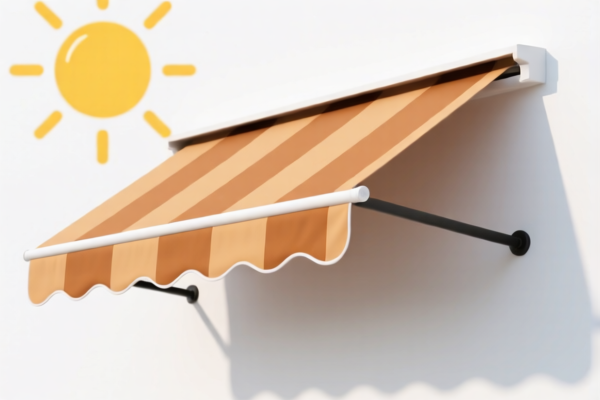
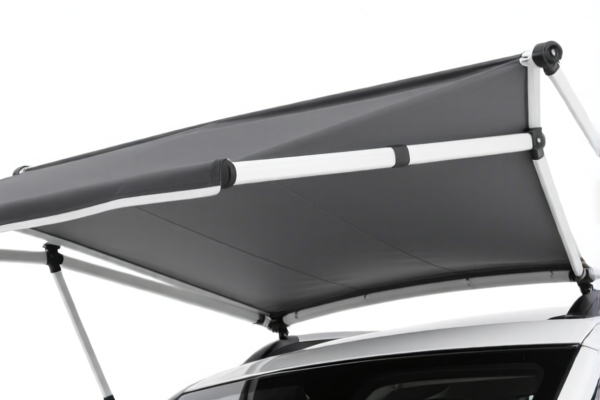
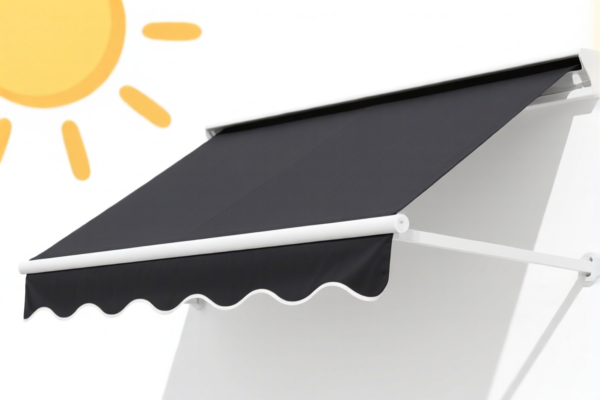
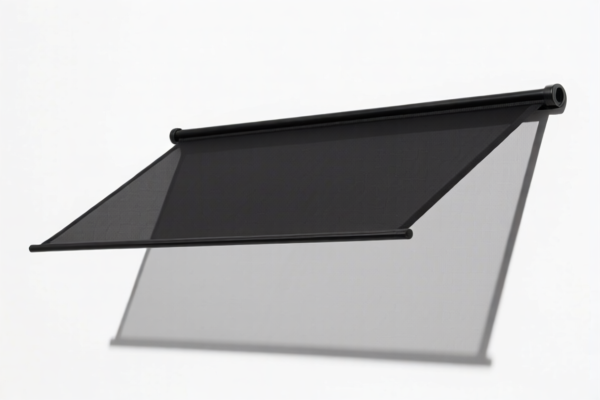
AI Analysis
🏜️ PVC Sunshade (PVC Shading Fabric/Curtain)
🌐 HS Code Reference & Customs Clearance Guide | 2026 Latest Tariff Analysis | Strategic Import Strategy for US Market
📌 Part 1: Product Definition & Classification: What Exactly is a "PVC Sunshade"?
A PVC Sunshade is a versatile shading solution made primarily from Polyvinyl Chloride (PVC) coated or impregnated textiles. It is widely used in agriculture (greenhouses), outdoor architecture (awnings, pergolas), and interior decoration (blackout curtains).
In international trade, the classification depends heavily on material composition and manufacturing process:
1. Textile-Based (Coated/Irrigated):
If the base is a fabric (textile) that has been impregnated, covered, or coated with PVC, it falls under Chapter 59. This is the most common classification for flexible sunshade fabrics used in construction or agriculture.
2. Finished Textile Article:
If the product is a finished curtain or blind made from synthetic fibers (where PVC is considered part of the synthetic fiber category in broader terms or if the PVC layer is minimal/secondary to the textile structure), it may fall under Chapter 63.
3. Plastic Article:
If the product is purely plastic film or rigid plastic sheeting without a textile base, it falls under Chapter 39.
⚠️ Critical Distinction Point:
- If the product is a fabric coated with PVC → Chapter 59 (Most likely for industrial/agricultural sunshades).
- If the product is a finished curtain/veil made of synthetic materials → Chapter 63.
- If the product is a pure plastic sheet/film → Chapter 39.
- Misclassification Risk: Declaring a coated fabric as a "plastic sheet" (Ch 39) or a "finished curtain" (Ch 63) when it belongs in Ch 59 can lead to duty discrepancies and customs delays.
📦 Part 2: HS Code Classification Matrix (2026 Latest Tariff Alignment)
Based on the provided data, here are the four primary classification paths for PVC Sunshades importing into the US from China:
| HS Code | Product Description & Logic | Key Attributes |
|---|---|---|
5903.10.20.10 |
Coated Textile: Fabric impregnated/covered with PVC. Matches material "PVC" and form "Sunshade". | ✅ Base: Textile + PVC Coating ✅ Usage: Sunshade/Awning |
5903.10.20.90 |
Other Impregnated/Coated Products: Falls under "Impregnated or coated textile/film products." Matches material "PVC" and form "Sunshade". | ✅ Base: Textile/Film + PVC ✅ General Category for Coated Materials |
6303.92.20.30 |
Synthetic Fiber Article: Finished sunshade made of synthetic fibers. Matches "PVC" (classified as synthetic/plastic fiber logic) and usage "Sunshade". | ✅ Base: Synthetic Fabric ✅ Finished Good: Curtain/Blind |
6303.92.20.10 |
Curtain/Window Blind: Finished sunshade/curtain made of synthetic materials. Matches form "Sunshade" and usage "Curtain". | ✅ Base: Synthetic Material ✅ End Use: Window Covering |
3926.20.60.00 |
Other Plastic Article: Made of PVC. Matches material "PVC" and form "Sunshade" (if treated as a pure plastic good, not coated textile). | ✅ Base: Pure Plastic/PVC ✅ Note: Less common for fabric-based sunshades |
🔍 Important Note:
- Ch 59 Codes are typically for coated fabrics used in technical applications (awnings, greenhouses).
- Ch 63 Codes are typically for finished home goods (interior curtains, blackout blinds).
- Ch 39 Code is for plastic parts/films, rarely for flexible fabric sunshades unless it's a solid plastic sheet.
💰 Part 3: 2026 Detailed Tariff Structure (Including Additional Duties)
✅ Destination: United States (US)
✅ Origin: China (CN)
✅ Effective Time: Current Trade Policy (2026)
🎯 1. Chapter 59 Group (5903.10.20.10 / 5903.10.20.90)
Best for: PVC-coated technical fabrics, awnings, greenhouse covers.
| Item | Detail |
|---|---|
| Base Tariff | 0.0% |
| Section 301 Duty | +25.0% (Additional Tariff) |
| Section 122 Duty | +10.0% (Specific Import Provision) |
| Total Tariff Rate | 35.0% |
| De Minimis Exemption? | ❌ NO (High-duty goods usually exclude small parcel exemptions depending on specific IEEPA rules) |
| Legal Basis Path | Section 301 → Section 122 → HS 5903 |
📌 Explanation:
- The 0% base rate reflects the general MFN rate for coated textiles.
- The 25% Section 301 tariff is the standard additional duty on Chinese goods.
- The 10% Section 122 tariff is a specific levy applied to these coated fabric categories.
- Total Cost Impact: For every $10,000 of CIF value, you pay $3,500 in duties.
🎯 2. Chapter 63 Group (6303.92.20.10 / 6303.92.20.30)
Best for: Finished interior curtains, blackout blinds, home decor.
| Item | Detail |
|---|---|
| Base Tariff | 11.3% |
| Section 301 Duty | +7.5% (Partial Additional Tariff) |
| Section 122 Duty | +10.0% (Specific Import Provision) |
| Total Tariff Rate | 28.8% |
| De Minimis Exemption? | ❌ NO |
| Legal Basis Path | Section 301 (Partial) → Section 122 → HS 6303 |
📌 Explanation:
- Finished textile articles generally have a higher base rate (11.3%) than coated raw fabrics.
- However, the Section 301 duty is reduced to 7.5% (some final rounds excluded certain consumer textiles, though verification is key).
- Total Cost Impact: For every $10,000 of CIF value, you pay $2,880 in duties.
- Savings: Compared to Ch 59, you save 6.2% in total duties.
🎯 3. Chapter 39 Group (3926.20.60.00)
Best for: Pure plastic sunshade sheets, rigid PVC structures.
| Item | Detail |
|---|---|
| Base Tariff | 0.0% |
| Section 301 Duty | +25.0% |
| Section 122 Duty | +10.0% |
| Total Tariff Rate | 35.0% |
| De Minimis Exemption? | ❌ NO |
| Legal Basis Path | Section 301 → Section 122 → HS 3926 |
📌 Explanation:
- Identical tax burden to Chapter 59 (35.0%).
- Only use this if the product is NOT textile-based. Using this for a fabric sunshade is a classification error.
🛠️ Part 4: Customs Clearance Practical Advice (Avoiding Pitfalls)
✅ 1. Preparation Checklist (Mandatory Documents)
| Document | Required? | Purpose |
|---|---|---|
| ✅ Product Specification Sheet | ✔️ | Must detail: Material (100% PVC coated polyester?), Weight (gsm), UV resistance, Colorfastness. |
| ✅ Composition Statement | ✔️ | Clearly state: "100% PVC Coated Polyester Fabric" (for Ch 59) vs "Synthetic Fiber Curtain" (for Ch 63). |
| ✅ Product Photos | ✔️ | Show texture (fabric weave visible?), finish (glossy/matte?), and any hardware (grommets, poles). |
| ✅ Commercial Invoice | ✔️ | Describe item as "PVC Coated Shading Fabric" or "Synthetic Window Blind," NOT just "Sunshade." |
| ✅ Packing List | ✔️ | Indicate if shipped rolled (fabric) or folded/assembled (finished blind). |
✅ 2. Strategic Classification Tips (Key Mnemonics)
🔥 "Coated Textile = Ch 59; Finished Curtain = Ch 63; Pure Plastic = Ch 39"
| Scenario | Recommended HS Code | Duty Rate | Why? |
|---|---|---|---|
| Rolls of Fabric for making awnings/greenhouses | 5903.10.20.xx |
35.0% | It is a coated textile, not a finished good. |
| Finished Interior Blinds for home windows | 6303.92.20.xx |
28.8% | It is a finished textile article. Lower base tariff helps. |
| Solid Plastic Sheet for industrial roofing | 3926.20.60.00 |
35.0% | No textile base. Pure plastic. |
🚨 Warning:
- Do NOT declare a finished curtain as "PVC Coated Fabric" to avoid the 11.3% base rate. Customs may reject it if the product is clearly a finished curtain with rods/hardware.
- Do NOT declare a technical awning fabric as a "Curtain." If it lacks curtain-specific features (lining, stitching, rings), it will be classified as Ch 59 (35% duty).
✅ 3. Special Circumstances & Mitigation
| Situation | Recommendation |
|---|---|
| Mixed Materials (e.g., PVC + Aluminum Frame) | Declare the main material (PVC fabric) as primary. Aluminum parts may be declared separately or included depending on "Essential Character" rules. |
| Sample Imports | Even small samples are subject to duty if they are high-value or commercially significant. Do not rely on "de minimis" for high-duty goods. |
| Origin Labeling | Ensure "Made in China" is clearly marked on the product and packaging. Failure can result in penalties. |
🌍 Part 5: Global Market Comparison (2026 Snapshot)
| Market | Recommended HS Code | Estimated Duty (China Origin) | Key Certification |
|---|---|---|---|
| 🇺🇸 USA | 5903.10.20.10 / 6303.92.20.30 |
28.8% – 35.0% | None specific, but commercial compliance required |
| 🇪🇺 EU | 5903.10 / 6303.99 |
~0% - 4% (MFN) | REACH (Chemical compliance), Fire Retardancy certs |
| 🇨🇳 China (Export) | 5903.10 / 6303.99 |
0% - 9.0% (Export Duty may apply) | None usually required for export |
| 🇬🇧 UK | 5903.10 / 6303.99 |
~0% - 4% | UKCA Mark (if applicable) |
📌 Conclusion:
- The US is the most expensive market for PVC Sunshades due to Section 301 and Section 122 tariffs.
- Cost Saving Strategy: If the product can be technically classified as a finished curtain (Ch 63), you save 6.2% in duties compared to classified as coated fabric (Ch 59).
- Ensure your product description matches the classification to avoid audits.
📌 Part 6: Common Mistakes & Pitfalls (Lessons Learned)
❌ Mistake 1: Using generic terms like "Sunshade" on the Invoice.
👉 Result: Customs assigns the highest default rate or requests detailed analysis → Delay + Storage Fees.
✅ Fix: Use specific terms: "PVC Coated Polyester Fabric" or "Synthetic Blackout Curtain."
❌ Mistake 2: Confusing "Coated Fabric" with "Plastic Sheet."
👉 Result: If it’s a fabric, Ch 39 (Plastic) is wrong. If it’s plastic, Ch 59 (Textile) is wrong.
✅ Fix: Check for visible textile weave. If yes → Ch 59/63. If no → Ch 39.
❌ Mistake 3: Ignoring Section 122 Duties.
👉 Result: Budgeting only for the 25% Section 301 tariff, but forgetting the additional 10%.
✅ Fix: Always calculate Total Tax = Base + 301 + 122.
🎯 Part 7: Conclusion: Precision in Classification Saves Money!
🎯 Remember the Rule of Thumb:
🔹 "Fabric + PVC Coating = 35% Duty (Ch 59)"
🔹 "Finished Synthetic Curtain = 28.8% Duty (Ch 63)"
🔹 "Pure Plastic Sheet = 35% Duty (Ch 39)"📌 Pro Tip:
If you are selling interior home goods, aim for Ch 63 classification to save 6.2%.
If you are selling technical/agricultural materials, expect Ch 59 at 35%.
Always request a Pre-Ruling from CBP if the product structure is ambiguous!
📣 Immediate Action:
📞 Contact your Customs Broker with your Product Photos and Material Composition Sheet.
🚀 Optimize your Supply Chain: Consider if re-packaging or minor design changes (e.g., adding curtain hardware) can shift classification to the lower-duty Ch 63 category.
✨ Accurate Classification is the First Step to Profitable Trade!
💼 Every percentage point matters in the 2026 Trade War Landscape!
Customer Reviews
About HS Code Classification
The Harmonized System (HS) is an internationally standardized nomenclature developed by the World Customs Organization (WCO) to classify traded products. Over 200 countries use the HS system as the basis for customs tariffs, trade statistics, and import/export regulations.
Each HS code follows a hierarchical structure:
- Chapter (2 digits) — Broad category of goods (e.g., Chapter 84: Machinery and Mechanical Appliances)
- Heading (4 digits) — More specific grouping within the chapter
- Subheading (6 digits) — Internationally standardized breakdown, used by all WCO member countries
- National subdivisions (8-10 digits) — Country-specific extensions for further classification, such as US HTSUS 10-digit codes
Correct HS code classification is essential for smooth customs clearance, accurate duty payment, and compliance with trade regulations. Misclassification can lead to customs delays, overpayment of duties, or penalties.
When importing from CN to US, the applicable tariff rates may include:
- Most-Favored-Nation (MFN) rate — The standard duty rate applied to WTO members
- General rate — Applied to countries without trade agreements
- Trade remedy duties — Additional tariffs such as Section 301 (anti-dumping), Section 232 (national security), or countervailing duties
The information provided on this page is for reference purposes only. For official classification, please consult with your local customs authority or a licensed customs broker.