PVC Sunshade Fabric
CN → US| HS Code | Tariff Rate | Origin | Destination | Doc |
|---|---|---|---|---|
| 6303922030 | 28.8% | CN | US | Official Doc |
| 6303922010 | 28.8% | CN | US | Official Doc |
| 3926206000 | 35.0% | CN | US | Official Doc |
| 5903102010 | 35.0% | CN | US | Official Doc |
| 5903102090 | 35.0% | CN | US | Official Doc |
Product Images
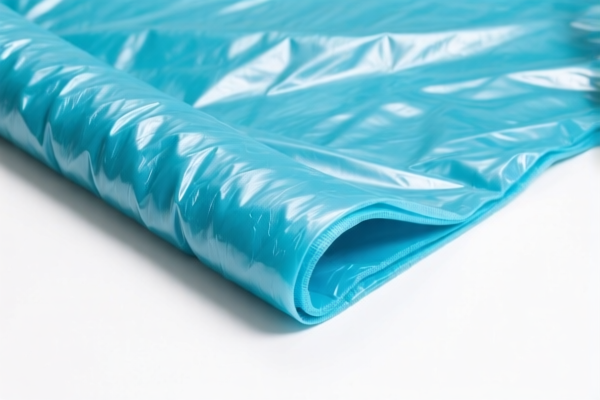
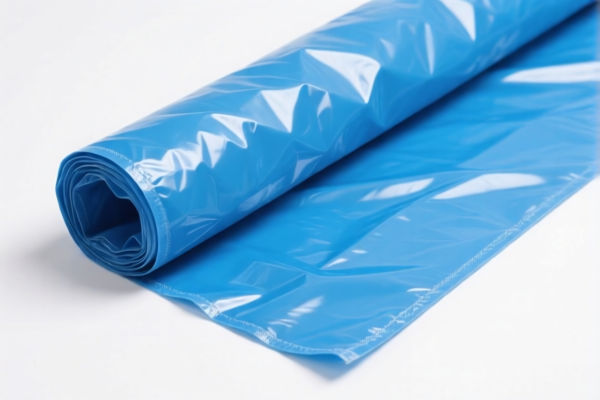
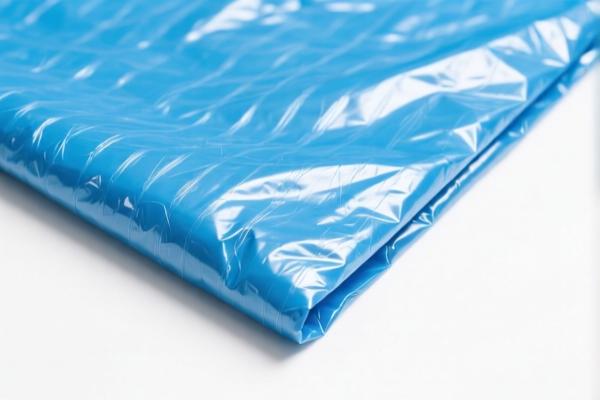
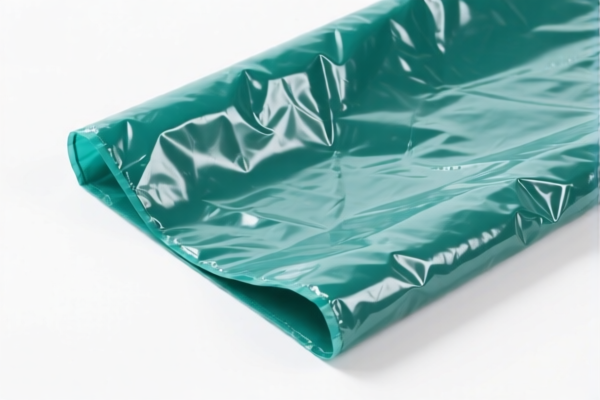
AI Analysis
🌞 PVC Sunshade Fabric: HS Code Classification & Customs Clearance Guide (2026 Update)
🌐 HS Code Reference & Customs Strategy | Complete Tariff Breakdown | Professional Import Guidelines
📌 I. Product Definition: What is "PVC Sunshade Fabric"?
PVC Sunshade Fabric is a specialized textile product used primarily for outdoor shading, garden covers, awnings, and temporary structures. In international trade, it is a hybrid product combining textiles with plastics.
Core Characteristics: * Material: Polyester mesh or fabric base coated/laminated with Polyvinyl Chloride (PVC). * Function: Light filtration, UV protection, weather resistance. * Key Classification Conflict: Is it a Textile (Chapter 63) or a Plastic Product (Chapter 39/59)? This distinction drastically changes the tariff burden.
⚠️ Critical Distinction: - If classified as a "Tent/Awning" (Textile end-use) → HS 6303 (Lower Base Tariff) - If classified as a "Plastic Sheet/Coated Fabric" (Material composition) → HS 5903/3926 (Higher Base Tariff)
📦 II. HS Code Classification Matrix (2026 Latest Tariff Schedule)
The following HS Codes are derived directly from the provided data context. Note the significant disparity in total tax rates based on classification logic.
| HS Code | Product Description | Classification Logic | Total Tax Rate |
|---|---|---|---|
6303.92.20.30 |
PVC Sunshade Curtain/Shade Cloth | Classified as Textile Articles (Tents/Awnings). Fits the logic of "Made of synthetic fibers." | 28.8% |
6303.92.20.10 |
PVC Sunshade Curtain/Shade Cloth | Classified as Textile Articles. Form/Use is consistent with curtains/valances. | 28.8% |
3926.20.60.00 |
PVC Sunshade Fabric | Classified as Plastic Articles. No material conflict; treated as a plastic good. | 35.0% |
5903.10.20.10 |
PVC-Coated Textile | Classified as Textiles Coated with Plastic. Category: "Textiles impregnated/coated with plastics." | 35.0% |
5903.10.20.90 |
PVC-Coated Textile | Classified as Textiles Coated with Plastic. Category: "Other textiles/film products impregnated/coated." | 35.0% |
🔍 Analysis of the "Tax Gap": - Textile Logic (6303): Total Tax 28.8% - Plastic/Coated Logic (3926/5903): Total Tax 35.0% - Difference: 6.2% higher tax if misclassified as plastic articles.
💰 III. 2026 Tariff Rate Detailed Breakdown
✅ Applicable Country: United States (US)
✅ Origin: China (CN)
✅ Effective Date: Post-November 2025 (Current Trade Policy)
🎯 1. Textile Classification Path (6303.92.20.30 / 6303.92.20.10)
Preferred for cost-efficiency if the product is explicitly sold as an "Awning" or "Shade Curtain."
| Component | Rate | Legal Basis / Description |
|---|---|---|
| Base Tariff | 11.3% | General Import Duty for Textile Articles (Tents/Awnings). |
| Section 301 Tariff | +7.5% | Additional duties imposed on Chinese goods under Trade Act Section 301. |
| Section 122 Tariff | +10% | Specific duty provision applicable to this category (referenced in data). |
| TOTAL EFFECTIVE RATE | 28.8% | Sum of Base + Section 301 + Section 122. |
📌 Explanation: - This path leverages the "End-Use" principle. Because the product functions as a shade curtain or awning, it falls under Chapter 63. - The Section 301 rate is only 7.5% here (compared to higher rates in other categories), making this the optimal classification for cost savings.
🎯 2. Plastic/Coated Textile Classification Path (3926.20.60.00 / 5903.10.20.10 / 5903.10.20.90)
Higher cost alternative. Applies if customs views the item primarily as a "Plastic Sheet" or "Industrial Coated Fabric."
| Component | Rate | Legal Basis / Description |
|---|---|---|
| Base Tariff | 0.0% | Plastic Articles (3926) or Coated Textiles (5903) often have lower base duties. |
| Section 301 Tariff | +25.0% | Standard additional duty for many plastic and coated textile goods from China. |
| Section 122 Tariff | +10% | Specific duty provision applicable to this category. |
| TOTAL EFFECTIVE RATE | 35.0% | Sum of Base + Section 301 + Section 122. |
📌 Explanation: - While the Base Tariff is 0%, the Section 301 tariff jumps to 25%. - The higher surcharge outweighs the base tariff savings, resulting in a 6.2% higher total cost compared to the 6303 classification. -
5903applies to "Textiles impregnated, coated, covered or laminated with plastics." -3926applies to "Other articles of plastics."
🛠️ IV. Customs Clearance Operational Advice (Avoiding Pitfalls)
✅ 1. Critical Documentation Checklist
| Document | Requirement | Purpose |
|---|---|---|
| Product Specification Sheet | ✔️ Must State: "PVC Coated Polyester Mesh," "Sunshade/Awning Use." | Proves End-Use (supports 6303) vs. Raw Material (supports 5903/3926). |
| Commercial Invoice | ✔️ Clear Description: "PVC Sunshade Curtain" or "Outdoor Awning Fabric." | Avoid generic terms like "Plastic Sheet" which trigger 3926/5903. |
| Composition Label | ✔️ Specify % of PVC vs. Polyester. | Helps customs determine if it qualifies as "Textile Coated with Plastic" (5903) or "Textile Article" (6303). |
| HS Code Pre-Ruling (Optional) | ✔️ Strongly Recommended. | Secure advance confirmation to lock in the 28.8% rate. |
✅ 2. Declaration Strategy: The "End-Use" Argument
🔥 Key Mantra: "Define by Function, Not Just Material!"
| Scenario | Recommended HS Code | Reasoning | Risk if Misclassified |
|---|---|---|---|
| Sold as finished awnings/shades | 6303.92.20.30 / .10 |
Item is ready for use as a sunshade. Functional classification prevails. | Paying 35% instead of 28.8%. |
| Sold as raw fabric rolls for manufacturing | 5903.10.20.10 / .90 |
If the buyer is a manufacturer who will sew their own tents. | Customs may still classify as 6303 if "commonly recognized" as shade cloth, but 5903 is safer for raw rolls. |
| Thin PVC plastic film (no textile mesh) | 3926.20.60.00 |
No textile base; purely plastic. | If it has a mesh, do NOT use this code. |
✅ 3. Special Notes on "Section 122" and "Section 301"
- Section 301 Variance: Note that Section 301 rates vary by HS Code.
- For
6303(Textiles): 7.5% - For
5903/3926(Plastics/Coated Textiles): 25% - This 17.5% differential is the primary driver for choosing the correct HS code.
- For
- Section 122: Both categories carry a +10% surcharge. This is consistent across the data provided.
🌍 V. Market Comparison & Impact
| Market | Recommended HS Code | Total Tax Rate | Strategy |
|---|---|---|---|
| 🇺🇸 USA | 6303.92.20.30 / .10 |
28.8% | Best Option. Minimizes Section 301 impact. |
| 🇺🇸 USA (Alternative) | 5903.10.20.10 / .90 |
35.0% | Accept only if product is raw coated fabric rolls, not finished shades. |
| 🇪🇺 EU | 6306.29 (General) |
Varies (Often 4-12%) | EU does not have Section 301/122 equivalents. VAT applies separately. |
| 🇨🇳 China | 6306.29 |
Low (~4-7%) | Export market has different duties; focus on US import strategy above. |
📌 Conclusion for US Importers: Always attempt to classify PVC Sunshade Fabric under HS 6303 if it is marketed or used as a curtain, awning, or sunshade. This leverages the lower 7.5% Section 301 rate instead of the punitive 25% rate.
📌 VI. Common Errors & "Blood Lessons"
❌ Error 1: Describing the item generically as "PVC Coated Fabric." 👉 Consequence: Customs officer may default to 5903 (Coated Textile) → 35.0% Tax. 👉 Fix: Use specific terms like "Outdoor Sunshade Curtain" or "Awning Fabric."
❌ Error 2: Ignoring the Section 301 difference between chapters. 👉 Consequence: Paying 25% additional duty when 7.5% was available. 👉 Fix: Verify if the product falls under Chapter 63 (Articles of Textiles) vs. Chapter 59 (Impregnated Textiles).
❌ Error 3: Mixing Finished Goods with Raw Rolls in one shipment. 👉 Consequence: Complex auditing. Finished shades = 6303; Raw rolls = 5903. 👉 Fix: Ship separately or clearly distinguish in the commercial invoice.
🎯 VII. Final Recommendation
For Importers of PVC Sunshade Fabric into the USA:
- Target HS Code:
6303.92.20.30or6303.92.20.10. - Total Tax Burden: 28.8% (Significantly lower than 35.0%).
- Justification: Emphasize the functional use (sunshading/awning) in all marketing materials and invoices.
- Action: Request an Admissibility Pre-Ruling from CBP if the product is borderline between a "Coated Textile" and a "Textile Article."
🚀 Pro Tip: A 6.2% tariff difference on large volumes can mean tens of thousands of dollars in savings. Do not leave money on the table by misclassifying!
✨ Professional Clearance Starts with Precision!
💼 Optimize Your Supply Chain Today!
Customer Reviews
About HS Code Classification
The Harmonized System (HS) is an internationally standardized nomenclature developed by the World Customs Organization (WCO) to classify traded products. Over 200 countries use the HS system as the basis for customs tariffs, trade statistics, and import/export regulations.
Each HS code follows a hierarchical structure:
- Chapter (2 digits) — Broad category of goods (e.g., Chapter 84: Machinery and Mechanical Appliances)
- Heading (4 digits) — More specific grouping within the chapter
- Subheading (6 digits) — Internationally standardized breakdown, used by all WCO member countries
- National subdivisions (8-10 digits) — Country-specific extensions for further classification, such as US HTSUS 10-digit codes
Correct HS code classification is essential for smooth customs clearance, accurate duty payment, and compliance with trade regulations. Misclassification can lead to customs delays, overpayment of duties, or penalties.
When importing from CN to US, the applicable tariff rates may include:
- Most-Favored-Nation (MFN) rate — The standard duty rate applied to WTO members
- General rate — Applied to countries without trade agreements
- Trade remedy duties — Additional tariffs such as Section 301 (anti-dumping), Section 232 (national security), or countervailing duties
The information provided on this page is for reference purposes only. For official classification, please consult with your local customs authority or a licensed customs broker.