PVC Tablecloth
CN → US| HS Code | Tariff Rate | Origin | Destination | Doc |
|---|---|---|---|---|
| 3921125000 | 41.5% | CN | US | Official Doc |
| 3919102055 | 40.8% | CN | US | Official Doc |
| 3924901010 | 13.3% | CN | US | Official Doc |
| 3921905050 | 39.8% | CN | US | Official Doc |
| 3919905060 | 40.8% | CN | US | Official Doc |
| 3924901050 | 13.3% | CN | US | Official Doc |
Product Images
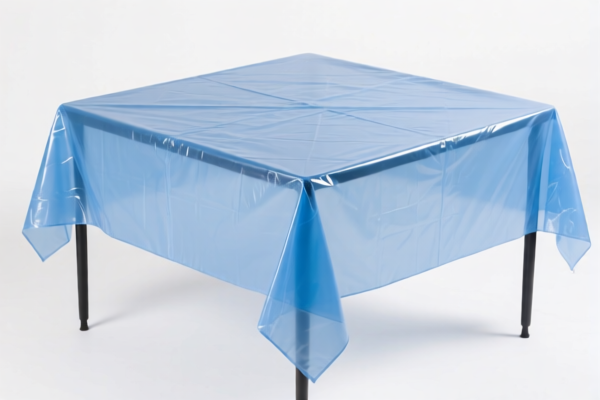
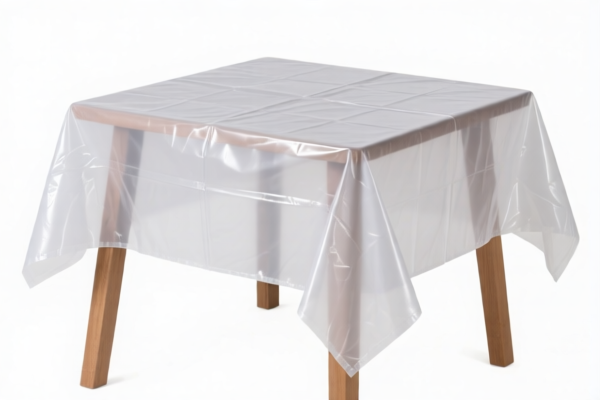
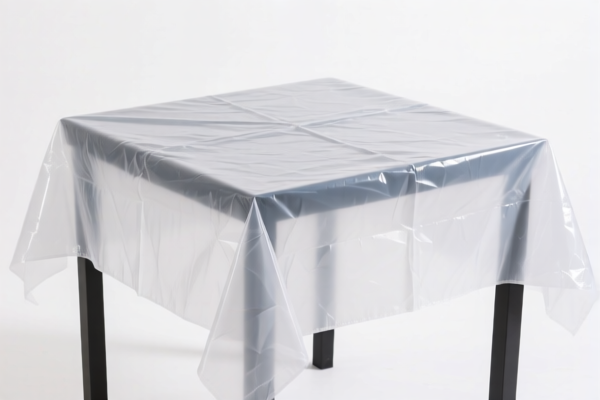
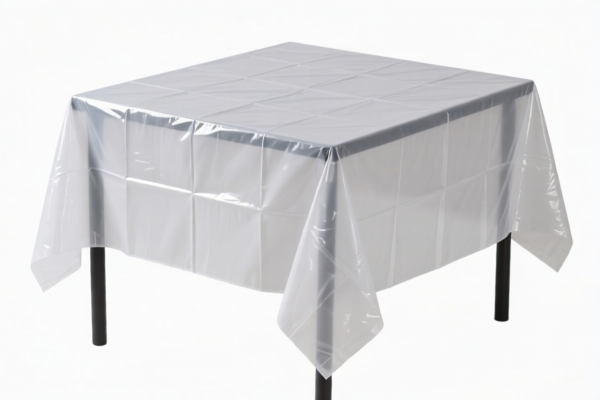
AI Analysis
🍽️ PVC Tablecloth (PVC Table Cover)
🌐 HS Code Reference & Customs Clearance Guide | 2026 Latest Tariff Analysis | Professional Level Entry Strategy
📌 I. Product Definition and Classification: Do You Really Understand "PVC Tablecloth"?
PVC tablecloths, modern home textile and catering accessories, are primarily made of Polyvinyl Chloride (PVC). In international trade, they are classified based on material composition, physical form, and specific use. Although they look similar, slight differences in classification criteria lead to significantly different tariff costs.
Key Distinction Points:
- Table Covers (Finished Goods): If explicitly defined for use as table covers and meeting specific plastic article criteria → Lower Base Duty (3.3%).
- Plastic Sheets/Films/Plates: If classified as general plastic articles without specific "table cover" usage emphasis → Higher Base Duty (4.8% - 6.5%).
- Self-Adhesive/Sticky Characteristics: If the product has adhesive backing or fits the definition of self-adhesive plastic rolls → Specific sub-heading applies.
⚠️ Critical Note:
The difference between3924(Table/Household Ware) and3921(Plastic Plates/Films) is often the biggest cost driver. Misclassification can result in a 27-38% difference in total tax burden!
📦 II. HS Code Classification Details (2026 Latest Tariff Authority Comparison)
| HS Code | Product Description | Applicable Scenario | Total Tax Rate | Key Tax Components |
|---|---|---|---|---|
3924.90.10.50 |
PVC Tablecloth, Material: Plastic, Use: Table Covers | Standard tablecloths, catering supplies, explicitly for table covering | 13.3% | Base: 3.3% + Sec 301: 0% + 122 Clause: 10% |
3924.90.10.10 |
PVC Tablecloth, Material: Plastic, Form: Table Covers | Identical to above, alternative sub-code for same usage | 13.3% | Base: 3.3% + Sec 301: 0% + 122 Clause: 10% |
3921.90.50.50 |
PVC Tablecloth, Material: Plastic, Form: Plates/Films/Membranes/Foils/Belts | Classified as general plastic sheet/film, not explicitly "table cover" category | 39.8% | Base: 4.8% + Sec 301: 25.0% + 122 Clause: 10% |
3919.90.50.60 |
PVC Tablecloth, Material: Plastic, Form: Flat Products, Self-Adhesive Features | Fits characteristics of self-adhesive plastic plates/films/rolls | 40.8% | Base: 5.8% + Sec 301: 25.0% + 122 Clause: 10% |
3921.12.50.00 |
PVC Tablecloth, Material: Vinyl Chloride Polymer, Form: Membrane/Sheet | Classified under specific vinyl chloride polymer sheets/films | 41.5% | Base: 6.5% + Sec 301: 25.0% + 122 Clause: 10% |
3919.10.20.55 |
PVC Tablecloth, Material: Plastic, Form: Flat Products | Classified under general self-adhesive flat plastic articles | 40.8% | Base: 5.8% + Sec 301: 25.0% + 122 Clause: 10% |
🔍 Key Takeaway:
-3924.90.10.xx: The "Golden Route" for PVC tablecloths. Lowest base duty (3.3%) and 0% Section 301 tax.
-3921/3919Series: The "High Cost Route". High base duty (4.8%-6.5%) + 25% Section 301 tax.
- Decision Factor: Does your product documentation clearly state "Table Cover" as the primary use? If yes, fight for3924. If it's generic "plastic sheet," you risk3921.
💰 III. 2026 Latest Tariff Rate Detailed Explanation (Including Surcharges & Policy Add-ons)
✅ Applicable Country: United States (US)
✅ Origin: China (CN)
✅ Effective Time: Current (Includes subsequent imports post-2025 policies)
🎯 1. 3924.90.10.50 / 3924.90.10.10 —— PVC Tablecloth (Table Covers)
| Item | Content |
|---|---|
| Base Duty Rate | 3.3% (Ad valorem) |
| USITC Sec 301 Surcharge | 0.0% (Exempt/Not Applicable for this subheading) |
| Section 122 Clause Tax | +10.0% (Targeting Chinese/ HK products) |
| Total Effective Rate | 13.3% |
| Tax Calculation | CIF Value × 13.3% |
| De Minimis Eligibility | ❌ No (Deny de minimis for this category under current enforcement) |
| Legal Basis Path | HTS:3924.90.10 → SEC122:10% |
📌 Explanation:
- Why 13.3%? This is the most favorable rate for PVC tablecloths.
- Base Duty: Only 3.3% because it falls under "Tableware/Household articles of plastic" rather than general plastics.
- Sec 301: Interestingly, many3924subheadings are exempt from the 25% Section 301 tariff, unlike3921or3919.
- Section 122: The 10% surcharge is a specific add-on for Chinese-origin plastic articles.
🎯 2. 3921.90.50.50 —— PVC Tablecloth (Plastic Plates/Films)
| Item | Content |
|---|---|
| Base Duty Rate | 4.8% |
| USITC Sec 301 Surcharge | +25.0% |
| Section 122 Clause Tax | +10.0% |
| Total Effective Rate | 39.8% |
| Tax Calculation | CIF Value × 39.8% |
| De Minimis Eligibility | ❌ No |
| Legal Basis Path | HTS:3921.90.50 → SEC301:25% → SEC122:10% |
📌 Explanation:
- Why 39.8%? Classified as general plastic sheet/film.
- High Cost Driver: The 25% Section 301 tariff is the main culprit.
- Risk: If customs determine your "tablecloth" is just a "plastic sheet," you pay this instead of 13.3%.
🎯 3. 3921.12.50.00 —— PVC Tablecloth (Vinyl Chloride Polymer)
| Item | Content |
|---|---|
| Base Duty Rate | 6.5% |
| USITC Sec 301 Surcharge | +25.0% |
| Section 122 Clause Tax | +10.0% |
| Total Effective Rate | 41.5% |
| Tax Calculation | CIF Value × 41.5% |
| De Minimis Eligibility | ❌ No |
| Legal Basis Path | HTS:3921.12.50 → SEC301:25% → SEC122:10% |
📌 Explanation:
- Highest Cost: This classification targets specific vinyl chloride polymers.
- Base Duty: Highest at 6.5% among all options.
- Avoidance: Only classify here if the product is strictly a raw polymer sheet, not a finished tablecloth.
🎯 4. 3919.90.50.60 / 3919.10.20.55 —— PVC Tablecloth (Self-Adhesive/Flat Products)
| Item | Content |
|---|---|
| Base Duty Rate | 5.8% |
| USITC Sec 301 Surcharge | +25.0% |
| Section 122 Clause Tax | +10.0% |
| Total Effective Rate | 40.8% |
| Tax Calculation | CIF Value × 40.8% |
| De Minimis Eligibility | ❌ No |
| Legal Basis Path | HTS:3919.xx.xx → SEC301:25% → SEC122:10% |
📌 Explanation:
- Applies When: The tablecloth is sold as a roll with adhesive backing or fits the definition of self-adhesive plastic products.
- Cost: Very high (40.8%) due to the combination of base duty and Sec 301 tax.
🛠️ IV. Customs Clearance Practical Advice (Real-World Pitfall Avoidance Guide)
✅ 1. Required Documentation Checklist (Non-Negotiable)
| Document | Required | Notes |
|---|---|---|
| ✅ Commercial Invoice | ✔️ | Must clearly state "PVC Tablecloth" as the product name, NOT "Plastic Sheet" or "Vinyl Roll" |
| ✅ Product Specifications | ✔️ | Include material (PVC), thickness, size, and primary use: Table Cover |
| ✅ Product Photos | ✔️ | Clear images showing the product in use as a tablecloth, with patterns, edges, etc. |
| ✅ Bill of Lading/Air Waybill | ✔️ | Ensure consistency with invoice description |
| ✅ Packaging List | ✔️ | Detail items per carton |
🔥 Golden Rule for Invoice Description:
Use: "PVC Tablecloth, 120x180cm, Blue Floral, For Dining Table Use"
❌ Avoid: "PVC Plastic Film" or "Vinyl Sheet"
✅ 2. Classification Strategy (Key Tips)
| Scenario | Correct Classification | Wrong Practice | Consequence |
|---|---|---|---|
| Standard PVC Tablecloth | 3924.90.10.50 or .10 |
Classifying as 3921 (Plastic Sheet) |
Pay 39.8% instead of 13.3% → Lost Profit! |
| Tablecloth with Adhesive Backing | 3919.90.50.60 or .10.20.55 |
Misclassifying as 3924 |
Customs may reclassify, leading to back taxes + penalties |
| Bulk Roll of PVC Film (Not Tablecloth) | 3921.12.50.00 |
Claiming it's a tablecloth | Fraud risk, customs audit, seizure |
| Printed PVC Tablecloth | 3924.90.10.50 |
Declaring as generic "Plastic Product" | Higher duty risk due to lack of specificity |
📌 Expert Tip:
- Emphasize "Table Cover": In your customs declaration, explicitly state the use as "for covering tables." This is the key argument for3924.
- Avoid "Sheet" Terminology: Do not use words like "sheet," "film," or "roll" in the primary description if it’s a finished tablecloth.
- Pre-Ruling: If shipping large volumes, consider applying for an Advance Ruling from CBP to confirm3924classification.
✅ 3. Special Cases Handling
| Case | Handling Suggestion |
|---|---|
| OEM Custom Tablecloths | Provide customer design + use case to prove "table cover" functionality |
| Multi-Use Products (e.g., tablecloth + curtain) | Declare as "Tablecloth" if that is the primary function; provide evidence |
| Packaged as Roll | Clarify in docs that it is a "Tablecloth, rolled for shipping," not "Plastic Roll" |
| Mixed Containers | Ensure each item is correctly classified; don’t let "plastic sheet" items drag down the whole shipment’s clearance |
🌍 V. Global Market Customs Comparison (2026 Latest)
| Country/Region | Recommended HS Code | Duty Rate | Remarks |
|---|---|---|---|
| 🇺🇸 USA | 3924.90.10.50 |
13.3% | Best option: Low base + 0% Sec 301 + 10% Sec 122 |
| 🇨🇳 China | 3924.90.10.90 |
~5-7% | Lower base duty, no Sec 301/122 |
| 🇪🇺 EU | 3924.00.90 |
0-6% | Varies by member state; generally lower than US |
| 🇬🇧 UK | 3924.00.90 |
0-4% | Post-Brexit tariffs may differ slightly |
| 🇦🇺 Australia | 3924.90.00 |
5% | No major surcharges |
📌 Conclusion:
- The USA is the most critical market for classification precision due to Sec 301 and Sec 122 taxes.
- Choosing3924over3921in the US saves ~26-28% in total taxes.
📌 VI. Common Mistakes & Pitfall Guide (Lessons from Blood and Tears)
❌ Mistake 1: Declaring "PVC Tablecloth" as "Plastic Sheet" (3921)
👉 Result: Pay 39.8% instead of 13.3%. Loss of 26.5% profit!
❌ Mistake 2: Using vague terms like "Plastic Product" on Invoice
👉 Result: Customs may assign default higher duty or hold shipment for classification review → Delay + Storage Fees
❌ Mistake 3: Not specifying "Table Cover" Use
👉 Result: Customs may classify as general plastic article → Higher Base Duty
❌ Mistake 4: Ignoring Section 122 10% Tax
👉 Result: Underestimating total landed cost. Even 3924 has 10% Sec 122. Total 13.3%, not 3.3%!
✅ Correct Approach:
"PVC Tablecloth, 100% Polyvinyl Chloride, Printed Pattern, For Dining Table Use, Model TC-001"
🎯 VII. Conclusion: Professional Classification, Save Money, Smooth Clearance!
🎯 Remember the Mantra:
🔹 "Tablecloth goes to 3924, Sheet goes to 3921. 13.3% vs 40%, choose wisely!"
🔹 "Use matters! Declare 'Table Cover' to avoid 25% Sec 301 tax!"
🔹 "Don't forget the 10% Sec 122 surcharge on all Chinese plastic table items!"
📌 Pro Tip:
If your tablecloths are made of fabric with PVC coating (not 100% PVC), they may fall under Chapter 59 (Impregnated Textiles) or Chapter 63 (Other Made-Up Textiles), which could have different duty rates.
- 100% PVC → Chapter 39 (3924)
- Fabric + PVC Coating → Check if it’s "Textile" or "Plastic" based on essential character.
📞 Action Item:
- Provide clear product photos to your customs broker.
- Ensure Invoice Description matches3924.90.10.50criteria.
- Calculate total landed cost with 13.3% tax for accurate pricing.
✨ Professional Clearance Starts with Precise Classification!
💼 Every Dollar Saved is Profit Gained!
Customer Reviews
About HS Code Classification
The Harmonized System (HS) is an internationally standardized nomenclature developed by the World Customs Organization (WCO) to classify traded products. Over 200 countries use the HS system as the basis for customs tariffs, trade statistics, and import/export regulations.
Each HS code follows a hierarchical structure:
- Chapter (2 digits) — Broad category of goods (e.g., Chapter 84: Machinery and Mechanical Appliances)
- Heading (4 digits) — More specific grouping within the chapter
- Subheading (6 digits) — Internationally standardized breakdown, used by all WCO member countries
- National subdivisions (8-10 digits) — Country-specific extensions for further classification, such as US HTSUS 10-digit codes
Correct HS code classification is essential for smooth customs clearance, accurate duty payment, and compliance with trade regulations. Misclassification can lead to customs delays, overpayment of duties, or penalties.
When importing from CN to US, the applicable tariff rates may include:
- Most-Favored-Nation (MFN) rate — The standard duty rate applied to WTO members
- General rate — Applied to countries without trade agreements
- Trade remedy duties — Additional tariffs such as Section 301 (anti-dumping), Section 232 (national security), or countervailing duties
The information provided on this page is for reference purposes only. For official classification, please consult with your local customs authority or a licensed customs broker.