PVC Tape
CN → US| HS Code | Tariff Rate | Origin | Destination | Doc |
|---|---|---|---|---|
| 3926909989 | 22.8% | CN | US | Official Doc |
| 3919905030 | 40.8% | CN | US | Official Doc |
| 3919102020 | 40.8% | CN | US | Official Doc |
| 3926904590 | 13.5% | CN | US | Official Doc |
| 3919905030 | 40.8% | CN | US | Official Doc |
Product Images

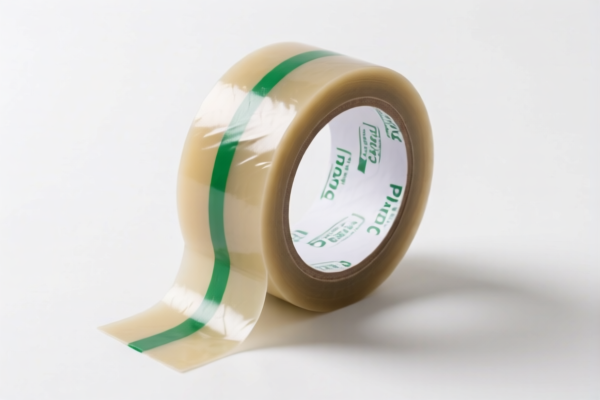
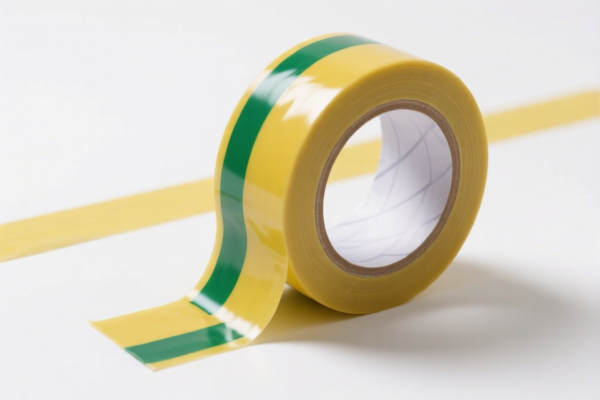

AI Analysis
📦 PVC Tape: The Ultimate Guide to HS Codes, Tariffs & Customs Clearance
🌐 HS Code Classification & Customs Strategy | 2026 Latest Tariff Analysis | Expert-Level Clearance Guide
📌 I. Product Definition: What Exactly is "PVC Tape"?
PVC Tape (Polyvinyl Chloride Tape) is a versatile industrial and consumer product primarily composed of plastic polymers. In international trade, it is not a single unified classification but depends heavily on its specific application and physical form.
It is generally categorized into two main streams: 1. Electrical/Insulating Tape: Used for wiring, insulation, and electrical safety. These fall under Heading 3919 (Self-adhesive plates, sheets, film, foil, tape, strip and other shapes). 2. General Industrial/Plastic Tape: Used for packaging, bundling, or as gaskets/seals. These often fall under Heading 3926 (Other articles of plastics and articles of other materials of headings 3901 to 3914).
⚠️ Critical Distinction:
- If it is self-adhesive and used for electrical insulation → Likely 3919.
- If it is a general plastic article (e.g., gaskets, seals, or non-adhesive industrial tape) → Likely 3926.
- Misclassification Risk: Declaring insulating tape as "general plastic tape" (3926) when it meets the definition of 3919 can lead to higher duties due to specific tariff footnotes.
📊 II. HS Code Classification Matrix (2026 Latest Tariff Data)
Based on the provided data, here are the valid HS Codes for PVC Tape, sorted by application and duty structure.
| HS Code | Product Description | Application/Context | Total Tax Rate |
|---|---|---|---|
3919.90.50.30 |
Electrical Insulating Tape / PVC Electrical Tape | Self-adhesive, plastic, for electrical insulation. Specific subheading for PVC electrical tape. | 40.8% |
3919.10.20.20 |
Electrical Insulating Tape / PVC Electrical Tape | Self-adhesive, plastic tape, conforming to electrical tape definition. | 40.8% |
3926.90.99.89 |
Insulating Tape / Plastic Tape | General plastic/polymer tape, not specifically listed elsewhere. | 22.8% |
3926.90.45.90 |
Insulating Tape / Gaskets & Seals | Plastic/polymer articles, classified under垫片 (gaskets)/seals related items. | 13.5% |
🔍 Key Insight:
- The highest duty (40.8%) applies to specific Electrical Insulating Tapes (HS 3919).
- The lowest duty (13.5%) applies if the tape is classified as a Gasket/Seal or general plastic article (HS 3926.45.90), provided it meets the physical definition.
- Avoid Misclassification: Do not declare electrical tape as3926.90.99.89(22.8%) if it clearly fits3919(40.8%). Customs authorities may reclassify based on product specs.
💰 III. Detailed Tariff Breakdown (2026)
✅ Applicable Country: United States (US)
✅ Origin: China (CN)
✅ Effective Date: Post-2025 Import Rules (Including Section 301 & IEEPA)
🎯 1. High-Duty Category: Electrical Insulating Tape (3919 Series)
| HS Code | 3919.90.50.30 / 3919.10.20.20 |
|---|---|
| Product Type | PVC Electrical Tape / Insulating Tape (Self-adhesive) |
| Base Tariff | 5.8% |
| Section 301 Additional Duty | 25.0% |
| Section 122 Duty | 10.0% |
| Total Effective Rate | 40.8% |
| Calculation Basis | CIF Value × 40.8% |
| De Minimis Exemption | ❌ Not Eligible (High duty items usually excluded from de minimis) |
📌 Why So High?
- The 25% is the standard Section 301 tariff on plastic articles from China.
- The 10% is a specific "Section 122" duty (likely referring to additional trade remedy or specific product-list duties).
- Total 40.8% makes this category expensive for importers.
🎯 2. Medium-Duty Category: General Plastic Tape (3926.90.99.89)
| HS Code | 3926.90.99.89 |
|---|---|
| Product Type | Other Plastic Articles (Insulating Tape not elsewhere specified) |
| Base Tariff | 5.3% |
| Section 301 Additional Duty | 7.5% |
| Section 122 Duty | 10.0% |
| Total Effective Rate | 22.8% |
| Calculation Basis | CIF Value × 22.8% |
| De Minimis Exemption | ❌ Not Eligible |
📌 Why Lower?
- This code is for "Other" plastic articles not specifically listed in 3919.
- It attracts a lower Section 301 rate (7.5%) compared to the 25% for specific electrical tapes.
- Risk: If customs determines the product is actually electrical tape, they will reclassify to 3919 and charge the 40.8% rate + penalties.
🎯 3. Low-Duty Category: Gaskets/Seals Related (3926.90.45.90)
| HS Code | 3926.90.45.90 |
|---|---|
| Product Type | Plastic Articles (Gaskets, Seals, or similar shapes) |
| Base Tariff | 3.5% |
| Section 301 Additional Duty | 0.0% |
| Section 122 Duty | 10.0% |
| Total Effective Rate | 13.5% |
| Calculation Basis | CIF Value × 13.5% |
| De Minimis Exemption | ❌ Not Eligible |
📌 Why Lowest?
- This code applies if the tape is used as a gasket, seal, or spacer.
- It enjoys a 0% Section 301 duty, significantly reducing costs.
- Constraint: Must strictly meet the definition of a gasket/seal or similar industrial component, not just "tape."
🛠️ IV. Customs Clearance Strategy (Pro Tips)
✅ 1. Documentation Requirements (Mandatory)
| Document | Requirement | Notes |
|---|---|---|
| Product Specification Sheet | ✔️ | Must detail material (PVC), adhesive type, voltage rating (if electrical), thickness. |
| Product Photos | ✔️ | Clear images of the roll, label, and application context. |
| Commercial Invoice | ✔️ | Must accurately describe the product. Avoid vague terms like "Plastic Tape." Use "PVC Electrical Insulating Tape." |
| Certificate of Origin | ✔️ | To verify country of origin (China). |
| HS Code Pre-Ruling | ✔️ | Highly Recommended. Apply for an Advance Ruling from CBP to lock in the HS Code. |
✅ 2. Classification Strategy (How to Save Money Legally)
| Scenario | Recommended HS Code | Duty Rate | Reasoning |
|---|---|---|---|
| Electrical Wiring Insulation | 3919.90.50.30 |
40.8% | Best fit for electrical safety standards. |
| Packaging/Bundling Tape | 3926.90.99.89 |
22.8% | If not for electrical use, avoid 3919. |
| Industrial Gasket/Seal Tape | 3926.90.45.90 |
13.5% | If the tape is cut into shapes for sealing, declare as gasket. |
🔥 Golden Rule:
"Function Dictates Code!"
- If it’s for electrical insulation, you cannot use 3926 codes, even if cheaper. Customs will check UL listings or voltage ratings.
- If it’s for packaging, do not use 3919 codes.
- If it’s for sealing/gasketing, use 3926.45.90 to benefit from 0% Section 301.
✅ 3. Common Pitfalls & Penalties
❌ Pitfall 1: Declaring Electrical Tape as 3926.90.99.89 (22.8%) to save taxes.
👉 Consequence: Customs reclassifies to 3919.90.50.30 (40.8%) + 25% penalty + Back duties.
❌ Pitfall 2: Vague Description: "Plastic Tape."
👉 Consequence: CBP assigns a different code, potentially higher duty, and delays shipment.
❌ Pitfall 3: Ignoring Section 122 Duty.
👉 Consequence: All categories here have a 10% Section 122 duty. Forgetting this leads to underpayment.
🌍 V. Global Market Comparison (2026)
| Country/Region | Recommended HS Code | Base Duty | US Section 301 | Total Duty (China Origin) | Notes |
|---|---|---|---|---|---|
| 🇺🇸 USA | 3919.90.50.30 |
5.8% | +25% | 40.8% | High duty on electrical tape. |
| 🇺🇸 USA | 3926.90.99.89 |
5.3% | +7.5% | 22.8% | Lower if not electrical. |
| 🇺🇸 USA | 3926.90.45.90 |
3.5% | 0% | 13.5% | Best if classified as gasket. |
| 🇨🇳 China | 3919 / 3926 |
5-6% | N/A | ~5-6% | No Section 301. |
| 🇪🇺 EU | 3919 / 3926 |
0-6.5% | N/A | ~0-6.5% | No Section 301. |
📌 Conclusion:
- US Market is highly sensitive to Section 301 duties.
- China Origin PVC tape faces significant hurdles.
- Strategy: Consider Third-Country Manufacturing (Vietnam, Thailand) for US-bound electrical tape to avoid Section 301.
📌 VI. Final Checklist for Importers
- Identify Use Case: Electrical? Packaging? Sealing?
- Select HS Code:
- Electrical →
3919.90.50.30(40.8%) - General Plastic →
3926.90.99.89(22.8%) - Gasket/Seal →
3926.90.45.90(13.5%)
- Electrical →
- Check Documentation: Ensure specs match the HS Code description.
- Calculate Landed Cost: Include 40.8% (or 22.8%/13.5%) + Freight + Insurance.
- Consult Expert: If unsure, request an CBP Advance Ruling.
🎯 Conclusion: Precision Classification Saves Money
🎯 Key Takeaway:
"Don't just ship PVC Tape. Ship the RIGHT PVC Tape."
- Electrical? Accept 40.8%.
- General? Aim for 22.8%.
- Gasket? Target 13.5%.
💼 Your Bottom Line:
A misclassification error of just 17.5% (40.8% vs 22.8%) on a $100,000 shipment equals $17,500 in unexpected duties.
Be precise. Be compliant. Be profitable.
📣 Immediate Action:
📞 Contact a Licensed Customs Broker today.
📄 Prepare Technical Specs and Product Photos.
🚀 Apply for HS Code Pre-Ruling to lock in your duty rate.
✨ Clear Classification, Smooth Clearance, Maximum Profit.
💼 Every Percent Matters in Global Trade.
Customer Reviews
About HS Code Classification
The Harmonized System (HS) is an internationally standardized nomenclature developed by the World Customs Organization (WCO) to classify traded products. Over 200 countries use the HS system as the basis for customs tariffs, trade statistics, and import/export regulations.
Each HS code follows a hierarchical structure:
- Chapter (2 digits) — Broad category of goods (e.g., Chapter 84: Machinery and Mechanical Appliances)
- Heading (4 digits) — More specific grouping within the chapter
- Subheading (6 digits) — Internationally standardized breakdown, used by all WCO member countries
- National subdivisions (8-10 digits) — Country-specific extensions for further classification, such as US HTSUS 10-digit codes
Correct HS code classification is essential for smooth customs clearance, accurate duty payment, and compliance with trade regulations. Misclassification can lead to customs delays, overpayment of duties, or penalties.
When importing from CN to US, the applicable tariff rates may include:
- Most-Favored-Nation (MFN) rate — The standard duty rate applied to WTO members
- General rate — Applied to countries without trade agreements
- Trade remedy duties — Additional tariffs such as Section 301 (anti-dumping), Section 232 (national security), or countervailing duties
The information provided on this page is for reference purposes only. For official classification, please consult with your local customs authority or a licensed customs broker.