PVC Tarpaulin
CN → US| HS Code | Tariff Rate | Origin | Destination | Doc |
|---|---|---|---|---|
| 3921121500 | 41.5% | CN | US | Official Doc |
| 5903102010 | 35.0% | CN | US | Official Doc |
| 6306120000 | 18.8% | CN | US | Official Doc |
| 3921121100 | 39.2% | CN | US | Official Doc |
| 6306192110 | 22.6% | CN | US | Official Doc |
Product Images
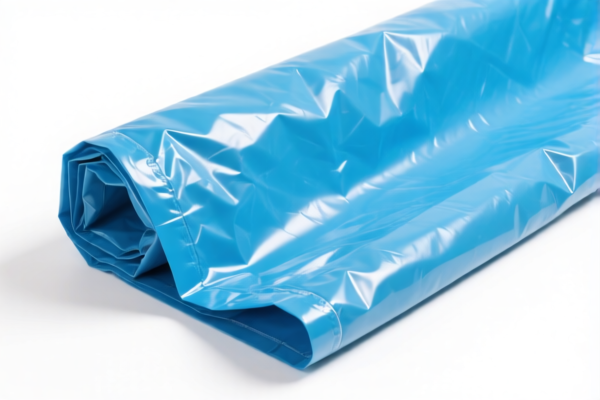
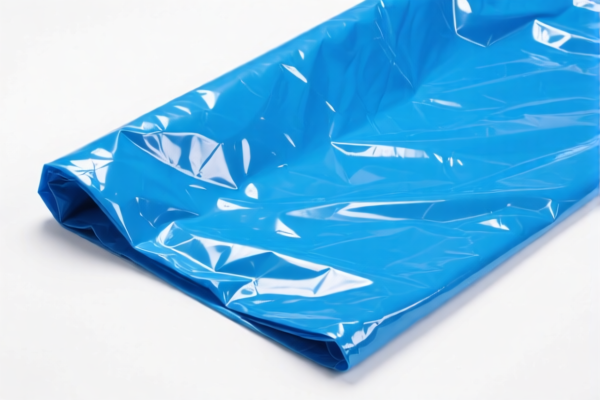
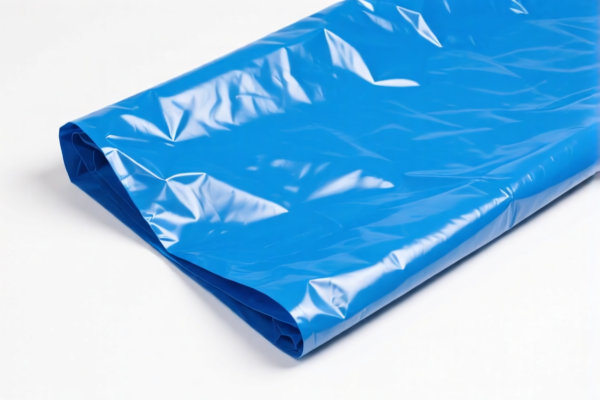
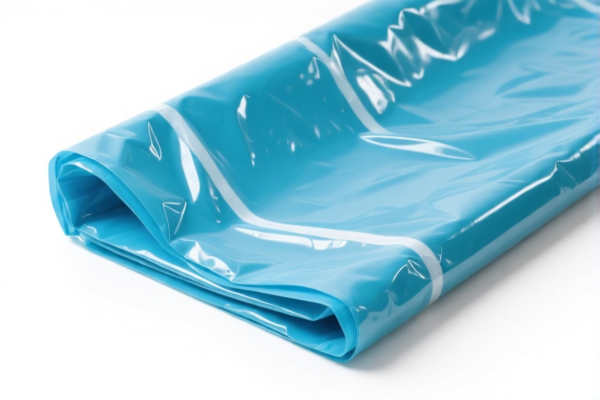
AI Analysis
🏕️ PVC Tarpaulins (Heavy-Duty Plastic Textiles)
🌐 HS Code Reference & Customs Clearance Guide | 2026 Latest Tariff Analysis | Professional Clearance Strategy
📌 Part I: Product Definition and Classification: Do You Really Understand "PVC Tarpaulins"?
PVC Tarpaulins are critical industrial and consumer goods used for covering, protection, and containment. In international trade, they are complex because they sit at the intersection of textiles, plastics, and made-up articles.
They are generally categorized into two main logical groups: 1. Textile-Based Tarps: Fabric (textile) coated/impregnated with PVC. The "essence" is the fabric. 2. Plastic-Based Sheets: Polyvinyl Chloride (PVC) sheets/films laminated or combined with textile. The "essence" is the plastic. 3. Finished Articles: Specific shapes like sails or awnings, regardless of material.
⚠️ Key Distinction Point:
- If the item is a finished canopy, sail, or awning → Look at Chapter 63.
- If the item is a raw sheet/roll of coated fabric → Look at Chapter 59.
- If the item is a PVC sheet with textile backing (composite) → Look at Chapter 39.
📦 Part II: HS Code Classification Details (2026 Latest Tariff Authority Comparison)
| HS Code | Product Description | Application Scenario | Base Duty | Additional Duties (US/CN) | Total Tax |
|---|---|---|---|---|---|
6306.19.21.10 |
Other Tarps/awnings made of man-made fibers | Finished tarps, awnings, outdoor covers made from synthetic fabric | 5.1% | Additional: 7.5% 122-Clause: 10% |
22.6% |
5903.10.20.90 |
Textile fabrics impregnated, coated, or covered with plastics (Other PVC) | Raw rolls of PVC-coated polyester/nylon fabric; industrial liners | 0.0% | Additional: 25.0% 122-Clause: 10% |
35.0% |
3921.12.15.00 |
Cellulose polymer plates/sheets/film/bubble + textile composite | PVC sheets laminated with textile (plastic-heavy structure) | 6.5% | Additional: 25.0% 122-Clause: 10% |
41.5% |
5903.10.20.10 |
Textile fabrics impregnated, coated, or covered with Polyvinyl Chloride | Specific PVC-coated textile fabrics (often higher density/specialty) | 0.0% | Additional: 25.0% 122-Clause: 10% |
35.0% |
6306.12.00.00 |
Tarps or sunshades made of synthetic fibers | Classic synthetic (polyester/nylon) tarps, often with PVC coating | 8.8% | Additional: 0.0% 122-Clause: 10% |
18.8% |
3921.12.11.00 |
Polymer plates/sheets/film/bubble of PVC + textile composite | Thick PVC composite boards/sheets with textile reinforcement | 4.2% | Additional: 25.0% 122-Clause: 10% |
39.2% |
🔍 Key Clarification:
- Chapter 63 (6306): Applies if the product is a made-up article (e.g., sewn tent, specific tarp with grommets, awning). The form factor matters most. - Chapter 59 (5903): Applies if the product is a fabric that has been treated/coated with plastic. It is still in the "textile" phase. - Chapter 39 (3921): Applies if the product is primarily a plastic sheet/film that has been combined with textile (e.g., composite panels, heavy-duty PVC liners). The plastic component defines the classification here.
💰 Part III: 2026 Latest Tariff Rate Breakdown (Including Surcharges, Policy Add-ons)
✅ Applicable Country: United States (US)
✅ Origin: China (CN)
✅ Effective Date: 2025-11-10 (Subsequent imports)
🎯 1. 6306.19.21.10 & 6306.12.00.00 — Finished Tarps/Sunshades
These codes apply to finished goods (sewn, grommeted, specific shapes).
| Item | Content |
|---|---|
| Base Tariff | 5.1% (6306.19) or 8.8% (6306.12) |
| Additional Duty (Sec 301) | 7.5% (6306.19) or 0.0% (6306.12) |
| Section 122 Clause Tariff | +10% (Applied to textile/apparel accessories from China) |
| Total Effective Rate | 22.6% (6306.19) / 18.8% (6306.12) |
| Calculation Basis | CIF Value × Total Rate |
| De Minimis Exemption | ❌ Not Eligible (High duty rates usually exclude Section 321 de minimis) |
| Legal Path | USITC:6306.19.21.10 → 301:0606.19.21.10 → 122:Clause |
📌 Explanation:
- Section 122 is crucial here: It targets certain textile and apparel accessories, imposing a 10% surcharge on top of standard duties. - Sec 301 (7.5%) applies to most Chinese textiles. However,6306.12(synthetic fiber tarps) often benefits from 0% additional duty under specific subheading analyses, but Section 122 still applies. - Net Cost Impact: Even the "lowest" tariff tarp (6306.12) still faces 18.8% total tax.
🎯 2. 5903.10.20.10 & 5903.10.20.90 — PVC-Coated Textile Fabrics
These codes apply to raw/coated fabrics (rolls, sheets) before they are sewn into final products.
| Item | Content |
|---|---|
| Base Tariff | 0.0% |
| Additional Duty (Sec 301) | +25.0% |
| Section 122 Clause Tariff | +10% |
| Total Effective Rate | 35.0% |
| Calculation Basis | CIF Value × 35.0% |
| De Minimis Exemption | ❌ Not Eligible |
| Legal Path | USITC:5903.10.20.XX → 301:5903.10.20.XX → 122:Clause |
📌 Warning:
- While the base duty is 0%, the 25% Sec 301 tariff is extremely heavy. - Many importers mistakenly assume "0% base" means "cheap." In reality, 35% total is significantly higher than finished tarps (22.6%). - Strategy Shift: It is often cheaper to import finished tarps (6306) than raw PVC-coated fabric (5903) into the US from China, due to the higher 301 rate on Chapter 59.
🎯 3. 3921.12.11.00 & 3921.12.15.00 — PVC Composite Sheets/Films
These codes apply to plastic-heavy composites where the PVC layer is the dominant feature.
| Item | Content |
|---|---|
| Base Tariff | 6.5% (3921.12.15) or 4.2% (3921.12.11) |
| Additional Duty (Sec 301) | +25.0% |
| Section 122 Clause Tariff | +10% |
| Total Effective Rate | 41.5% (3921.12.15) / 39.2% (3921.12.11) |
| Calculation Basis | CIF Value × Total Rate |
| De Minimis Exemption | ❌ Not Eligible |
| Legal Path | USITC:3921.12.XX → 301:3921.12.XX → 122:Clause |
📌 Analysis:
- This is the most expensive category. - If your PVC tarp is technically a "composite plastic sheet," you face nearly 40-42% total tax. - Compliance Risk: Customs may reclassify5903(35%) to3921(41.5%) if the plastic layer is deemed thicker or more significant than the textile. Always provide detailed layer thickness data.
🛠️ Part IV: Customs Clearance Practical Advice (Pitfall Avoidance Guide)
✅ 1. Documentation Checklist (Non-Negotiable)
| Document | Required | Notes |
|---|---|---|
| ✅ Product Specification Sheet | ✔️ | Must specify: Base fabric (e.g., 600D Polyester), PVC coating thickness (microns/mils), weight (gsm), and treatment (waterproof/UV resistant). |
| ✅ Structure Diagram/Layer Analysis | ✔️ | Critical for 3921 vs 5903 distinction. Prove which layer (fabric or PVC) gives the essential character. |
| ✅ Product Photos (Roll & Final) | ✔️ | Show grommets, seams, or raw edges to determine Chapter 63 (Finished) vs Chapter 59/39 (Raw). |
| ✅ Commercial Invoice | ✔️ | Clearly state "PVC Coated Polyester Tarpaulin" or "Synthetic Fiber Tarp." Avoid vague terms like "Plastic Sheet." |
| ✅ Country of Origin Certificate | ✔️ | Confirm CN origin for 301/122 duty calculation. |
| ✅ Packing List | ✔️ | Detail net/gross weight. |
✅ 2. Declaration Strategy (Key Mantra)
🔥 "Finish vs. Raw; Fabric vs. Plastic; Name Accurate, Duty Lower!"
| Scenario | Correct HS Code | Wrong Practice | Consequence |
|---|---|---|---|
| Sewn Tarp with Grommets | 6306.12.00.00 or 6306.19.21.10 |
Declared as "PVC Fabric" (5903) |
Overpaid Tax (18.8% vs 35%) |
| Raw PVC-Coated Fabric Roll | 5903.10.20.90 |
Declared as "Tarps" (6306) |
Underpaid Tax → Penalty + Back Duties (35% vs 22.6%) |
| Thick PVC Composite Sheet | 3921.12.15.00 |
Declared as "Textile Fabric" (5903) |
Misclassification → 41.5% vs 35% + Audit Risk |
| Sail or Awning Kit | 6306.19.21.10 |
Declared as "Plastic Film" (3921) |
Overpaid Tax (22.6% vs 41.5%) |
💡 Pro Tip:
If you are shipping raw rolls of PVC-coated fabric, but the end-user will sew them into tarps, consider: 1. Importing as5903(35% tax). 2. Shipping finished tarps from a third country (e.g., Vietnam) to avoid 301/122 duties. 3. Optimization: Compare6306(18.8-22.6%) vs5903(35%). Often, importing finished goods is cheaper than importing raw coated fabric from China.
✅ 3. Special Cases Handling
| Situation | Handling Advice |
|---|---|
| Multi-layer Tarps | If the tarp has multiple PVC layers and textiles, the "essential character" test applies. Usually, if PVC >50% by weight, it leans toward 3921. |
| Waterproof vs. Non-Waterproof | 5903 requires "impregnated/coated/covered with plastic." If it's just painted or treated without plastic polymer coating, it might fall under Chapter 58 or 60, changing the duty. |
| Section 122 Applicability | Ensure the product is not exempt. Most synthetic fiber tarps and PVC fabrics from China are subject to the 10% Section 122 surcharge. |
| De Minimis (Section 321) | Due to total tax rates >10% and country of origin (China), de minimis exemption does NOT apply for most commercial shipments. Plan for full duty payment. |
🌍 Part V: Global Market Comparison (2026 Latest)
| Country/Region | Recommended HS Code | Tariff Rate (China Origin) | Key Certifications | Notes |
|---|---|---|---|---|
| 🇺🇸 USA | 6306.12 / 5903 / 3921 |
18.8% – 41.5% | None specific | High Surcharges (301 + 122). Costly. |
| 🇨🇳 China | 6306 / 5903 |
Low (0-5%) | CCC (if applicable) | Export hub. Low domestic import duties. |
| 🇪🇺 EU | 6306 / 5903 |
0% - 6.5% | REACH / RoHS | No additional surcharges. Much cheaper than US. |
| 🇬🇧 UK | 6306 / 5903 |
0% - 6.5% | UKCA | Post-Brexit, still low duties for textiles. |
| 🇦🇺 Australia | 6306 / 5903 |
5% - 10% | GST 10% | No additional anti-dumping on standard PVC tarps. |
📌 Conclusion:
- The USA is the most expensive market for PVC Tarps from China due to Section 301 + Section 122. - EU and UK offer significantly lower entry barriers (0-6.5% duties, no surcharges). - Strategy: If targeting the US, consider third-country processing (e.g., sew tarp in Vietnam, ship to US) to bypass Chinese origin duties.
📌 Part VI: Common Errors & Pitfall Guide (Lessons Learned)
❌ Mistake 1: Declaring a finished tarp as "PVC Plastic Sheet" (3921)
👉 Result: You pay 41.5% instead of 18.8%. Overpayment of 22.7%!
❌ Mistake 2: Declaring raw coated fabric as "Finished Tarp" (6306)
👉 Result: Customs reclassifies to 35.0%. You face underpayment penalties + back taxes.
❌ Mistake 3: Ignoring Section 122 (10% surcharge)
👉 Result: Underestimating landed cost by 10% across all categories.
❌ Mistake 4: Using vague descriptions like "Plastic Cover"
👉 Result: Customs inspection delay, potential reclassification to the highest duty rate.
✅ Correct Practice:
"PVC Coated Polyester Tarpaulin, 600D, Waterproof, Green, 10x12ft, with Grommets"
vs
"PVC Impregnated Polyester Fabric, Roll, 1.5m Width, 0.8mm PVC Coating"
🎯 Part VII: Conclusion: Professional Classification Saves Money!
🎯 Remember the Mantra:
🔹 "Finished Tarp? Go 6306 (18-22%). Raw Fabric? Go 5903 (35%). Composite Plastic? Go 3921 (40%)."
🔹 "301 + 122 = High Cost. Check Origin. Consider Third Country."
📌 Pro Tip:
If your PVC Tarp is made in Vietnam, India, or Bangladesh, you may qualify for 0% Section 301 duties. The total tax could drop to ~10-15% (excluding local VAT/GST).
Recommendation:
- Evaluate Supply Chain: Can the sewing/finishing happen in a non-China country?
- Apply Advance Ruling: For large volumes, seek a binding tariff opinion from US CBP to lock in the 6306 classification.
📣 Immediate Action:
📞 Contact Your Customs Broker: Provide material composition % and product form (roll vs. finished).
🚀 Optimize Landed Cost: Don't let HS Code errors erase your profit margin!
✨ Professional Clearance, Starting with Precise Classification!
💼 Every percentage point of duty is money in your pocket!
Customer Reviews
About HS Code Classification
The Harmonized System (HS) is an internationally standardized nomenclature developed by the World Customs Organization (WCO) to classify traded products. Over 200 countries use the HS system as the basis for customs tariffs, trade statistics, and import/export regulations.
Each HS code follows a hierarchical structure:
- Chapter (2 digits) — Broad category of goods (e.g., Chapter 84: Machinery and Mechanical Appliances)
- Heading (4 digits) — More specific grouping within the chapter
- Subheading (6 digits) — Internationally standardized breakdown, used by all WCO member countries
- National subdivisions (8-10 digits) — Country-specific extensions for further classification, such as US HTSUS 10-digit codes
Correct HS code classification is essential for smooth customs clearance, accurate duty payment, and compliance with trade regulations. Misclassification can lead to customs delays, overpayment of duties, or penalties.
When importing from CN to US, the applicable tariff rates may include:
- Most-Favored-Nation (MFN) rate — The standard duty rate applied to WTO members
- General rate — Applied to countries without trade agreements
- Trade remedy duties — Additional tariffs such as Section 301 (anti-dumping), Section 232 (national security), or countervailing duties
The information provided on this page is for reference purposes only. For official classification, please consult with your local customs authority or a licensed customs broker.