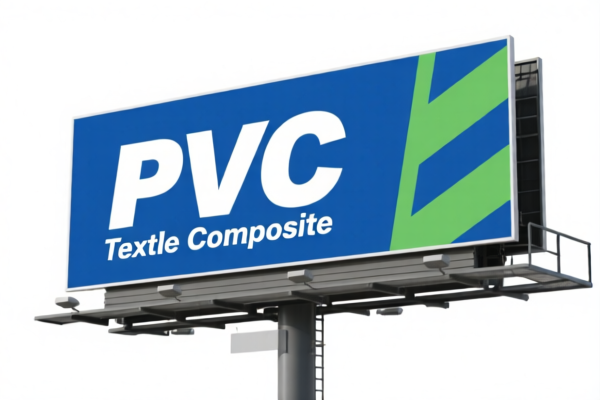
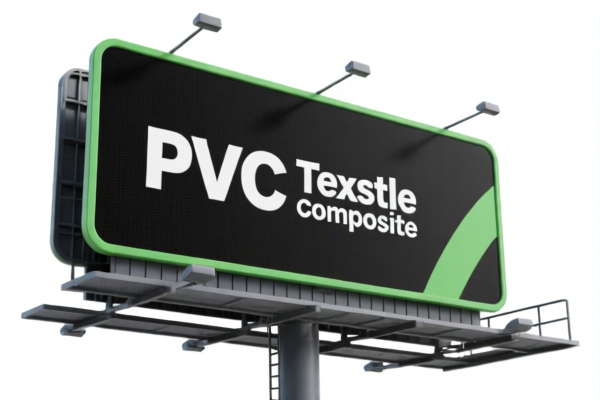
PVC Textile Advertising Banner
CN → US| HS Code | Tariff Rate | Origin | Destination | Doc |
|---|---|---|---|---|
| 3926909930 | 22.8% | CN | US | Official Doc |
| 5903102010 | 35.0% | CN | US | Official Doc |
| 4911100080 | 17.5% | CN | US | Official Doc |
| 4911998000 | 17.5% | CN | US | Official Doc |
| 3926909989 | 22.8% | CN | US | Official Doc |
| 5903102090 | 35.0% | CN | US | Official Doc |
Product Images
AI Analysis
🏁 PVC Textile Advertising Banner (PVC Coated Fabric)
🌐 HS Code Reference & Customs Clearance Guide | 2026 Latest Tariff Analysis | Professional-Level Strategy for Importing into the US
📌 I. Product Definition & Classification: What Exactly Is an "Advertising Banner"?
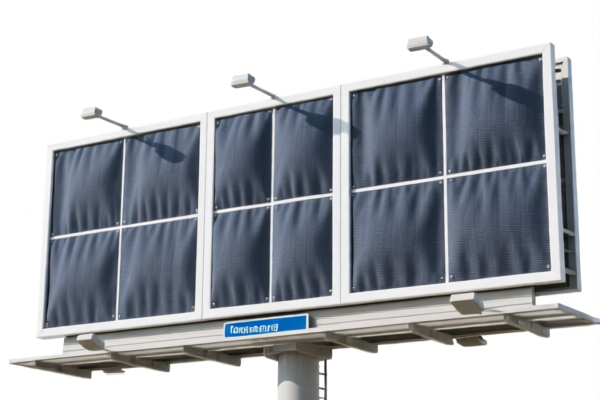
A PVC Textile Advertising Banner is a rigid or semi-rigid printing medium made from woven fabric (typically polyester) that is impregnated, coated, or laminated with Polyvinyl Chloride (PVC). It is widely used for outdoor billboards, storefront signs, trade show displays, and vehicle wraps due to its durability, weather resistance, and high print quality.
In international trade, classification hinges on two critical factors: 1. Material Composition: Is it primarily rubber/plastics? Or just a coated textile? 2. Specific Use: Is it specifically "Trade Advertising Material" (printed paper/cardboard) or a "Textile Fabric"?
⚠️ Key Distinction Point:
- If the product is a printed sheet made of paper or cardboard used for catalogs or flyers → It falls under Heading 4911.
- If the product is a woven fabric (e.g., polyester mesh) coated/laminated with PVC (even if printed with ads) → It falls under Heading 5903 (Textile fabrics impregnated/coated with plastics).
- Crucial Note: Most durable, reusable PVC banners are classified as 5903.10.20.xx, NOT 4911, because the base material is textile, not paper.
📦 II. HS Code Classification Details (2026 Latest Tariff Authority Match)
Based on the provided data, here are the relevant HS Codes for your PVC Textile Advertising Banner and other related printed/printed-matter items.
| HS Code | Product Description | Applicability to PVC Banner | Key Characteristics |
|---|---|---|---|
5903.10.20.10 |
Textile fabrics impregnated/coated/laminated with plastics; With poly(vinyl chloride); Of man-made fibers; Over 70% by weight of rubber or plastics; Fabrics of yarns sheathed with PVC | ✅ Highly Likely | If your banner is a heavy-duty, woven fabric where PVC constitutes >70% of the weight (common for thick outdoor banners), this is the most accurate classification. |
5903.10.20.90 |
Textile fabrics impregnated/coated/laminated with plastics; With poly(vinyl chloride); Of man-made fibers; Other; Over 70% by weight of rubber or plastics; Other | ✅ Likely | Similar to above, but for other specific sub-categories of PVC-coated textile fabrics not explicitly listed in .10. If the banner is standard PVC-coated polyester, this is a strong candidate. |
4911.99.80.00 |
Other printed matter, including printed pictures and photographs: Other: Other: Other: Other | ❌ Unlikely (Unless Paper-Based) | This applies to paper/cardboard printed matter. If your "banner" is actually a single-use, thin paper poster, it might fit here. But for PVC Textile, this is usually incorrect. |
4911.10.00.80 |
Other printed matter... Trade advertising material, commercial catalogs and the like Other | ❌ Unlikely (Unless Paper-Based) | Specifically for paper/cardboard trade ads. PVC fabric banners are textiles, not paper. Do not use this unless it's a paper flyer. |
3926.90.99.89 |
Other articles of plastics and articles of other materials of headings 3901 to 3914: Other: Other Other | ⚠️ Alternative | If the PVC fabric is cut into specific articles (e.g., a pre-sewn bag or specific non-fabric shaped item) rather than sold as a "fabric roll/sheet," it might fall here. However, banner sheets are usually classified as fabrics (5903). |
3926.90.99.30 |
Other articles of plastics... Other: Other Ladders | ❌ Irrelevant | Specifically for ladders. Do not use this for banners. |
🔍 Priority Classification for PVC Textile Banners:
5903.10.20.10or5903.10.20.90
Reason: The product is a textile fabric (man-made fibers like polyester) impregnated/laminated with PVC. The high PVC content (>70%) triggers this specific heading.
💰 III. 2026 Latest Tariff Rate Breakdown (Detailed Tax Clauses)
✅ Applicable Country: United States (US)
✅ Origin: China (CN)
✅ Effective Date: Ongoing (Subject to Trade Policies)
🎯 1. 5903.10.20.10 & 5903.10.20.90 — PVC Coated Textile Fabrics (Banners)
| Item | Details |
|---|---|
| Base Tariff | 0.0% (Ad Valorem) |
| Additional Tariff (Section 301 / China Specific) | 25.0% |
| Total Tariff Rate | 25.0% |
| Tax Calculation | CIF Value × 25% |
| De Minimis Exemption | ❌ Not Applicable (High tariff items generally excluded from 80.01.00/80.04.00 waivers depending on current policy, but primarily Section 301 items are strictly taxed) |
| Legal Basis Path | USITC:5903.10.20.10 → Section 301 Footnote: China Goods → Total 25% |
📌 Explanation:
- The Base Rate for PVC-coated textile fabrics is 0%. This is very favorable before additional duties.
- However, due to Section 301 Trade Actions against China, an additional 25% duty is levied on goods classified under these HS codes if they originate in China.
- Total Cost Impact: You will pay 25% of the CIF value as duty alone.
- No IEEPA 10% on this specific code in the provided data: The provided data shows25.0%total, implying the 25% is the primary additional duty (likely Section 301). Note: Always verify if newer IEEPA rules apply, but based strictly on the provided<DATA>, the total is 25%.
🎯 2. 4911.99.80.00 & 4911.10.00.80 — If Incorrectly Classified as Paper/Printed Matter
| Item | Details |
|---|---|
| Base Tariff | 0.0% |
| Additional Tariff | 7.5% |
| Total Tariff Rate | 7.5% |
⚠️ Risk Warning:
If you incorrectly classify a PVC banner as "Printed Matter" (4911) to save on the 25% tariff, Customs may audit your shipment. PVC fabric is not paper. This misclassification can lead to:
1. Retrospective Duty Assessment: You will still owe the 25% (plus penalties).
2. Fines: For false declaration.
3. Seizure: In severe cases.
Conclusion: Do not use 4911 codes for PVC textile banners.
🎯 3. 3926.90.99.89 — Other Plastic Articles
| Item | Details |
|---|---|
| Base Tariff | 5.3% |
| Additional Tariff | 7.5% |
| Total Tariff Rate | 12.8% |
📌 Explanation:
- If the banner is considered an "article of plastic" rather than a "fabric" (e.g., a pre-formed, non-textile PVC sheet), the rate is lower at 12.8%.
- However, for woven fabric-based banners,5903is the correct heading. Using3926for fabric-based items is a common audit target.
🛠️ IV. Customs Clearance Practical Advice (Battle-Tested Pitfall Guide)
✅ 1. Document Checklist (Non-Negotiable)
| Document | Required? | Explanation |
|---|---|---|
| ✅ Product Specification Sheet | ✔️ | Must state: "PVC Coated Polyester Fabric," "Weave Type," "PVC Weight %" (to justify >70% if using 5903.10.20.x). |
| ✅ Material Composition Label | ✔️ | Clearly indicate: 100% Polyester Fabric + PVC Coating. |
| ✅ Commercial Invoice | ✔️ | Description must be precise: "PVC Coated Textile Fabric for Advertising Banners," NOT just "Signs" or "Plastic Sheets." |
| ✅ Packing List | ✔️ | Detail weight and dimensions to help Customs verify "Fabric" vs. "Rigid Article." |
| ✅ Photos of Product | ✔️ | Show the fabric texture and coating. If it looks like woven material, Customs will look for 5903. |
✅ 2. Declaration Tips (Key Mantra)
🔥 "It's Fabric, Not Paper! 'PVC-Coated Textile' is the Golden Phrase!"
| Scenario | Correct Declaration | Wrong Declaration |
|---|---|---|
| Heavy Duty Outdoor Banner | 5903.10.20.10 – PVC Coated Textile Fabric |
4911.99.80.00 – Printed Paper |
| Lightweight Indoor Banner (Still PVC Fabric) | 5903.10.20.90 – PVC Coated Textile Fabric |
3926.90.99.89 – Plastic Article |
| Paper Poster (Not Fabric) | 4911.99.80.00 – Other Printed Matter |
5903.10.20.10 – Fabric (Incorrect) |
✅ 3. Special Case Handling
| Situation | Handling Advice |
|---|---|
| Mixed Shipment (Paper Ads + PVC Banners) | Must Separate Lines. Declare paper items under 4911 (7.5%) and PVC banners under 5903 (25%). Do not lump them under one code. |
| OEM Custom Printed Banners | Provide the design print files or sample photos to Customs if requested. The "printing" is secondary to the "fabric composition." |
| High PVC Content (>70%) | Ensure your supplier provides a weight analysis report if questioned. This justifies the 5903.10.20.xx classification. |
🌍 V. Global Market Clearance Comparison (2026 Latest)
| Country/Region | Recommended HS Code | Tariff (China Origin) | Certification/Notes |
|---|---|---|---|
| 🇺🇸 USA | 5903.10.20.10 / .90 |
25.0% | Section 301 Duty applies. Ensure fabric classification. |
| 🇨🇳 China | 5903.10.20 |
Varies (Low/Zero) | Import duties may differ. Check local Chinese tariff. |
| 🇪🇺 EU | 5903.10.90 |
Varies (Often 0-4.5%) | No Section 301 equivalent. Check for REACH compliance. |
| 🇬🇧 UK | 5903.10.90 |
Varies | Post-Brexit rules. Check UK Tariff Book. |
📌 Conclusion:
- USA is the most expensive market for PVC banners due to the 25% Section 301 duty.
- Do not attempt to misclassify as paper (4911) to save 17.5%. The risk of audit and penalties outweighs the savings.
- If sourcing from Vietnam, Thailand, or Malaysia, you may avoid the 25% China-specific duty, but ensure the substantial transformation rule is met.
📌 VI. Common Errors & Pitfalls (Lessons Learned)
❌ Error 1: Classifying PVC Banners as "Plastic Sheets" (3926)
👉 Consequence: Customs may reject this because the base is textile. If accepted, you might pay less (12.8% vs 25%), but if audited, you face back-duties.
👉 Correct: Use 5903.10.20.xx.
❌ Error 2: Classifying PVC Banners as "Printed Paper" (4911)
👉 Consequence: High Audit Risk. PVC is clearly not paper.
👉 Correct: Use 5903.10.20.xx.
❌ Error 3: Ignoring the "70% PVC Weight" Requirement
👉 Consequence: If your banner is lightly coated (<70% PVC), it may fall under a different subheading with a different tariff rate.
👉 Correct: Verify the PVC weight percentage with your supplier.
✅ Correct Practice:
"PVC Coated Polyester Textile Fabric, Printed for Advertising Banners, HS 5903.10.20.10"
🎯 VII. Conclusion: Professional Declaration, Save Money & Avoid Delays
🎯 Remember the Mantra:
🔹 "PVC Fabric is NOT Paper! Use 5903, Not 4911!"
🔹 "25% Duty in USA, but correct code avoids fines!"
🔹 "Declare 'Textile Fabric', not 'Plastic Sheet'!"
📌 Pro Tip:
If you are importing into the US, calculate the 25% duty cost into your FOB price.
Example: If FOB is $10,000, and CIF is $11,000, Duty is $2,750.
Total Landed Cost Impact: ~25%.
📣 Immediate Action:
📞 Verify PVC Weight % with Supplier
📄 Prepare Specification Sheet Highlighting "Textile Base + PVC Coating"
🚀 Declare under5903.10.20.10or5903.10.20.90to ensure compliance
✨ Professional Customs Clearance Starts with Precise Classification!
💼 Your Landed Cost Depends on Your HS Code Choice!
Customer Reviews
About HS Code Classification
The Harmonized System (HS) is an internationally standardized nomenclature developed by the World Customs Organization (WCO) to classify traded products. Over 200 countries use the HS system as the basis for customs tariffs, trade statistics, and import/export regulations.
Each HS code follows a hierarchical structure:
- Chapter (2 digits) — Broad category of goods (e.g., Chapter 84: Machinery and Mechanical Appliances)
- Heading (4 digits) — More specific grouping within the chapter
- Subheading (6 digits) — Internationally standardized breakdown, used by all WCO member countries
- National subdivisions (8-10 digits) — Country-specific extensions for further classification, such as US HTSUS 10-digit codes
Correct HS code classification is essential for smooth customs clearance, accurate duty payment, and compliance with trade regulations. Misclassification can lead to customs delays, overpayment of duties, or penalties.
When importing from CN to US, the applicable tariff rates may include:
- Most-Favored-Nation (MFN) rate — The standard duty rate applied to WTO members
- General rate — Applied to countries without trade agreements
- Trade remedy duties — Additional tariffs such as Section 301 (anti-dumping), Section 232 (national security), or countervailing duties
The information provided on this page is for reference purposes only. For official classification, please consult with your local customs authority or a licensed customs broker.