PVC Textile Composite Automotive Interior
CN → US| HS Code | Tariff Rate | Origin | Destination | Doc |
|---|---|---|---|---|
| 8708998180 | 12.5% | CN | US | Official Doc |
| 5903102090 | 35.0% | CN | US | Official Doc |
| 8708295160 | 0.0% | CN | US | Official Doc |
| 5903102500 | 42.5% | CN | US | Official Doc |
| 8708998180 | 12.5% | CN | US | Official Doc |
Product Images
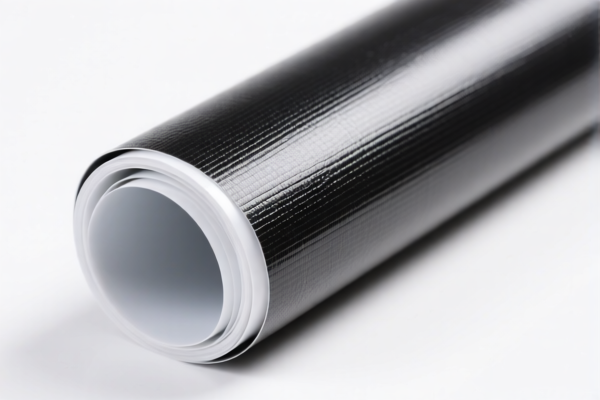
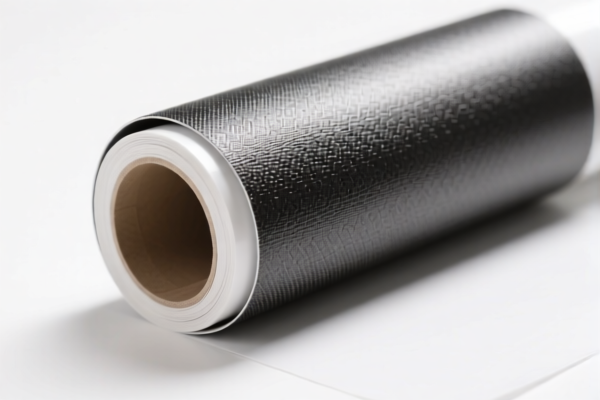
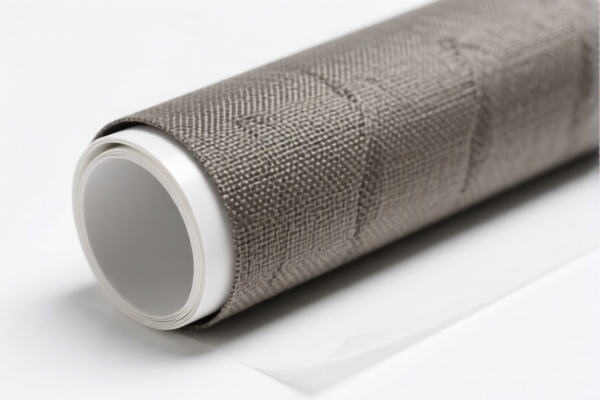

AI Analysis
🚗 PVC Textile Composite Automotive Interior
🌐 HS Code Reference & Customs Clearance Guide | 2026 Tax Regime Breakdown | Professional Clearance Strategy
📌 I. Product Definition & Classification: What Exactly is "PVC Textile Composite Automotive Interior"?
PVC Textile Composite Automotive Interior refers to textile fabrics that have been impregnated, coated, covered, or laminated with Polyvinyl Chloride (PVC) for use inside vehicles (dashboard, door panels, seats, headliners, etc.).
In international trade, the classification hinges on two critical factors: 1. Primary Function: Is it primarily a textile product or an automotive spare part? 2. Physical State: Is it a fabric/film (semi-finished) or a finished part (e.g., cut dashboard panel)?
⚠️ Critical Distinction: * Scenario A (Material/Fabric): If sold as rolls, sheets, or generic fabric coated with PVC → Classify under Chapter 59. * Scenario B (Finished Part): If sold as a specific, cut, or molded part for a car (e.g., a specific door trim panel) → Classify under Chapter 87 (Auto Parts).
📦 II. HS Code Classification Details (2026 Latest Tariff Schedule)
Based on the provided data, here are the four specific classifications for PVC Textile Composite Automotive Interior:
| HS Code | Product Description | Application Scenario | Tax Rate |
|---|---|---|---|
8708.99.81.80 |
Automotive Interior Composite (PVC) Classified as a "catch-all" auto part. |
Finished interior components (e.g., specific trim panels) where no specific code exists. | 12.5% |
5903.10.20.90 |
PVC-Textile Fabric (Coated/Laminated) Textile fabric coated/covered with PVC. |
Raw material (rolls/sheets) for car interiors. Generic PVC textile. | 35.0% |
8708.29.51.60 |
Car Body Parts & Accessories (PVC) Specific catch-all for auto body parts. |
Finished parts made of PVC for car bodies/interiors. | 2.5% + 85.0% |
5903.10.25.00 |
PVC-Impregnated/Coated Textile Reasonable application for car interiors. |
Specific coated textile applications, distinct from generic 5903.10.20.90. | 42.5% |
🔍 Key Insight: * Chapter 87 (Auto Parts): Generally has a lower base duty (2.5%) but attracts massive Section 232 (Steel/Aluminum/Copper) or specific Section 201 penalties (up to +50% or +60% depending on material mix), resulting in high total tariffs for finished parts. * Chapter 59 (Textiles): Has a high base or specific Section 301 tariff (up to 25%) but no Section 232 penalties for steel/copper, leading to a moderate total tariff.
💰 III. 2026 Latest Tariff Rate Breakdown (Including Additional Duties)
✅ Applicable Country: United States (US)
✅ Origin: China (CN)
✅ Effective Date: Current Regime (2026 Projection based on data)
🎯 1. 8708.99.81.80 — Automotive Interior Composite (Catch-All)
Best for: Finished interior parts where specific part codes don't apply.
| Item | Content |
|---|---|
| Base Duty | 2.5% |
| Section 301 (Additional) | 0.0% (No specific penalty listed for this code in data) |
| Section 122 (Section 232 Steel/Aluminum) | 10.0% |
| Total Duty | 12.5% |
| Tax Calculation | CIF Value × 12.5% |
| Legal Path | 8708.99.81.80 → 122条款: 10% |
📌 Explanation: This is a "Catch-All" (兜底) classification for auto parts. It offers a low base duty but includes a 10% penalty likely related to steel/aluminum content in the composite structure (Section 122/232).
🎯 2. 5903.10.20.90 — PVC Textile Fabric (Coated/Covered)
Best for: Raw fabric rolls sold to manufacturers.
| Item | Content |
|---|---|
| Base Duty | 0.0% |
| Section 301 (Additional) | 25.0% (High penalty for textiles) |
| Section 122 (Steel/Aluminum/Copper) | 10.0% |
| Total Duty | 35.0% |
| Tax Calculation | CIF Value × 35.0% |
| Legal Path | 5903.10.20.90 → Section 301: 25% + 122条款: 10% |
📌 Explanation: This is a textile product. It avoids the base duty but suffers from a 25% Section 301 penalty (US-China trade war tariffs on textiles) plus a 10% additional tax.
🎯 3. 8708.29.51.60 — Car Body Parts & Accessories (PVC)
Best for: Finished PVC car body/interior parts. HIGHEST RISK.
| Item | Content |
|---|---|
| Base Duty | 2.5% |
| Section 301 (Additional) | 25.0% |
| Section 232 (Steel/Aluminum/Copper) | 50.0% (High penalty for metal/copper content) |
| Total Duty | 2.5% + 85.0% = 87.5% (Note: Data shows 2.5% + 85.0%) |
| Tax Calculation | CIF Value × 87.5% |
| Legal Path | 8708.29.51.60 → Section 301: 25% + Section 232: 50% |
📌 Explanation: This code triggers ALL major penalties: Base + 301 (25%) + Section 232 (50% for Steel/Aluminum/Copper products). * CRITICAL: Even if the part is mostly PVC, if the underlying structure or reinforcement contains steel/aluminum/copper, the 50% penalty applies. Total tax is 87.5% (or 85% + 2.5%).
🎯 4. 5903.10.25.00 — PVC-Impregnated/Coated Textile (Specific)
Best for: Specific textile applications in auto interiors (different from generic 20.90).
| Item | Content |
|---|---|
| Base Duty | 7.5% |
| Section 301 (Additional) | 25.0% |
| Section 122 (Steel/Aluminum/Copper) | 10.0% |
| Total Duty | 42.5% |
| Tax Calculation | CIF Value × 42.5% |
| Legal Path | 5903.10.25.00 → Section 301: 25% + 122条款: 10% |
📌 Explanation: This is a specific textile sub-category. Unlike
20.90, it has a 7.5% base duty, resulting in a 42.5% total. It is cheaper than 35.0%? No, 42.5% > 35.0%. Wait, let's re-read data:20.90is 35.0%,25.00is 42.5%. Conclusion:5903.10.20.90is the cheapest textile option (35% vs 42.5%), provided it fits the "generic" definition.
🛠️ IV. Customs Clearance Practical Advice (Risk Mitigation Strategy)
✅ 1. Document Preparation Checklist (Must-Have)
| Document | Requirement | Why? |
|---|---|---|
| ✅ Product Spec Sheet | ✔️ | Must explicitly state Composition % (PVC vs. Textile vs. Metal reinforcement). |
| ✅ Technical Drawing | ✔️ | Crucial to prove if it is a "Finished Part" (8708) or "Raw Material" (5903). |
| ✅ Photos (Unassembled) | ✔️ | Show texture, layers, and lack of metal parts (to avoid 50% Section 232). |
| ✅ Commercial Invoice | ✔️ | Description must match HS Code exactly (e.g., "PVC Coated Fabric Rolls" vs "Car Door Trim"). |
| ✅ Packing List | ✔️ | Weight and dimensions to verify material volume. |
✅ 2. Classification Strategy (The "Golden Rule")
🔥 Rule of Thumb:
"If it's a roll/sheet → 5903 (35%-42.5%). If it's a cut part → 8708 (12.5% or 87.5%)!"
| Scenario | Correct HS Code | Total Tax | Risk Level |
|---|---|---|---|
| Rolls of PVC Fabric | 5903.10.20.90 |
35.0% | ✅ Low (Avoids Section 232) |
| Specific Cut Panels (No Metal) | 8708.99.81.80 |
12.5% | ✅ Medium (Low base + 10% penalty) |
| Specific Cut Panels (With Metal/Copper) | 8708.29.51.60 |
87.5% | ❌ Critical (Avoid!) |
| Specific Cut Panels (With Metal/Copper) | 5903.10.25.00 |
42.5% | ⚠️ Alternative (Only if reclassified as textile) |
⚠️ WARNING: Never declare a finished car part (e.g., door panel) as "Textile Fabric" (
5903) if it has been cut, molded, or equipped with fasteners. Customs will reclassify it to8708, apply 85%+ tax, and fine you!
✅ 3. Special Handling for "Steel/Aluminum/Copper" Penalties
- The 50% Trap (
8708.29.51.60):- If your PVC interior part contains any steel mesh, aluminum reinforcement, or copper wiring integrated into the composite, you MUST pay the 50% Section 232 penalty.
- Strategy: If possible, redesign the part to use plastic-only reinforcement (no steel/aluminum) to avoid this massive tax.
- The 10% Trap (
122条款):- Applies to both
5903and8708codes. It is a standard "Steel/Aluminum" surcharge. Cannot be avoided if the material contains metal.
- Applies to both
🌍 V. Global Market Comparison (2026)
| Region | Recommended HS Code | Total Tax (China Origin) | Key Requirement |
|---|---|---|---|
| 🇺🇸 USA | 8708.99.81.80 (Finished) or 5903.10.20.90 (Material) |
12.5% (Finished) or 35.0% (Material) | Section 301 & Section 232 are active. Avoid metal in finished parts. |
| 🇪🇺 EU | 5903.10.20.90 |
~15-18% | No Section 301. Focus on CE/RoHS. |
| 🇨🇦 Canada | 8708.99.81.80 |
~5-10% | CUSMA benefits (if eligible). |
| 🇦🇺 Australia | 8708.29.51.60 |
~5% | No Section 232. |
📌 Conclusion: The US market is the most expensive due to the 85% total tax on certain auto parts and 35%+ tax on textiles.
📌 VI. Common Mistakes & Pitfalls (Don't Repeat Them!)
❌ Mistake 1: Declaring finished car trim panels as "PVC Textile Fabric" (5903).
* Consequence: Customs reclassifies to 8708, applies 85% tax, and issues a penalty. Total loss of profit.
❌ Mistake 2: Ignoring Metal Content in PVC composites. * Consequence: If the part has aluminum backing, you face the 50% Section 232 penalty. Must declare metal content accurately.
❌ Mistake 3: Confusing 5903.10.20.90 (35%) with 5903.10.25.00 (42.5%).
* Consequence: Overpaying by 7.5% if the product fits the generic 20.90 category but you chose 25.00.
🎯 VII. Final Verdict: Strategic Recommendation
🚀 "Clearance Strategy: Material First, Part Second!"
- If you sell Rolls/Fabric: Use
5903.10.20.90(35% Total). This is the safest and most predictable route for raw materials. - If you sell Finished Parts:
- Check for Metal/Steel/Aluminum.
- No Metal: Try to classify as
8708.99.81.80(12.5%). Best Rate. - With Metal: You face 87.5%. Do not ship as a finished part. Ship as raw material (
5903.10.20.90) and assemble in the US (if legal) or absorb the cost.
📢 Final Tip: Apply for a Binding Ruling (Advance Ruling) with US Customs (CBP) before shipping. The difference between 12.5% and 87.5% is the difference between profit and bankruptcy.
✨ Professional Customs Clearance Starts with Precise Classification!
💼 Don't let a 75% tax gap destroy your margins!
Customer Reviews
About HS Code Classification
The Harmonized System (HS) is an internationally standardized nomenclature developed by the World Customs Organization (WCO) to classify traded products. Over 200 countries use the HS system as the basis for customs tariffs, trade statistics, and import/export regulations.
Each HS code follows a hierarchical structure:
- Chapter (2 digits) — Broad category of goods (e.g., Chapter 84: Machinery and Mechanical Appliances)
- Heading (4 digits) — More specific grouping within the chapter
- Subheading (6 digits) — Internationally standardized breakdown, used by all WCO member countries
- National subdivisions (8-10 digits) — Country-specific extensions for further classification, such as US HTSUS 10-digit codes
Correct HS code classification is essential for smooth customs clearance, accurate duty payment, and compliance with trade regulations. Misclassification can lead to customs delays, overpayment of duties, or penalties.
When importing from CN to US, the applicable tariff rates may include:
- Most-Favored-Nation (MFN) rate — The standard duty rate applied to WTO members
- General rate — Applied to countries without trade agreements
- Trade remedy duties — Additional tariffs such as Section 301 (anti-dumping), Section 232 (national security), or countervailing duties
The information provided on this page is for reference purposes only. For official classification, please consult with your local customs authority or a licensed customs broker.