PVC Textile Composite Bed Sheet
CN → US| HS Code | Tariff Rate | Origin | Destination | Doc |
|---|---|---|---|---|
| 5903102010 | 35.0% | CN | US | Official Doc |
| 3926907500 | 14.2% | CN | US | Official Doc |
| 5903102090 | 35.0% | CN | US | Official Doc |
| 3926909989 | 22.8% | CN | US | Official Doc |
| 5903102090 | 35.0% | CN | US | Official Doc |
Product Images

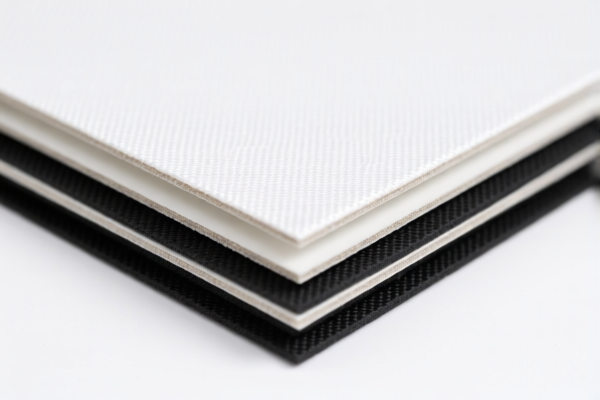
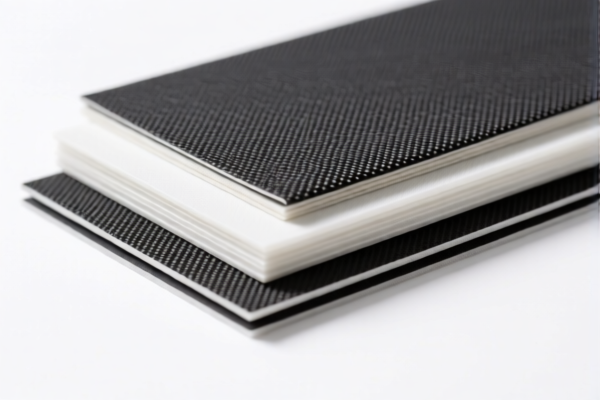
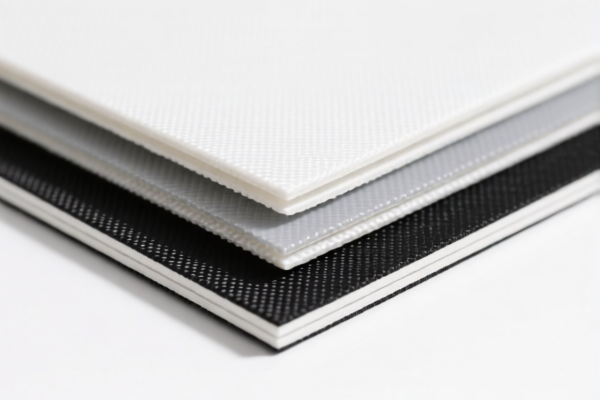
AI Analysis
🛏️ PVC Textile Composite Bed Sheet
🌐 HS Code Reference & Customs Clearance Guide | 2026 Latest Tariff Analysis | Strategic Classification Strategy
📌 Part I: Product Definition & Classification: Do You Really Understand "PVC Textile Composite Bed Sheet"?
A "PVC Textile Composite Bed Sheet" is a specialized bedding product characterized by its composite structure. It is not merely a fabric nor a simple plastic item, but a hybrid material. In international trade, the classification depends heavily on whether the customs authority views the textile structure as the essential character or the plastic coating as the defining feature.
Key Classification Dilemmas:
1. Textile-Heavy (Imbedded/Coated Fabric): If the PVC is used to impregnate, coat, or cover the textile substrate, making it waterproof/durable, it often falls under Chapter 59 (Imregnated, Coated, Covered or Layered Textile Fabrics).
2. Plastic-Heavy (Finished Article): If the product is viewed primarily as a finished plastic article (e.g., an inflatable mattress cover or a plastic sheet with minimal textile reinforcement), it may fall under Chapter 39 (Articles of Plastic).
⚠️ Critical Distinction Point:
- If the PVC layer is integral to the fabric's function (waterproofing, strength) → Chapter 59.
- If it is a standalone plastic item with textile backing merely for handling → Chapter 39.
📦 Part II: HS Code Classification Details (2026 Latest Tariff Authority Comparison)
Based on the provided data, there are four potential HS Codes. Here is the breakdown for each:
| HS Code | Product Description & Rationale | Applicable Scenario | Key Characteristic |
|---|---|---|---|
5903.10.20.10 |
PVC Textile Bed Sheet, Material: PVC, Form: Textile Fabric. Classified under other categories based on reasonable inference. | Bed sheets where PVC is the primary coating material, classified as a generic PVC textile fabric. | Textile Focus: PVC coating on fabric. |
3926.90.75.00 |
PVC Textile Bed Sheet, Material: Plastic/PVC. Classified as a plastic article related to inflatable/air cushion products. | Bed sheets that function as or are similar to inflatable mattresses/air cushions, treated as plastic articles. | Plastic/Inflatable Focus: Treated as a plastic utility item. |
5903.10.20.90 |
PVC Textile Bed Sheet, Material: PVC. Fits the characteristic of PVC impregnated/coated textile fabrics, based on "other" category principles. | The standard classification for PVC-impregnated/coated textiles that do not fit specific sub-categories. | Textile Focus: Impregnated/Coated textile fabric. |
3926.90.99.89 |
PVC Textile Bed Sheet, Material: PVC. Classified as "Other Plastic Articles," no material or use conflict. | General PVC composite products viewed strictly as plastic goods without specific textile duty advantages. | Plastic Focus: General plastic article. |
🔍 Important Note:
- The product appears in the data as both a "Bed Sheet" and a "Chair Pad" (in one instance), indicating versatility.
- HS Codes 5903.10.20.xx focus on the textile fabric nature coated with PVC.
- HS Codes 3926.90.xx focus on the plastic article nature, potentially treating the textile as a minor component.
💰 Part III: 2026 Latest Tariff Rate Detail (Including Surcharges, Policy Surcharges)
✅ Applicable Country: United States (US)
✅ Country of Origin: China (CN) (Inferred from "122 Clause" and typical trade context)
✅ Effective Time: Current (2026)
🎯 1. 5903.10.20.10 & 5903.10.20.90 —— PVC Impregnated/Coated Textile Fabrics
| Item | Content |
|---|---|
| Base Tariff | 0.0% (ad valorem) |
| Section 301 Surcharge | +25.0% (USITC Footnote for Section 301 actions) |
| Section 122 Surcharge | +10.0% (Specific trade remedy clause) |
| Total Tax Rate | 35.0% |
| Tax Calculation | CIF Value × 35% |
| De Minimis Exemption | ❌ Not Applicable (High tax rate disqualifies de minimis benefits in most practical scenarios) |
| Legal Basis Path | USITC:5903.10.20.xx → 301:Footnote25 → 122:Clause10 |
📌 Explanation:
- Even though the base tariff is 0%, the Section 301 tariff (25%) and Section 122 tariff (10%) apply heavily to Chinese-origin textile/plastic composite goods.
- Total Rate: 35%. This is a high-cost classification.
- The "0% base" is misleading; the effective cost is significantly higher due to punitive tariffs.
🎯 2. 3926.90.75.00 —— Plastic Articles (Inflatable/Air Cushion Related)
| Item | Content |
|---|---|
| Base Tariff | 4.2% (ad valorem) |
| Section 301 Surcharge | 0.0% (No additional 301 tariff listed for this specific sub-code in the data) |
| Section 122 Surcharge | +10.0% |
| Total Tax Rate | 14.2% |
| Tax Calculation | CIF Value × 14.2% |
| De Minimis Exemption | ❌ Not Applicable |
| Legal Basis Path | USITC:3926.90.75.00 → 122:Clause10 |
📌 Important:
- This code offers a significantly lower total rate (14.2%) compared to the textile codes (35.0%).
- It assumes the product is treated as a plastic article (specifically related to inflatable/air cushion types).
- Savings: Nearly 20.8 percentage points lower than the 5903 classification.
🎯 3. 3926.90.99.89 —— Other Plastic Articles
| Item | Content |
|---|---|
| Base Tariff | 5.3% (ad valorem) |
| Section 301 Surcharge | +7.5% (Reduced 301 rate for this specific sub-category) |
| Section 122 Surcharge | +10.0% |
| Total Tax Rate | 22.8% |
| Tax Calculation | CIF Value × 22.8% |
| De Minimis Exemption | ❌ Not Applicable |
| Legal Basis Path | USITC:3926.90.99.89 → 301:Footnote7.5 → 122:Clause10 |
📌 Important:
- This is a middle-ground classification.
- Total Rate: 22.8%.
- It is cheaper than the textile classification (35%) but more expensive than the inflatable plastic classification (14.2%).
- Applies when the product is a general PVC plastic article without specific inflatable features.
🛠️ Part IV: Customs Clearance Practical Advice (Battle-Tested Pitfall Avoidance)
✅ 1. Document Preparation Checklist (Essential)
| Document | Required? | Description |
|---|---|---|
| ✅ Product Specification Sheet | ✔️ | Must detail the ratio of PVC to Textile. Is it 80/20 or 20/80? |
| ✅ Material Composition Certificate | ✔️ | Explicitly state: "PVC Coated Textile" vs. "Plastic Article with Textile Backing". |
| ✅ Product Photos (Cross-Section) | ✔️ | Show the layer structure to prove if it's a "coated fabric" or a "plastic sheet". |
| ✅ Commercial Invoice | ✔️ | Use precise terminology: "PVC Composite Bedding" or "Textile Bed Sheet". |
| ✅ Packing List | ✔️ | Ensure weight/volume matches the declared HS Code type. |
✅ 2. Declaration Strategy (Key Formulas)
🔥 “Choose Plastic for Savings, Textile for Accuracy!”
| Scenario | Recommended HS Code | Estimated Total Tax | Why? |
|---|---|---|---|
| Product is essentially an Inflatable Mattress/Cover | 3926.90.75.00 |
14.2% | Lowest tax. Treated as plastic/inflatable article. |
| Product is a General PVC Plastic Sheet/Pad | 3926.90.99.89 |
22.8% | Moderate tax. Safe for general plastic goods. |
| Product is Clearly a Waterproof Fabric/Sheet | 5903.10.20.90 |
35.0% | Highest tax. Must be classified as textile to avoid fraud, but costly. |
⚠️ Risk Warning:
- Declaring a heavy PVC-coated textile as3926.90.75.00(14.2%) when it is clearly a standard bed sheet (not inflatable) may trigger a customs audit for misclassification.
- However,5903.10.20.90(35.0%) is the safest if the product is undeniably a textile fabric.
✅ 3. Special Case Handling
| Situation | Advice |
|---|---|
| OEM for Hotel Chains | Provide contract showing it is a "Textile Bed Sheet" to justify 5903 if quality is paramount, but negotiate tax impact. |
| Inflatable Bed Sheets | Clearly state "Inflatable" or "Air Mattress Cover" in the description to support 3926.90.75.00 (14.2%). |
| Lightweight PVC Liners | If the textile is merely a backing, argue for 3926.90.99.89 (22.8%) as a "Plastic Article". |
🌍 Part V: Global Market Comparison (2026 Update)
| Market | Recommended HS Code | Estimated Total Tax | Notes |
|---|---|---|---|
| 🇺🇸 USA | 3926.90.75.00 |
14.2% | Best for cost-saving if product fits inflatable/plastic category. |
| 🇺🇸 USA | 5903.10.20.90 |
35.0% | Standard for textile fabrics. High cost. |
| 🇪🇺 EU | 5903.10.xx |
Varies (Avg 4-6%) | No Section 301/122. Lower taxes than US. |
| 🇨🇳 China | 5903.10.xx |
Varies (Avg 5-10%) | Import duty to China. |
📌 Conclusion:
- The US market is the most critical due to the high punitive tariffs (35% vs 14.2%).
- Strategic Recommendation: If your product can be legitimately described as an "Inflatable" or "Plastic Article" (not just a fabric), target3926.90.75.00to save 20.8% in duties.
- If it is a standard textile bed sheet, you must accept5903.10.20.90at 35%.
📌 Part VI: Common Mistakes & Pitfall Avoidance (Lessons Learned)
❌ Mistake 1: Calling it "PVC Bed Sheet" without specifying the form.
👉 Consequence: Customs may default to the highest duty rate (35%) or demand extensive proof of composition.
❌ Mistake 2: Using 3926.90.75.00 for a non-inflatable, heavy textile sheet.
👉 Consequence: Customs audit, seizure, or forced reclassification with penalties + back taxes.
❌ Mistake 3: Ignoring the "122 Clause".
👉 Consequence: Even with a low base tariff, missing the 10% 122 clause leads to underpayment and fines.
✅ Correct Practice:
“PVC-Coated Textile Bed Sheet, Inflatable Type, 100% PVC Exterior, Polyester Backing, Model XYZ, US Origin/China Origin”
— Clearly defines the nature to support3926.90.75.00.
🎯 Part VII: Conclusion: Precision Classification Saves Money!
🎯 Remember the Motto:
🔹 "Plastic Inflatable = 14.2% (Best)"
🔹 "Plastic General = 22.8% (Good)"
🔹 "Textile Fabric = 35.0% (Expensive)"
🔹 "Don't guess, define the material structure clearly!"
📌 Tip:
If your bed sheet is not inflatable but you want to avoid 35%, consult a customs broker about whether
3926.90.99.89(22.8%) is defensible based on the percentage of PVC weight vs. textile weight.
📣 Immediate Action:
📞 Contact your customs broker with the material composition ratio.
🚀 Apply for a Binding Ruling (if possible) to lock in the 14.2% or 22.8% rate and avoid post-import audits.
✨ Professional clearance starts with accurate classification!
💼 Every 1% of tax saved is profit kept!
Customer Reviews
About HS Code Classification
The Harmonized System (HS) is an internationally standardized nomenclature developed by the World Customs Organization (WCO) to classify traded products. Over 200 countries use the HS system as the basis for customs tariffs, trade statistics, and import/export regulations.
Each HS code follows a hierarchical structure:
- Chapter (2 digits) — Broad category of goods (e.g., Chapter 84: Machinery and Mechanical Appliances)
- Heading (4 digits) — More specific grouping within the chapter
- Subheading (6 digits) — Internationally standardized breakdown, used by all WCO member countries
- National subdivisions (8-10 digits) — Country-specific extensions for further classification, such as US HTSUS 10-digit codes
Correct HS code classification is essential for smooth customs clearance, accurate duty payment, and compliance with trade regulations. Misclassification can lead to customs delays, overpayment of duties, or penalties.
When importing from CN to US, the applicable tariff rates may include:
- Most-Favored-Nation (MFN) rate — The standard duty rate applied to WTO members
- General rate — Applied to countries without trade agreements
- Trade remedy duties — Additional tariffs such as Section 301 (anti-dumping), Section 232 (national security), or countervailing duties
The information provided on this page is for reference purposes only. For official classification, please consult with your local customs authority or a licensed customs broker.