PVC Textile Composite Flooring Panel
CN → US| HS Code | Tariff Rate | Origin | Destination | Doc |
|---|---|---|---|---|
| 5903102500 | 42.5% | CN | US | Official Doc |
| 3926305000 | 22.8% | CN | US | Official Doc |
| 3926909989 | 22.8% | CN | US | Official Doc |
| 5903102090 | 35.0% | CN | US | Official Doc |
| 9401993580 | 35.0% | CN | US | Official Doc |
Product Images
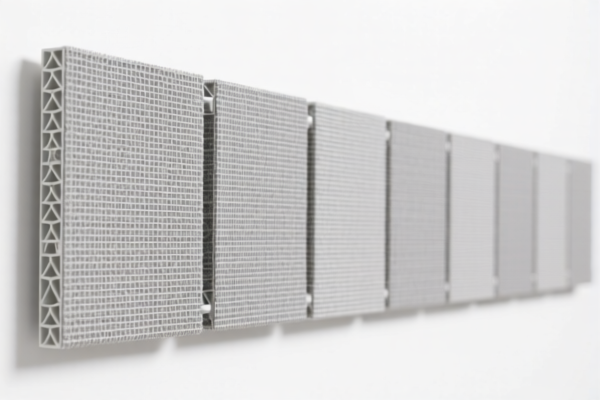
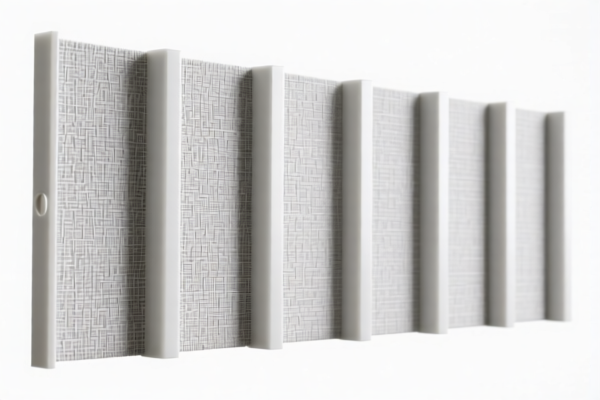
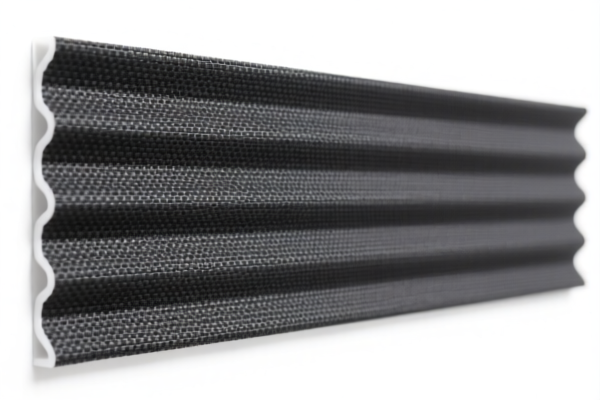
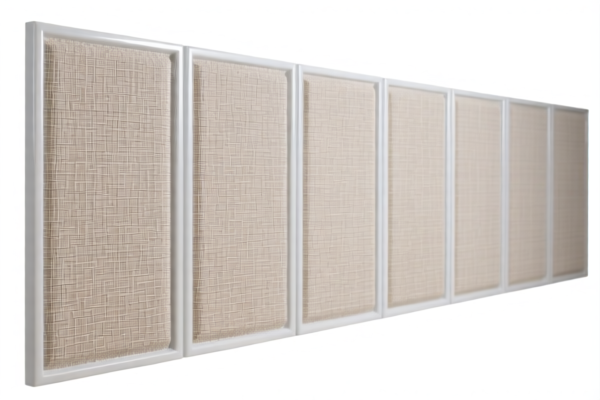
AI Analysis
🧱 PVC Textile Composite Flooring Panel
🌐 HS Code Reference & Customs Clearance Guide | 2026 Latest Tariff Analysis | Professional Clearance Strategy
📌 1. Product Definition & Classification: Do You Really Understand "PVC Textile Composite Flooring"?
PVC Textile Composite Flooring is a hybrid material combining the durability of PVC (Polyvinyl Chloride) with the flexibility and texture of textile backing. In international trade, its classification depends heavily on its primary function and physical state (whether it is processed as a fabric or a finished plastic article).
Key Distinction Points: * Fabric-like State (Impregnated/Coated/Laminated): If the PVC is applied to the textile substrate to create a composite fabric, it falls under Chapter 59 (Textiles). * Plastic Article State: If the material is considered a finished plastic product, furniture part, or general plastic good, it falls under Chapter 39 (Plastics) or Chapter 94 (Furniture Parts).
⚠️ Critical Classification Logic:
- If the product is primarily a composite fabric used for flooring, wall covering, or similar textile applications → HS 5903
- If the product is a furniture accessory (e.g., seat component) → HS 9401
- If the product is a general plastic part not specifically defined elsewhere → HS 3926
📦 2. HS Code Classification Details (2026 Latest Tariff对照)
| HS Code | Product Description | Application Scenario | Primary Classification Basis |
|---|---|---|---|
5903.10.25.00 |
PVC Textile Composite Fabric, impregnated/coated/laminated | Flooring, wall coverings, automotive interiors (Textile extension) | ✅ Fabric-based |
5903.10.20.90 |
PVC Composite Fabric, impregnated/coated/laminated | General PVC textile fabrics | ✅ Fabric-based |
3926.30.50.00 |
PVC Plastic Articles, for furniture accessories | Furniture parts, connectors, accessories | ✅ Plastic-based |
3926.90.99.89 |
PVC Plastic Articles (General) | General plastic products,兜底 (Catch-all) category | ✅ Plastic-based |
9401.99.35.80 |
Parts of Seats, made of PVC | Seat components, upholstery supports | ✅ Furniture Part |
🔍 Key Reminder:
- Textile vs. Plastic: The boundary lies in the manufacturing process. If PVC is coated/impregnated onto a textile base, Chapter 59 takes precedence over Chapter 39.
- End Use Matters: If the composite is explicitly a part of a seat, HS 9401 may apply regardless of material.
- No Overlap: Do not misclassify a clear composite fabric as a general plastic article to avoid tariff discrepancies.
💰 3. 2026 Latest Tariff Rate Details (Including Surcharges & Policy Add-ons)
✅ Applicable Country: United States (US)
✅ Origin: China (CN)
✅ Effective Time: November 10, 2025 (and subsequent imports)
🎯 1. 5903.10.25.00 —— PVC Textile Composite Fabric (Textile Extension Application)
| Item | Content |
|---|---|
| Base Tariff | 7.5% (ad valorem) |
| Section 301 Surtax | +25.0% |
| Section 122 Surtax | +10% |
| Total Tariff Rate | 42.5% |
| Tax Calculation | CIF Value × 42.5% |
| De Minimis Exemption | ❌ Not Eligible |
| Legal Basis Path | Base: 5903.10.25.00 → Sec301: 25% → Sec122: 10% |
📌 Explanation:
- This code is for composite textiles where PVC is impregnated, coated, or laminated.
- The high base rate (7.5%) plus surcharges results in a significant cost burden.
- Suitable for flooring that retains its identity as a "textile composite."
🎯 2. 5903.10.20.90 —— PVC Composite Fabric (General PVC Textile)
| Item | Content |
|---|---|
| Base Tariff | 0.0% |
| Section 301 Surtax | +25.0% |
| Section 122 Surtax | +10% |
| Total Tariff Rate | 35.0% |
| Tax Calculation | CIF Value × 35.0% |
| De Minimis Exemption | ❌ Not Eligible |
| Legal Basis Path | Base: 5903.10.20.90 → Sec301: 25% → Sec122: 10% |
📌 Note:
- Lower base rate (0%) compared to5903.10.25.00.
- Applies to broader PVC textile fabrics.
- Savings: $7.5\%$ lower base tariff makes this a potentially cheaper option if the product fits this subheading.
🎯 3. 3926.30.50.00 —— PVC Plastic Articles for Furniture Accessories
| Item | Content |
|---|---|
| Base Tariff | 5.3% |
| Section 301 Surtax | +7.5% |
| Section 122 Surtax | +10% |
| Total Tariff Rate | 22.8% |
| Tax Calculation | CIF Value × 22.8% |
| De Minimis Exemption | ❌ Not Eligible |
| Legal Basis Path | Base: 3926.30.50.00 → Sec301: 7.5% → Sec122: 10% |
📌 Note:
- If classified as a furniture accessory, the Section 301 rate drops significantly from 25% to 7.5%.
- Savings: Total rate is 22.8%, which is 9.7%~19.7% lower than textile classifications.
- Condition: Must be clearly identified as a furniture part/accessory.
🎯 4. 3926.90.99.89 —— PVC Plastic Articles (General/Catch-all)
| Item | Content |
|---|---|
| Base Tariff | 5.3% |
| Section 301 Surtax | +7.5% |
| Section 122 Surtax | +10% |
| Total Tariff Rate | 22.8% |
| Tax Calculation | CIF Value × 22.8% |
| De Minimis Exemption | ❌ Not Eligible |
| Legal Basis Path | Base: 3926.90.99.89 → Sec301: 7.5% → Sec122: 10% |
📌 Note:
- Same rate as3926.30.50.00.
- Used when the product does not fit specific furniture accessory codes but is still a plastic good.
🎯 5. 9401.99.35.80 —— Parts of Seats, Made of PVC
| Item | Content |
|---|---|
| Base Tariff | 0.0% |
| Section 301 Surtax | +25.0% |
| Section 122 Surtax | +10% |
| Total Tariff Rate | 35.0% |
| Tax Calculation | CIF Value × 35.0% |
| De Minimis Exemption | ❌ Not Eligible |
| Legal Basis Path | Base: 9401.99.35.80 → Sec301: 25% → Sec122: 10% |
📌 Note:
- If the flooring panel is used as a seat component (e.g., in vehicles, office chairs), this code may apply.
- Base rate is 0%, but Section 301 surtax is high (25%).
- Total rate is 35.0%, identical to5903.10.20.90.
🛠️ 4. Customs Clearance Practical Advice (Real-World Pitfall Avoidance)
✅ 1. Documentation Checklist (None of these can be missing)
| Document | Required | Description |
|---|---|---|
| ✅ Product Specification Sheet | ✔️ | Material composition (PVC % vs. Textile %), dimensions, thickness |
| ✅ Photos (Clear) | ✔️ | Show texture, edges, and any branding. Highlight if it looks like fabric or plastic. |
| ✅ Commercial Invoice | ✔️ | Must accurately describe product (e.g., "PVC Composite Fabric" vs. "Plastic Floor Tile") |
| ✅ Packing List | ✔️ | Detailing net/gross weight, quantity, and packaging type |
| ✅ Certificate of Origin (CO) | ✔️ | If applicable for preferential treatment (though most PVC/textile goods from CN face surtaxes) |
| ✅ Test Report | ✔️ | Fire resistance, flammability, or chemical safety reports (if required by end-user) |
✅ 2. Declaration Tips (Key Mantras)
🔥 "Identify Primary Character: Fabric First, Plastic Second!"
| Scenario | Correct Declaration | Incorrect Declaration |
|---|---|---|
| Composite Flooring (Fabric Base) | 5903.10.25.00 or 5903.10.20.90 |
Misclassified as plastic → Risk of penalty |
| Furniture Accessory | 3926.30.50.00 (22.8% rate) |
Misclassified as general textile → Higher tariff |
| Seat Component | 9401.99.35.80 |
Misclassified as general plastic |
| General Plastic Part | 3926.90.99.89 (22.8% rate) |
Misclassified as textile |
📌 Critical Warning:
- If your product is clearly a composite fabric (PVC coated on textile), declaring it as a plastic article (3926) may be rejected by customs for misclassification, leading to audits and penalties.
- However, if it can be argued as a furniture part,3926.30.50.00offers the lowest effective tariff (22.8%).
✅ 3. Special Circumstances Handling
| Situation | Handling Suggestion |
|---|---|
| Dual-Use Product | If used for both flooring and furniture, provide evidence of primary end-use. |
| OEM Custom Orders | Provide customer design specs to justify specific HS Code (e.g., seat part vs. general fabric). |
| Mixed Shipments | Clearly separate composite fabrics from pure plastic parts in different invoices. |
| Dispute with Customs | Prepare lab tests showing material composition (PVC vs. Textile ratio). |
🌍 5. Global Market Comparison (2026 Latest)
| Country/Region | Recommended HS Code | Tariff Rate | Certification Requirements | Notes |
|---|---|---|---|---|
| 🇺🇸 USA | 5903.10.25.00 or 3926.30.50.00 |
22.8% - 42.5% | Depends on end-use | High surtaxes apply |
| 🇨🇳 China | 5903.10.25.00 |
7.5% (Base) | CCC (if applicable) | Lower base rates |
| 🇪🇺 EU | 5903.10.25.00 |
0% - 4.5% | REACH, RoHS | No Section 301/122 |
| 🇯🇵 Japan | 5903.10.25.00 |
0% - 6% | PSE (if electrical) | Generally favorable |
📌 Conclusion:
- US Market: Highly sensitive to classification.3926.30.50.00(22.8%) is the most cost-effective if legally justifiable as a furniture accessory.
- EU/Japan: Lower base tariffs, no Section 301/122 surtaxes. Focus on REACH/RoHS compliance.
📌 6. Common Mistakes & Pitfall Guide (Lessons Learned)
❌ Mistake 1: Declaring composite fabric as "Plastic Floor Mat" (3926) without justification
👉 Consequence: Customs may reject for misclassification → Penalties + Delays
❌ Mistake 2: Using 5903.10.25.00 when 3926.30.50.00 is applicable
👉 Consequence: Paying 42.5% instead of 22.8% → Lost Profit
❌ Mistake 3: Failing to specify "PVC Impregnated Textile" on Invoice
👉 Consequence: Ambiguous description → Customs Query + Hold
❌ Mistake 4: Ignoring Section 122 Surtax
👉 Consequence: Underestimating total cost → Budget Overrun
✅ Correct Approach:
"PVC-Coated Textile Composite, for Flooring Use, Model XYZ, FCC/RoHS Compliant (if applicable)"
OR
"PVC Furniture Accessory, Part of Chair Assembly, Model ABC"
🎯 7. Conclusion: Precision in Classification Saves Money!
🎯 Remember the Mantra:
🔹 "Textile Base = 5903 (High Tax); Plastic Part = 3926 (Lower Tax); Furniture Accessory = Best Savings!"
🔹 "Section 301 & 122 Apply to All; Total Rate Varies by Code!"📌 Tip:
If your product can be legally classified as a furniture accessory (3926.30.50.00), you can save up to 19.7% in tariffs compared to textile classifications.
Recommendation: Consult with a customs broker to verify if your flooring panel can be justified as a furniture part to access the 22.8% rate.
📣 Immediate Action:
📞 Contact Professional Customs Broker + Provide Product Photos + Apply for HS Code Pre-Ruling
🚀 Ensure Smooth Clearance, Maximize Profit, and Avoid Customs Surprises!
✨ Professional Clearance Starts with Accurate Classification!
💼 Every Dollar Saved is Pure Profit!
Customer Reviews
About HS Code Classification
The Harmonized System (HS) is an internationally standardized nomenclature developed by the World Customs Organization (WCO) to classify traded products. Over 200 countries use the HS system as the basis for customs tariffs, trade statistics, and import/export regulations.
Each HS code follows a hierarchical structure:
- Chapter (2 digits) — Broad category of goods (e.g., Chapter 84: Machinery and Mechanical Appliances)
- Heading (4 digits) — More specific grouping within the chapter
- Subheading (6 digits) — Internationally standardized breakdown, used by all WCO member countries
- National subdivisions (8-10 digits) — Country-specific extensions for further classification, such as US HTSUS 10-digit codes
Correct HS code classification is essential for smooth customs clearance, accurate duty payment, and compliance with trade regulations. Misclassification can lead to customs delays, overpayment of duties, or penalties.
When importing from CN to US, the applicable tariff rates may include:
- Most-Favored-Nation (MFN) rate — The standard duty rate applied to WTO members
- General rate — Applied to countries without trade agreements
- Trade remedy duties — Additional tariffs such as Section 301 (anti-dumping), Section 232 (national security), or countervailing duties
The information provided on this page is for reference purposes only. For official classification, please consult with your local customs authority or a licensed customs broker.