PVC Textile Composite Sheets (Vegetable Fiber Predominant)
CN → US| HS Code | Tariff Rate | Origin | Destination | Doc |
|---|---|---|---|---|
| 5603949010 | 35.0% | CN | US | Official Doc |
| 5903101000 | 37.7% | CN | US | Official Doc |
| 5903103000 | 37.7% | CN | US | Official Doc |
Product Images

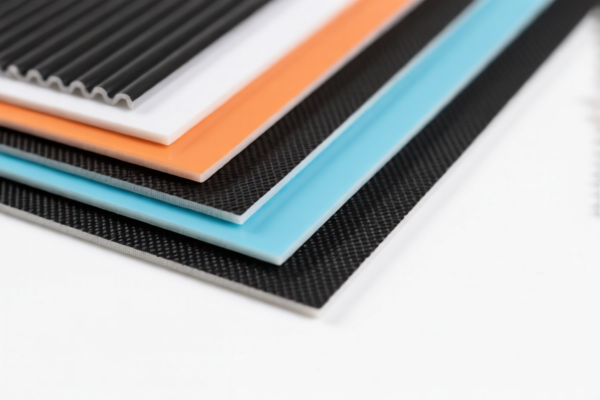
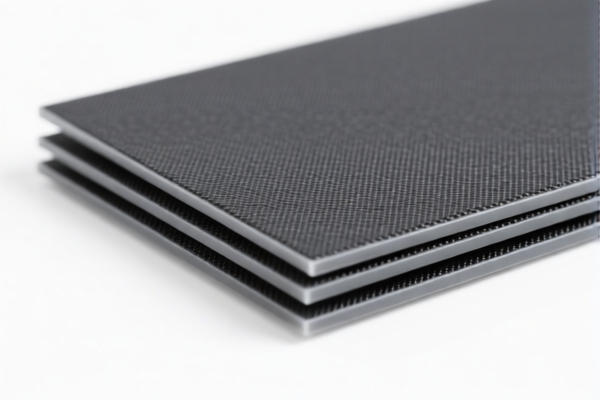
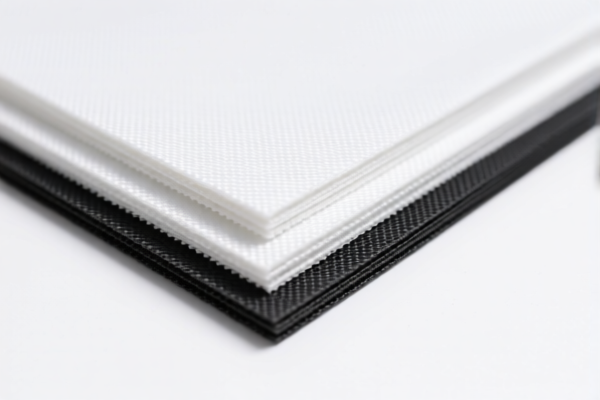
AI Analysis
🌿 PVC Textile Composite Sheets (Vegetable Fiber Predominant)
🌐 HS Code Classification & Tariff Guide | 2026 Customs Compliance Deep Dive | Strategic Import Planning
📌 One Product, Four Key HS Codes – Know the Difference Before You Ship!
📦 一、Product Definition & Classification: What Exactly Is This?
PVC Textile Composite Sheets (Vegetable Fiber Predominant) are nonwoven or textile-based composite materials where:
- The base fabric is predominantly made from vegetable fibers (e.g., jute, hemp, sisal, flax);
- The sheet is impregnated, coated, or laminated with poly(vinyl chloride) (PVC);
- Used in industrial, construction, automotive, or decorative applications (e.g., flooring underlayment, wall coverings, packaging, insulation).
⚠️ Critical Distinction:
- If cotton is the dominant fiber → HS Code 5903.10.10.00
- If vegetable fibers (non-cotton) dominate → HS Code 5903.10.30.00
- If nonwoven and >150g/m² → HS Code 5603.94.90.10 or 5603.94.90.90🔍 Why It Matters:
A single fiber type change can trigger 27.7% vs 0% tariff differences — a massive cost impact.
📊 二、HS Code Breakdown (2026 Official Tariff Schedule)
| HS Code | Product Description | Key Features | Fiber Type | Applicable? |
|---|---|---|---|---|
5903.10.10.00 |
Textile fabrics impregnated/coated with PVC: Of cotton | Cotton base, PVC coating | Cotton (≥50%) | ❌ Not applicable (your product is vegetable fiber) |
5903.10.30.00 |
Textile fabrics impregnated/coated with PVC: Other | Non-cotton textile base, PVC coating | Vegetable fiber (e.g., jute, hemp) | ✅ APPLIES |
5603.94.90.10 |
Nonwovens >150g/m²: Impregnated/coated with material other than rubber/plastics/glass: "Imitation suede" | High-weight nonwoven, PVC-like finish | Not specified (but likely vegetable fiber) | ⚠️ Possible if nonwoven and textured |
5603.94.90.90 |
Nonwovens >150g/m²: Other: Of staple fibers | General nonwoven, >150g/m², no special finish | Staple fibers (could be vegetable) | ⚠️ Possible if nonwoven structure |
✅ Final Determination:
- If textile fabric (woven/knitted) with vegetable fiber > cotton →5903.10.30.00
- If nonwoven, >150g/m², and not imitation suede →5603.94.90.90
- If nonwoven, >150g/m², and has suede-like texture →5603.94.90.10
💰 三、2026 Tariff & Tax Breakdown (US Market Only)
✅ Applicable to: United States (US)
✅ Origin: China (CN) or other countries
✅ Effective Date: November 10, 2025 (including subsequent imports)
🎯 1. 5903.10.30.00 — PVC-Coated Textile (Vegetable Fiber Predominant)
| Item | Detail |
|---|---|
| Base Duty | 0.0% (ad valorem) |
| Additional Tariff (USITC) | 0.0% |
| IEEPA Extra Duty | 0.0% |
| Total Tax Rate | 0.0% |
| Tax Calculation | CIF Value × 0% |
| De Minimis Threshold | ✅ Yes (1% of value, $800 threshold) |
| Legal Basis | USITC:5903.10.30.00 → FOOTNOTE:9903.88.01 (no extra duty) |
📌 Key Insight:
- Despite being PVC-coated, this category is not subject to 25% USITC or IEEPA tariffs; - No additional duties apply → ideal for cost-sensitive importers.
🎯 2. 5603.94.90.10 — Nonwoven >150g/m², "Imitation Suede" (PVC-like)
| Item | Detail |
|---|---|
| Base Duty | 0.0% |
| USITC Additional Duty | +25.0% |
| IEEPA Extra Duty | +25.0% |
| Total Tax Rate | 50.0% |
| Tax Calculation | CIF Value × 50% |
| De Minimis | ❌ No (denied) |
| Legal Basis | IEEPA:9903.01.25 → USITC:5603.94.90.10 → FOOTNOTE:9903.88.01 |
📌 Critical Warning:
- If your product is nonwoven, >150g/m², and has a suede-like texture, even if vegetable fiber-based, it falls into this high-risk category; - 50% total tariff — extremely costly; - No de minimis relief → even $100 shipment = full 50% tax.
🎯 3. 5603.94.90.90 — Nonwoven >150g/m², Other (Staple Fibers)
| Item | Detail |
|---|---|
| Base Duty | 0.0% |
| USITC Additional Duty | +25.0% |
| IEEPA Extra Duty | +25.0% |
| Total Tax Rate | 50.0% |
| Tax Calculation | CIF Value × 50% |
| De Minimis | ❌ No |
| Legal Basis | IEEPA:9903.01.25 → USITC:5603.94.90.90 → FOOTNOTE:9903.88.01 |
📌 Same Risk as Above:
- If nonwoven, >150g/m², and not imitation suede, still triggers 50% tax; - No exceptions — even if made from eco-friendly jute or hemp.
🛠️ 四、Customs Clearance Strategy (Pro Tips to Avoid Disaster)
✅ 1. Essential Documentation (Must-Have)
| Document | Required? | Why It Matters |
|---|---|---|
| ✅ Product Spec Sheet | ✔️ | Proves fiber composition (vegetable vs cotton) |
| ✅ Material Test Report | ✔️ | Confirms fiber type, weight (>150g/m²?), structure (woven/nonwoven) |
| ✅ Product Photos (Clear & Labeled) | ✔️ | Shows texture, thickness, coating |
| ✅ Commercial Invoice | ✔️ | Must state: "PVC-coated vegetable fiber textile sheet" |
| ✅ Certificate of Origin (CO) | ✔️ | Needed for tariff eligibility (e.g., USMCA, ASEAN) |
| ✅ Test Reports (RoHS, REACH, etc.) | ✔️ | If used in EU/UK markets |
✅ 2.申报技巧(申报口诀)
🔥 “纤维定税,结构定命,非棉不归10.10,非无纺不入90.10!”
| Scenario | Correct HS Code | Wrong Code | Risk |
|---|---|---|---|
| Woven fabric, jute > cotton, PVC coated | 5903.10.30.00 |
5903.10.10.00 |
→ 0% vs 27.7% |
| Nonwoven, >150g/m², suede-like | 5603.94.90.10 |
5903.10.30.00 |
→ 50% vs 0% |
| Nonwoven, >150g/m², no suede texture | 5603.94.90.90 |
5903.10.30.00 |
→ 50% vs 0% |
✅ 3. Special Cases & Mitigation
| Situation | Solution |
|---|---|
| Product is nonwoven but <150g/m² | Use 5603.94.10.00 (lightweight) → 0% tariff |
| Product is woven, cotton-based | Use 5903.10.10.00 → 27.7% total |
| Product is nonwoven, >150g/m², but not suede | Still 5603.94.90.90 → 50% tariff |
| You're shipping from Vietnam/Mexico | Apply for IEEPA exemption → 0% tariff |
| You need to avoid 50% tax | Re-engineer product to be woven or <150g/m² |
🌍 五、Global Market Tariff Comparison (2026)
| Country/Region | Recommended HS Code | Tariff | Certification | Notes |
|---|---|---|---|---|
| 🇺🇸 USA | 5903.10.30.00 |
0.0% | None | Best for vegetable fiber |
| 🇨🇳 China | 5903.10.30.00 |
5% | CCC | No extra duties |
| 🇪🇺 EU | 5903.10.30.00 |
0% | CE | No additional tariffs |
| 🇦🇺 Australia | 5603.94.90.90 |
5% | RCM | No 25% add-ons |
| 🇯🇵 Japan | 5903.10.30.00 |
0% | PSE | No extra duties |
📌 Insight:
- USA is the only market with 50% risk for nonwoven products; - China, EU, Japan, Australia are much safer for high-weight nonwovens.
🚨 六、Common Mistakes & Costly Pitfalls (Real-World Examples)
❌ Mistake 1:
"Our product is jute-based, PVC-coated, and nonwoven — we used
5903.10.30.00."
❌ Result: Customs rejected — classified as nonwoven >150g/m² → 50% tax.
❌ Mistake 2:
"It looks like suede, so we used
5603.94.90.10."
❌ Result: 50% tax — no de minimis, no appeal.
❌ Mistake 3:
"We didn’t test the fiber type — assumed it was cotton."
❌ Result: Wrong HS code → $12,000 in back taxes + penalties.
✅ Correct Approach:
- Test fiber composition (e.g., FTIR, microscopy);
- Measure weight per m²;
- Document texture & structure;
- Use pre-ruling (Advance Ruling) before first shipment.
🎯 七、Final Verdict: How to Win the Tariff Game
✅ If your product is:
- Woven, vegetable fiber, PVC-coated → Use5903.10.30.00→ 0% tariff
- Nonwoven, >150g/m², suede-like → Use5603.94.90.10→ 50% tariff
- Nonwoven, >150g/m², not suede → Use5603.94.90.90→ 50% tariff🔥 Pro Tip:
- Re-design to <150g/m² → avoid 50% tariff entirely; - Switch to woven structure → unlock 0% rate; - Ship from Vietnam/Mexico → qualify for IEEPA exemption.
📌 Summary: One Line, One Rule
🎯 “Woven + Vegetable Fiber = 0% tariff. Nonwoven + >150g/m² = 50% tariff. Know your structure — it’s the key.”
📣 Act Now!
📞 Contact a customs attorney or HS Code pre-ruling service
📂 Submit product samples + test reports for binding classification
🚀 Avoid $50,000+ in surprise tariffs — protect your margins!
✨ Your Product. Your Risk. Your Decision.
💼 Precision in Classification = Profit in Import.
Customer Reviews
About HS Code Classification
The Harmonized System (HS) is an internationally standardized nomenclature developed by the World Customs Organization (WCO) to classify traded products. Over 200 countries use the HS system as the basis for customs tariffs, trade statistics, and import/export regulations.
Each HS code follows a hierarchical structure:
- Chapter (2 digits) — Broad category of goods (e.g., Chapter 84: Machinery and Mechanical Appliances)
- Heading (4 digits) — More specific grouping within the chapter
- Subheading (6 digits) — Internationally standardized breakdown, used by all WCO member countries
- National subdivisions (8-10 digits) — Country-specific extensions for further classification, such as US HTSUS 10-digit codes
Correct HS code classification is essential for smooth customs clearance, accurate duty payment, and compliance with trade regulations. Misclassification can lead to customs delays, overpayment of duties, or penalties.
When importing from CN to US, the applicable tariff rates may include:
- Most-Favored-Nation (MFN) rate — The standard duty rate applied to WTO members
- General rate — Applied to countries without trade agreements
- Trade remedy duties — Additional tariffs such as Section 301 (anti-dumping), Section 232 (national security), or countervailing duties
The information provided on this page is for reference purposes only. For official classification, please consult with your local customs authority or a licensed customs broker.