PVC Textile Sunshade Canvas
CN → US| HS Code | Tariff Rate | Origin | Destination | Doc |
|---|---|---|---|---|
| 6303922030 | 28.8% | CN | US | Official Doc |
| 6303922010 | 28.8% | CN | US | Official Doc |
| 3926206000 | 35.0% | CN | US | Official Doc |
| 5903102010 | 35.0% | CN | US | Official Doc |
| 5903102090 | 35.0% | CN | US | Official Doc |
Product Images
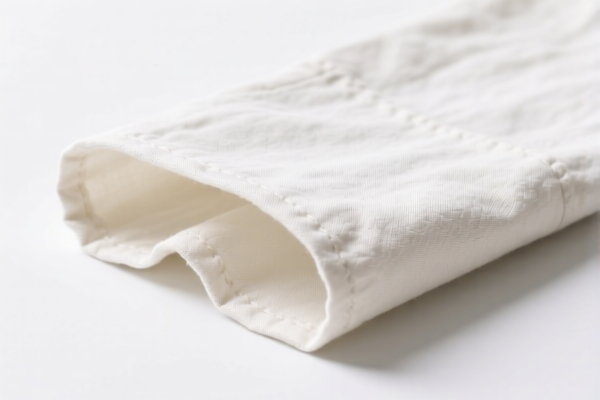
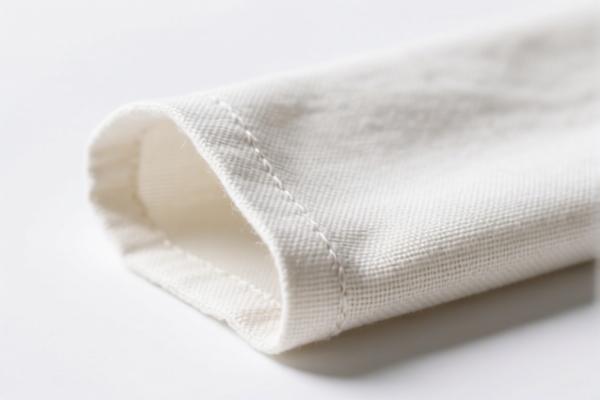
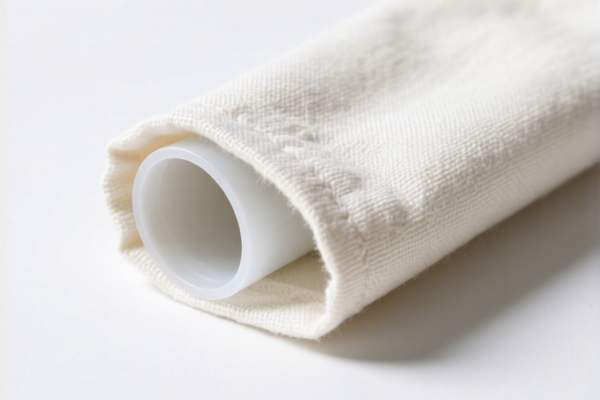
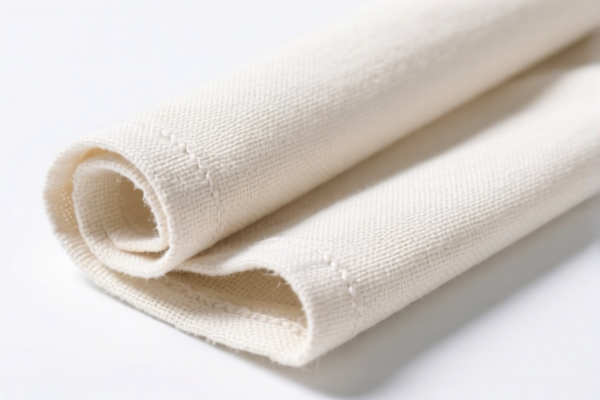
AI Analysis
☀️ PVC Textile Sunshade Canvas (Shading Curtains)
🌐 HS Code Reference & Customs Clearance Guide | 2026 Latest Tariff Analysis | Professional Clearance Strategy
📌 I. Product Definition & Classification: Do You Really Understand "PVC Sunshade"?
PVC Textile Sunshade Canvas refers to shading curtains made of polyvinyl chloride (PVC) coated fabric or similar synthetic materials. In international trade, its classification depends heavily on whether it is viewed primarily as a textile product, a plastic product, or a specific textile article.
Key Distinction Criteria: * As a Textile Article: If classified under Chapter 63 (Made-up textile articles), it is often treated as a "curtain or valance." * As a Plastic Product: If classified under Chapter 39 (Plastics and articles thereof), it is treated as a made-up plastic good. * As a Impregnated Coating: If classified under Chapter 59 (Textile fabrics coated, covered, or laminated), it is treated as a textile impregnated with plastic.
⚠️ Critical Classification Logic: - If viewed as a synthetic fiber made-up article (like a curtain) → 6303.92 - If viewed as a plastic article (generic) → 3926.20 - If viewed as a coated textile fabric → 5903.10
📦 II. HS Code Classification Details (Based on Provided Data)
The following HS Codes are derived directly from the provided dataset. Each code reflects a different interpretive lens of the same product.
| HS Code | Product Description & Logic | Tax Rate | Key Tax Components |
|---|---|---|---|
| 6303.92.20.30 | PVC Sunshade, logic of synthetic fiber; Use: Sunshade | 28.8% | Base: 11.3%, Section 301: 7.5%, Section 122: 10% |
| 6303.92.20.10 | PVC Sunshade, Form: Sunshade; Use: Consistent with curtains/valances | 28.8% | Base: 11.3%, Section 301: 7.5%, Section 122: 10% |
| 3926.20.60.00 | PVC Sunshade, Belongs to plastic products; No material conflict | 35.0% | Base: 0.0%, Section 301: 25.0%, Section 122: 10% |
| 5903.10.20.10 | PVC Sunshade, Belongs to textiles covered with plastic | 35.0% | Base: 0.0%, Section 301: 25.0%, Section 122: 10% |
| 5903.10.20.90 | PVC Sunshade, Belongs to textiles/films impregnated/coated with plastic | 35.0% | Base: 0.0%, Section 301: 25.0%, Section 122: 10% |
🔍 Key Observation:
- The Textile Article classification (6303) offers a lower total tariff (28.8%) compared to the Plastic (3926) or Coated Textile (5903) classifications (35.0%). - Both 6303 codes share the same tax structure, differing only in specific sub-heading logic (Synthetic Fiber Logic vs. Curtain Consistency). - The 3926, 5903.10.20.10, and 5903.10.20.90 codes all share the same higher tax rate (35.0%) but differ in their descriptive logic (Plastic Product vs. Coated Textile).
💰 III. 2026 Latest Tariff Rate Breakdown (Detailed Explanation)
✅ Applicable Country: United States (US)
✅ Origin: China (CN)
✅ Validity: Rates include Section 301 and Section 122 tariffs.
🎯 1. 6303.92.20.30 & 6303.92.20.10 – Textile Artifices (Sunshades/Curtains)
| Item | Content |
|---|---|
| Base Tariff | 11.3% |
| Section 301 Tariff | +7.5% |
| Section 122 Tariff | +10.0% |
| Total Tariff | 28.8% |
| Calculation Basis | CIF Value × 28.8% |
| De Minimis Exemption | ❌ Not Applicable (Denied due to Section 301/122) |
| Legal Basis | USTR Section 301 List 3/4 (7.5%) + Section 122 (10%) + HTSUS Base |
📌 Interpretation:
- This classification treats the PVC sunshade primarily as a made-up textile article (similar to curtains). - The base duty (11.3%) is moderate. - The Section 301 rate is lower (7.5%) compared to the 25% seen in plastic classifications. - Section 122 adds a flat 10% for specific country-of-origin reasons. - Result: This is the most cost-effective classification among the options provided.
🎯 2. 3926.20.60.00 – Plastic Products
| Item | Content |
|---|---|
| Base Tariff | 0.0% |
| Section 301 Tariff | +25.0% |
| Section 122 Tariff | +10.0% |
| Total Tariff | 35.0% |
| Calculation Basis | CIF Value × 35.0% |
| De Minimis Exemption | ❌ Not Applicable |
| Legal Basis | USTR Section 301 List 4 (25%) + Section 122 (10%) |
📌 Interpretation:
- This classification views the PVC sunshade as a generic plastic article. - While the base tariff is 0%, the high Section 301 rate (25%) drives the total to 35%. - This is 7.2% higher than the textile classification.
🎯 3. 5903.10.20.10 & 5903.10.20.90 – Coated/I mpregnated Textiles
| Item | Content |
|---|---|
| Base Tariff | 0.0% |
| Section 301 Tariff | +25.0% |
| Section 122 Tariff | +10.0% |
| Total Tariff | 35.0% |
| Calculation Basis | CIF Value × 35.0% |
| De Minimis Exemption | ❌ Not Applicable |
| Legal Basis | USTR Section 301 List 4 (25%) + Section 122 (10%) |
📌 Interpretation:
- These codes classify the product as a textile fabric coated with plastic. - Similar to the plastic classification, the high Section 301 rate (25%) results in a 35% total tariff. - The difference between .10 and .90 is likely based on specific product form or usage details within the coated textile category, but the tariff impact is identical.
🛠️ IV. Customs Clearance Practical Advice (Risk Avoidance Guide)
✅ 1. Documentation Checklist (Essential)
| Document | Required? | Notes |
|---|---|---|
| ✅ Product Specification Sheet | ✔️ | Must state material composition (PVC), weight, dimensions, and usage (sunshade). |
| ✅ Material Composition Proof | ✔️ | Certify % of PVC vs. other fibers to support 6303 vs. 5903/3926 classification. |
| ✅ Product Photos | ✔️ | Show the finished product, stitching, and any labels/markings. |
| ✅ Commercial Invoice | ✔️ | Clearly describe the product. Avoid vague terms like "Plastic Sheet"; use "PVC Textile Sunshade Curtain." |
| ✅ Packing List | ✔️ | Ensure weight and dimensions match the invoice. |
| ✅ Origin Certificate | ✔️ | Crucial for determining Section 301 applicability. |
✅ 2. Classification Strategy (Key Tips)
🔥 "Textile Logic Wins: Aim for 6303 to Save 6.2%!"
| Scenario | Recommended HS Code | Reason |
|---|---|---|
| Finished Sunshade with Stitching/Assembly | 6303.92.20.30 or 6303.92.20.10 | Treated as a "made-up textile article." Lower total duty (28.8%). |
| Raw Coated Fabric (Unfinished) | 5903.10.20.10/90 | Treated as coated textile. Higher duty (35%). |
| Plastic Sheets/Components | 3926.20.60.00 | Treated as plastic article. Higher duty (35%). |
📌 Note:
- If the product is sewn into a curtain shape, 6303 is the most defensible and cost-effective. - If the product is unsewn or raw material, it may fall under 5903 or 3926, leading to higher duties. - Avoid classifying as 3926 unless the product is clearly not a textile article, as the 301 tariff is punitive.
✅ 3. Special Circumstances
| Situation | Recommendation |
|---|---|
| Customs Challenge on Material | Provide lab test results showing PVC coating weight and fabric base. |
| Dispute on "Curtain" vs. "Sunshade" | Use marketing materials showing installation as a window covering/sunshade to support 6303. |
| Section 122 Applicability | Verify if the product originates from a country subject to Section 122. If not, the 10% may be reduced. |
| De Minimis (Section 321) | Do not rely on de minimis. Section 301 and Section 122 tariffs typically override the $800 de minimis exemption for Chinese goods. |
🌍 V. Global Market Comparison (2026 Latest)
| Country/Region | Recommended HS Code | Tariff | Certification | Notes |
|---|---|---|---|---|
| 🇺🇸 USA | 6303.92.20.30 | 28.8% | N/A | Most favorable classification. |
| 🇨🇳 China | 6303.92 | 5% (Import) | N/A | Low import duty for domestic use. |
| 🇪🇺 EU | 6303.99 | 0-4% | CE | Varies by member state. |
| 🇬🇧 UK | 6303.99 | 0-4% | UKCA | Post-Brexit rules apply. |
| 🇯🇵 Japan | 6303.99 | 3-8% | PSE | Depends on specific use. |
📌 Conclusion:
- The USA presents the highest complexity due to Section 301 and Section 122 tariffs. - Correct classification under 6303 is critical to minimize costs (28.8% vs. 35.0%).
📌 VI. Common Mistakes & Pitfalls (Lessons Learned)
❌ Mistake 1: Classifying as 3926 (Plastic) without justification.
👉 Consequence: Pay 35% duty instead of 28.8%. Waste 6.2%.
❌ Mistake 2: Using vague descriptions like "Plastic Curtain."
👉 Consequence: Customs may reclassify to a higher duty category or demand additional documentation, causing delays.
❌ Mistake 3: Assuming de minimis applies.
👉 Consequence: Shipments from China are subject to Section 301/122 tariffs regardless of value. Do not risk it.
❌ Mistake 4: Ignoring Section 122.
👉 Consequence: If the product is from a specific country, the 10% tax is mandatory. Failure to declare can lead to penalties.
✅ Correct Approach:
"PVC Textile Sunshade Curtain, 100% Polyvinyl Chloride Coated Fabric, Made-up, for Window Sun Protection, Model XYZ, Origin: China"
🎯 VII. Conclusion: Precision in Classification, Savings in Cost
🎯 Remember the Golden Rule:
🔹 "Textile Logic, Lower Tax: 6303 is the Key!"
🔹 "Plastic/Coated Logic, Higher Tax: 3926/5903 is the Trap!"
🔹 "Section 301 + Section 122: Always Apply for Chinese Goods!"
✨ Professional Clearance Starts with Precise Classification!
💼 Every Percent Matters: Save 6.2% by Choosing the Right HS Code!
Customer Reviews
About HS Code Classification
The Harmonized System (HS) is an internationally standardized nomenclature developed by the World Customs Organization (WCO) to classify traded products. Over 200 countries use the HS system as the basis for customs tariffs, trade statistics, and import/export regulations.
Each HS code follows a hierarchical structure:
- Chapter (2 digits) — Broad category of goods (e.g., Chapter 84: Machinery and Mechanical Appliances)
- Heading (4 digits) — More specific grouping within the chapter
- Subheading (6 digits) — Internationally standardized breakdown, used by all WCO member countries
- National subdivisions (8-10 digits) — Country-specific extensions for further classification, such as US HTSUS 10-digit codes
Correct HS code classification is essential for smooth customs clearance, accurate duty payment, and compliance with trade regulations. Misclassification can lead to customs delays, overpayment of duties, or penalties.
When importing from CN to US, the applicable tariff rates may include:
- Most-Favored-Nation (MFN) rate — The standard duty rate applied to WTO members
- General rate — Applied to countries without trade agreements
- Trade remedy duties — Additional tariffs such as Section 301 (anti-dumping), Section 232 (national security), or countervailing duties
The information provided on this page is for reference purposes only. For official classification, please consult with your local customs authority or a licensed customs broker.