PVC Texture Car Headlight Cover
CN → US| HS Code | Tariff Rate | Origin | Destination | Doc |
|---|---|---|---|---|
| 4016996010 | 37.5% | CN | US | Official Doc |
| 3926305000 | 22.8% | CN | US | Official Doc |
| 8708295160 | 0.0% | CN | US | Official Doc |
| 3926909989 | 22.8% | CN | US | Official Doc |
| 8708295110 | 0.0% | CN | US | Official Doc |
Product Images
AI Analysis
🔦 PVC Texture Car Headlight Cover: HS Code Classification & 2026 Customs Clearance Guide
🌐 HS Code Reference & Customs Strategy | 2026 Tariff Analysis | Critical Clarity for Automotive Parts
📌 I. Product Definition: What Exactly Is This?
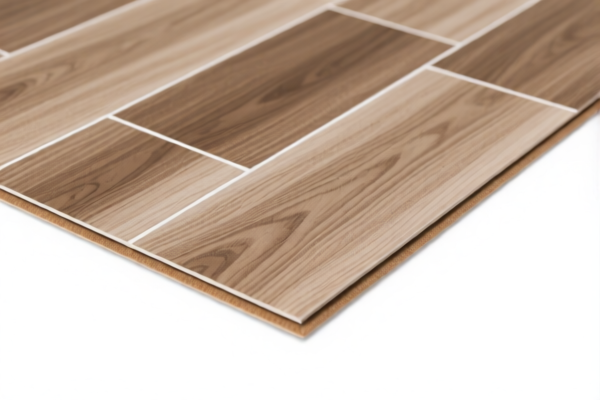
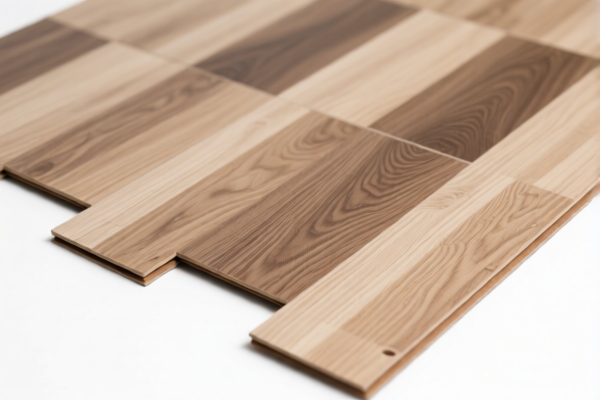
A PVC Texture Car Headlight Cover is an automotive accessory made primarily from Polyvinyl Chloride (PVC) with a textured surface finish. It serves as a protective or aesthetic shield for the vehicle's headlight assembly.
In international trade, the classification hinges on material composition vs. functionality: - Plastic Component: If viewed simply as a manufactured plastic part. - Automotive Part: If viewed strictly as a component designed exclusively for motor vehicles (Chapter 87).
⚠️ Critical Distinction:
- The same product can yield drastically different tax outcomes (from 2.5% to 37.5%) depending on whether it is classified under Chapter 39 (Plastics) or Chapter 87 (Vehicles).
- Misclassification can lead to severe penalties, delayed customs clearance, or unexpected cost spikes due to "Section 301" and "122 Section" tariffs.
📦 II. HS Code Classification Matrix (2026 Latest Tariff Schedule)
Based on the provided data, there are 4 distinct classification paths for PVC Headlight Covers. Each path carries a unique tax burden.
| HS Code | Summary Description | Tax Category Logic | Total Tax Rate (China Origin to US) |
|---|---|---|---|
| 4016.99.60.10 | PVC Headlight Cover; Rubber/Plastic automotive mechanical parts | Classified under Rubber/Plastic Articles (Chapter 40) treated as general auto parts. | 37.5% |
| 3926.30.50.00 | PVC Headlight Cover; Plastic body connectors/fittings | Classified under Plastics (Chapter 39) as body connectors. | 22.8% |
| 8708.29.51.60 | PVC Headlight Cover; Other body parts/accessories | Classified under Vehicle Parts (Chapter 87). Highest Risk. | 2.5% + 85.0% |
| 3926.90.99.89 | PVC Headlight Cover; Finished plastic article (Other) | Classified under Plastics (Chapter 39) as general finished goods. | 22.8% |
| 8708.29.51.10 | PVC Headlight Cover; Stamped/Other Body Parts | Classified under Vehicle Parts (Chapter 87). | 2.5% + 35.0% |
🔍 Key Insight:
- Chapter 87 (8708.xx) items are considered "Specialty Auto Parts" and attract higher retaliatory tariffs.
- Chapter 39 (3926.xx) items are considered "General Plastic Goods" and have lower base tariffs but still face significant add-ons.
💰 III. Detailed Tariff Breakdown (2026 US Import Duties)
✅ Applicable Country: United States (US)
✅ Origin: China (CN)
✅ Effective Date: Current 2026 Tariff Schedule (Post-Section 301 & 122 Amendments)
🎯 1. HS Code 4016.99.60.10 — Rubber/Plastic Auto Parts
| Item | Detail |
|---|---|
| Base Duty | 2.5% |
| Section 301 Tariff | 25.0% |
| Section 122 Tariff | 10.0% |
| Total Effective Rate | 37.5% |
| Calculation | CIF Value × 37.5% |
| De Minimis Exemption | ❌ Denied |
📌 Explanation:
This code treats the headlight cover as a generic "rubber/plastic article" for auto use. It does not benefit from the lower "auto part" base rate because it is categorized under Chapter 40, triggering the full suite of punitive tariffs.
🎯 2. HS Code 3926.30.50.00 — Plastic Body Connectors
| Item | Detail |
|---|---|
| Base Duty | 5.3% |
| Section 301 Tariff | 7.5% |
| Section 122 Tariff | 10.0% |
| Total Effective Rate | 22.8% |
| Calculation | CIF Value × 22.8% |
| De Minimis Exemption | ❌ Denied |
📌 Explanation:
If the headlight cover is viewed as a "connector" or fitting for the car body, it falls under Chapter 39. The base rate is higher (5.3%) than Chapter 87, but the Section 301 rate is significantly lower (7.5% vs 25%+), resulting in a more competitive total rate.
🎯 3. HS Code 8708.29.51.60 — Other Body Parts (High Risk)
| Item | Detail |
|---|---|
| Base Duty | 2.5% |
| Section 301 Tariff | 25.0% |
| Section 122 Tariff | 10.0% |
| Steel/Aluminum/Copper Surcharge | 50.0% (If applicable materials are detected) |
| Total Effective Rate | 2.5% + 85.0% |
| Calculation | CIF Value × (2.5% + 25% + 10% + 50%) |
| De Minimis Exemption | ❌ Denied |
⚠️ CRITICAL WARNING:
- This code attracts the highest possible penalty.
- The "50% Steel/Aluminum/Copper Tariff" is triggered if the customs officer determines any metallic components (even fasteners or reflective layers) are present.
- Since PVC is plastic, ensure zero metal content in the primary definition, but be prepared for scrutiny.
🎯 4. HS Code 3926.90.99.89 — Other Plastic Articles
| Item | Detail |
|---|---|
| Base Duty | 5.3% |
| Section 301 Tariff | 7.5% |
| Section 122 Tariff | 10.0% |
| Total Effective Rate | 22.8% |
| Calculation | CIF Value × 22.8% |
| De Minimis Exemption | ❌ Denied |
📌 Explanation:
This is the "catch-all" for plastic products not elsewhere specified. It mirrors the tax rate of3926.30.50.00but lacks the specific "connector" designation. Use this if the product is a simple, finished cover with no specific automotive fitment complexity.
🎯 5. HS Code 8708.29.51.10 — Stamped/Other Body Parts
| Item | Detail |
|---|---|
| Base Duty | 2.5% |
| Section 301 Tariff | 25.0% |
| Section 122 Tariff | 10.0% |
| Total Effective Rate | 2.5% + 35.0% |
| Calculation | CIF Value × (2.5% + 25% + 10%) |
| De Minimis Exemption | ❌ Denied |
📌 Explanation:
Similar to8708.29.51.60but without the 50% metal surcharge. This implies a pure PVC/Plastic classification within Chapter 87. It is cheaper than60but more expensive than Chapter 39 codes due to the 25% Section 301 rate.
🛠️ IV. Customs Clearance Strategy & Best Practices
✅ 1. Material Verification (The #1 Priority)
- Ensure 100% PVC/Plastic: To avoid the 50% surcharge under
8708.29.51.60, the product must contain NO steel, aluminum, or copper. - Check Fasteners: If the headlight cover includes metal screws, clips, or reflective metal foil, customs may reclassify it as a mixed-material assembly, triggering the 50% penalty.
- Documentation: Clearly state "100% PVC Plastic, No Metallic Components" on the commercial invoice.
✅ 2. Recommended HS Code Selection
| Goal | Recommended HS Code | Reason |
|---|---|---|
| Lowest Tax | 3926.30.50.00 or 3926.90.99.89 |
Total rate 22.8% is significantly lower than Chapter 87 options (37.5% - 87.5%). |
| Strict Automotive Definition | 8708.29.51.10 |
If you must claim "Auto Part" status, this is the safest Chapter 87 option (37.5% total) without the 50% metal penalty. |
| Avoid | 8708.29.51.60 |
Avoid unless certain: The 85%+ total rate makes it commercially unviable. |
💡 Strategy Tip:
Classifying as a "Plastic Accessory" (Chapter 39) is often more cost-effective than classifying as an "Automotive Part" (Chapter 87) for PVC items, due to lower Section 301 rates (7.5% vs 25%).
✅ 3. Documentation Checklist
| Document | Requirement |
|---|---|
| Commercial Invoice | Must specify: "PVC Headlight Cover, Model XYZ, 100% Plastic, No Metal." |
| Product Photos | Clear images showing the texture, material, and lack of metal parts. |
| Material Certificate | Supplier declaration of PVC composition. |
| Part Number & Diagram | Show how it fits to justify "automotive accessory" if using Chapter 87. |
| Country of Origin | Explicitly state "Made in China" to apply correct tariff footnotes. |
🚫 V. Common Mistakes & Pitfalls
❌ Mistake 1: Using HS Code 8708.29.51.60 without verifying material.
👉 Result: If any metal is found, 50% surcharge applies. Total tax hits ~87.5%.
❌ Mistake 2: Mislabeling as "Car Light Assembly" instead of "Cover."
👉 Result: May trigger different codes (e.g., 8512 for lighting) with their own complex tariff rules. Stick to "Cover" or "Shield."
❌ Mistake 3: Ignoring Section 122 Tariffs.
👉 Result: All listed codes above include a 10% Section 122 tariff. Failing to budget for this will cause cash flow issues.
📊 VI. Cost Comparison Summary (Per $1,000 CIF Value)
| HS Code | Base Duty | Sec 301 | Sec 122 | Metal Surcharge | Total Tax ($) | Total Cost ($) |
|---|---|---|---|---|---|---|
| 3926.30.50.00 | $53 | $75 | $100 | $0 | $228 | $1,228 |
| 3926.90.99.89 | $53 | $75 | $100 | $0 | $228 | $1,228 |
| 4016.99.60.10 | $25 | $250 | $100 | $0 | $375 | $1,375 |
| 8708.29.51.10 | $25 | $250 | $100 | $0 | $375 | $1,375 |
| 8708.29.51.60 | $25 | $250 | $100 | $500 | $875 | $1,875 |
📌 Conclusion:
- Chapter 39 Codes (3926.xx) are the most cost-effective at $228 tax per $1,000.
- Chapter 87 Codes (8708.xx) range from $375 to $875, making them significantly more expensive.
🎯 VII. Final Recommendation
- Prioritize Chapter 39: Use
3926.30.50.00or3926.90.99.89to minimize tariffs to 22.8%. - Avoid Chapter 87 Unless Necessary: Only use
8708.29.51.10if you are legally required to declare it as a "Vehicle Part" for other regulatory reasons, accepting the 37.5% tax. - Never Use
8708.29.51.60: The risk of the 50% metal surcharge makes it financially dangerous. - Declare Accurately: Ensure "100% PVC" is explicitly stated to prevent reclassification and penalties.
📌 Pro Tip:
Apply for an Advance Ruling (CBP Ruling) from US Customs and Border Protection before your first shipment. This locks in your HS code and prevents unexpected duties at the border.
✨ Clear Classification, Lower Duties, Smoother Clearance!
📩 Consult a licensed customs broker for your specific product details.
Customer Reviews
About HS Code Classification
The Harmonized System (HS) is an internationally standardized nomenclature developed by the World Customs Organization (WCO) to classify traded products. Over 200 countries use the HS system as the basis for customs tariffs, trade statistics, and import/export regulations.
Each HS code follows a hierarchical structure:
- Chapter (2 digits) — Broad category of goods (e.g., Chapter 84: Machinery and Mechanical Appliances)
- Heading (4 digits) — More specific grouping within the chapter
- Subheading (6 digits) — Internationally standardized breakdown, used by all WCO member countries
- National subdivisions (8-10 digits) — Country-specific extensions for further classification, such as US HTSUS 10-digit codes
Correct HS code classification is essential for smooth customs clearance, accurate duty payment, and compliance with trade regulations. Misclassification can lead to customs delays, overpayment of duties, or penalties.
When importing from CN to US, the applicable tariff rates may include:
- Most-Favored-Nation (MFN) rate — The standard duty rate applied to WTO members
- General rate — Applied to countries without trade agreements
- Trade remedy duties — Additional tariffs such as Section 301 (anti-dumping), Section 232 (national security), or countervailing duties
The information provided on this page is for reference purposes only. For official classification, please consult with your local customs authority or a licensed customs broker.