PVC Texture Synthetic Backing Wall Cloth
CN → US| HS Code | Tariff Rate | Origin | Destination | Doc |
|---|---|---|---|---|
| 5903102090 | 35.0% | CN | US | Official Doc |
| 3921121950 | 40.3% | CN | US | Official Doc |
| 5903102010 | 35.0% | CN | US | Official Doc |
| 3921902900 | 39.4% | CN | US | Official Doc |
Product Images
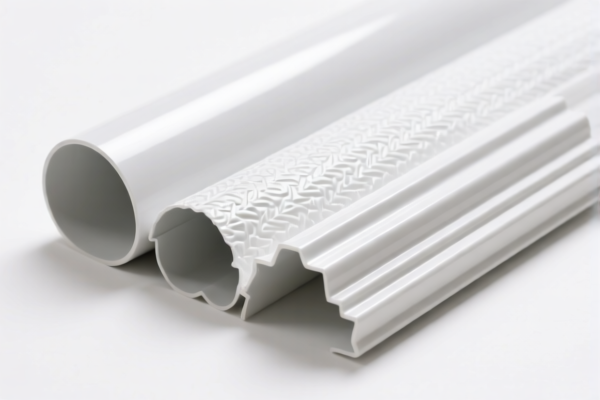

AI Analysis
🧱 PVC Texture Synthetic Backing Wall Cloth (Wall Coverings)
🌐 HS Code Classification & Customs Clearance Guide | 2026 Latest Tariff Analysis | Strategic Compliance Strategy
📌 Part 1: Product Definition & Classification: Do You Really Understand "PVC Wall Cloth"?
PVC Texture Synthetic Backing Wall Cloth is a decorative building material widely used in interior design. It combines the aesthetics of fabric with the durability of plastic. In international trade, its classification depends heavily on how the PVC is applied and the structure of the backing.
It falls into two main categories:
1. Textile-Based (Impregnated/Covered Fabrics): The core is a textile (fabric), coated or impregnated with PVC. It retains the characteristics of a textile. 2. Plastic-Based (Plates/Sheets/Membranes): The product is treated as a plastic composite or sheet where the textile acts merely as reinforcement, not the primary characterizing element.
⚠️ Key Distinction Point:
- If the primary identity is fabric that has been impregnated, coated, or covered with PVC →归入 HS 5903.10.20 (Textile Category)
- If the primary identity is a plastic sheet/membrane combined with textile, or simply a plastic plate/sheet → 归入 HS 3921 (Plastic Product Category)
📦 Part 2: HS Code Classification Details (2026 Latest Tariff Authority Comparison)
Based on the provided data, here are the four potential HS Code classifications for this product:
| HS Code | Product Description | Applicability / Scenario | Key Characteristic |
|---|---|---|---|
5903.10.20.90 |
PVC Texture Synthetic Backing Wall Cloth, PVC Material, Textile/Fabric Type. Matches characteristics of textile fabrics impregnated with or coated with PVC. | Primary Textile Approach: The product is seen as a fabric first, PVC second. | ✅ Textile Base |
3921.12.19.50 |
PVC Texture Synthetic Backing Wall Cloth, PVC Material, Form: Composite plate/sheet/membrane with textile materials. | Composite Plastic Approach: Viewed as a plastic sheet reinforced by textile. | ✅ Plastic Base |
5903.10.20.10 |
PVC Texture Synthetic Backing Wall Cloth, PVC Material, Textile Fabric Form. Matches characteristics of impregnated, coated, or laminated textile fabrics. | Specific Textile Application: Often used for specific lined/coated applications. | ✅ Textile Base |
3921.90.29.00 |
PVC Texture Synthetic Backing Wall Cloth, Plastic (PVC) Material, Form: Plate, sheet, film, foil, strip products. | General Plastic Sheet: Viewed purely as a PVC plastic sheet/membrane product. | ✅ Pure Plastic Base |
🔍 Critical Reminder:
-5903codes generally apply when the textile fabric is the essential character, and PVC is just a surface treatment (impregnation/coating).
-3921codes apply when the product is considered a plastic composite or the PVC layer dominates the physical nature, or it is classified as a generic plastic sheet/membrane.
- The choice between these codes significantly impacts the Customs Duty burden.
💰 Part 3: 2026 Latest Tariff Rate Breakdown (Including Surtaxes & Policy Surcharges)
✅ Applicable Country: USA (US)
✅ Country of Origin: China (CN)
✅ Effective Time: Current tariffs apply (Section 301 & Section 122)
🎯 1. 5903.10.20.90 & 5903.10.20.10 —— Textile-Based PVC Wall Cloth
These two codes share the same tax structure because they fall under the "Textile Fabric Impregnated/Coated with PVC" category.
| Item | Content |
|---|---|
| Base Duty Rate | 0.0% (Ad Valorem) |
| Section 301 Surcharge | +25.0% (25% Additional Duty) |
| Section 122 Tariff | +10.0% (122 Clause Tariff) |
| Total Effective Rate | 35.0% |
| Calculation Basis | CIF Value × 35% |
| De Minimis Exemption | ❌ Not Eligible (Standard trade rules apply; small value shipments are still subject to duty if classified correctly) |
| Legal Path | HTSUS: 5903.10.20 → Section 301 List 4B → Section 122 Provision |
📌 Explanation:
- While the base tariff is 0% (favorable for textiles), the 25% Section 301 and 10% Section 122 surcharges bring the total to 35%.
- This is generally more favorable than the plastic-based classifications if the product can be legitimately classified as textile-first.
🎯 2. 3921.12.19.50 —— Plastic Composite (Plate/Sheet with Textile)
This code treats the wall cloth as a plastic composite product.
| Item | Content |
|---|---|
| Base Duty Rate | 5.3% (Ad Valorem) |
| Section 301 Surcharge | +25.0% (25% Additional Duty) |
| Section 122 Tariff | +10.0% (122 Clause Tariff) |
| Total Effective Rate | 40.3% |
| Calculation Basis | CIF Value × 40.3% |
| De Minimis Exemption | ❌ Not Eligible |
| Legal Path | HTSUS: 3921.12.19 → Section 301 List 4B → Section 122 Provision |
📌 Note:
- This is 5.3% higher than the textile-based classification.
- Applicable if the PVC layer is considered dominant, or if the product is manufactured as a plastic sheet with textile backing rather than fabric coated with PVC.
🎯 3. 3921.90.29.00 —— General Plastic Plate/Sheet/Membrane
This is the broadest plastic category, often used for generic PVC sheets.
| Item | Content |
|---|---|
| Base Duty Rate | 4.4% (Ad Valorem) |
| Section 301 Surcharge | +25.0% (25% Additional Duty) |
| Section 122 Tariff | +10.0% (122 Clause Tariff) |
| Total Effective Rate | 39.4% |
| Calculation Basis | CIF Value × 39.4% |
| De Minimis Exemption | ❌ Not Eligible |
| Legal Path | HTSUS: 3921.90.29 → Section 301 List 4B → Section 122 Provision |
📌 Note:
- Slightly better than3921.12.19.50but still 4.4% higher than the textile-based5903.10.20.90/10.
- Risk: Customs may reclassify this as5903if evidence shows textile characteristics are primary, potentially leading to disputes.
🛠️ Part 4: Customs Clearance Practical Advice (Battle-Tested Pitfall Avoidance)
✅ 1. Required Documentation Checklist (Non-Negotiable)
| Document | Must Provide? | Description |
|---|---|---|
| ✅ Product Specification Sheet | ✔️ | Must detail: PVC thickness, backing fabric type (polyester, fiberglass, etc.), total weight, dimensions. |
| ✅ Technical Data Sheet (TDS) | ✔️ | Explains the manufacturing process: Is it "coated" (fabric first) or "laminated" (plastic first)? |
| ✅ Product Photos | ✔️ | High-res images showing cross-section, texture, and backing. |
| ✅ Commercial Invoice | ✔️ | Must clearly state "PVC Texture Synthetic Backing Wall Cloth" AND the specific HS Code. |
| ✅ Packing List | ✔️ | Weight and dimensions per carton. |
| ✅ Proof of Origin | ✔️ | To confirm China origin (triggers Section 301/122). |
✅ 2. Declaration Strategy (Key Mantra)
🔥 "Classify by Essence, Not Just Name! Fabric First = 35%, Plastic First = 39-40%."
| Scenario | Correct Declaration | Error to Avoid |
|---|---|---|
| Fabric Coated with PVC | 5903.10.20.90 or 5903.10.20.10 |
Misdeclaring as 3921 → Overpaying 4.4-5.3% |
| Plastic Sheet with Textile Backing | 3921.12.19.50 |
Misdeclaring as 5903 → Underpayment Risk / Penalty |
| Generic PVC Wall Panel | 3921.90.29.00 |
Using vague terms like "Wall Decor" → Customs Detention |
✅ 3. Special Handling & Risk Mitigation
| Situation | Handling Advice |
|---|---|
| OEM Custom Orders | Provide client design specs. If the client specifies "PVC Coated Polyester Fabric," stick to 5903. |
| Mixed Shipments | If you have both textile-based and plastic-based wall cloths, declare separately. Do not lump them into one generic code. |
| Section 122 Impact | Remember the 10% Section 122 tariff is relatively new/high-profile. Ensure your entry data explicitly accounts for it to avoid clearance delays. |
| Pre-Ruling Recommendation | Highly Recommended: Apply for an Advance Ruling from CBP. Submit your product cross-section and TDS. Ask explicitly: "Is this impregnated textile (5903) or plastic composite (3921)?" This locks in the classification and avoids post-import audits. |
📌 Part 5: Common Mistakes & Pitfall Guide (Lessons from the Trenches)
❌ Mistake 1: Using "Wall Paper" or "Wall Cloth" as the only description
👉 Consequence: CBP may reclassify to the highest duty rate they deem appropriate based on their own analysis.
👉 Fix: Always use the specific HS Code description: "PVC Impregnated Textile Fabric" or "PVC Composite Sheet".
❌ Mistake 2: Ignoring the 10% Section 122 Tariff
👉 Consequence: Underpayment of duties, leading to CBP audits, fines, and seizure.
👉 Fix: Ensure the 10% surcharge is calculated and paid at entry.
❌ Mistake 3: Confusing "Base Duty" with "Total Duty"
👉 Consequence: Believing the rate is 0% (for 5903) and underestimating cost by 35%.
👉 Fix: Always calculate: Base + Section 301 (25%) + Section 122 (10%) = Total.
✅ Best Practice:
Use precise terminology:
"PVC Coated Polyester Fabric for Wall Covering, Model ABC, 100% Polyester Base, 0.5mm PVC Coating"
→ Supports classification under5903.10.20.90.
🎯 Part 6: Conclusion: Precision Classification Saves Money!
🎯 Remember the Mantra:
🔹 "Textile Base = 35%, Plastic Base = 39-40%. Difference is 4-5%! Don't lose profit on a typo!"
🔹 "Section 301 + Section 122 = Mandatory. No exemptions for China Origin!"
📌 Pro Tip:
If your product is manufactured in Vietnam, Thailand, or Malaysia, you may avoid Section 301 and 122 tariffs (check specific rules of origin).
For China-origin goods, Advance Ruling is the safest path to lock in the 35% rate (if textile-based) and avoid costly disputes.
📣 Immediate Action:
📞 Consult your customs broker.
📄 Prepare TDS and cross-section photos.
🚀 Secure your HS Code, pay the correct duty, and ship with confidence!
✨ Professional Customs Clearance Starts with Accurate Classification!
💼 Your bottom line depends on the first four digits of your HS Code!
Customer Reviews
About HS Code Classification
The Harmonized System (HS) is an internationally standardized nomenclature developed by the World Customs Organization (WCO) to classify traded products. Over 200 countries use the HS system as the basis for customs tariffs, trade statistics, and import/export regulations.
Each HS code follows a hierarchical structure:
- Chapter (2 digits) — Broad category of goods (e.g., Chapter 84: Machinery and Mechanical Appliances)
- Heading (4 digits) — More specific grouping within the chapter
- Subheading (6 digits) — Internationally standardized breakdown, used by all WCO member countries
- National subdivisions (8-10 digits) — Country-specific extensions for further classification, such as US HTSUS 10-digit codes
Correct HS code classification is essential for smooth customs clearance, accurate duty payment, and compliance with trade regulations. Misclassification can lead to customs delays, overpayment of duties, or penalties.
When importing from CN to US, the applicable tariff rates may include:
- Most-Favored-Nation (MFN) rate — The standard duty rate applied to WTO members
- General rate — Applied to countries without trade agreements
- Trade remedy duties — Additional tariffs such as Section 301 (anti-dumping), Section 232 (national security), or countervailing duties
The information provided on this page is for reference purposes only. For official classification, please consult with your local customs authority or a licensed customs broker.